 뒤로
E3: The Endocrine System (SS 5)
스터디 가이드 - 스마트 노트
 자료에 맞춘 맞춤형 노트, 핵심 정의, 예시, 맥락을 확장해 제공합니다.
The Endocrine System
Overview
The endocrine system is a network of glands that secrete hormones to regulate various bodily functions, including metabolism, growth, reproduction, and stress responses. Hormones are chemical messengers that travel through the bloodstream to target organs, influencing their activity and maintaining homeostasis.
Hypothalamus and Pituitary Gland
Structure and Function
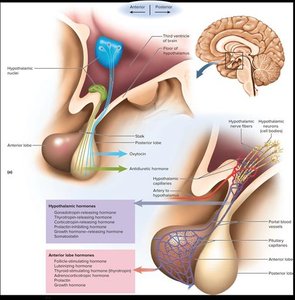
The hypothalamus and pituitary gland are central regulators of the endocrine system, controlling many bodily functions through hormone secretion. - Hypothalamus: Regulates water balance, energy balance, growth, and reproduction. - Pituitary Gland: Acts as a link between neural and hormonal regulation; consists of anterior and posterior lobes. - The hypothalamus is attached to the posterior lobe by neurons and communicates with the anterior lobe via blood vessels. 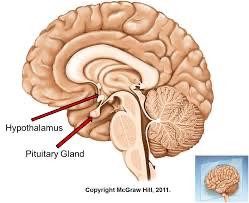
Anterior Pituitary Hormones
The anterior pituitary releases several key hormones, each with specific functions:
Follicle-stimulating hormone (FSH): Stimulates development of gametes (sex cells).
Luteinizing hormone (LH): Triggers ovulation and stimulates testosterone secretion.
Thyroid-stimulating hormone (TSH): Promotes thyroid hormone release.
Adrenocorticotropic hormone (ACTH): Stimulates adrenal gland to release glucocorticoids.
Prolactin (PRL): Stimulates milk synthesis in mammary glands.
Growth hormone (GH): Promotes tissue growth.
Growth Hormone (GH) Disorders
- Hypersecretion: Causes gigantism in children (active growth plates) and acromegaly in adults. - Hyposecretion: Causes pituitary dwarfism in children. - Treatment: Growth hormone replacement therapy. 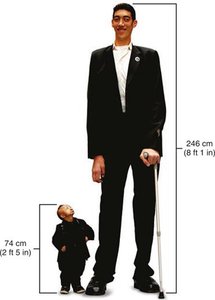
Posterior Pituitary Hormones
The posterior pituitary releases two main hormones:
Oxytocin (OT): Facilitates childbirth, milk ejection, and bonding behaviors; secretion inhibited by stress.
Antidiuretic hormone (ADH): Regulates fluid balance by signaling kidneys to reabsorb water; high concentrations cause vasoconstriction (vasopressin); release triggered by pain, low blood pressure, and certain drugs; inhibited by alcohol.
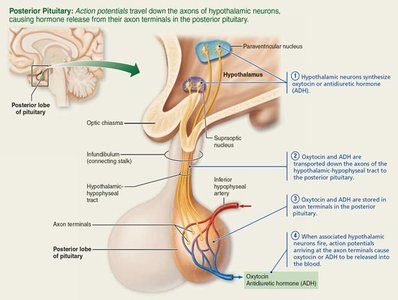
Control of the Pituitary Gland
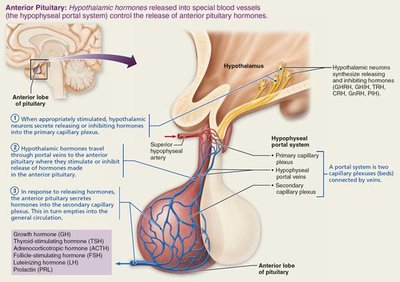
- Anterior lobe: Hypothalamus secretes activating/inhibiting hormones into blood vessels, stimulating or suppressing pituitary hormone output. - Posterior lobe: Hypothalamus sends nerve signals to release ADH or OT. 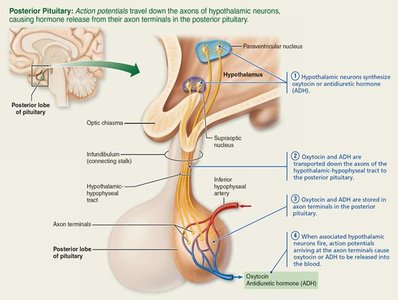
Clinical Homeostatic Imbalances
Diabetes insipidus: ADH deficiency causes intense thirst and large urine output; may result from hypothalamic or pituitary damage.
Syndrome of inappropriate ADH secretion: Hypersecretion causes fluid retention, headache, and disorientation; requires fluid restriction and sodium monitoring.
Pineal Gland
Structure and Function
The pineal gland is located in the brain and secretes melatonin, a hormone that regulates sleep-wake cycles. - Melatonin: Primarily secreted during darkness to promote sleep. 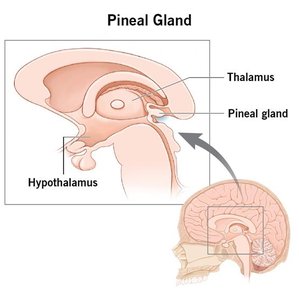
Thyroid Gland
Structure and Function
The thyroid gland is found superficial to the trachea and consists of thyroid follicles. - Follicular cells: Secrete thyroid hormone (TH), which increases metabolic rate, ATP, oxygen, and fuel consumption. - Parafollicular cells: Secrete calcitonin in response to high blood calcium, promoting bone deposition. 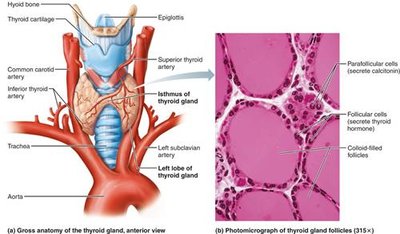
Clinical Homeostatic Imbalances
Hypothyroidism (myxedema): Low metabolic rate, dry skin, puffy eyes, lethargy.
Graves' disease: Hyperthyroidism due to autoimmune stimulation; symptoms include elevated metabolic rate, sweating, rapid heartbeat, nervousness, weight loss, and eye protrusion.
Parathyroid Glands
Structure and Function
The parathyroid glands are located on the posterior surface of the thyroid. - Parathyroid hormone (PTH): Stimulates osteoclasts to release Ca2+ from bone, enhances Ca2+ reabsorption in kidneys, and promotes vitamin D activation for increased intestinal Ca2+ absorption. 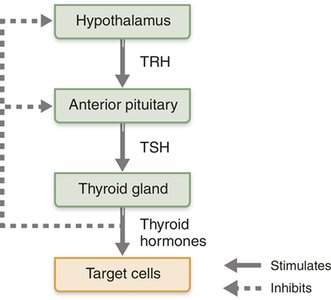
Thymus
Structure and Function
The thymus is found superior to the heart and is most active during childhood. - Thymosin and thymopoietin: Regulate development and activity of T lymphocytes, essential for immune function. 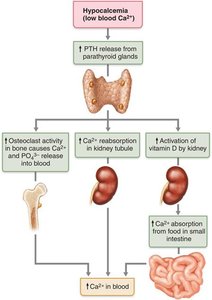
Pancreas
Structure and Function
The pancreas is located below and behind the stomach, with both exocrine and endocrine functions. - Pancreatic islets: Secrete insulin and glucagon to regulate blood glucose. - Insulin: Promotes glucose uptake and glycogen storage. - Glucagon: Promotes glycogen breakdown and glucose release. 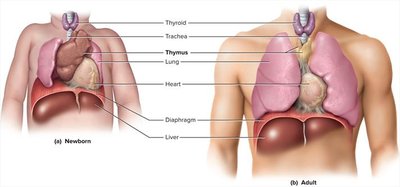
Clinical Homeostatic Imbalance: Diabetes Mellitus
Type 1: Hyposecretion of insulin.
Type 2: Hypoactivity of insulin.
Cardinal signs: Polyuria (excess urine), polydipsia (excess thirst), polyphagia (excess hunger).
Gonads
Structure and Function
The gonads (ovaries and testes) function as both endocrine and exocrine glands. - Ovaries: Secrete estrogen and progesterone, regulating ovarian and menstrual cycles. - Testes: Secrete testosterone, sustaining sperm production, sex drive, and masculine characteristics. 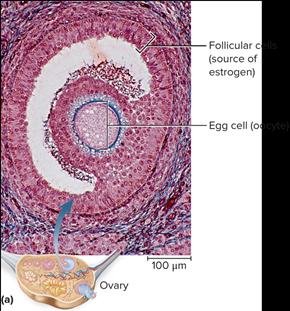
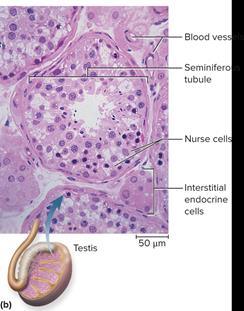
Adrenal Glands
Structure and Function
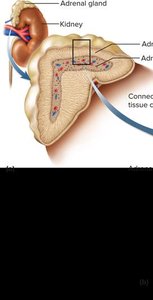
The adrenal glands are located atop the kidneys and consist of two main regions: - Adrenal medulla: Secretes epinephrine and norepinephrine for stress responses. - Adrenal cortex: Produces steroid hormones:
Aldosterone: Stimulates sodium and water retention.
Cortisol: Releases fuels in response to stress.
Androgens: Contribute to reproductive features and post-puberty development.
Other Organs with Endocrine Function
Overview
Several organs and tissues have secondary endocrine functions:
Heart: Secretes hormones to decrease blood volume and lower blood pressure.
Liver: Produces hormones for blood pressure, growth, tissue repair, and iron regulation.
Kidneys: Secrete hormones for red blood cell production and blood pressure regulation.
Stomach and intestines: Secrete hormones influencing appetite and acid production.
Adipose tissue: Secretes hormones affecting appetite.
Osseous tissue: Secretes hormones contributing to bone matrix and stimulating pancreatic islets and adipose tissue.
The Stress Response
Stages and Regulation
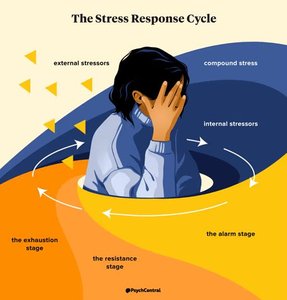
The stress response is a coordinated reaction to physical or emotional stressors, regulated by the hypothalamus. - Short-term stress: Triggers fight-or-flight response via sympathetic nervous system and adrenal catecholamines. - Long-term stress: Triggers resistance reaction via adrenal corticosteroids. - Exhaustion: Prolonged stress disrupts homeostasis. 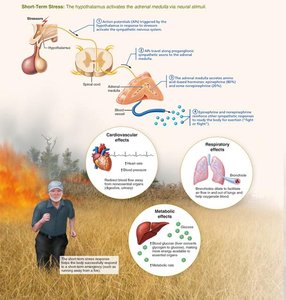
Science-Backed Ways to Reduce Stress
Breathing exercises
Stretching muscles
Mindfulness breaks
Brisk walks
Soothing music
Reducing loud noise
Positive self-talk
Seeking help
Summary Table: Major Endocrine Glands and Their Hormones
Gland | Main Hormones | Primary Functions |
|---|---|---|
Hypothalamus | Releasing/inhibiting hormones | Regulates pituitary gland |
Pituitary (anterior) | FSH, LH, TSH, ACTH, PRL, GH | Growth, reproduction, metabolism |
Pituitary (posterior) | ADH, OT | Fluid balance, childbirth, bonding |
Pineal | Melatonin | Sleep regulation |
Thyroid | TH, Calcitonin | Metabolism, calcium regulation |
Parathyroid | PTH | Calcium regulation |
Thymus | Thymosin, thymopoietin | Immune cell development |
Pancreas | Insulin, glucagon | Blood glucose regulation |
Gonads | Estrogen, progesterone, testosterone | Reproduction, secondary sex characteristics |
Adrenal | Epinephrine, norepinephrine, aldosterone, cortisol, androgens | Stress response, metabolism, water balance |
Equations and Feedback Loops
Thyroid Hormone Regulation
The regulation of thyroid hormone involves a negative feedback loop:
Calcium Regulation by Parathyroid Hormone
Blood Glucose Regulation
Study Tips for Exam Preparation
Space out study sessions
Use study guides focused on key information
Practice teaching concepts to others
Self-test and create practice questions
Draw processes and make stories out of them
References
Hartwig, M. K. & Dunlosky, J. (2012). Study strategies of college students: Are self-testing and scheduling related to achievement?
Karpicke, J. D. & Blunt, J. R. (2011). Retrieval practice produces more learning than elaborative studying with concept mapping.
Karpicke, J. D., Butler, A. C., & Roediger, H. L., III. (2009). Metacognitive strategies in student learning: Do students practice retrieval when they study on their own?
Kornell, N., & Bjork, R. A. (2007). The promise and perils of self regulated study.
