 뒤로
뒤로Amino Acids and Peptides: Structure, Properties, and Biological Relevance
스터디 가이드 - 스마트 노트
 자료에 맞춘 맞춤형 노트, 핵심 정의, 예시, 맥락을 확장해 제공합니다.
Amino Acids: Structure and Classification
General Structure of Amino Acids
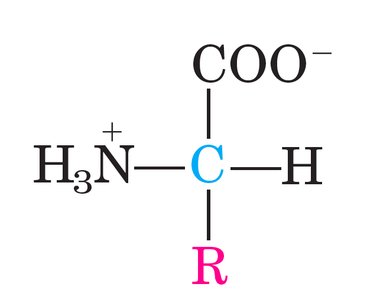
Amino acids are the fundamental building blocks of proteins. Each amino acid contains a central (α) carbon atom bonded to four different groups: an amino group (–NH3+), a carboxyl group (–COO−), a hydrogen atom, and a variable side chain (R group) that determines the amino acid's identity and properties.
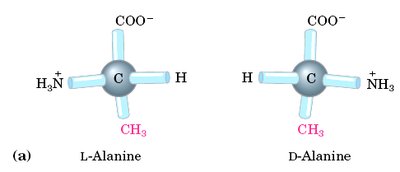
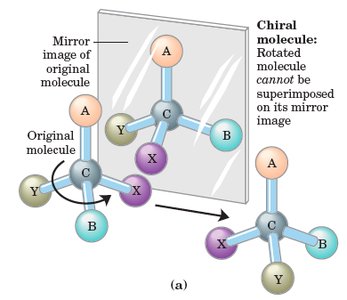
Chirality: With the exception of glycine, all amino acids are chiral and exist as L- or D-stereoisomers. Proteins in living organisms are composed almost exclusively of L-amino acids.
α-Carbon: The central carbon is a stereocenter, giving rise to optical activity.
Classification of Amino Acids
The 20 standard amino acids are classified based on the properties of their side chains (R groups):
Nonpolar, Aliphatic: Glycine, Alanine, Proline, Valine, Leucine, Isoleucine, Methionine
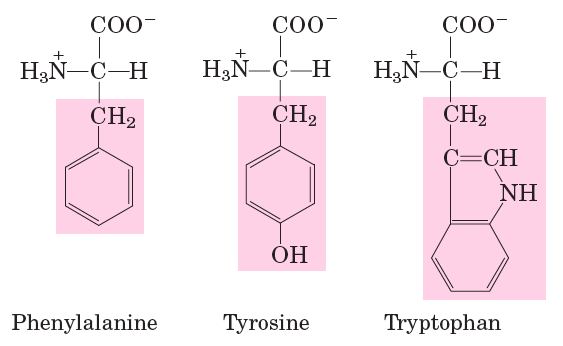
Aromatic: Phenylalanine, Tyrosine, Tryptophan
Polar, Uncharged: Serine, Threonine, Cysteine, Asparagine, Glutamine
Negatively Charged (Acidic): Aspartate, Glutamate
Positively Charged (Basic): Lysine, Arginine, Histidine



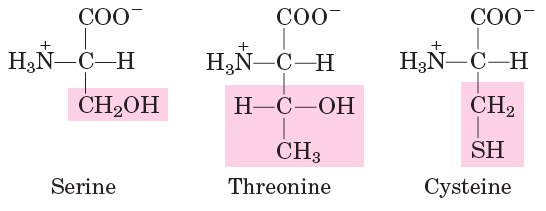
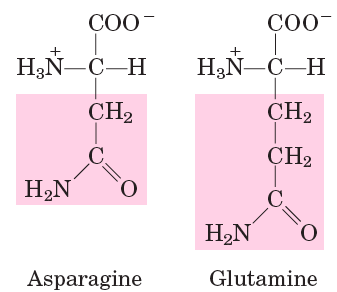
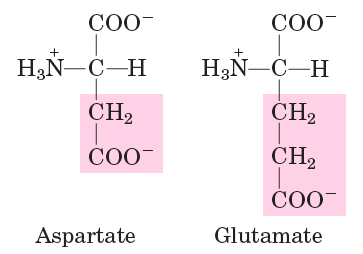
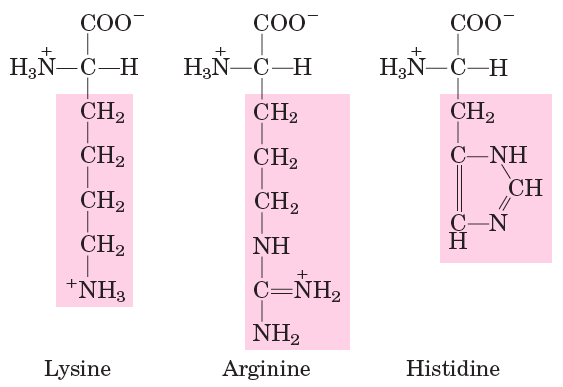
Properties of Amino Acid Side Chains
The chemical nature of the side chain determines the amino acid's hydrophobicity, charge, and reactivity, which in turn influence protein structure and function.
Hydrophobic (Nonpolar) Side Chains: Tend to cluster in the interior of proteins, stabilizing structure via hydrophobic interactions.
Aromatic Side Chains: Can participate in π-π stacking and absorb UV light (notably tryptophan and tyrosine).
Polar, Uncharged Side Chains: Often found on protein surfaces, forming hydrogen bonds with water or other residues.
Charged Side Chains: Play key roles in catalysis, substrate binding, and ionic interactions.
Special Amino Acids and Modifications
Some amino acids have unique properties or undergo post-translational modifications:
Cysteine: Can form disulfide bonds, stabilizing protein structure.
Proline: Its rigid ring structure introduces kinks in polypeptide chains, affecting secondary structure.
Phosphorylation: Serine, threonine, and tyrosine residues can be phosphorylated, regulating protein activity.
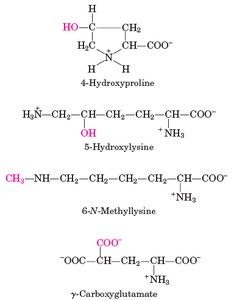
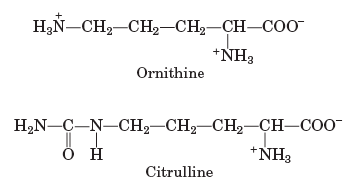
Uncommon Amino Acids: Hydroxyproline, hydroxylysine, and others are found in specialized proteins or as metabolic intermediates.

Peptides and Proteins
The Peptide Bond
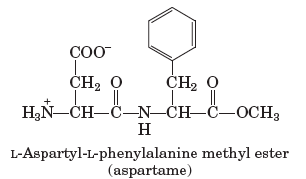
Amino acids are linked by peptide bonds, which are covalent bonds formed between the carboxyl group of one amino acid and the amino group of another, releasing water in a condensation reaction.
Planarity: The peptide bond is planar due to resonance, restricting rotation and influencing protein folding.
Directionality: Peptides have an amino (N-) terminus and a carboxyl (C-) terminus.
Levels of Protein Structure
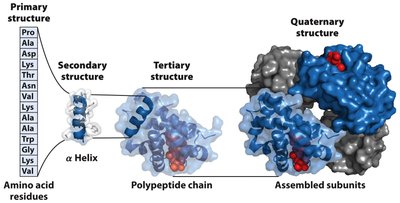
Proteins exhibit hierarchical levels of structure:
Primary Structure: Linear sequence of amino acids in a polypeptide chain.
Secondary Structure: Local folding patterns such as α-helices and β-sheets, stabilized by hydrogen bonds.
Tertiary Structure: Overall three-dimensional shape of a single polypeptide chain.
Quaternary Structure: Assembly of multiple polypeptide subunits into a functional protein complex.
Peptide Diversity and Biological Relevance
Peptides vary greatly in length and sequence, leading to immense diversity in protein structure and function. Sequence variations (polymorphisms) can affect protein function and are important in evolution, disease, and biotechnology.
Polymorphisms: 20–30% of human proteins are polymorphic, meaning they have sequence variants within the population.
Biological Implications: Polymorphisms can influence disease susceptibility, drug response, and metabolic traits.
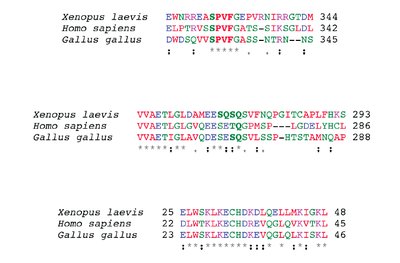
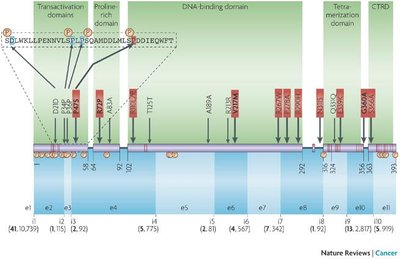
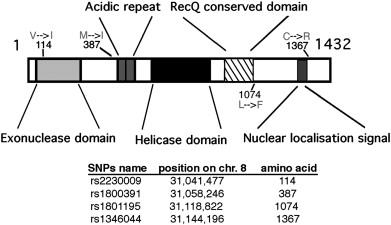
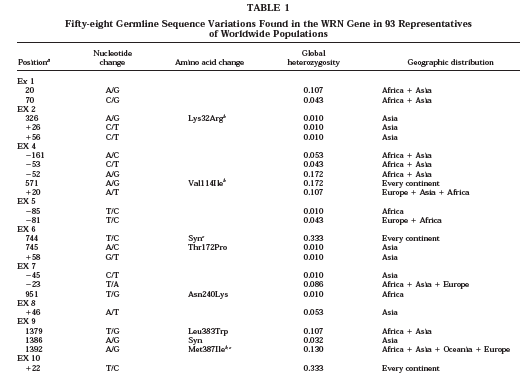
Table: Molecular Data on Some Proteins
The following table summarizes molecular weights, number of residues, and number of polypeptide chains for selected proteins:
Protein | Molecular Weight | Number of Residues | Number of Polypeptide Chains |
|---|---|---|---|
Cytochrome c (human) | 13,000 | 104 | 1 |
Ribonuclease A (bovine pancreas) | 13,700 | 124 | 1 |
Lysozyme (chicken egg white) | 13,930 | 129 | 1 |
Myoglobin (equine heart) | 16,890 | 153 | 1 |
Chymotrypsin (bovine pancreas) | 21,600 | 245 | 3 |
Chymotrypsinogen (bovine) | 22,000 | 245 | 1 |
Hemoglobin (human) | 64,500 | 574 | 4 |
Serum albumin (human) | 68,500 | 609 | 1 |
Hexokinase (yeast) | 102,000 | 972 | 2 |
RNA polymerase (E. coli) | 450,000 | 4,158 | 5 |
Apolipoprotein B (human) | 513,000 | 4,536 | 1 |
Glutamine synthetase (E. coli) | 619,000 | 5,628 | 12 |
Titin (human) | 2,993,000 | 26,926 | 1 |
Summary Table: Amino Acid Classification
Group | Amino Acids | Key Properties |
|---|---|---|
Nonpolar, Aliphatic | Gly, Ala, Pro, Val, Leu, Ile, Met | Hydrophobic, interior of proteins |
Aromatic | Phe, Tyr, Trp | Absorb UV, π-π interactions |
Polar, Uncharged | Ser, Thr, Cys, Asn, Gln | Hydrophilic, H-bonding |
Negatively Charged (Acidic) | Asp, Glu | Acidic, often active sites |
Positively Charged (Basic) | Lys, Arg, His | Basic, often active sites |
Key Equations
Peptide Bond Formation:
General Structure of an Amino Acid:
Applications and Examples
Protein Engineering: Understanding amino acid properties is essential for designing proteins with novel functions.
Medical Genetics: Amino acid polymorphisms can underlie genetic diseases and influence therapeutic responses.
Biotechnology: Peptides are used as drugs, diagnostics, and research tools.
