 뒤로
Biological Macromolecules: Structure, Function, and Building Blocks
스터디 가이드 - 스마트 노트
 자료에 맞춘 맞춤형 노트, 핵심 정의, 예시, 맥락을 확장해 제공합니다.
Biological Macromolecules
Biomolecule Building Blocks
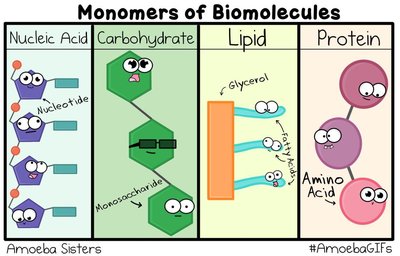
Biological macromolecules are essential for life and are constructed from smaller units called monomers. The four major classes are nucleic acids, carbohydrates, lipids, and proteins. Each class has unique monomers and functions:
Nucleic Acids: DNA and RNA are polymers of nucleotides, which store and transmit genetic information in all living organisms.
Carbohydrates: Made of sugar monomers (monosaccharides), carbohydrates serve as energy sources and structural components. Examples include glucose, starch, and cellulose.
Lipids: Non-polar molecules built from fatty acids and glycerol. Lipids function in energy storage, insulation, and cell membrane structure. Examples include saturated and unsaturated fatty acids, steroids, and phospholipids.
Proteins: Polymers of amino acids, proteins perform diverse functions such as catalysis (enzymes), structural support, signaling, and transport. Protein structure is organized into primary, secondary, tertiary, and quaternary levels.
Monomers and Polymers
A monomer is a single molecular unit, while a polymer is a chain of monomers linked together. The process of forming polymers from monomers is fundamental to biological macromolecules.
Monomer: Single unit (e.g., amino acid, nucleotide, monosaccharide, fatty acid).
Polymer: Multiple units combined (e.g., protein, nucleic acid, polysaccharide, triglyceride).
Dehydration Synthesis and Hydrolysis
Macromolecules are assembled and broken down through two key reactions:
Dehydration Synthesis: Monomers join via covalent bonds, releasing water as a byproduct. This forms polymers.
Hydrolysis: Polymers are broken into monomers by adding water, restoring the (+H) and (-OH) groups.
Carbohydrates
Types and Functions
Carbohydrates are classified based on the number of sugar units:
Monosaccharides: Simple sugars (e.g., glucose, fructose).
Disaccharides: Two monosaccharides joined (e.g., sucrose, lactose).
Polysaccharides: Long chains of monosaccharides (e.g., starch, glycogen, cellulose, chitin).
Pentose Sugars: Five-carbon sugars important in nucleic acids.
Carbohydrates provide energy, store energy, and support cell structure (e.g., cellulose in plant cell walls).
Lipids
Types and Functions
Lipids are diverse, non-polar molecules with several biological roles:
Fats and Oils: Made of glycerol and fatty acids; store energy and provide insulation.
Waxes: Protective coatings.
Phospholipids: Form cell membranes with hydrophilic heads and hydrophobic tails.
Steroids: Include hormones (e.g., estrogen, testosterone) and cholesterol, which support membrane structure and fluidity.
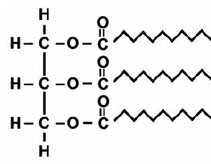
Saturated Fats: Single carbon bonds, solid at room temperature.
Unsaturated Fats: One or more double carbon bonds, liquid at room temperature due to kinks in the chain.
Proteins
Structure and Function
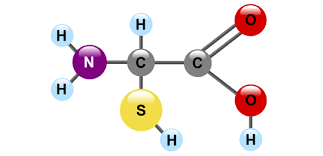
Proteins are polymers of amino acids, each with a central carbon, hydrogen, carboxyl group, amine group, and variable R group. Protein structure is hierarchical:
Primary: Linear sequence of amino acids (polypeptide).
Secondary: Folding into alpha helices or beta sheets.
Tertiary: 3D shape formed by various bonds.
Quaternary: Multiple polypeptides interacting.
Protein functions include support, defense, enzymes, hormones, transport, and motion.
Nucleic Acids
Structure and Function
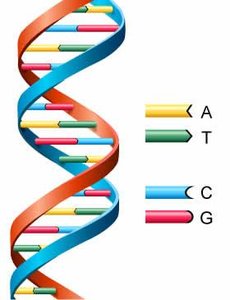
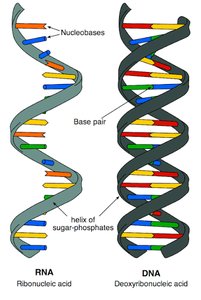
Nucleic acids (DNA and RNA) are polymers of nucleotides, each containing a sugar (deoxyribose or ribose), a phosphate group, and a nitrogenous base.
DNA: Double helix with base pairs: Adenine (A) pairs with Thymine (T) via 2 hydrogen bonds; Guanine (G) pairs with Cytosine (C) via 3 hydrogen bonds.
RNA: Single-stranded; uses Uracil (U) instead of Thymine.
Summary Table: Biomolecules
The following table summarizes the main biomolecules, their monomers, examples, functions, structures, and sources:
Biomolecule | Monomer | Examples | Function | Structure (Formula) | Sources |
|---|---|---|---|---|---|
Carbohydrate | Monosaccharide | Glucose, Lactose, Starch, Chitin, Cellulose | Energy production and storage; cell support | 1:2:1 ratio of C:H:O | Animal liver, plant stems, fruits, grains |
Lipid | Fatty Acid | Cholesterol, steroid hormone, phospholipid, triglyceride | Insulation, energy storage, growth, development | Chains of fatty acid and glycerol | Olives, salmon, butter |
Protein | Amino Acid | Insulin, hemoglobin, enzymes | Structural support, signaling, transport | Amine (N) group, carboxyl (COOH) group | Chicken, tuna, eggs |
Nucleic Acid | Nucleotide | DNA, RNA | Genetic information encoding | Double helix (DNA), single strand (RNA) | Raw foods, blood, bone material, cultured cells |
Key Formulas
Carbohydrate General Formula:
Peptide Bond Formation:
Triglyceride Formation:
Additional info: Pentose sugars are five-carbon sugars (e.g., ribose in RNA, deoxyribose in DNA) crucial for nucleic acid structure. Chitin is a structural polysaccharide found in fungal cell walls and arthropod exoskeletons.
