 뒤로
뒤로Cell Communication: Mechanisms and Significance in Biology
스터디 가이드 - 스마트 노트
 자료에 맞춘 맞춤형 노트, 핵심 정의, 예시, 맥락을 확장해 제공합니다.
Cell Communication
Introduction to Cell Signaling
Cell communication is a fundamental process that enables cells to detect and respond to signals from their environment and other cells. This process is essential for the coordination of activities in multicellular organisms, including development, immune responses, and homeostasis.
Evolution of Cell Signaling
Cell signaling mechanisms evolved early in the history of life, with evidence of signaling in prokaryotes and single-celled eukaryotes. These mechanisms were adapted for use in multicellular organisms.
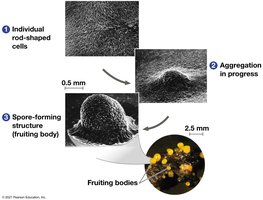
Quorum Sensing: Bacteria use signaling molecules to sense population density, leading to coordinated behaviors such as biofilm formation and toxin secretion.
Biofilm Formation: Aggregation of bacterial cells on surfaces, often regulated by quorum sensing.
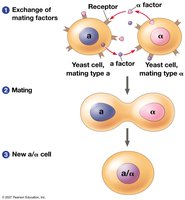
Yeast Mating: Saccharomyces cerevisiae uses secreted factors to locate and mate with cells of the opposite type, initiating a signal transduction pathway.
Local and Long-Distance Signaling
Cells communicate through direct contact or by releasing signaling molecules that act locally or at a distance.
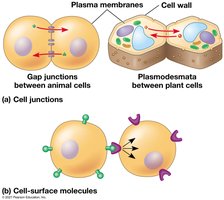
Direct Contact: Cell junctions (gap junctions in animals, plasmodesmata in plants) allow molecules to pass directly between cells.
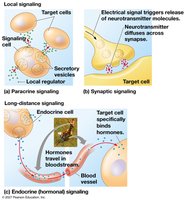
Paracrine Signaling: Local regulators, such as growth factors, affect nearby cells.
Synaptic Signaling: Neurotransmitters released in response to electrical signals affect target cells in the nervous system.
Hormonal (Endocrine) Signaling: Hormones travel through the bloodstream to distant target cells.
The Three Stages of Cell Signaling
Cell signaling typically involves three stages: reception, transduction, and response.
Reception: Detection of a signaling molecule by a receptor protein.
Transduction: Conversion of the signal into a form that can bring about a cellular response, often through a series of steps.
Response: Activation of a specific cellular activity.
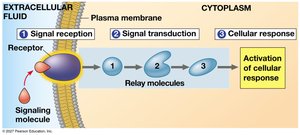
Signal Reception: Receptors and Ligands
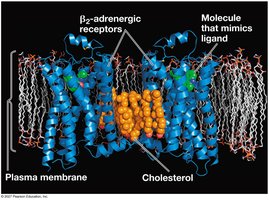
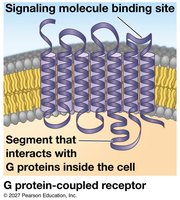
Signal reception occurs when a signaling molecule (ligand) binds to a receptor protein, causing a conformational change. Receptors can be located in the plasma membrane or inside the cell.
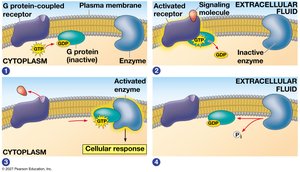
G Protein-Coupled Receptors (GPCRs): Largest family of cell-surface receptors, interact with G proteins to transmit signals.
Receptor Tyrosine Kinases (RTKs): Catalyze transfer of phosphate groups, can trigger multiple pathways.
Ligand-Gated Ion Channels: Act as gates for ions, opening or closing in response to ligand binding.
Intracellular Receptors: Located in cytoplasm or nucleus, activated by small or hydrophobic messengers (e.g., steroid hormones).
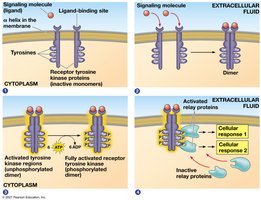
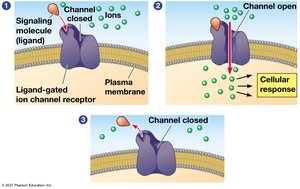
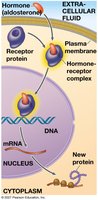
Signal Transduction: Cascades and Second Messengers
Signal transduction involves cascades of molecular interactions, often amplifying the signal and providing opportunities for regulation.
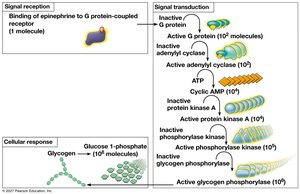
Phosphorylation Cascades: Protein kinases transfer phosphates from ATP to proteins, activating them. Protein phosphatases remove phosphates, deactivating proteins.
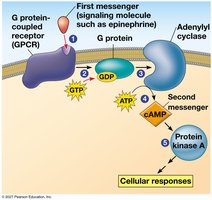
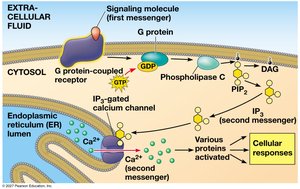
Second Messengers: Small, nonprotein molecules (e.g., cyclic AMP, calcium ions) that relay signals inside the cell.
Cyclic AMP (cAMP): Produced from ATP by adenylyl cyclase, activates protein kinase A.
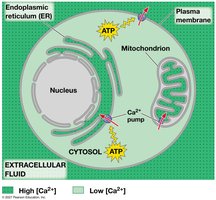
Calcium Ions and IP3: Calcium ions act as second messengers; IP3 and DAG are produced by cleavage of membrane phospholipids and help release calcium from intracellular stores.
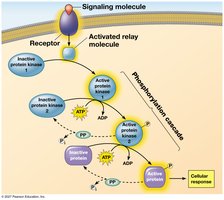

Cellular Response: Regulation of Transcription and Cytoplasmic Activities
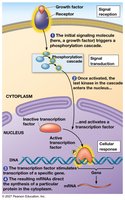
The final stage of cell signaling is the cellular response, which can involve changes in gene expression or the activity of proteins.
Nuclear Response: Activation of transcription factors, leading to gene expression changes.
Cytoplasmic Response: Regulation of protein activity, such as opening ion channels or altering metabolic enzyme activity.
Regulation of the Response
Cell signaling responses are regulated in several ways to ensure appropriate cellular outcomes.
Amplification: Enzyme cascades amplify the response.
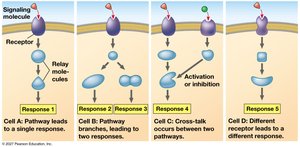
Specificity: Different cell types respond differently to the same signal due to unique protein collections.
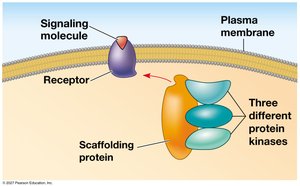
Efficiency: Scaffolding proteins organize relay proteins for efficient signaling.
Termination: Inactivation mechanisms ensure signals are not perpetuated unnecessarily.
Apoptosis: Programmed Cell Death
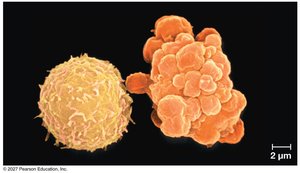
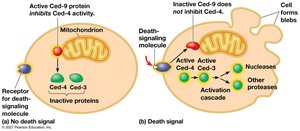
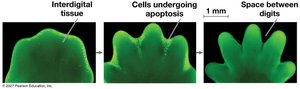
Apoptosis is a controlled process of cell death, essential for development and maintenance. It prevents damage to neighboring cells by packaging cellular components for digestion.
Mechanism: Triggered by internal or external signals, involving caspases (proteases) and nucleases.
Regulation: Proteins such as CED-9 in Caenorhabditis elegans act as regulators, with death signals inactivating these proteins to initiate apoptosis.
Biological Importance: Apoptosis shapes tissues during development and is implicated in diseases when dysregulated.
Summary Table: Types of Cell Signaling
Type | Distance | Example | Key Molecules |
|---|---|---|---|
Direct Contact | Local | Gap junctions, plasmodesmata | Cell junction proteins |
Paracrine | Local | Growth factors | Local regulators |
Synaptic | Local | Neurotransmitters | Neurotransmitter molecules |
Endocrine | Long-distance | Hormones | Hormone molecules |
Key Terms and Definitions
Ligand: A molecule that binds specifically to a receptor.
Receptor: Protein that detects a signaling molecule and initiates a response.
Second Messenger: Small molecules that relay signals inside the cell.
Protein Kinase: Enzyme that phosphorylates proteins.
Apoptosis: Programmed cell death.
Important Equations
Phosphorylation Reaction:
cAMP Formation:
Signal Amplification:
