 뒤로
Cell Cycle, Mitosis, Meiosis, and Cancer: Regulation and Errors
스터디 가이드 - 스마트 노트
 자료에 맞춘 맞춤형 노트, 핵심 정의, 예시, 맥락을 확장해 제공합니다.
The Cell Cycle and Cell Division
Overview of the Cell Cycle
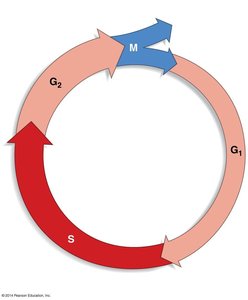
The cell cycle is the series of events that cells undergo to grow and divide. It consists of two main phases: Interphase (G1, S, G2) and M phase (mitosis and cytokinesis). Interphase is where cells grow, replicate DNA, and prepare for division, while M phase is where nuclear and cytoplasmic division occur.
G1 phase: Cell growth and organelle reproduction.
S phase: DNA synthesis and chromosome replication.
G2 phase: Final growth and preparation for mitosis.
M phase: Nuclear division (mitosis) and cytoplasmic division (cytokinesis).
Chromosome Structure and Replication
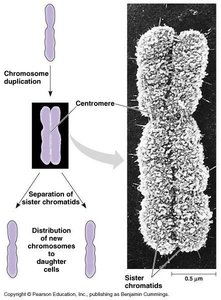
Chromosomes are tightly packed structures of DNA and proteins. During S phase, chromosomes are replicated, resulting in two sister chromatids joined at the centromere.
Chromatin: DNA-protein complex that condenses to form chromosomes.
Sister chromatids: Identical copies of a chromosome after replication.
Centromere: Region where sister chromatids are joined.
Mitosis: Process and Purpose
Stages of Mitosis
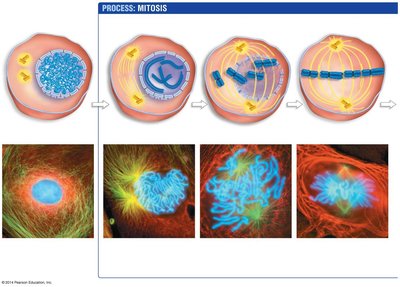
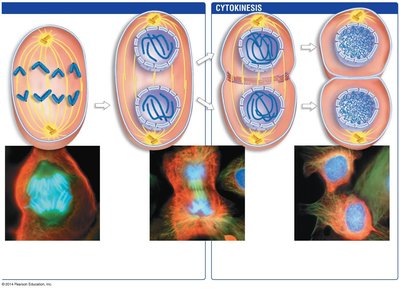
Mitosis is the process by which a cell divides its nucleus and distributes identical genetic material to two daughter cells. The stages include:
Prophase: Chromosomes condense, spindle apparatus forms.
Prometaphase: Nuclear envelope breaks down, microtubules attach to kinetochores.
Metaphase: Chromosomes align at the cell's equator.
Anaphase: Sister chromatids separate and move to opposite poles.
Telophase: Nuclear envelope reforms, chromosomes decondense.
Cytokinesis: Division of cytoplasm, forming two daughter cells.
Functions of Mitosis
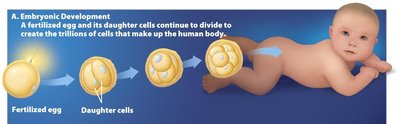
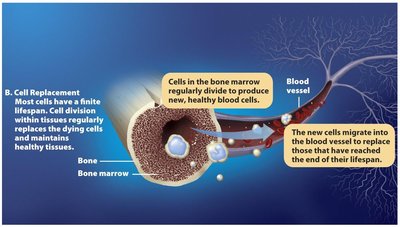
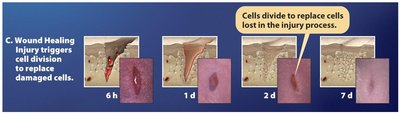
Mitosis is essential for growth, development, cell replacement, and wound healing in multicellular organisms.
Growth and development: Formation of new cells during embryonic development.
Cell replacement: Replacement of dying cells, especially in tissues like blood.
Wound healing: Repair of damaged tissues by cell division.
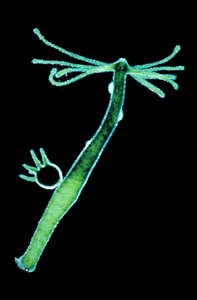
Asexual reproduction: Some organisms reproduce by mitosis (e.g., hydra).
Meiosis and Human Life Cycle
Meiosis and Ploidy
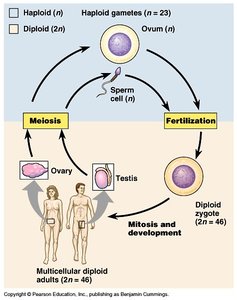
Meiosis is a specialized cell division that produces haploid gametes (egg and sperm) from diploid cells. Fertilization restores diploidy in the zygote.
Diploid (2n): Two copies of each chromosome.
Haploid (n): One copy of each chromosome, found in gametes.
Fertilization: Fusion of haploid gametes to form a diploid zygote.
Chromosome Errors: Non-disjunction
Non-disjunction in Mitosis and Meiosis
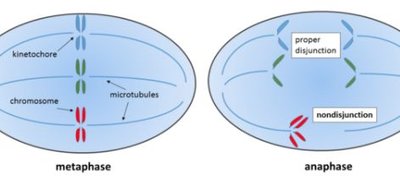
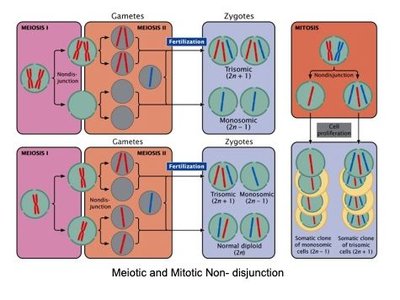
Non-disjunction is the failure of homologous chromosomes or sister chromatids to separate properly during cell division, leading to abnormal chromosome numbers.
Mitotic non-disjunction: Can result in somatic cells with abnormal chromosome numbers.
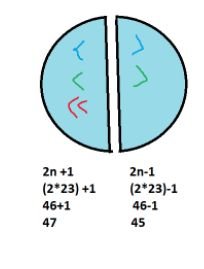
Meiotic non-disjunction: Leads to gametes with extra or missing chromosomes, causing conditions like trisomy (2n+1) or monosomy (2n-1).
Regulation of the Cell Cycle
Cell Cycle Checkpoints
The cell cycle is regulated by checkpoints that ensure proper division and prevent errors.
G1 checkpoint: Checks for cell size, nutrients, DNA damage.
G2 checkpoint: Ensures DNA replication is complete and undamaged.
M checkpoint: Verifies chromosome attachment to spindle and proper segregation.
Internal and External Controls
Internal controls: Cyclins, protein kinases, proto-oncogenes, tumor suppressors.
External controls: Growth factors, hormones, density-dependent inhibition, anchorage dependence.
Cancer: Cell Cycle Dysregulation
Causes and Types of Cancer
Cancer arises when mutations accumulate in cell cycle control genes, leading to uncontrolled cell division.
Tumor suppressor genes: Normally inhibit cell division (e.g., p53, BRCA1/2).
Proto-oncogenes: Promote cell division; when mutated, become oncogenes.
DNA repair genes: Fix DNA damage; mutations can lead to cancer.
Properties of Cancer Cells
Malignant tumors: Invasive, can metastasize (spread to other tissues).
Benign tumors: Non-invasive, do not spread.
Metastasis: Cancer cells detach and form secondary tumors.
Key Genes in Cancer
p53: Tumor suppressor; arrests cell cycle or initiates apoptosis if DNA is damaged.
BRCA1/2: Tumor suppressors involved in DNA repair.
Ras: Proto-oncogene; promotes cell division via signal transduction.
Cell Cycle Regulation and Cancer Prevention
Apoptosis and DNA Repair
Apoptosis: Programmed cell death prevents propagation of damaged cells.
DNA repair: Essential for maintaining genome integrity; failure leads to cancer.
External and Internal Controls
Anchorage dependence: Cells must be attached to a substrate to divide.
Density-dependent inhibition: Cells stop dividing when a monolayer is formed.
Cancer cells: Escape these controls, leading to uncontrolled growth.
Cancer Treatments and Prevention
Chemotherapy and Radiation
Chemotherapy: Uses drugs to interfere with cell division, targeting rapidly dividing cells.
Radiation therapy: Uses high-energy beams to damage DNA and trigger apoptosis.
Immunotherapy and Lifestyle Choices
Immunotherapy: Stimulates the immune system to target cancer cells specifically.
Healthy lifestyle: Avoiding mutagens and carcinogens, regular checkups, and a balanced diet can reduce cancer risk.
Summary Table: Cell Cycle and Cancer
Gene Type | Normal Function | Mutation Effect |
|---|---|---|
Proto-oncogene | Promotes cell division | Becomes oncogene, enhances division |
Tumor suppressor | Inhibits cell division | Loss of inhibition, uncontrolled division |
DNA repair gene | Repairs DNA damage | Failure to repair, increased mutations |
Key Equations
Ploidy calculation: (human diploid), (human haploid)
Non-disjunction: (trisomy), (monosomy)
Additional info:
Some explanations and context were inferred to ensure completeness and clarity for exam preparation.
