 뒤로
Cell Division: Meiosis, Mitosis, and Genetic Variation
스터디 가이드 - 스마트 노트
 자료에 맞춘 맞춤형 노트, 핵심 정의, 예시, 맥락을 확장해 제공합니다.
Meiosis and the Sexual Life Cycle
Overview of the Sexual Life Cycle
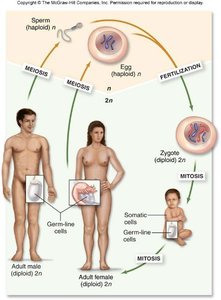
The sexual life cycle in humans and other organisms involves the alternation between diploid (2n) and haploid (n) stages. Meiosis, gamete formation, and fertilization are key processes that ensure genetic continuity and diversity across generations.
Meiosis: Reduces chromosome number from diploid to haploid, producing gametes (sperm and egg).
Fertilization: Fusion of haploid gametes restores the diploid chromosome number in the zygote.
Germ cells: Specialized cells in gonads (testes and ovaries) undergo meiosis to produce gametes.
Mitosis: Responsible for growth, repair, and development of the multicellular organism from the zygote.
Diploid vs. Haploid: Diploid cells have two sets of chromosomes (one maternal, one paternal); haploid cells have one set.
Mechanisms of Genetic Diversity in Meiosis
Crossing Over
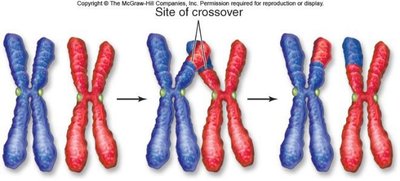
Crossing over is a process during Prophase I of meiosis where homologous chromosomes exchange genetic material. This results in recombinant chromosomes and increases genetic diversity among offspring.
Occurs during: Prophase I of meiosis.
Involves: Non-sister chromatids of homologous chromosome pairs.
Result: New combinations of alleles in gametes.
Independent Assortment
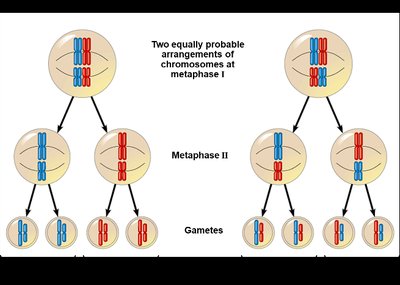
Independent assortment refers to the random orientation of homologous chromosome pairs during Metaphase I of meiosis. This process ensures that each gamete receives a unique mix of maternal and paternal chromosomes.
Occurs during: Metaphase I of meiosis.
Result: Each gamete has a different combination of chromosomes.
Example: With two chromosome pairs, four possible gamete combinations can result.
Random Fertilization
Random fertilization is the process by which any sperm can fuse with any egg, further increasing genetic variation in offspring.
Role: Multiplies the possible combinations of chromosomes in the zygote.
Example: If each gamete can produce ~8 million combinations, random fertilization results in over 64 trillion possible zygotes.
Stages of Meiosis
Meiosis I: Separation of Homologous Chromosomes
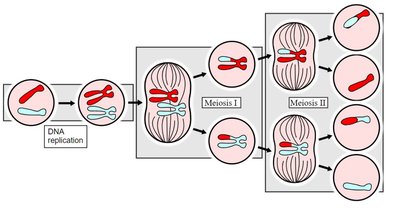
Meiosis I reduces the chromosome number by half and separates homologous chromosomes.
Prophase I: Chromosomes condense, homologous pairs undergo synapsis, crossing over occurs.
Metaphase I: Homologous pairs align at the metaphase plate.
Anaphase I: Homologous chromosomes separate to opposite poles.
Telophase I: Chromosomes reach poles, cell divides (cytokinesis).
Meiosis II: Separation of Sister Chromatids
Meiosis II is similar to mitosis, separating sister chromatids to produce four unique haploid cells.
Prophase II: Chromosomes condense, spindle forms.
Metaphase II: Chromosomes align at the metaphase plate.
Anaphase II: Sister chromatids separate.
Telophase II: Chromatids reach poles, cell divides (cytokinesis).
Chromosome Number and Nondisjunction
Nondisjunction and Its Consequences
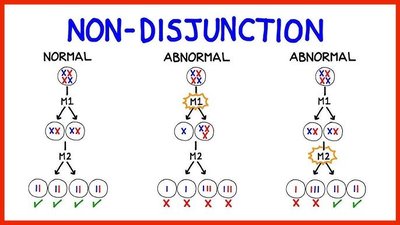
Nondisjunction is the failure of homologous chromosomes or sister chromatids to separate properly during meiosis, resulting in gametes with abnormal chromosome numbers.
Meiosis I: All gametes are abnormal if nondisjunction occurs.
Meiosis II: Half of the gametes are abnormal.
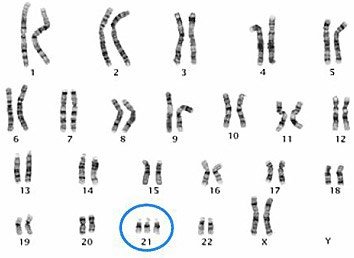
Result: Can lead to conditions such as Down Syndrome (Trisomy 21).
Comparing Mitosis and Meiosis
Key Differences
Mitosis and meiosis are both forms of cell division, but they serve different purposes and produce different outcomes.
Feature | Mitosis | Meiosis |
|---|---|---|
Cell Divisions | 1 | 2 |
Number of Daughter Cells | 2 | 4 |
Genetic Makeup | Identical | Unique |
Crossing Over | No | Yes |
Chromosome Number | Same as parent | Half of parent |
Function | Growth, repair | Sexual reproduction |
Cell Cycle and Regulation
Phases of the Cell Cycle
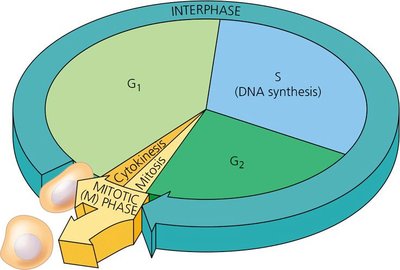
The cell cycle consists of interphase (G1, S, G2) and the mitotic phase (mitosis and cytokinesis). Interphase is the longest part, where cells grow and replicate DNA.
G1: Cell growth
S: DNA synthesis
G2: Preparation for mitosis
M: Mitosis and cytokinesis
Cell Cycle Checkpoints
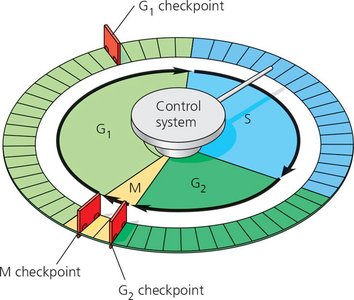
Checkpoints regulate the cell cycle, ensuring proper division and preventing errors. Key checkpoints include G1, G2, and M.
G1 Checkpoint: Checks for DNA damage and growth signals.
G2 Checkpoint: Ensures DNA replication is complete and accurate.
M Checkpoint: Verifies proper chromosome attachment to spindle fibers.
Cancer and Cell Cycle Regulation
Proto-Oncogenes and Tumor Suppressors
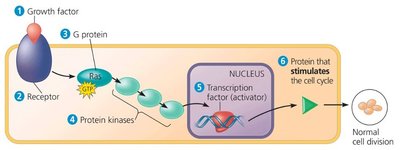
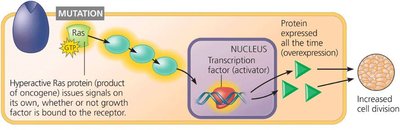
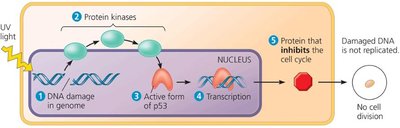
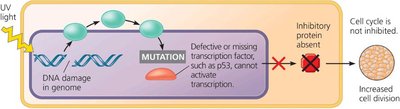
Cancer arises when cell cycle regulation fails. Proto-oncogenes promote cell division, while tumor suppressor genes inhibit it. Mutations in these genes can lead to uncontrolled cell growth.
Proto-oncogenes: Gain-of-function mutations can cause excessive cell division.
Tumor suppressors: Loss-of-function mutations in both copies are required for cancer development.
Example: Mutations in ras and p53 genes are common in cancer.
HER2 and Cancer Therapy
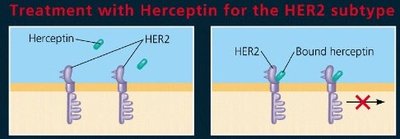
HER2 is a receptor involved in cell growth signaling. Overexpression can lead to breast cancer. Herceptin is a drug that blocks HER2, inhibiting cancer cell division.
HER2: Growth factor receptor; overactive in some breast cancers.
Herceptin: Binds to HER2 and blocks its activity, reducing cell division.

Key Vocabulary
Haploid (n): One set of chromosomes
Diploid (2n): Two sets of chromosomes
Gamete: Sex cell (sperm or egg)
Zygote: Fertilized egg
Germ Cell: Cell that gives rise to gametes
Chromosome: DNA molecule with genetic information
Homologous Chromosome: Chromosome pairs, one from each parent
Sister Chromatid: Identical copies of a chromosome
Non-sister Chromatid: Chromatids from homologous chromosomes
Synapsis: Pairing of homologous chromosomes
Tetrad/Bivalent: Structure formed by synapsed homologous chromosomes
Allele: Variant form of a gene
Crossing Over: Exchange of genetic material between homologous chromosomes
Independent Assortment: Random distribution of chromosomes
Genetic Diversity: Variation in genetic makeup
Mutation: Change in DNA sequence
Fertilization: Fusion of gametes
Nondisjunction: Failure of chromosome separation
Oncogene: Mutated gene promoting cancer
p53: Tumor suppressor gene
Ras: Proto-oncogene involved in cell signaling
