 뒤로
Chapter 29: Fungi – Structure, Function, and Ecological Roles
스터디 가이드 - 스마트 노트
 자료에 맞춘 맞춤형 노트, 핵심 정의, 예시, 맥락을 확장해 제공합니다.
Chapter 29: Fungi
General Characteristics of Fungi
Fungi are a diverse group of eukaryotic organisms that grow as single cells (yeasts) or as multicellular filaments (mycelia). They play essential roles in ecosystems, primarily as decomposers, mutualists, and pathogens. Fungi absorb nutrients from their environment, often from dead organic matter, making them the world's most important decomposers.
Eukaryotes: Fungi possess membrane-bound organelles and a true nucleus.
Growth Forms: Can be unicellular (yeasts) or multicellular (mycelia).
Absorptive Nutrition: Fungi secrete enzymes to break down complex molecules and absorb the resulting nutrients.
Mutualism: Many fungi form beneficial associations with plants and animals.
Fungi in Ecosystems
Mutualistic Relationships
Fungi often form mutualistic relationships with other organisms, benefiting both partners. These associations are crucial for plant health and ecosystem productivity.
Mycorrhizal Fungi: Colonize plant roots, providing water and nutrients (nitrogen, phosphorus) to the host plant.
Endophytic Fungi: Live inside plant tissues, sometimes producing compounds that deter herbivores.
Insect Associations: Some insects harbor fungi in their guts to aid digestion or cultivate fungal gardens for food.
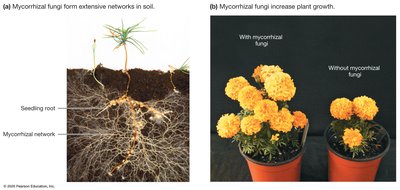
Fungi as Decomposers
Fungi are master recyclers in terrestrial ecosystems, breaking down dead plants and animals and releasing nutrients back into the environment. This recycling profoundly influences productivity and biodiversity.
Saprophytic Fungi: Digest dead organic material, accelerating the carbon cycle.
Role in Carbon Cycle: Connect carbon fixation by plants and carbon release via cellular respiration.
Economic and Ecological Impacts of Fungi
Positive Impacts
Fungi have significant economic and ecological benefits, including the production of antibiotics, food, and fermentation products.
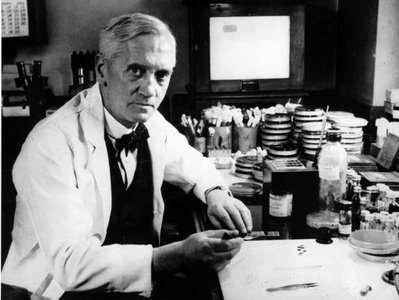
Antibiotics: Fungi are the source of many antibiotics, such as penicillin.
Food: Mushrooms, yeast, and fermented products (bread, cheese, soy sauce, beer, wine, chocolate).
Enzymes: Fungal enzymes improve food characteristics.
Negative Impacts
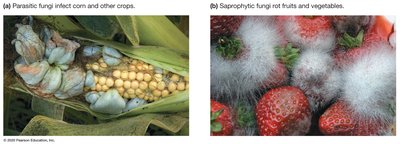
Fungi can cause diseases in humans and crop plants, affecting food security and health.
Pathogenic Fungi: Cause debilitating diseases in humans and plants.
Crop Loss: Parasitic fungi infect crops; saprophytic fungi rot fruits and vegetables.
Fungal Diversity and Morphology
Growth Forms
Fungi exhibit two main growth forms: single-celled yeasts and multicellular mycelia. Some species can switch between these forms.
Yeasts: Unicellular fungi.
Mycelia: Multicellular, filamentous networks composed of hyphae.
Hyphae and Mycelia
Hyphae are the long, branching filaments that make up the mycelium. They are divided by septa (cross-walls) with pores for material flow. Coenocytic fungi lack septa, resulting in multinucleate cells.
Septa: Cross-walls dividing hyphae into compartments.
Coenocytic Hyphae: Multinucleate cells without septa.
Surface Area: Mycelia have a high surface-area-to-volume ratio, making nutrient absorption efficient but increasing susceptibility to drying out.
Fungal Reproduction
Reproductive Structures
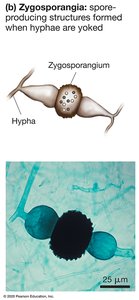
Fungi reproduce both sexually and asexually, using specialized structures. Four main types of reproductive structures are found in sexually reproducing fungi:
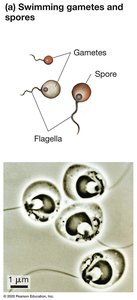
Swimming Gametes and Spores: Chytrids produce flagellated gametes and spores.
Zygosporangia: Zygomycetes form distinctive spore-producing structures from fused haploid hyphae.
Basidia: Basidiomycetes form club-shaped cells at hyphal ends, each producing four spores.
Asci: Ascomycetes form sac-like cells at hyphal ends, each producing eight spores.
Asexual Reproduction
Many fungi reproduce asexually by producing spores called conidia, which can be dispersed by wind or water and germinate into new hyphae.
Conidia: Asexual spores produced by fungi.
Fertilization and Mating Types
Fungal fertilization occurs in two steps: fusion of hyphae (plasmogamy) and fusion of nuclei (karyogamy). Some fungi have multiple mating types, increasing genetic diversity.
Plasmogamy: Fusion of cytoplasms from two hyphae.
Karyogamy: Fusion of nuclei to form a diploid zygote, followed by meiosis.
Heterokaryotic Mycelium: Contains genetically distinct, haploid nuclei.
Multiple Mating Types: Some species have thousands of mating types, functioning as sexes.
Fungi and Their Relationship to Other Organisms
Fungi Are Closely Related to Animals
Fungi share several key traits with animals, including the synthesis of chitin, flagellated cells, and storage of glucose as glycogen. This close relationship makes fungal infections in humans difficult to treat.
Chitin: Structural polysaccharide found in fungal cell walls and animal exoskeletons.
Flagella: Similar structure in chytrid spores and animal cells.
Glycogen: Storage form of glucose in both fungi and animals.
Symbioses and Diversification
Types of Symbiosis
Fungi participate in various symbiotic relationships, including mutualism, parasitism, and commensalism. Mycorrhizal fungi are classified as ectomycorrhizal (EMF) or arbuscular mycorrhizal (AMF), each with distinctive morphologies and functions.
Mutualism: Both partners benefit.
Parasitism: One partner benefits at the other's expense.
Commensalism: One partner benefits, the other is unaffected.
Ectomycorrhizal Fungi (EMF): Form dense networks around roots, provide amino acids and phosphate ions.
Arbuscular Mycorrhizal Fungi (AMF): Penetrate root cells, increase surface area for nutrient exchange.
Endophytes and Other Symbioses
Endophytic fungi live within plant tissues, often increasing drought tolerance or deterring herbivores. Lichens are mutualistic partnerships between fungi and photosynthetic organisms.
Endophytes: Fungi living inside plants, providing various benefits.
Lichens: Partnership between ascomycete fungi and cyanobacteria or algae.
Fungal Digestion and Biochemistry
Extracellular Digestion
Fungi digest their food outside their bodies by secreting enzymes. They are the primary decomposers of lignin and cellulose, the most abundant organic molecules on Earth.
Lignin Peroxidase: Enzyme that breaks down lignin.
Cellulases: Enzymes that convert cellulose into glucose.
Major Fungal Groups
Basidiomycota
Basidiomycota form mycelia and produce basidia where meiosis and spore formation occur. They are important decomposers and some form EMF associations with plants.
Basidia: Club-shaped cells producing four spores.
Wood Decomposition: Capable of synthesizing lignin peroxidase.
Ascomycota
Ascomycota form mycelia and produce spores in asci. Yeasts are part of this lineage, reproducing by budding. Many ascomycetes form lichens, EMF associations, or are saprophytic or parasitic.
Asci: Sac-like cells producing eight spores.
Lichens: Many ascomycetes form mutualistic partnerships with photosynthetic organisms.
Summary Table: Fungal Groups and Their Characteristics
Group | Reproductive Structure | Key Features | Ecological Role |
|---|---|---|---|
Chytrids | Flagellated gametes/spores | Motile cells | Decomposers, parasites |
Zygomycetes | Zygosporangia | Fusion of haploid hyphae | Decomposers, pathogens |
Basidiomycota | Basidia | Club-shaped cells, four spores | Wood decomposition, EMF |
Ascomycota | Asci | Sac-like cells, eight spores | Lichens, EMF, saprophytes, parasites |
Key Equations
Cellular Respiration (Carbon Cycle):
Photosynthesis (Carbon Fixation):
Summary
Fungi are eukaryotes, closer to animals than to plants. They play vital roles in ecosystems as decomposers, mutualists, and pathogens. Their biochemical abilities allow them to recycle nutrients, form symbiotic relationships, and diversify into numerous ecological niches. Fungi reproduce both sexually and asexually, with a variety of specialized structures. Understanding fungi is essential for appreciating their impact on biodiversity, productivity, and human society.
