 뒤로
Chapter 5: The Working Cell – Energy, Enzymes, and Membrane Function
스터디 가이드 - 스마트 노트
 자료에 맞춘 맞춤형 노트, 핵심 정의, 예시, 맥락을 확장해 제공합니다.
Some Basic Energy Concepts
Introduction to Energy
Energy is defined as the capacity to cause change. It is essential for performing work, such as moving objects against opposing forces. In biological systems, energy is required for all cellular processes and life activities.
Conservation of Energy
The law of conservation of energy states that energy cannot be created or destroyed, only converted from one form to another. Kinetic energy is the energy of motion, while potential energy is stored energy due to an object's position or structure. Life depends on countless energy conversions, such as those that power cellular processes.

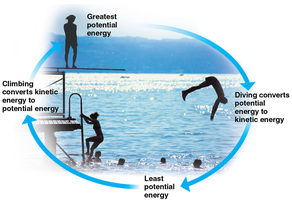


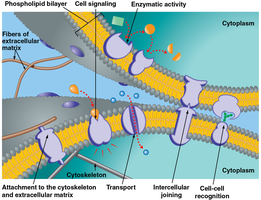
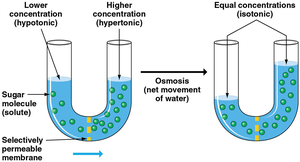
Energy Transformations in a Car and a Cell
Energy transformations occur in both living cells and machines. For example, a car engine converts chemical energy stored in fuel into kinetic energy, which is then used to perform work. This energy is stored in the form of adenosine triphosphate (ATP), which is the energy currency of the cell. This energy is then used to perform work, such as muscle contraction, and is stored in the form of potential energy.
Heat
Heat is a form of energy that is released when a fuel is burned, such as in the process of cellular respiration. This energy is stored in the form of adenosine triphosphate (ATP).
Energy Transformations in a Car and a Cell
Osmosis
Active Transport
Energy Transformations in a Car
Osmosis
Osmosis
Energy Transformations in a Car and a Cell
Energy Transformations in a Car and a Cell
