 뒤로
Chapter 5: The Working Cell – Membrane Structure, Function, and Cellular Energy
스터디 가이드 - 스마트 노트
 자료에 맞춘 맞춤형 노트, 핵심 정의, 예시, 맥락을 확장해 제공합니다.
Membrane Structure and Function
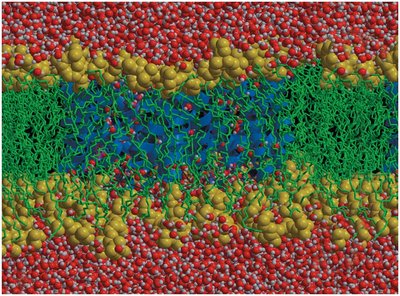
Fluid Mosaic Model of Cell Membranes
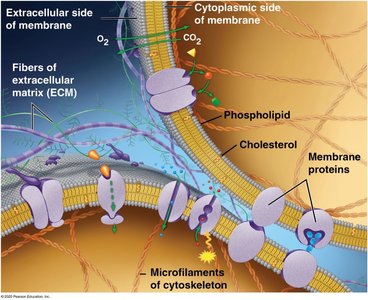
The fluid mosaic model describes the structure of cell membranes as a dynamic arrangement of diverse protein molecules embedded in a fluid phospholipid bilayer. This model explains how membranes are both flexible and selectively permeable, allowing cells to maintain homeostasis and interact with their environment.
Phospholipid bilayer: Composed of hydrophilic heads facing outward and hydrophobic tails facing inward, forming a semi-permeable barrier.
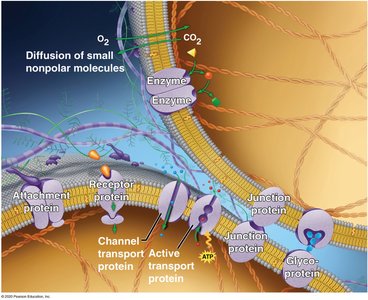
Membrane proteins: Serve various functions including transport, enzymatic activity, signal transduction, cell-cell recognition, and attachment to the cytoskeleton and extracellular matrix.
Cholesterol: Interspersed within the bilayer, modulates membrane fluidity and stability.
Functions of Membrane Proteins
Membrane proteins are essential for the diverse activities of cells. They are classified based on their functions:
Transport proteins: Facilitate the movement of substances across the membrane.
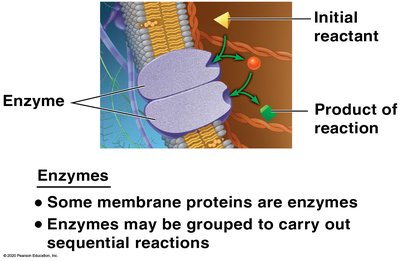
Enzymatic proteins: Catalyze specific reactions at the membrane surface.
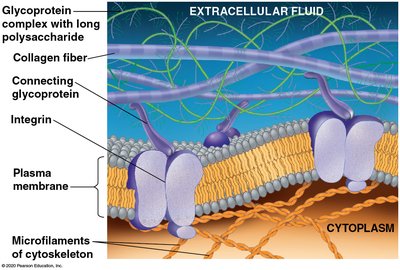
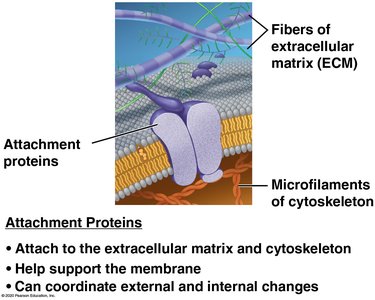
Attachment proteins: Anchor the membrane to the cytoskeleton and extracellular matrix, providing structural support.
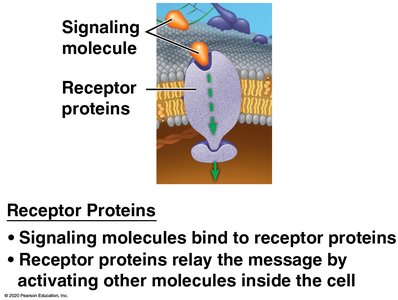
Receptor proteins: Receive and transmit signals from the environment to the cell's interior.
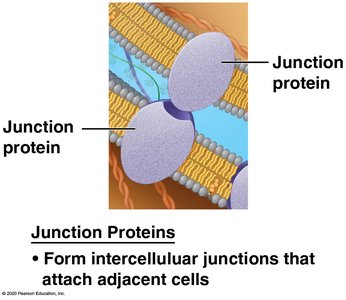
Junction proteins: Form intercellular connections between adjacent cells.
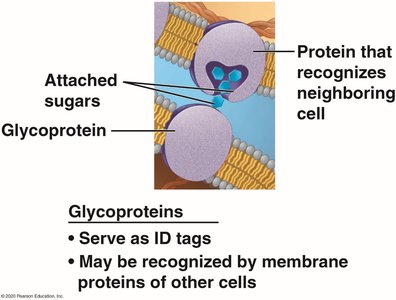
Glycoproteins: Serve as identification tags for cell recognition.
Types of Membrane Proteins
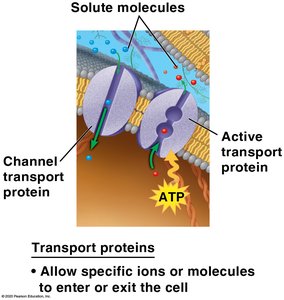
Channel and transport proteins: Allow specific ions or molecules to enter or exit the cell.
Enzymes: Some membrane proteins are enzymes, grouped to carry out sequential reactions.
Attachment proteins: Attach to the extracellular matrix and cytoskeleton, supporting the membrane and coordinating changes.
Receptor proteins: Bind signaling molecules and relay messages inside the cell.
Junction proteins: Form intercellular junctions that attach adjacent cells.
Glycoproteins: Serve as ID tags, recognized by other cells.
Transport Across Membranes
Passive Transport: Diffusion and Osmosis
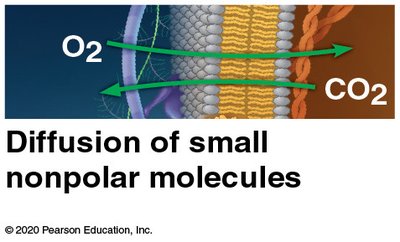
Diffusion is the movement of particles from an area of higher concentration to an area of lower concentration, driven by the concentration gradient. Passive transport does not require energy and includes simple diffusion and facilitated diffusion.
Osmosis: The diffusion of water across a selectively permeable membrane.
Tonicity: Describes the ability of a solution to cause a cell to gain or lose water (hypertonic, hypotonic, isotonic).
Facilitated diffusion: Polar or charged substances move across membranes with the help of transport proteins, without energy input.
Active Transport
Active transport requires energy (usually from ATP) to move solutes against their concentration gradient. This process is essential for maintaining cellular concentrations of ions and other substances.
Transport proteins: Use ATP to move substances across the membrane.
Bulk Transport: Exocytosis and Endocytosis
Cells use exocytosis to export large molecules and endocytosis to import them. Endocytosis includes phagocytosis (engulfment of particles) and receptor-mediated endocytosis (specific uptake of molecules).
Energy and the Cell
Types of Energy
Cells require energy to perform work. Energy exists in several forms:
Kinetic energy: Energy of motion.
Potential energy: Stored energy due to position or structure.
Chemical energy: Potential energy stored in chemical bonds.
Heat: Energy transferred due to temperature difference.
Laws of Thermodynamics
First law: Energy cannot be created or destroyed, only transformed.
Second law: Energy transformations increase disorder (entropy); some energy is lost as heat.
Exergonic and Endergonic Reactions
Exergonic reactions: Release energy (e.g., cellular respiration).
Endergonic reactions: Require energy input (e.g., photosynthesis).
Metabolism: The sum of all chemical reactions in a cell.
ATP: The Cell's Energy Shuttle
ATP (adenosine triphosphate) powers nearly all forms of cellular work by transferring a phosphate group to other molecules, coupling exergonic and endergonic reactions.
ATP hydrolysis:
How Enzymes Function
Enzyme Structure and Function
Enzymes are biological catalysts that speed up chemical reactions by lowering the activation energy required. They are not consumed in the reaction.
Active site: The region of the enzyme where the substrate binds.
Catalytic cycle: Substrate binds to the enzyme, reaction occurs, product is released, enzyme is ready for another cycle.
Enzyme Inhibition
Competitive inhibitors: Block substrate from entering the active site.
Noncompetitive inhibitors: Bind elsewhere on the enzyme, changing its shape and reducing activity.
Feedback inhibition: End product of a pathway inhibits an earlier enzyme, regulating metabolism.
Enzyme Inhibitors: Drugs, Pesticides, and Poisons
Many drugs, pesticides, and poisons act as enzyme inhibitors, affecting cellular processes. The reversibility of inhibition depends on the nature of the inhibitor and its binding to the enzyme.
Reaction Rate and Enzyme/Substrate Concentration
Table: Reaction Rate and Enzyme Concentration
This table demonstrates how increasing enzyme concentration increases the reaction rate when substrate concentration is constant.
Lactose concentration | Enzyme concentration | Reaction rate |
|---|---|---|
10% | 0% | 0 |
10% | 1% | 25 |
10% | 2% | 50 |
10% | 4% | 100 |
10% | 8% | 200 |
Table: Reaction Rate and Substrate Concentration
This table shows that increasing substrate concentration increases reaction rate up to a point, after which the rate plateaus due to enzyme saturation.
Lactose concentration | Enzyme concentration | Reaction rate |
|---|---|---|
0% | 2% | 0 |
5% | 2% | 25 |
10% | 2% | 50 |
20% | 2% | 65 |
30% | 2% | 65 |
