 뒤로
DNA Tools and Biotechnology: Techniques, Applications, and Ethical Considerations
스터디 가이드 - 스마트 노트
 자료에 맞춘 맞춤형 노트, 핵심 정의, 예시, 맥락을 확장해 제공합니다.
DNA Tools and Biotechnology
Introduction to DNA Technology and Biotechnology
Biotechnology involves the manipulation of organisms or their components to produce useful products. DNA technology refers to a set of modern laboratory techniques for studying and manipulating genetic material, including sequencing, cloning, and gene editing. These tools have revolutionized research, medicine, agriculture, and forensics.
Genetic engineering: Direct manipulation of genes for practical purposes.
Recombinant DNA: DNA molecules formed by combining DNA from different sources.
Cloning vector: DNA molecule that can carry foreign DNA into a host cell and replicate there.
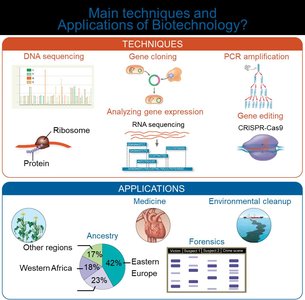
DNA Sequencing
Methods of DNA Sequencing
DNA sequencing determines the precise order of nucleotides in a DNA molecule. The first widely used method was Sanger sequencing (dideoxy chain termination), but newer, high-throughput methods have greatly increased speed and reduced cost.
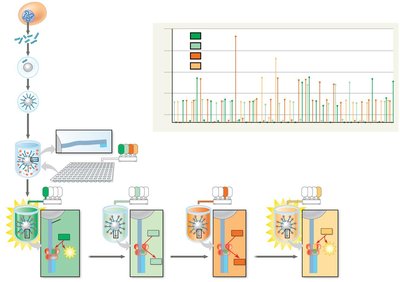
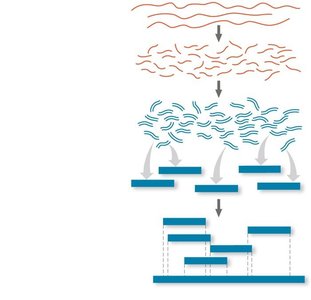
Sequencing by synthesis: DNA is fragmented, immobilized, and complementary strands are synthesized one nucleotide at a time. Each incorporated nucleotide releases a signal (e.g., light) that is detected and recorded.
Next-generation sequencing: Allows parallel sequencing of hundreds of thousands of fragments.
Third-generation sequencing: Techniques such as nanopore sequencing allow direct reading of long DNA molecules as they pass through a pore, with each base identified by its effect on an electric current.
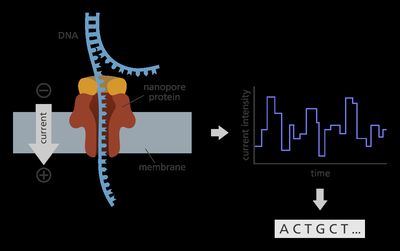
Example: The first human genome project took over a decade and cost over $1 billion; today, sequencing is much faster and cheaper.
DNA Cloning and Recombinant DNA Technology
Gene Cloning Using Plasmids
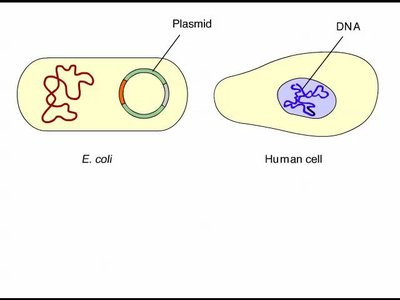
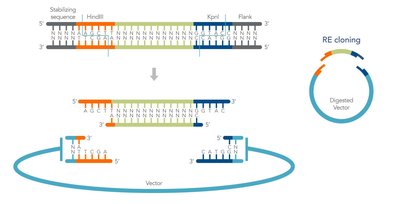
Gene cloning involves making multiple identical copies of a gene or DNA segment. Plasmids, small circular DNA molecules in bacteria, are commonly used as vectors to carry foreign DNA into host cells.
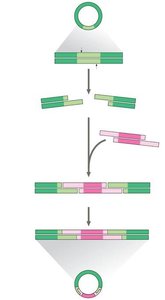
Foreign DNA is inserted into a plasmid, forming recombinant DNA.
The recombinant plasmid is introduced into a bacterial cell, which replicates the plasmid and the foreign gene.
This process allows for the amplification and expression of specific genes.
Restriction Enzymes and DNA Ligation
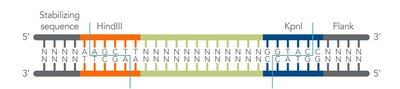
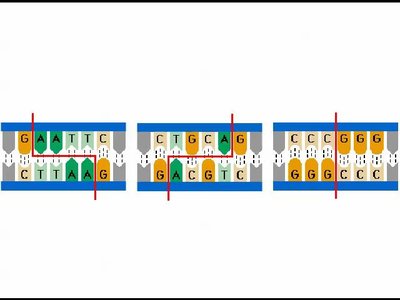
Restriction enzymes cut DNA at specific sequences called restriction sites, often producing 'sticky ends' that can base-pair with complementary sequences. DNA ligase seals the fragments together, forming recombinant DNA molecules.
Restriction fragments: Pieces of DNA generated by restriction enzyme digestion.
Sticky ends: Single-stranded overhangs that facilitate the joining of DNA fragments.
Gel Electrophoresis
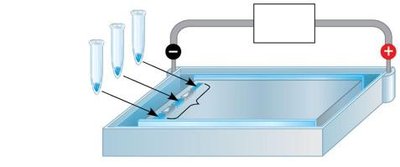
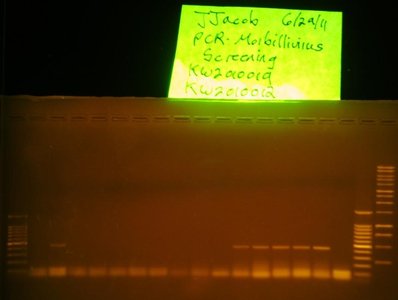
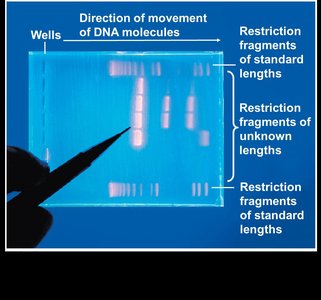
Gel electrophoresis separates DNA fragments based on size by applying an electric field to a gel matrix. Smaller fragments move faster and farther than larger ones, allowing visualization and analysis of DNA samples.
Used to check recombinant plasmids, analyze PCR products, and compare DNA samples.
Polymerase Chain Reaction (PCR)
PCR Technique and Applications
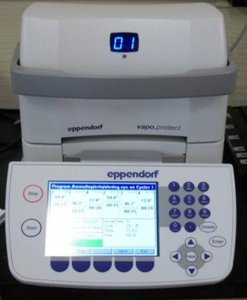
PCR is a method for amplifying specific DNA sequences using cycles of heating, cooling, and DNA synthesis. It requires primers, nucleotides, and a heat-stable DNA polymerase (e.g., Taq polymerase).
Denaturation: DNA strands are separated by heating.
Annealing: Primers bind to target sequences.
Extension: DNA polymerase synthesizes new DNA strands.
Each cycle doubles the amount of target DNA, leading to exponential amplification.
Gene Expression Analysis
Studying Gene Expression
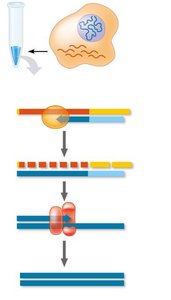
Gene expression can be studied by detecting mRNA transcripts. Techniques include nucleic acid hybridization with labeled probes, in situ hybridization, and reverse transcriptase PCR (RT-PCR).
RT-PCR: Converts mRNA to cDNA using reverse transcriptase, then amplifies cDNA by PCR.
Quantitative RT-PCR (qRT-PCR): Measures the amount of PCR product in real time using fluorescent dyes.
Microarrays and RNA Sequencing
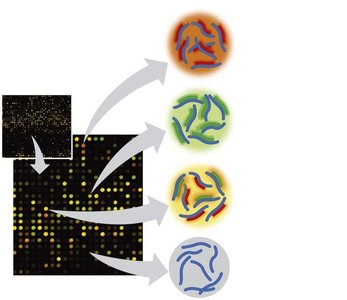
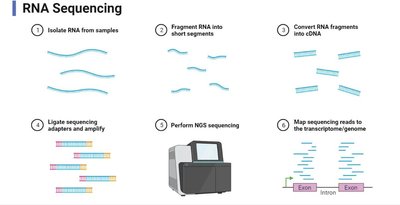
Microarrays and RNA-seq allow the analysis of expression patterns for thousands of genes simultaneously, providing a systems-level view of gene regulation.
Microarrays: Glass slides with fixed DNA probes used to detect gene expression in different tissues or conditions.
RNA-seq: Sequencing of cDNA derived from RNA to quantify gene expression levels.
Gene Editing and Functional Genomics
CRISPR-Cas9 System
CRISPR-Cas9 is a revolutionary gene-editing tool that uses a guide RNA to direct the Cas9 enzyme to a specific DNA sequence, where it introduces a double-strand break. The cell's repair mechanisms can introduce mutations or correct genes.
Used for gene knockouts, gene correction, and functional studies.
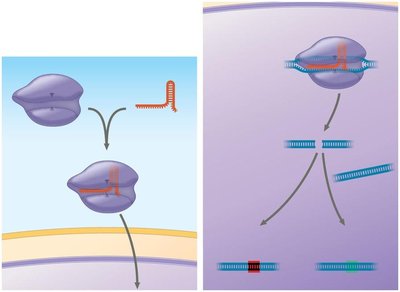
RNA Interference (RNAi)
RNAi uses double-stranded RNA molecules to silence gene expression by degrading mRNA or blocking its translation.
Genome-Wide Association Studies (GWAS) and SNPs
GWAS analyze genetic markers, such as single nucleotide polymorphisms (SNPs), across genomes to identify associations with diseases or traits.

Cloning and Stem Cells
Organismal Cloning and Nuclear Transplantation
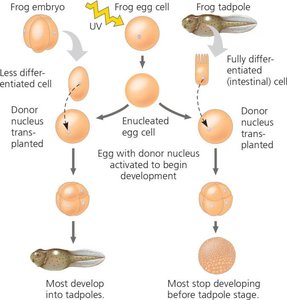
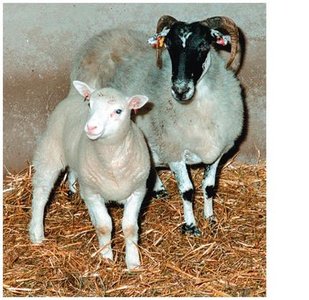
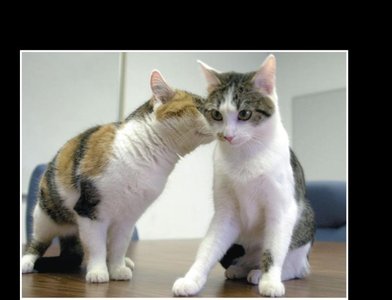
Organismal cloning produces genetically identical organisms. Nuclear transplantation replaces the nucleus of an egg cell with that from a differentiated cell, as demonstrated in the cloning of Dolly the sheep.
Totipotent cells: Can generate a complete organism.
Pluripotent cells: Can differentiate into many, but not all, cell types.
Stem Cells and Therapeutic Cloning
Stem cells are undifferentiated cells capable of self-renewal and differentiation. Embryonic stem (ES) cells are pluripotent, while adult stem cells are multipotent. Induced pluripotent stem (iPS) cells are reprogrammed differentiated cells with ES-like properties.
Applications of DNA Technology
Medical Applications
Diagnosis and treatment of genetic diseases using PCR, sequencing, and gene therapy.
Production of pharmaceuticals (e.g., insulin, growth hormone) in cell cultures.
Forensic Science
DNA profiling using short tandem repeats (STRs) for individual identification.
Environmental and Agricultural Applications
Genetically engineered microorganisms for environmental cleanup (bioremediation).
Transgenic plants and animals with improved traits (e.g., pest resistance, nutritional value).
Ethical and Safety Considerations
Biotechnology raises important ethical and safety questions, especially regarding genetically modified organisms (GMOs), gene therapy, and gene editing. Guidelines and regulations are in place to ensure responsible use, but ongoing debate continues about the risks and benefits.
Key Terms and Definitions
Biotechnology: Use of living organisms or their products for practical purposes.
Genetic engineering: Direct manipulation of genes for practical purposes.
Recombinant DNA: DNA formed by combining DNA from different sources.
Cloning vector: DNA molecule used to carry foreign DNA into a host cell.
Restriction fragments: DNA pieces generated by restriction enzyme digestion.
Expression vector: Cloning vector with a promoter for gene expression.
cDNA: Complementary DNA synthesized from mRNA.
Electroporation: Technique to introduce DNA into cells using an electrical pulse.
RT-PCR: Reverse transcriptase PCR, used to study gene expression.
Knock-outs: Organisms with specific genes disabled to study function.
SNPs: Single nucleotide polymorphisms, common genetic markers.
Stem cell: Undifferentiated cell capable of self-renewal and differentiation.
Totipotent: Cell capable of generating a complete organism.
Pluripotent: Cell capable of differentiating into many cell types.
STRs: Short tandem repeats, used in DNA profiling.
GMOs: Genetically modified organisms.
