 뒤로
Human Evolution and Primate Origins: A Study Guide
스터디 가이드 - 스마트 노트
 자료에 맞춘 맞춤형 노트, 핵심 정의, 예시, 맥락을 확장해 제공합니다.
Human Evolution
Introduction to Human Evolution
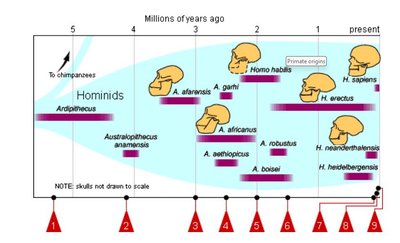
Human evolution is the gradual process by which modern humans developed from ancestral primates over approximately six million years. This evolutionary journey, primarily occurring in Africa, involved significant changes such as bipedalism (walking on two legs), increased brain size, tool use, and the development of language.
Definition: Human evolution refers to the biological and cultural development of Homo sapiens from ancestral primates.
Key Evidence: Fossil records, DNA analysis, archaeological findings, and comparisons with living primates.
Major Milestones: Bipedalism, brain expansion, tool-making, and language acquisition.
Primate Origins and Characteristics
Origins of Primates
Primates are an order of mammals that include lemurs, monkeys, apes, and humans. The earliest primate fossils date back to the Eocene (~55 million years ago), but the lineage likely emerged over 65 million years ago. Primates share a common ancestry with Scandentia (tree shrews) and Dermoptera (colugos).
General Primate Characteristics
Primates possess a suite of anatomical and behavioral traits that distinguish them from other mammals.
Bunodont molars: Rounded cusps on molars, suitable for an omnivorous diet.
Shorter rostrum/tooth row: Reduced snout length compared to other mammals.
Enlarged orbits: Large eye sockets, indicating reliance on vision.
Postorbital bar: Bony ring around the eye, providing structural support.
Enlarged brain: Higher brain-to-body size ratio.
Vision over smell: Greater reliance on visual cues than olfactory ones.
Brachiation: Arm-swinging locomotion, especially in some apes.
Flexible shoulders: Adapted for a wide range of movement.
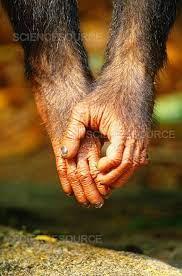
Grasping hands: Opposable thumbs and nails instead of claws.
Reproductive traits: Long gestation, small litters, late sexual maturity, and long lifespans.
Social complexity: Live in complex social groups.

Modern Primate Lineages
Suborder Strepsirrhini
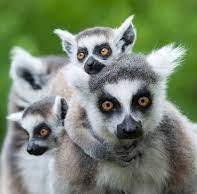
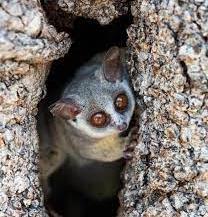
Strepsirrhines include lemurs, lorises, and galagos. They are characterized by a moist, naked rhinarium (nose), comma-shaped nostrils, and a strong reliance on smell.
Examples: Lemurs (Madagascar), lorises (Asia, Africa), bush babies (Africa).
Suborder Haplorhini
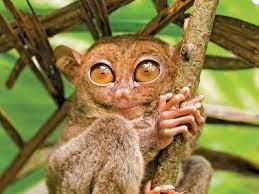
Haplorhines are 'dry-nosed' primates, including tarsiers, monkeys, and apes. They diverged from strepsirrhines about 65 million years ago and are characterized by a larger brain-to-body ratio, greater reliance on vision, and more complex social behaviors.
Upper lip: Not connected to nose or gum, allowing greater facial expression.
Vision: Primary sense, with color vision in many species.
Reproduction: Usually single or twin births, with prolonged maternal care.
Vitamin C: Lack the enzyme to synthesize vitamin C, requiring it in the diet.
Clade Platyrhini (New World Monkeys)
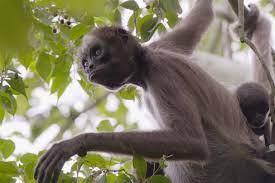
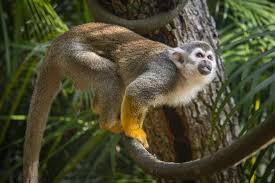
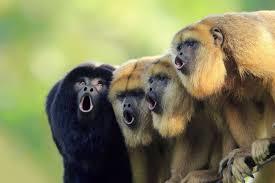
New World monkeys are found in Central and South America and include species such as marmosets, tamarins, capuchins, squirrel monkeys, titis, sakis, uakaris, howler, spider, and woolly monkeys.
Nostrils: Wide-set, outward-facing.
Prehensile tails: Some species have tails adapted for grasping.

Clade Catarrhini (Old World Monkeys and Apes)
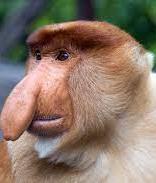
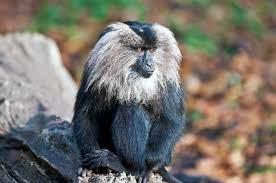
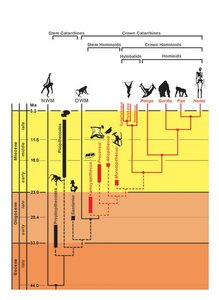
Catarrhines are 'hook-nosed' primates with downward-pointing nostrils. They diverged from New World monkeys about 38-40 million years ago and include Old World monkeys, lesser apes, and great apes.
Old World Monkeys (Family Cercopithecidae): Includes macaques, baboons, mandrills, and others.
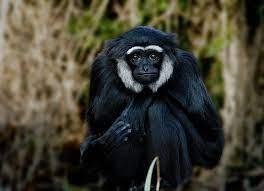
Lesser Apes (Family Hylobatidae): Gibbons, known for brachiation and long arms.
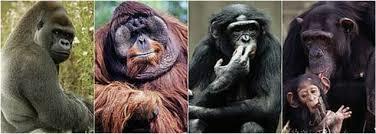
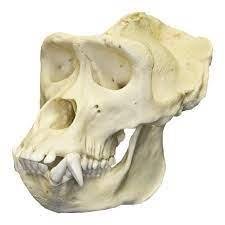
Great Apes (Family Hominidae): Orangutans, gorillas, chimpanzees, bonobos, and humans.
Origins of Humans
Hominoids and Hominins
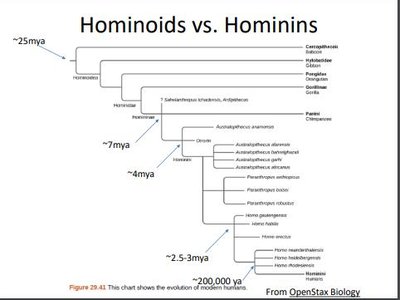
Hominoids are members of the superfamily Hominoidea, which includes all apes and humans. Hominins are a subset, referring specifically to humans and their direct ancestors after the split from the last common ancestor with chimpanzees.
Apes: Large-bodied, tailless primates that appeared around 25 million years ago.
Hominoids: All apes and humans.
Hominins: Modern humans and their extinct relatives since the split from chimpanzees (~7 million years ago).
Early Hominin Fossils
The earliest hominins include Sahelanthropus tchadensis, Orrorin tugenensis, and Ardipithecus, dating from about 7 million years ago. These species show a mix of ape-like and human-like features, such as bipedalism and changes in dental structure.
Australopithecus and Homo
Australopithecus species lived between 4 and 2 million years ago and are among the best-known early hominins. They were fully bipedal but retained some adaptations for climbing. The genus Homo emerged about 2.5 million years ago, with increased brain size and more advanced tool use.
Australopithecus: Small-brained, bipedal hominins.
Homo: Larger-brained, tool-using hominins, including Homo habilis, Homo erectus, and Homo sapiens.
Hominin Evolutionary Relationships
Phylogenetic trees and fossil evidence help clarify the relationships among hominoids and hominins, showing the branching patterns and timing of divergence events.
Summary Table: Major Primate Groups
Group | Key Features | Examples |
|---|---|---|
Strepsirrhini | Moist nose, strong sense of smell, nocturnal, grooming claw | Lemurs, lorises, bush babies |
Haplorhini | Dry nose, larger brain, vision-dominant, facial expressions | Tarsiers, monkeys, apes, humans |
Platyrhini (New World Monkeys) | Wide nostrils, prehensile tails (some), arboreal | Capuchins, howler monkeys, spider monkeys |
Catarrhini (Old World Monkeys & Apes) | Downward nostrils, no prehensile tail, larger body size | Baboons, macaques, gibbons, great apes, humans |
Key Terms
Bipedalism: Walking upright on two legs, a key adaptation in hominins.
Hominoid: Member of the superfamily Hominoidea (apes and humans).
Hominin: Member of the human lineage after the split from the last common ancestor with chimpanzees.
Bunodont: Having molar teeth with rounded cusps, typical of omnivores.
Brachiation: Arm-swinging locomotion used by some primates.
