 뒤로
뒤로Introduction to Seed Plants: Evolution, Structure, and Significance
스터디 가이드 - 스마트 노트
 자료에 맞춘 맞춤형 노트, 핵심 정의, 예시, 맥락을 확장해 제공합니다.
Introduction to Seed Plants
Overview
Seed plants represent a major evolutionary advancement in the plant kingdom, dominating most terrestrial ecosystems today. This section explores the evolution, structure, and significance of seed plants, as well as their distinguishing features compared to earlier plant groups.
Evolution of Seed Plants
Major Evolutionary Trends
Reduction of the Gametophyte: Over evolutionary time, the haploid gametophyte generation has become increasingly reduced, with the diploid sporophyte becoming the dominant life stage.
Independence from Water for Fertilization: Seed plants evolved mechanisms (such as pollen) that allow fertilization without the need for free-standing water.
Development of Seeds: Seeds provide protection and nourishment for the developing embryo, allowing plants to colonize a wider range of environments.
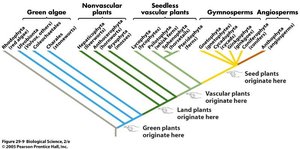
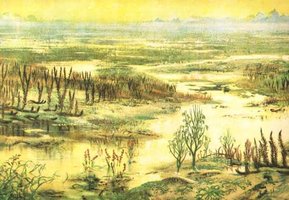
Timeline of Plant Evolution
Early bryophytes appeared around 475 million years ago (mya).
First vascular plants evolved around 420 mya.
Seed plants originated approximately 360 mya.
Recap: Major Plant Groups
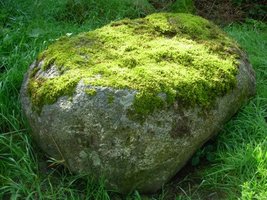
Bryophytes
Lack vascular tissue, seeds, and flowers.
No true roots, stems, or leaves; instead, they have leaf-like and stem-like structures for photosynthesis.
Anchored by rhizoids, which do not conduct water.
Require moist environments; water is absorbed over the entire plant surface.
Pteridophytes (Seedless Vascular Plants)
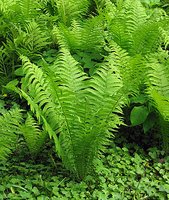
First plants to grow tall due to vascular tissues (xylem and phloem).
Lack seeds but possess true roots, stems, and leaves.
Mostly homosporous (produce one type of spore), with some exceptions (e.g., Selaginella).
Seed Plants: Key Innovations
Seed Structure and Function
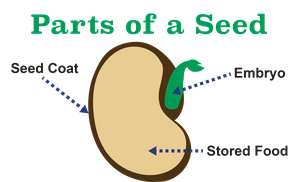
Seed: A multicellular structure containing an embryo, a food supply (endosperm), and a protective seed coat.
Seeds can remain dormant for extended periods, allowing survival through unfavorable conditions.
Seeds facilitate long-distance dispersal by wind, water, or animals.
Ovule Structure
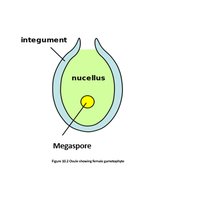
The ovule is the structure that develops into a seed after fertilization.
It consists of the integument (protective layer), nucellus (nutritive tissue), and megaspore (female gametophyte).
Difference Between Seeds and Ovules
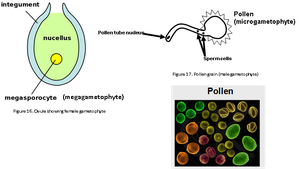
Ovule: Unfertilized structure containing the female gametophyte.
Seed: Fertilized ovule containing the embryo, food supply, and seed coat.
Pollen and Fertilization
Pollen grains: Microgametophytes (male gametophytes) that contain sperm cells.
Pollen is protected by a tough sporopollenin wall, allowing it to survive harsh conditions and be transported by wind or animals.
Fertilization in seed plants does not require water, as pollen delivers sperm directly to the ovule.
Spore Variations and Evolution of Seeds
Homospory vs. Heterospory
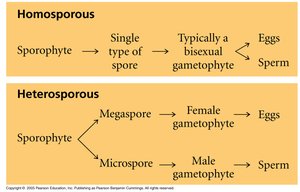
Homospory: Production of a single type of spore that typically develops into a bisexual gametophyte.
Heterospory: Production of two types of spores: megaspores (female) and microspores (male), leading to the evolution of seeds.
Endospory
Gametophytes develop within the walls of spores retained within tissues of the parent sporophyte, providing additional protection and nourishment.
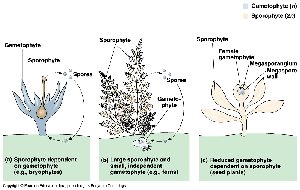
Common Traits of Seed Plants
Gymnosperms and Angiosperms
Both groups exhibit reduced gametophytes, heterospory, seeds derived from ovules, and pollen-based sperm delivery.
Gymnosperms: Produce naked seeds, usually in cones.
Angiosperms: Produce seeds enclosed within fruits (flowering plants).
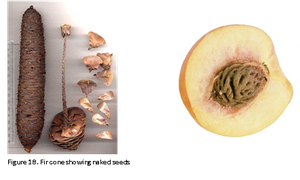
Secondary Growth
Definition and Importance
Secondary growth refers to the increase in thickness (girth) of plant stems and roots, primarily due to the activity of the vascular cambium and cork cambium.
This adaptation allows plants to grow taller and develop woody tissues, providing structural support and longevity.
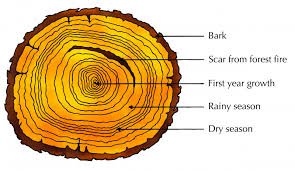
Summary Table: Key Differences Among Plant Groups
Group | Vascular Tissue | Seeds | Flowers | Dominant Generation |
|---|---|---|---|---|
Bryophytes | No | No | No | Gametophyte |
Pteridophytes | Yes | No | No | Sporophyte |
Gymnosperms | Yes | Yes (naked) | No | Sporophyte |
Angiosperms | Yes | Yes (enclosed) | Yes | Sporophyte |
Conclusion
Seed plants have revolutionized terrestrial life by providing enhanced protection, nourishment, and dispersal mechanisms for the next generation. Their evolutionary innovations—such as seeds, pollen, and secondary growth—have enabled them to become the dominant producers in most ecosystems.
