 뒤로
Meiosis and Sexual Life Cycles: Study Notes for BIO-101
스터디 가이드 - 스마트 노트
 자료에 맞춘 맞춤형 노트, 핵심 정의, 예시, 맥락을 확장해 제공합니다.
Meiosis and Sexual Life Cycles
Overview of Sexual Life Cycles
The sexual lifecycle in eukaryotes involves three main processes: fertilization, mitosis, and meiosis. These processes ensure genetic diversity and the continuity of species.
Fertilization: Fusion of haploid gametes (egg and sperm) to form a diploid zygote.
Mitosis: Cell division that maintains chromosome number, used for growth and repair.
Meiosis: Specialized cell division that reduces chromosome number by half, producing haploid gametes.
Haploid (n) vs. Diploid (2n) Cells
Chromosome number is a key concept in genetics and cell biology. Organisms alternate between haploid and diploid stages in their life cycles.
Haploid (n): Cells with one set of chromosomes (23 in humans). Produced by meiosis.
Diploid (2n): Cells with two sets of chromosomes (46 in humans). Produced by mitosis and fertilization.
Homologous Chromosomes
Homologous chromosomes are pairs of chromosomes in diploid cells, one inherited from each parent. They carry genes for the same traits at corresponding loci.
Humans: 23 types of chromosomes; body cells have two of each type.
Homologs: Similar in size, shape, and banding patterns, representing the same genetic information.
Describing Chromosomes
Chromosomes can be described by their ploidy (n vs 2n), origin (maternal vs paternal), and relationship (sister vs non-sister chromatids).
Sister chromatids: Identical copies formed by DNA replication.
Non-sister chromatids: Chromatids from homologous chromosomes, not identical.
Mitosis vs. Meiosis
Mitosis and meiosis are two distinct types of cell division with different purposes and outcomes.
Mitosis: Produces two genetically identical diploid cells; used for growth and repair.
Meiosis: Produces four genetically unique haploid cells; used for sexual reproduction.
Stages of Meiosis
Meiosis consists of two sequential divisions: Meiosis I and Meiosis II. Each division has specific phases.
Meiosis I: Homologous chromosomes separate, reducing chromosome number.
Meiosis II: Sister chromatids separate, similar to mitosis.
Genetic Variation in Sexual Life Cycles
Genetic variation is essential for evolution and species survival. Three main sources contribute to variation during sexual reproduction:
Crossing Over: Exchange of genetic material between non-sister chromatids during synapsis, forming unique chromatids.
Independent Assortment: Random alignment of tetrads at metaphase I, leading to numerous possible combinations.
Random Fertilization: Any sperm can fertilize any egg, resulting in vast genetic diversity.
Example: Antibiotic Resistance in Bacteria
Genetic variation increases the chances of survival for a species. For example, new gene combinations can lead to antibiotic resistance in bacteria.
Crossing Over
Crossing over occurs during prophase I of meiosis, creating new gene combinations and increasing genetic diversity.
Synapsis: Homologous chromosomes pair up, forming a tetrad.
Chiasma: Site where chromatids break and rejoin, exchanging genetic material.
Result: Four unique chromatids per tetrad.
Independent Assortment
Independent assortment refers to the random arrangement of homologous chromosome pairs during metaphase I.
For 2n = 4: 4 possible combinations.
For 2n = 46 (humans): Over 8 million possible combinations.
Fertilization
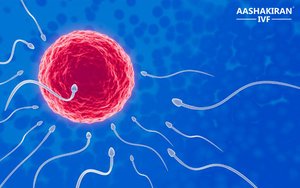
Fertilization is the fusion of two haploid gametes, resulting in a diploid zygote. The combination of unique gametes from each parent leads to immense genetic diversity.
Over 70 trillion zygote possibilities: Considering independent assortment alone.
Summary Table: Comparison of Mitosis and Meiosis
Feature | Mitosis | Meiosis |
|---|---|---|
Number of divisions | 1 | 2 |
Number of daughter cells | 2 | 4 |
Chromosome number in daughter cells | 2n (diploid) | n (haploid) |
Genetic identity | Identical | Unique |
Function | Growth, repair | Sexual reproduction |
Key Equations
Number of possible gamete combinations due to independent assortment:
Where n is the haploid number of chromosomes.
Activity: Modeling Meiosis
Students are encouraged to model meiosis using 3D chromosomes, sketch each stage, and analyze the process to reinforce understanding.
Additional Info
Dr. Scott Keeney is a researcher specializing in recombination during meiosis, particularly the function of the protein Spo11, which initiates double strand breaks in DNA.
Meiosis is fundamental to inheritance and genetic diversity, connecting molecular mechanisms to evolutionary outcomes.
