 뒤로
Meiosis: Mechanisms, Phases, and Biological Significance
스터디 가이드 - 스마트 노트
 자료에 맞춘 맞춤형 노트, 핵심 정의, 예시, 맥락을 확장해 제공합니다.
Meiosis
Overview and Biological Significance
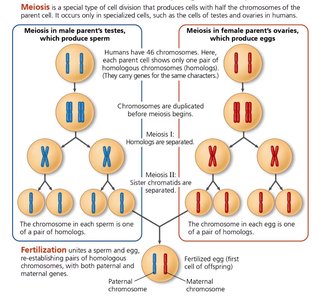
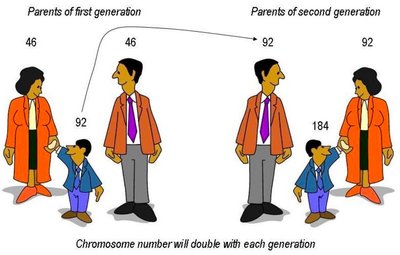
Meiosis is a specialized type of cell division that reduces the chromosome number by half, producing genetically unique haploid cells (gametes) for sexual reproduction. This process increases genetic variation and maintains ploidy across generations, preventing chromosome number from doubling with each generation.
Purpose: To generate gametes (sperm and egg) with half the genetic material of the parent cell.
Genetic Variation: Achieved through crossing over and independent assortment.
Ploidy Maintenance: Meiosis ensures that the chromosome number remains constant in a population.
Chromosome Structure and Key Terms
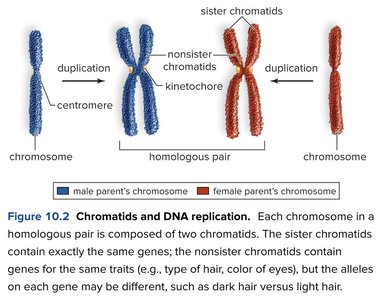
Understanding chromosome structure is essential for distinguishing between homologous chromosomes and sister chromatids, as well as for tracking genetic information during meiosis.
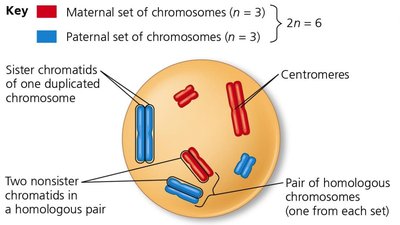
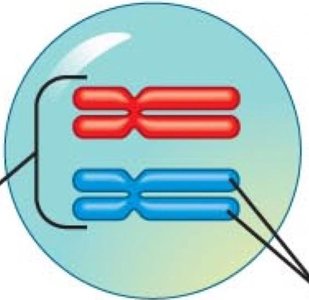
Homologous Chromosomes: Chromosomes of the same size and shape, carrying the same genes but possibly different alleles.
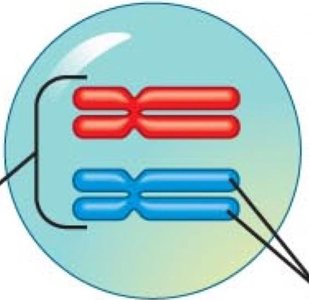
Sister Chromatids: Identical copies of a chromosome, joined at the centromere, formed after DNA replication.
Ploidy: The number of sets of chromosomes in a cell. Haploid (n) cells have one set; diploid (2n) cells have two sets.

Phases of Meiosis
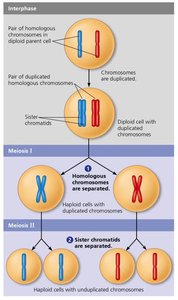
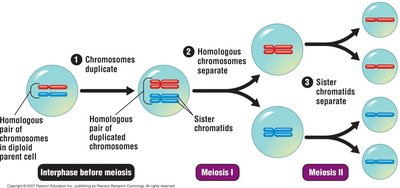
Meiosis consists of two sequential divisions: Meiosis I and Meiosis II. Each division has distinct phases, and only one round of DNA replication occurs before the first division.
Meiosis I: Reductional Division
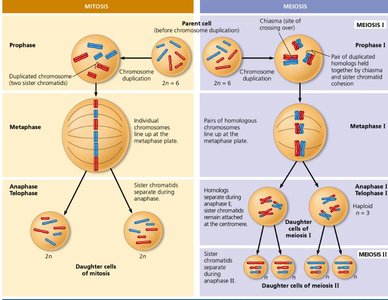
Prophase I: Chromosomes condense, homologs pair up, and crossing over (homologous recombination) occurs. The nuclear envelope breaks down.
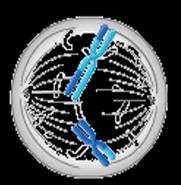
Metaphase I: Homologous pairs (tetrads) align at the cell center, oriented randomly. This random orientation is a major difference from mitosis.
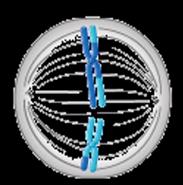
Anaphase I: Homologous chromosomes separate, but sister chromatids remain together.
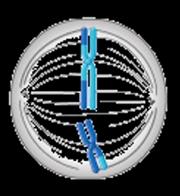
Telophase I and Cytokinesis: Two haploid daughter cells are formed.
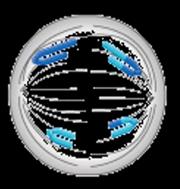
Meiosis II: Equational Division
Prophase II: Chromosomes condense in each haploid cell.

Metaphase II: Chromosomes align at the center of each cell.

Anaphase II: Sister chromatids separate and move to opposite poles.
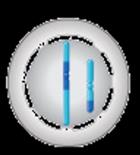
Telophase II and Cytokinesis: Four genetically unique haploid cells are produced.

Comparison: Mitosis vs. Meiosis
Mitosis and meiosis are both forms of cell division, but they differ in their outcomes and biological roles.
Mitosis: Produces two genetically identical diploid cells for growth and repair. Maintains ploidy of an individual.
Meiosis: Produces four genetically unique haploid cells for sexual reproduction. Maintains ploidy of a population.
Key Differences: Homologs pair and cross over only in meiosis (Prophase I); homologous chromosomes separate in Meiosis I, sister chromatids separate in Meiosis II and mitosis.
Genetic Variation: Crossing Over and Independent Assortment
Meiosis increases genetic diversity through two main mechanisms:
Crossing Over: Exchange of genetic material between homologous chromosomes during Prophase I.
Independent Assortment: Random orientation of homologous pairs during Metaphase I.
Ploidy and Chromosome Number
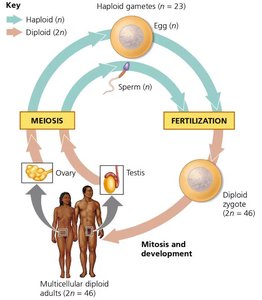
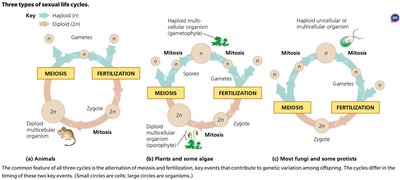
Ploidy refers to the number of sets of chromosomes in a cell. Meiosis reduces ploidy from diploid (2n) to haploid (n), ensuring that fertilization restores diploid status in offspring.
Haploid (n): One set of chromosomes.
Diploid (2n): Two sets of chromosomes.
Formula:
Errors in Meiosis: Aneuploidy
Errors during meiosis can lead to aneuploidy, where gametes have abnormal chromosome numbers. This can result in birth defects, miscarriages, or syndromes such as Down syndrome (trisomy 21).
Nondisjunction: Failure of homologous chromosomes (Meiosis I) or sister chromatids (Meiosis II) to separate properly.
Consequences: Gametes may have an extra or missing chromosome, leading to zygotes with abnormal ploidy.
Checklist for Studying Meiosis
Differentiate sister chromatids and homologous chromosomes.
Understand haploid (n) and diploid (2n) concepts.
Know where meiosis and mitosis occur and their products.
Explain the importance and advantages of meiosis.
Describe the phases of Meiosis I and II.
Compare mitosis and meiosis.
Define aneuploidy and its consequences.
Summary Table: Comparison of Mitosis and Meiosis
Feature | Mitosis | Meiosis |
|---|---|---|
Number of Divisions | 1 | 2 |
Number of Daughter Cells | 2 | 4 |
Ploidy of Daughter Cells | Diploid (2n) | Haploid (n) |
Genetic Identity | Identical | Unique |
Role | Growth, repair | Sexual reproduction |
Crossing Over | No | Yes (Prophase I) |
Additional info:
Meiosis is essential for maintaining genetic stability and diversity in sexually reproducing populations.
Errors in meiosis are a major cause of genetic disorders and reproductive issues.
