 뒤로
뒤로Metabolism, Biological Molecules, and Disorders: Study Notes for General Biology
스터디 가이드 - 스마트 노트
 자료에 맞춘 맞춤형 노트, 핵심 정의, 예시, 맥락을 확장해 제공합니다.
Metabolism and Disorders
Course Overview and Objectives
This section introduces the study of metabolism and its disorders, focusing on the molecules essential for life, the characteristics of living organisms, and methods for studying metabolic processes and related disorders.
Metabolism refers to the sum total of all chemical reactions occurring within an organism.
Understanding metabolism is crucial for evaluating scientific literature and diagnosing metabolic disorders.
The Characteristics of Life
Properties Shared by All Living Things
Biologists define life based on a series of properties that all living organisms display. An object is considered alive only if it exhibits all these properties:
Order: Living things have a complex, well-ordered structure.
Energy and Matter Processing: Organisms take in energy, convert it to useful forms, and expel waste.
Reproduction: All organisms reproduce their own kind.
Growth and Development: Genetic information controls the pattern of growth.
Response to the Environment: Organisms respond to environmental changes.
Evolutionary Adaptations: Traits evolve over generations, enhancing survival and reproduction.
Movement: Many organisms exhibit movement, either internally or externally.
Metabolism: All living things carry out metabolic reactions.
Homeostasis: Maintenance of stable internal conditions.






Are Viruses Alive?
Viruses possess some but not all properties of life. They are highly ordered and can evolve, but cannot reproduce independently. Most biologists consider viruses to exist in a state between living and nonliving.
Viruses require a host cell to replicate.
They are active agents of evolution, often exchanging genetic material with their hosts.
The Chemistry of Life
Biological Molecules Important for Life
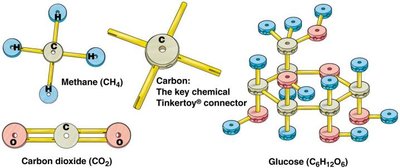
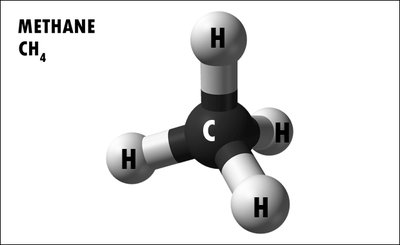
Life is based on a common set of biological molecules, primarily composed of carbon, which can form four bonds with other elements, allowing for diverse molecular structures.
Carbon is the key element in organic molecules.
Examples include methane (CH4), carbon dioxide (CO2), and glucose (C6H12O6).
The Properties of Water
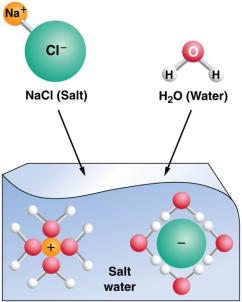
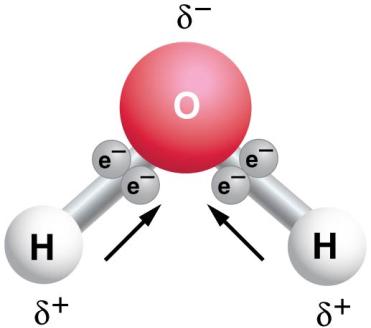
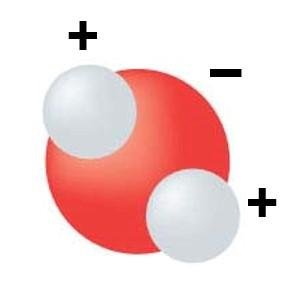
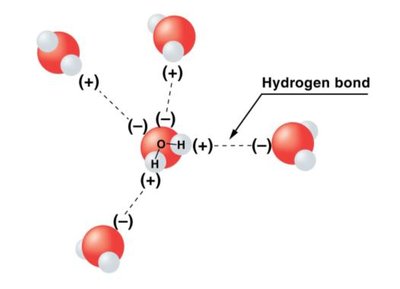
Water is a polar molecule, making it an excellent solvent for salts and other polar molecules. Its structure is essential for life.
Hydrophilic substances dissolve in water; hydrophobic substances do not.
Water's polarity results from differences in electronegativity between oxygen and hydrogen.
Organic Molecules Essential for Life
Four Classes of Organic Molecules
There are four major classes of organic molecules in living organisms:
Carbohydrates: Provide energy and structural support.
Lipids: Store energy, form cell membranes, and act as signaling molecules.
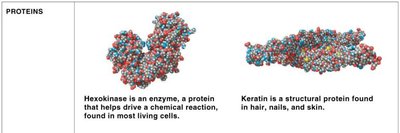
Proteins: Perform a wide range of functions, including catalysis, structure, and transport.
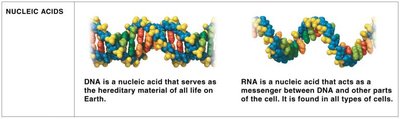
Nucleic Acids: Store and transmit genetic information.
Carbohydrates
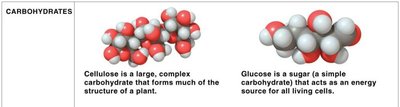
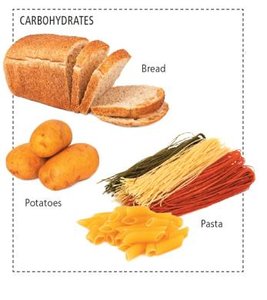
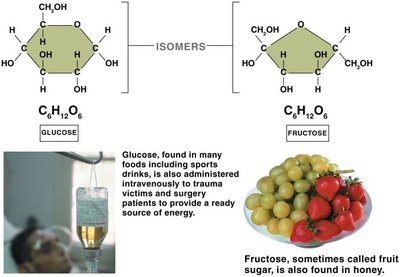
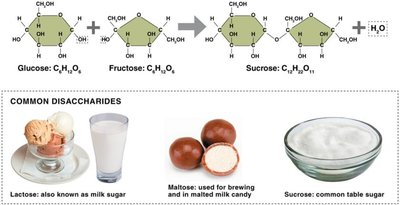
Carbohydrates are a primary source of dietary energy and structural components in plants. They include simple sugars (monosaccharides) and larger molecules (polysaccharides).
Monosaccharides: Simple sugars like glucose and fructose.
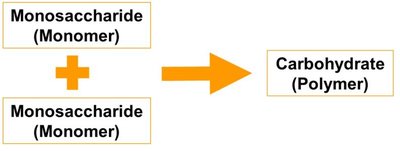
Disaccharides: Formed by joining two monosaccharides (e.g., sucrose).
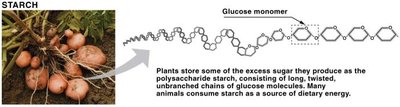
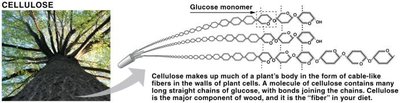
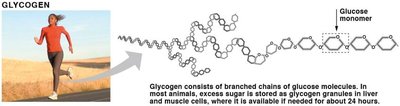
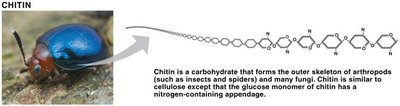
Polysaccharides: Long chains of monosaccharides (e.g., starch, cellulose, glycogen, chitin).
Lipids
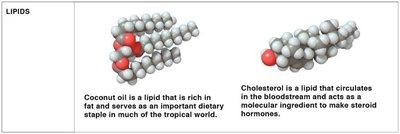
Lipids are hydrophobic molecules that do not mix with water. They are essential for cell membrane structure and energy storage.
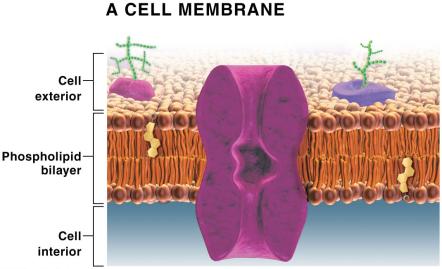
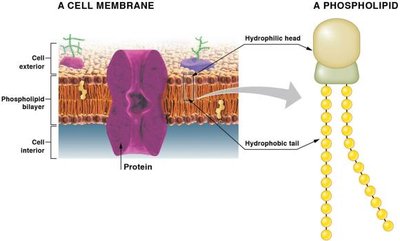
Phospholipids: Form the bilayer of cell membranes, with hydrophilic heads and hydrophobic tails.
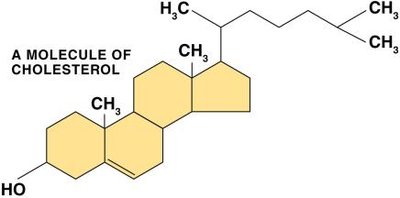
Cholesterol: Maintains membrane fluidity and is a precursor for steroid hormones.

Proteins
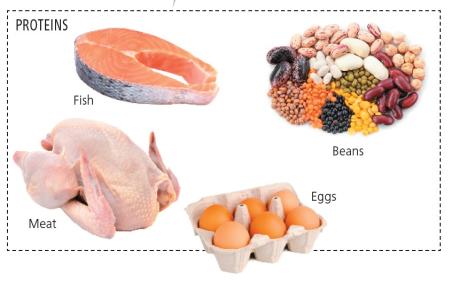
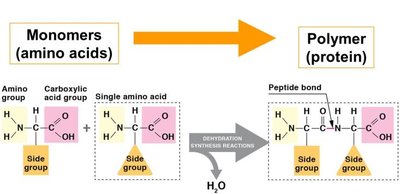
Proteins are polymers made of amino acids and are the most diverse biological molecules. They perform structural, catalytic, and regulatory functions.
There are 20 different amino acids.
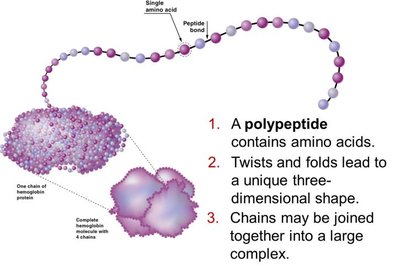
Amino acids are joined by peptide bonds to form polypeptides.
Protein structure is determined by the sequence and folding of amino acids.
Enzymes and Metabolism
Enzymes are proteins that catalyze metabolic reactions, allowing them to occur rapidly and efficiently. Metabolism encompasses all chemical reactions in an organism.
Enzymes are not consumed in the reactions they catalyze.
Almost every metabolic reaction requires an enzyme.
The Cell: The Fundamental Unit of Life
Cell Types
All living organisms are composed of cells, which are the fundamental units of life. Cells can be classified as prokaryotic or eukaryotic.
Prokaryotic cells: Small, simple, lack organelles, found in Bacteria and Archaea.
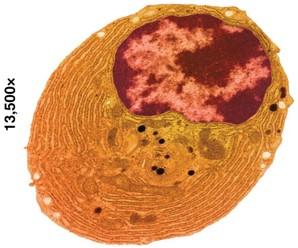
Eukaryotic cells: Larger, complex, contain membrane-bound organelles, found in Plants, Animals, Fungi, and Protists.
Human Body Systems: Digestive System
The Alimentary Canal and Accessory Organs
The human digestive system is a long tube (alimentary canal) with specialized organs for processing food. Accessory organs secrete digestive chemicals via ducts.
Mouth: Site of ingestion.
Pharynx: Epiglottis covers trachea during swallowing.
Stomach: Elastic folds, secretes gastric juice (enzymes like pepsin).
Small intestine: Site of chemical digestion and nutrient absorption.
Large intestine (colon): Absorbs water, forms feces.
Rectum and anus: Store and expel waste.
Accessory organs: Salivary glands, liver, gallbladder, pancreas.
Stages of Food Processing
Food processing occurs in four stages:
Ingestion: Eating.
Digestion: Mechanical and chemical breakdown of food.
Absorption: Uptake of nutrients by cells lining the small intestine.
Elimination: Disposal of undigested matter.
Metabolic Disorders
Inborn Errors of Metabolism
Metabolic disorders are often caused by deficiencies in specific enzymes, leading to the accumulation of intermediate substances.
Alkaptonuria (AKU): Deficiency of HGD enzyme, accumulation of homogentisic acid, affects urine, connective tissue, and causes arthritis.
Phenylketonuria (PKU): Deficiency of PAH enzyme, accumulation of phenylalanine, treatable by dietary restriction.
Scientific Evidence and Nutrition
Canada Food Guide and Evidence-Based Nutrition
Nutrition recommendations are based on scientific evidence. For example, studies on the effects of reducing sugary drinks require careful experimental design and data analysis.
Research involves controlled studies, data collection, and interpretation.
Evidence is used to inform public health guidelines.
Summary Table: Properties of Life
Property | Description |
|---|---|
Order | Complex, well-ordered structure |
Energy and Matter Processing | Intake, conversion, and expulsion of energy |
Reproduction | Produce own kind |
Growth and Development | Controlled by genetic information |
Response to Environment | React to environmental changes |
Evolutionary Adaptation | Traits evolve for survival |
Movement | Internal or external movement |
Metabolism | Chemical reactions for life |
Homeostasis | Maintain stable internal conditions |
Key Equations
Formation of Disaccharides:
General Metabolic Reaction:
Protein Formation:
Additional info: Academic context was added to clarify definitions, examples, and the scientific basis for metabolic disorders and nutrition studies.
