 뒤로
Photosynthesis: Mechanisms, Organisms, and Light Reactions Unit 3
스터디 가이드 - 스마트 노트
 자료에 맞춘 맞춤형 노트, 핵심 정의, 예시, 맥락을 확장해 제공합니다.
Photosynthesis and Cellular Respiration: Energy Conversion in Living Systems
Overview of Energy Conversion
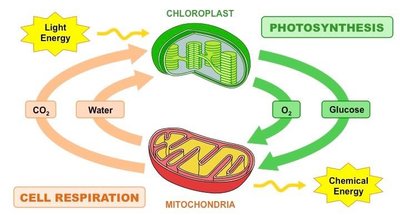
Photosynthesis and cellular respiration are fundamental biological processes that convert energy for use in living organisms. Photosynthesis transforms solar energy into chemical energy, while cellular respiration releases energy from organic molecules.
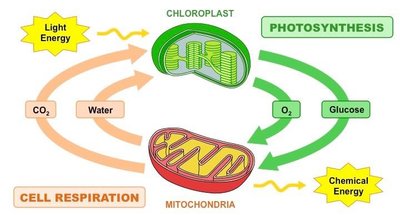
Photosynthesis: Occurs in chloroplasts, converting light energy, CO2, and water into glucose and O2.
Cellular Respiration: Occurs in mitochondria, breaking down glucose to produce ATP, CO2, and water.
Relationship: The products of photosynthesis (glucose and O2) are reactants for cellular respiration, and vice versa.
Who Performs Photosynthesis?
Autotrophs and Photoautotrophs
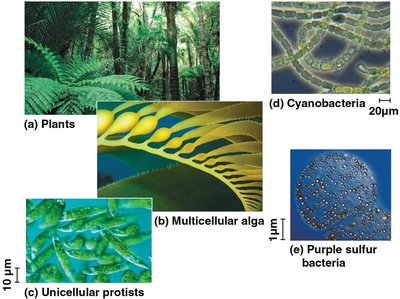
Autotrophs are organisms capable of producing their own food from inorganic sources. Photoautotrophs use sunlight to synthesize organic molecules.
Plants: The primary photoautotrophs on land.
Algae: Both unicellular and multicellular forms contribute to aquatic photosynthesis.
Protists: Some unicellular protists are photoautotrophic.
Bacteria: Cyanobacteria and purple sulfur bacteria are capable of photosynthesis.
Who Cannot Perform Photosynthesis?
Heterotrophs and Their Types
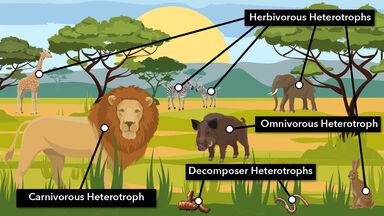
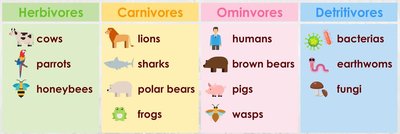
Heterotrophs must obtain organic molecules by consuming other organisms. They rely on autotrophs for food and oxygen.
Herbivores: Consume plants.
Carnivores: Consume other animals.
Omnivores: Consume both plants and animals.
Decomposers: Consume dead organic matter.
Location and Structure of Photosynthesis
Chloroplasts and Leaf Anatomy
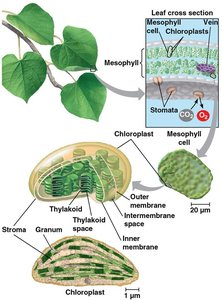
Photosynthesis occurs in chloroplasts, primarily within the mesophyll cells of leaves. The leaf structure facilitates gas exchange and transport of water and sugars.
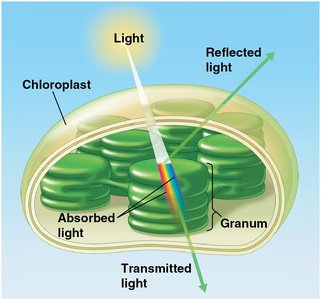
Chloroplasts: Double-membrane organelles with internal thylakoid membranes.
Stroma: Internal fluid where the Calvin cycle occurs.
Thylakoids: Membranous sacs containing chlorophyll for light absorption.
Stomata: Pores for gas exchange (CO2 in, O2 out).
Photosynthesis: The Chemical Process
General Equation and Atom Flow
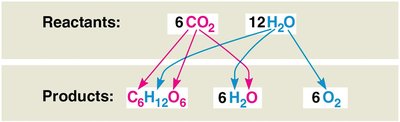
Photosynthesis is the reverse of cellular respiration, involving the splitting of water and incorporation of hydrogen into sugars, with oxygen released as a byproduct.
General Equation:
Atom Flow: Carbon and hydrogen are incorporated into glucose; oxygen is released.
Redox Reactions in Photosynthesis
Photosynthesis involves a series of redox reactions: water is oxidized, and carbon dioxide is reduced. The process is endergonic, requiring energy input from sunlight.
Oxidation: Loss of electrons (water).
Reduction: Gain of electrons (carbon dioxide).
Photosynthetic Reactions: Light Reactions and Calvin Cycle
Light Reactions
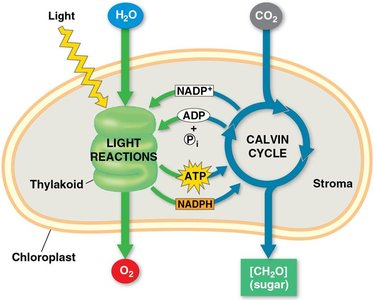
The light reactions occur in the thylakoid membranes and convert solar energy into chemical energy (ATP and NADPH).
Water Splitting: Provides electrons and protons; O2 is released.
NADP+ Reduction: Forms NADPH.
ATP Formation: From ADP and inorganic phosphate.
Calvin Cycle
The Calvin cycle occurs in the stroma and synthesizes carbohydrates from CO2 using ATP and NADPH.
Carbon Fixation: Incorporation of CO2 into organic molecules.
Reduction: Carbons are reduced to carbohydrates.
ATP Use: Provides energy for synthesis.
Light: Properties and Role in Photosynthesis
Electromagnetic Spectrum and Visible Light
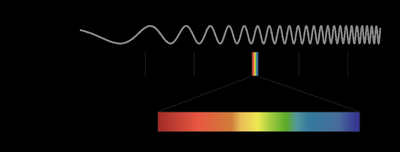
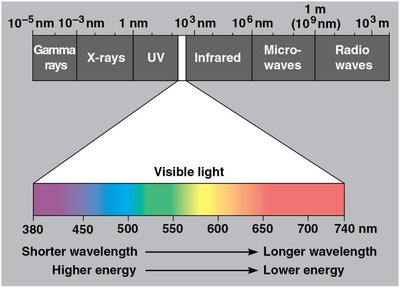
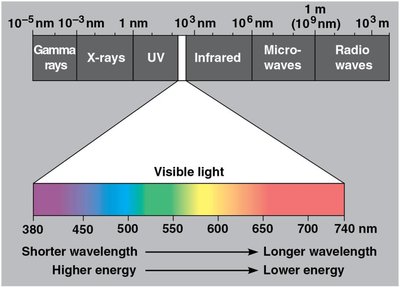
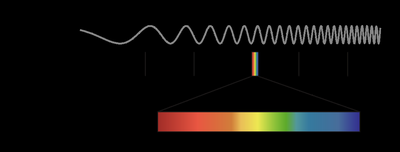
Light is electromagnetic energy, traveling in waves. Photosynthesis uses visible light (380–740 nm), which can be described both as waves and as particles (photons).
Wavelength: Distance between wave peaks; shorter wavelength means higher energy.
Photon: Discrete particle of light with energy inversely proportional to wavelength.
Light Absorption by Pigments
Pigments absorb specific wavelengths of light. Chlorophyll is the main pigment in plants, with accessory pigments like chlorophyll b and carotenoids.
Absorption: Light absorbed by pigments is used for photosynthesis; unabsorbed light is reflected or transmitted.
Spectrophotometer: Instrument used to measure pigment absorption.
Absorption Spectrum: Graph showing light absorption at different wavelengths.
Plant Pigments and Their Functions
Types of Pigments
Chloroplasts contain three main types of pigments, each with distinct roles in light absorption.
Chlorophyll a: Primary pigment for light reactions.
Chlorophyll b: Accessory pigment, broadens light absorption.
Carotenoids: Accessory pigments, protect against excess light.
Action Spectrum
The action spectrum shows which wavelengths are most effective for photosynthesis. Violet-blue and red light are optimal; green is least effective.
Photosystems: Organization of Pigments
Structure and Function of Photosystems
Photosystems are multiprotein complexes in the thylakoid membrane, consisting of a reaction center and light-harvesting complexes.
Reaction Center: Contains chlorophyll a and electron acceptors.
Light-Harvesting Complex: Contains accessory pigments and proteins.
Photosystem II (PSII): Absorbs light best at 680 nm (P680).
Photosystem I (PSI): Absorbs light best at 700 nm (P700).
Summary Table: Photosynthesis vs. Cellular Respiration
Process | Location | Reactants | Products | Energy Conversion |
|---|---|---|---|---|
Photosynthesis | Chloroplast | CO2, H2O, Light | Glucose, O2 | Solar to Chemical |
Cellular Respiration | Mitochondria | Glucose, O2 | CO2, H2O, ATP | Chemical to Usable (ATP) |
Key Equations
Photosynthesis
Cellular Respiration
Additional info:
Photosynthesis is essential for life on Earth, providing food and oxygen for heterotrophs.
Not all autotrophs rely solely on photosynthesis; some use chemosynthesis.
Oxygen is a byproduct of the light reactions due to water splitting.
