 뒤로
Plant Diversity I: How Plants Colonized Land – Study Notes
스터디 가이드 - 스마트 노트
 자료에 맞춘 맞춤형 노트, 핵심 정의, 예시, 맥락을 확장해 제공합니다.
Plant Diversity and the Colonization of Land
Introduction to Plant Diversity
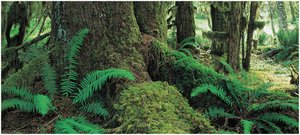
Plants are essential to terrestrial ecosystems, supplying oxygen and serving as the ultimate source of most food consumed by land animals. The colonization of land by plants, fungi, and animals marked a significant evolutionary milestone, transforming Earth's previously lifeless terrestrial surface. Today, over 325,000 plant species exist, most of which are terrestrial. Land plants are defined by their terrestrial ancestry, even though some have returned to aquatic environments. Photosynthetic protists (algae) are not considered land plants.
Major Developments in Plant Evolution
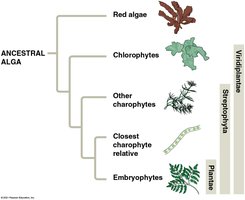
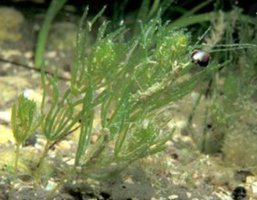
Plant evolution began with the endosymbiosis of cyanobacteria, leading to the development of unicellular green algae (charophytes), which are the closest living relatives to land plants. Early land plants were nonvascular, such as mosses, and later evolved into more complex forms.
Evolutionary Origin of Land Plants
Land Plants Evolved from Green Algae
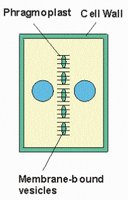
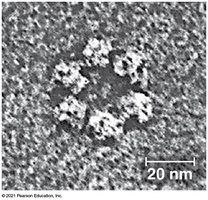
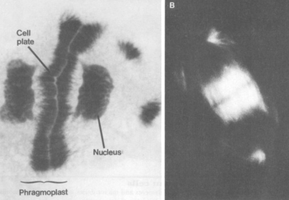
Land plants share several traits exclusively with charophytes, including rings of cellulose-synthesizing proteins, the structure of flagellated sperm, and the formation of a phragmoplast during cytokinesis. Genetic comparisons of nuclear and chloroplast genes confirm charophytes as the closest relatives of land plants.
Adaptations for Life on Land
Key Adaptations Enabling Terrestrial Life
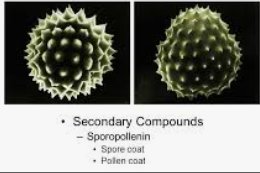
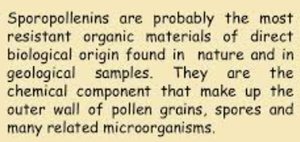
Charophytes possess sporopollenin, a durable polymer that prevents zygotes from drying out. This adaptation was crucial for the transition to land, where plants faced challenges such as water scarcity and lack of structural support. Land plants diversified as they evolved adaptations to thrive in terrestrial environments.
Derived Traits of Land Plants
Land plants possess several derived traits absent in charophytes:
Alternation of Generations: Life cycle alternates between multicellular haploid (gametophyte) and diploid (sporophyte) stages.
Multicellular, Dependent Embryos: Embryos develop within parental tissue, receiving nutrients via placental transfer cells.
Sporangia: Multicellular organs that produce walled spores resistant to harsh environments.
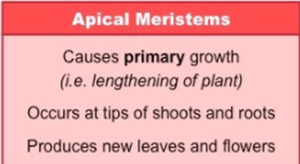
Apical Meristems: Regions of actively dividing cells at shoot and root tips, enabling growth.
Cuticle: Waxy covering that prevents water loss and protects against pathogens.
Stomata: Specialized pores for gas exchange, supporting photosynthesis.
Mycorrhizae: Symbiotic associations with fungi, aiding nutrient uptake.
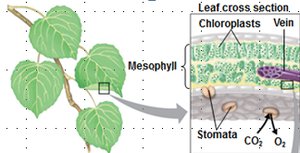
Alternation of Generations
Life Cycle of Land Plants
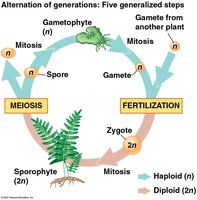
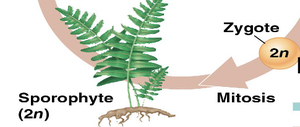
Land plants alternate between two multicellular adult body forms: the haploid gametophyte and the diploid sporophyte. Gametophytes produce gametes by mitosis, and fertilization results in a diploid zygote, which develops into a sporophyte. Sporophytes produce haploid spores by meiosis, which grow into new gametophytes. This cycle is unique among sexually reproducing organisms, as both haploid and diploid stages exist as multicellular bodies.
Multicellular Dependent Embryos
Plant embryos develop within the tissue of the parent gametophyte, receiving nutrients through specialized transfer cells. This dependency is why land plants are called embryophytes.
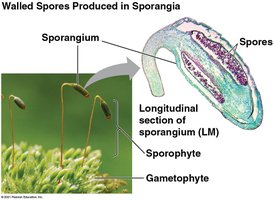
Walled Spores Produced in Sporangia
Sporophytes produce spores in multicellular sporangia. Diploid cells within sporangia undergo meiosis to generate haploid spores, which are encased in sporopollenin-enriched walls, making them resistant to harsh environments. Spores grow into gametophytes by mitosis.
Apical Meristems
Apical meristems are regions of continuous cell division at the tips of shoots and roots, allowing plants to grow and differentiate into various tissues. This adaptation enables plants to compete for light and resources.
Origin and Diversification of Plants
Fossil Evidence and Plant Diversity
Fossil evidence indicates that plants colonized land at least 470 million years ago. Ancestral plant species gave rise to a vast diversity of modern plants, including nonvascular bryophytes and vascular plants.
Classification of Land Plants
Land plants are classified based on the presence or absence of vascular tissues:
Bryophytes: Nonvascular plants (mosses, liverworts, hornworts) lacking roots and true leaves.
Vascular Plants: Possess vascular tissues (xylem and phloem) for water and nutrient transport.
Seedless Vascular Plants: Includes lycophytes (club mosses, spike mosses) and monilophytes (ferns, horsetails, whisk ferns).
Seed Plants: Divided into gymnosperms (conifers) and angiosperms (flowering plants).
Bryophytes: Nonvascular Plants
Life Cycle Dominated by Gametophytes
Bryophytes are represented by three phyla: liverworts, mosses, and hornworts. They lack roots and true leaves and are thought to represent the earliest lineages to diverge from the common ancestor of land plants. In bryophytes, the gametophyte is the dominant, larger, and longer-living generation. Rhizoids anchor gametophytes to the substrate, and sperm swim through water to fertilize eggs.
Ecological and Economic Importance of Mosses
Mosses inhabit diverse environments and are common in moist forests and wetlands. Sphagnum (peat moss) forms deposits of partially decayed organic material known as peat, which is used as a fuel source and serves as a global reservoir of organic carbon. Overharvesting or changes in water levels can release stored CO2 to the atmosphere.
Vascular Plants: Seedless Vascular Plants
Origins and Traits of Vascular Plants
Early vascular plants had independent, branching sporophytes. Living vascular plants are characterized by dominant sporophyte generations, transport in vascular tissues (xylem and phloem), and well-developed leaves and roots. Roots are multicellular organs that absorb water and nutrients, while leaves increase surface area for photosynthesis.
Vascular Bundles and Transport
Vascular tissue allowed plants to grow taller, providing an evolutionary advantage. Xylem conducts water and minerals, while phloem distributes sugars and organic products. Water-conducting cells are strengthened by lignin, providing structural support.
Spore Production and Life Cycles
Most seedless vascular plants are homosporous, producing one type of spore that gives rise to a bisexual gametophyte. Seed plants are heterosporous, producing two types of spores (megaspore and microspore) that give rise to female and male gametophytes, respectively.
Two Clades of Seedless Vascular Plants
Phylum Lycophyta includes club mosses, spike mosses, and quillworts, which are not true mosses. Phylum Monilophyta includes ferns, horsetails, and whisk ferns. Ferns are the most widespread seedless vascular plants, thriving in both tropical and temperate forests.
Life Cycles with Dominant Sporophytes
In seedless vascular plants, sporophytes are the larger, dominant generation. Gametophytes are tiny but independent plants that grow on or below the soil surface. Sperm swim through water to fertilize eggs.
Significance of Seedless Vascular Plants
Ancestors of modern lycophytes, horsetails, and ferns formed the first forests during the Devonian and Carboniferous periods. Increased growth and photosynthesis removed CO2 from the atmosphere, contributing to global cooling. Decaying plants from these forests eventually became coal, and burning coal returns carbon to the atmosphere.
Summary Table: Classification of Land Plants
Group | Key Features | Examples |
|---|---|---|
Bryophytes (Nonvascular) | No vascular tissue, dominant gametophyte | Mosses, liverworts, hornworts |
Seedless Vascular Plants | Vascular tissue, dominant sporophyte, no seeds | Ferns, club mosses, horsetails |
Seed Plants | Vascular tissue, seeds, dominant sporophyte | Gymnosperms (conifers), Angiosperms (flowering plants) |
Key Terms and Concepts
Charophytes: Green algae closely related to land plants.
Embryophytes: Land plants with multicellular, dependent embryos.
Sporopollenin: Durable polymer in spore and pollen walls, resistant to environmental stress.
Alternation of Generations: Life cycle alternating between haploid gametophyte and diploid sporophyte.
Apical Meristem: Region of active cell division at plant tips.
Stomata: Pores for gas exchange in plant tissues.
Mycorrhizae: Symbiotic association between fungi and plant roots.
Key Equations
Alternation of Generations:
Photosynthesis (general equation):
Cellular Respiration (general equation):
Summary-
The colonization of land by plants was a pivotal event in Earth's history, enabled by key adaptations such as sporopollenin, alternation of generations, multicellular embryos, and symbiotic relationships with fungi. The diversification of land plants led to the evolution of bryophytes, seedless vascular plants, and seed plants, each with unique life cycles and ecological roles. Understanding these evolutionary developments is fundamental to the study of general biology.
