 뒤로
Plant Diversity II: The Evolution of Seed Plants
스터디 가이드 - 스마트 노트
 자료에 맞춘 맞춤형 노트, 핵심 정의, 예시, 맥락을 확장해 제공합니다.
Seed Plants: Evolution and Adaptations
Introduction to Seed Plants
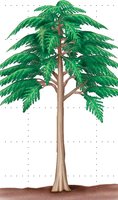
Seed plants revolutionized terrestrial ecosystems, becoming the dominant producers on land. Their origin approximately 360 million years ago enabled the transition from hunter-gatherer societies to permanent settlements through plant cultivation.
Seed plants include gymnosperms and angiosperms.
Seeds provide protection, nourishment, and dispersal advantages over spores.
Key Adaptations of Seed Plants
Seed plants possess several adaptations that distinguish them from other plant groups.
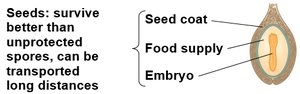
Seeds: Multicellular structures containing a sporophyte embryo, protective coat, and stored food.
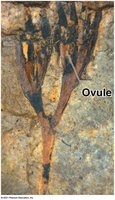
Ovules: Structures that develop into seeds after fertilization.
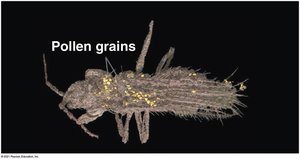
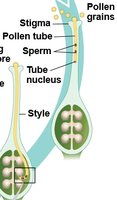
Pollen grains: Enable sperm transfer without water, facilitating reproduction on land.
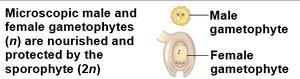
Reduced gametophytes: Microscopic gametophytes develop within sporangia of the parent sporophyte, protected from environmental stress.
Heterospory: Production of two types of spores—megaspores (female) and microspores (male).
Seed Structure and Advantages
Seeds offer evolutionary advantages over spores, including dormancy, nourishment, and enhanced dispersal.
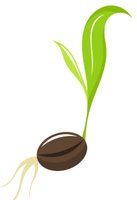
Seeds are multicellular and can remain dormant until conditions are favorable.
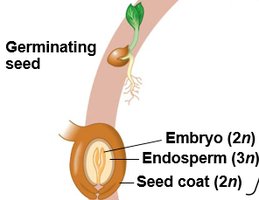
Contain stored food (endosperm) to support early growth.
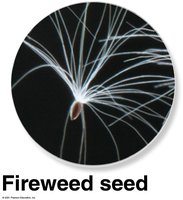
Dispersed by wind, water, or animals, increasing colonization potential.
Reproduction in Seed Plants
Ovules and Egg Production
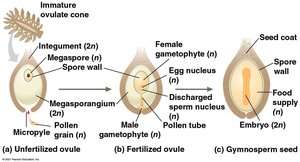
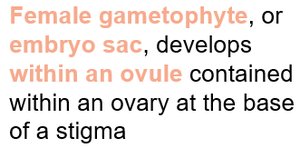
An ovule consists of a megasporangium, megaspore, and protective integuments. The female gametophyte develops from the megaspore and produces eggs.
Pollen grains (male gametophytes) produce sperm and facilitate fertilization.
Fertilization leads to seed formation within the ovule.
Life Cycle of Gymnosperms
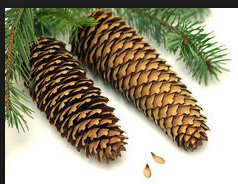
Gymnosperms, or "naked seed" plants, bear seeds on cones. Their life cycle features miniaturized gametophytes, seed development from fertilized ovules, and pollen-mediated sperm transfer.
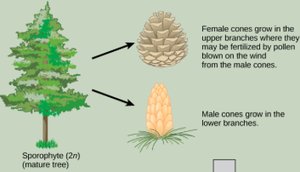
Pine trees are sporophytes producing male (microsporangia) and female (megasporangia) cones.
Male cones produce pollen grains; female cones produce ovules.
Pollination and fertilization occur without water, using air or animal vectors.
Gymnosperm Diversity
Major Gymnosperm Groups
Gymnosperms include several phyla, each with unique characteristics.
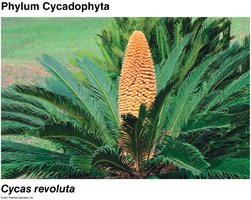
Cycadophyta: Large cones, palm-like leaves, flagellated sperm.
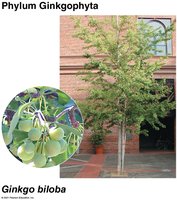
Ginkgophyta: Only one living species, Ginkgo biloba, tolerant to pollution.
Gnetophyta: Shrubs with scale-like leaves, adapted to arid regions.
Coniferophyta: Cone-bearing trees (pines, firs, redwoods), mostly evergreen.
Angiosperms: Flowering Plants
Reproductive Adaptations: Flowers and Fruits
Angiosperms are characterized by flowers and fruits, which enhance reproductive success and seed dispersal.
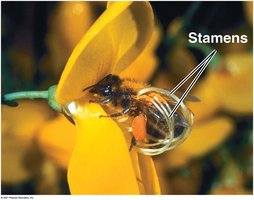
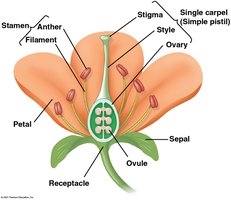
Flowers: Specialized shoots with sepals, petals, stamens (male), and carpels (female).
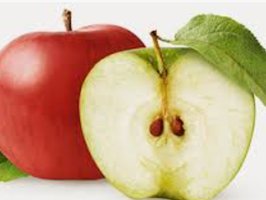
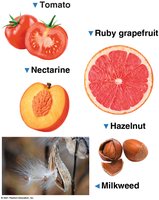
Fruits: Mature ovaries that protect seeds and aid in dispersal.
Fruit Types and Seed Dispersal
Fruits can be fleshy (e.g., apples, tomatoes) or dry (e.g., beans, nuts). Various adaptations facilitate seed dispersal by wind, water, or animals.
Fruits protect seeds and enhance their spread to new locations.
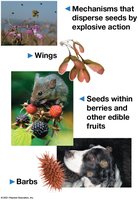
Seed dispersal mechanisms include wings, barbs, and edible fruits.
Angiosperm Life Cycle
The angiosperm life cycle involves double fertilization, where one sperm fertilizes the egg and another forms the triploid endosperm.
Embryo develops within the seed, nourished by endosperm.
Seed germinates, and the seedling uses stored food until photosynthesis begins.
Seed Plant Classification: Gymnosperms vs. Angiosperms
Gymnosperms
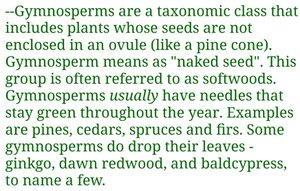
Gymnosperms produce "naked seeds" not enclosed in an ovule. They usually have needle-like leaves and are often evergreen.
Examples: Pines, cedars, spruces, firs, ginkgo, dawn redwood, baldcypress.
Angiosperms
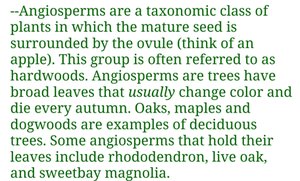
Angiosperms produce seeds surrounded by the ovule, often within fruits. They usually have broad leaves and are deciduous.
Examples: Oaks, maples, dogwoods, rhododendron, live oak, sweetbay magnolia.
Monocots vs. Dicots (Eudicots)
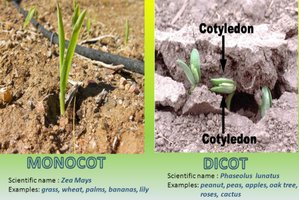
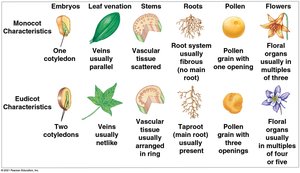
Angiosperms are divided into monocots (one cotyledon) and eudicots (two cotyledons).
Monocots: Parallel leaf veins, fibrous roots, floral organs in multiples of three.
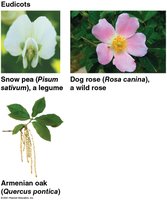
Eudicots: Netlike leaf veins, taproot, floral organs in multiples of four or five.
Human Welfare and Seed Plants
Importance of Seed Plants
Seed plants are essential sources of food, fuel, wood, and medicine.
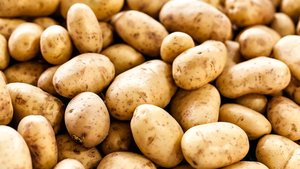
Major food crops: Wheat, rice, maize, potatoes, cassava, sweet potatoes.
Medicinal plants: Many prescription drugs are derived from plants.
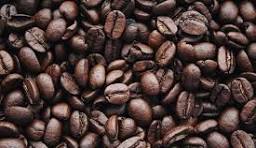
Seed plants provide beverages (tea, coffee, chocolate) and spices.
Conservation and Plant Diversity
Threats to Plant Diversity
Habitat destruction, especially in tropical forests, threatens plant diversity and the animals that depend on plants.
Deforestation reduces CO2 absorption and increases extinction risk.
Preservation of plant diversity is critical for ecosystem stability and human welfare.
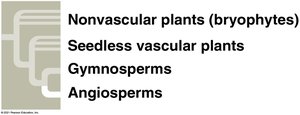
Summary Table: Plant Groups and Characteristics
Group | Key Traits | Examples |
|---|---|---|
Nonvascular plants | No vascular tissue, dominant gametophyte | Mosses, liverworts |
Seedless vascular plants | Vascular tissue, dominant sporophyte, homosporous | Ferns, club mosses |
Gymnosperms | Naked seeds, cones, needle-like leaves | Pines, firs, ginkgo |
Angiosperms | Seeds in fruits, flowers, broad leaves | Oaks, maples, grasses |
Summary
Seed plants, including gymnosperms and angiosperms, are the most diverse and ecologically successful group of plants. Their adaptations—seeds, pollen, flowers, and fruits—have enabled them to dominate terrestrial ecosystems and provide essential resources for human society. Additional info: DNA studies have refined angiosperm classification, recognizing eudicots as a true clade. Conservation of plant diversity is vital for maintaining ecosystem services and human health.
