 뒤로
Cell Division and The Cell Cycle: Study Notes for Cell Biology
스터디 가이드 - 스마트 노트
 자료에 맞춘 맞춤형 노트, 핵심 정의, 예시, 맥락을 확장해 제공합니다.
Cell Division and The Cell Cycle
Overview of Cell Division
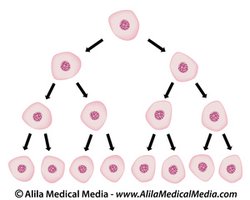
Cell division is a fundamental process in both plants and animals, essential for reproduction, growth, and repair. The cell cycle describes the sequence of events that cells undergo as they grow and divide, ensuring genetic continuity and proper function.
Cell Theory: All cells arise from pre-existing cells, not from non-living matter.
Importance: Cell division is crucial for organismal development, tissue maintenance, and healing.
Reasons for Cell Division
Cells divide for three primary reasons: reproduction, growth, and repair. Each reason is vital for the survival and propagation of organisms.
Reproduction: Enables organisms to produce offspring. Asexual reproduction results in genetically identical offspring, while sexual reproduction combines genetic material from two parents.
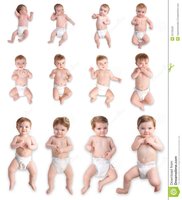
Growth: Organisms grow by increasing their cell number, not the size of individual cells.
Repair: Damaged or dead cells are replaced through cell division, maintaining tissue integrity.

Types of Reproduction
Reproduction can be asexual or sexual, each with distinct mechanisms and outcomes.
Asexual Reproduction: Involves one parent; offspring are genetic clones. Example: E. coli bacteria.
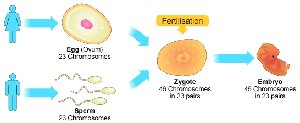
Sexual Reproduction: Involves two parents; offspring inherit traits from both. Gametes (egg and sperm) unite to form a zygote.
Cell Types in Multicellular Organisms
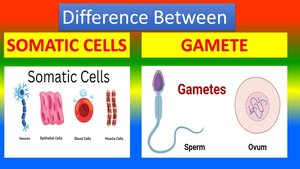
Multicellular organisms possess two main cell types: somatic cells and sex cells (gametes).
Somatic Cells: All body cells except reproductive cells; have a diploid (2n) chromosome number.
Sex Cells (Gametes): Egg and sperm; have a haploid (n) chromosome number.
Genetic Material in the Nucleus
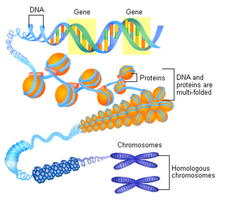
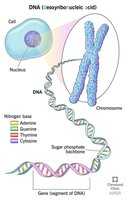
The nucleus contains chromosomes, which are composed of DNA and proteins. Genes, segments of DNA, encode traits and functions.
Chromosomes: Long, coiled DNA molecules visible during cell division.
Human Cells: Typically have 46 chromosomes (23 pairs).
Genes: Functional units of heredity located on chromosomes.
The Cell Cycle
Stages of the Cell Cycle
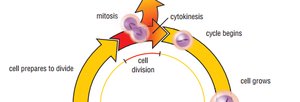
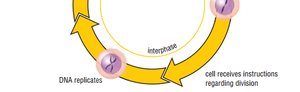
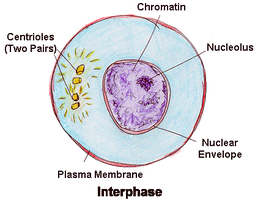
The cell cycle consists of interphase, mitosis, and cytokinesis. Interphase is the longest stage, where the cell grows and prepares for division.
Interphase: Includes G1 (growth), S (DNA synthesis), and G2 (preparation for division).
Mitosis: Division of the nucleus into two identical nuclei.
Cytokinesis: Division of the cytoplasm, resulting in two daughter cells.

Interphase Details
Interphase is subdivided into three phases, each with specific functions:
G1 Phase: Rapid growth and protein synthesis.
S Phase: DNA replication; chromosomes are copied.
G2 Phase: Preparation for mitosis; synthesis of microtubules.
Cell Cycle Checkpoints
Checkpoints regulate the cell cycle, ensuring proper division and preventing errors.
G1 Checkpoint: Assesses cell size and energy reserves.
S Checkpoint: Monitors DNA replication; cyclins and CDKs signal division.
G2 Checkpoint: Ensures all chromosomes are replicated without damage.
M Checkpoint: Verifies correct attachment of sister chromatids during metaphase.
Mitosis
Overview of Mitosis
Mitosis is the process by which a cell divides its nucleus, resulting in two genetically identical daughter nuclei. It consists of four distinct phases: prophase, metaphase, anaphase, and telophase (PMAT).
Prophase: Chromatin condenses into visible chromosomes; nuclear membrane breaks down.
Metaphase: Chromosomes align at the cell's equator.
Anaphase: Sister chromatids separate and move to opposite poles.
Telophase: Chromosomes decondense; nuclear membranes reform.
Cytokinesis
Cytokinesis is the final stage of cell division, where the cytoplasm splits, forming two identical daughter cells.
Result: Two genetically identical cells, each with a complete set of chromosomes.
Summary Table: Cell Cycle Phases and Functions
Phase | Main Function | Key Events |
|---|---|---|
G1 | Cell growth | Protein synthesis, organelle replication |
S | DNA synthesis | Chromosome replication |
G2 | Preparation for mitosis | Microtubule synthesis, error checking |
Mitosis | Nuclear division | PMAT phases |
Cytokinesis | Cytoplasmic division | Formation of two daughter cells |
Key Terms and Definitions
Chromatin: Uncondensed DNA and protein found during interphase.
Chromosome: Condensed DNA visible during cell division.
Centromere: Region joining sister chromatids.
Somatic Cell: Any body cell except gametes; diploid.
Gamete: Reproductive cell (egg or sperm); haploid.
Zygote: Fertilized egg cell.
Interphase: Period of cell growth and DNA replication.
Mitosis: Nuclear division process.
Cytokinesis: Division of cytoplasm.
Example: Human Cell Division
Human somatic cells undergo mitosis to produce two identical daughter cells, each with 46 chromosomes. Gametes are produced via meiosis and contain 23 chromosomes.
Formulas and Equations
Chromosome number in somatic cells and gametes:
Somatic cells:
Gametes:
Example for humans:
Somatic cells:
Gametes:
Plant Cell Structure
Labeling Plant Cell Organelles
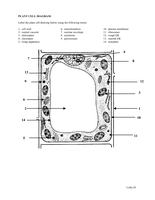
Plant cells contain unique organelles such as the cell wall, chloroplasts, and a large central vacuole, in addition to common eukaryotic structures.
Cell Wall: Provides structural support.
Chloroplast: Site of photosynthesis.
Vacuole: Stores water and nutrients.
Nucleus: Contains genetic material.
Mitochondria: Site of cellular respiration.
Conclusion
Understanding the cell cycle and cell division is essential for comprehending growth, development, and maintenance in multicellular organisms. The processes of mitosis and cytokinesis ensure genetic continuity and tissue integrity.
