 뒤로
Internal Controls and Control Frameworks in Financial Accounting
스터디 가이드 - 스마트 노트
 자료에 맞춘 맞춤형 노트, 핵심 정의, 예시, 맥락을 확장해 제공합니다.
Internal Controls in Financial Accounting
Basic Control Concepts and Importance of Computer Control
Internal controls are processes implemented to provide reasonable assurance that organizational objectives are achieved. In financial accounting, these controls safeguard assets, ensure accurate and reliable information, and promote compliance with laws and regulations. Computer control and security are crucial due to the increasing reliance on information systems for financial reporting and asset management.
Safeguarding assets: Protecting physical and digital resources from theft or misuse.
Maintaining sufficient records: Ensuring completeness and accuracy of accounting records.
Providing accurate and reliable information: Supporting decision-making and reporting.
Preparing financial reports: Adhering to established criteria such as GAAP.
Promoting operational efficiency: Streamlining processes and reducing errors.
Encouraging adherence to management policies: Ensuring compliance with internal guidelines.
Complying with laws and regulations: Meeting legal and regulatory requirements.
Definitions: Threat, Exposure, Likelihood
Understanding risk is fundamental to internal controls. Key terms include:
Threat (or event): Any potential adverse occurrence that could harm the accounting information system or the organization.
Exposure (or impact): The potential dollar loss if a threat becomes reality.
Likelihood: The probability that a threat will occur.
Example: Accidental deletion of financial records due to inadequate access controls, with a 30% likelihood and a $200,000 potential impact.
Functions and Categories of Internal Controls
Internal controls serve three main functions:
Preventive controls: Deter problems from occurring.
Detective controls: Discover problems that are not prevented.
Corrective controls: Fix and recover from problems.
Controls are categorized as:
General controls: Ensure a stable and well-managed control environment.
IT controls: Focus on the accuracy, completeness, validity, and authorization of data processed by information systems.
History and Regulatory Environment
Major Legislation and Frameworks
Several key events and regulations have shaped internal controls in accounting:
Foreign Corrupt Practices Act (FCPA, 1977): Requires publicly owned corporations to maintain internal accounting controls to prevent bribery.
COSO (Committee of Sponsoring Organizations): Developed the Internal Control – Integrated Framework, a benchmark for effective internal control systems.
Sarbanes-Oxley Act (SOX, 2002): Strengthened internal controls, increased executive accountability, and established auditor independence provisions.
Selected SOX Sections
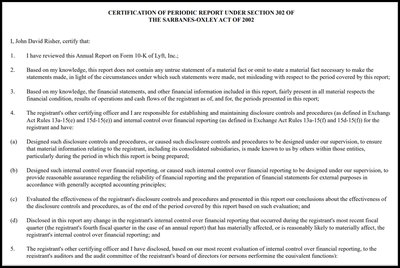
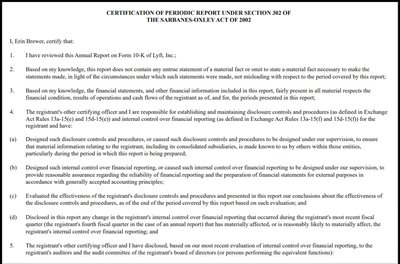
Section 302: CEO and CFO must certify the accuracy and completeness of financial reports.
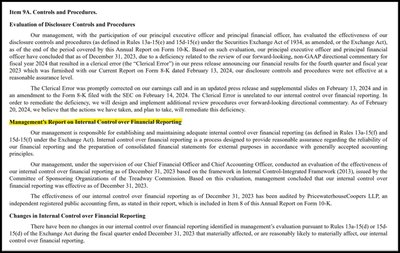
Section 404: Requires annual internal control reports and auditor attestation.
Benefits of SOX Compliance
Strengthened control environment
Improved documentation
Increased Audit Committee involvement
Standardized processes
Reduced complexity and human error
Control Frameworks
COSO Internal Control – Integrated Framework
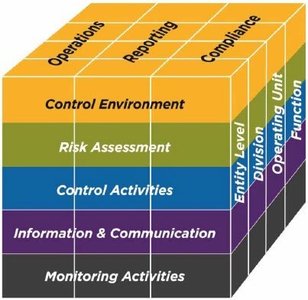
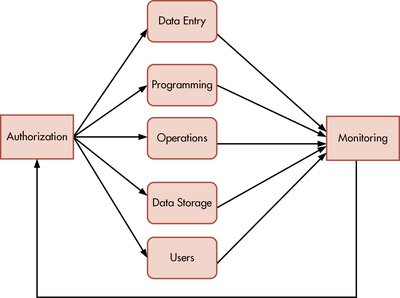
The COSO framework provides a structured approach to internal controls, focusing on five components:
Control Environment
Risk Assessment
Control Activities
Information and Communication
Monitoring
COSO Enterprise Risk Management (ERM) Framework
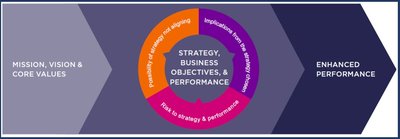
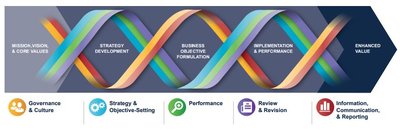
The COSO ERM framework expands on internal controls by integrating risk management into strategy and performance. It emphasizes governance, culture, strategy, performance, review, and communication.
COBIT Framework
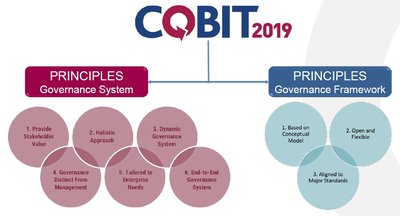
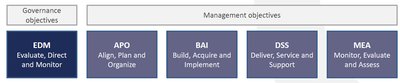
COBIT is a framework for IT governance and management, aligning IT strategy with business goals and ensuring effective IT resource management and risk mitigation.
Comparison of Control Frameworks
Standard | COSO-IC IF | COSO-ERM | COBIT |
|---|---|---|---|
What is it? | Model for internal control effectiveness | Principles for managing risk and performance | IT governance and management framework |
Main use | Financial reporting, efficiency, fraud prevention | Align risk management with strategy | Align IT with business goals |
Market perception | Benchmark for compliance | Strategic risk integration | Comprehensive IT guide |
Users | All organizations, especially financial | Organizations with risk-based strategy | IT and business leaders |
Control Environment
Elements of the Control Environment
The control environment, or company culture, is the foundation for internal controls. It includes management’s philosophy, ethical values, oversight by the Board of Directors, organizational structure, authority assignment, and human resource standards.
Risk Assessment and Response
Risk Assessment Principles
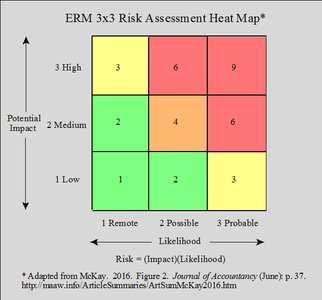
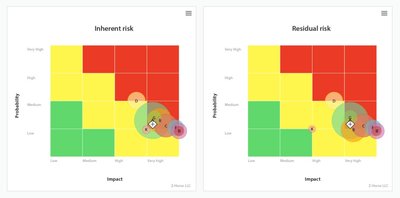
Risk is assessed by estimating potential loss (exposure/impact) and the probability (likelihood) of occurrence. Types of risk include:
Inherent risk: Exists before controls are applied.
Residual risk: Remains after controls are implemented.
Risk Responses
Reduce: Implement effective internal controls.
Accept: Do nothing, accept risk.
Share: Buy insurance, outsource, or hedge.
Avoid: Do not engage in the activity.
Assessing and Responding to Risk: Example
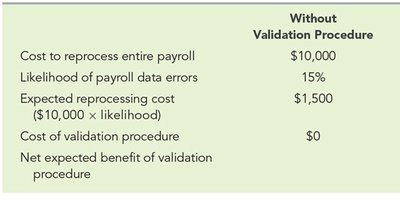
To estimate expected loss:
Example: Payroll reprocessing cost is $10,000, likelihood of error is 15%, expected cost is $1,500.
Information, Communication, and Monitoring
Information and Communication Principles
Organizations must obtain or generate relevant, high-quality information to support internal control, communicate objectives and responsibilities internally, and share relevant control matters externally.
Monitoring Principles
Monitoring involves ongoing or periodic evaluations of internal controls, effective supervision, responsibility accounting systems, system activity monitoring, periodic audits, and fraud detection mechanisms.
Control Activities
Types of Control Activities
Authorization: Specific and general authorization of transactions.
Project development and acquisition controls: Strategic planning, milestones, evaluations, and reviews.
Change management controls: Managing changes to systems and processes.
Design and use of documents and records: Ensuring proper documentation.
Safeguarding assets, records, and data: Policies, procedures, restricted access, and protection of records.
Independent checks on performance: Reviews, reconciliations, comparisons, and double-entry accounting.
Segregation of Duties
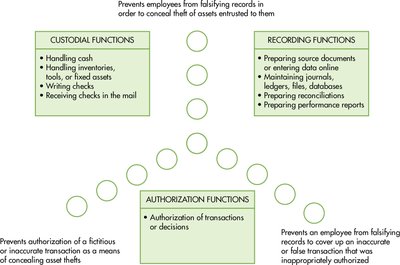
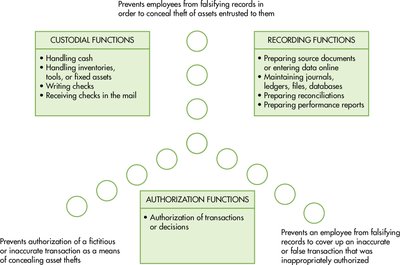
Segregation of duties is a key control activity that prevents fraud by ensuring no single employee has too much responsibility over transactions and business processes. The three functions that must be segregated are:
Custodial function: Handling cash, inventories, and assets.
Recording function: Preparing source documents, maintaining journals, and databases.
Authorizing function: Authorization of transactions and decisions.
Service Organization Controls (SOC)
SOC Reports
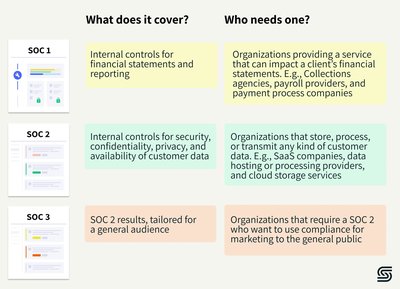
SOC reports are generated by independent audits of a company’s information security systems and controls. They provide assurance regarding the security, availability, processing integrity, confidentiality, and privacy of information systems.
Discussion: Perception of Controls
Controls as "Red Tape"
While some view control procedures as bureaucratic and morale-reducing, effective controls are essential for safeguarding assets, ensuring reliable financial reporting, and complying with regulations. Controls can be designed to minimize disruption and maximize organizational benefit.
Example: Implementing automated validation procedures reduces errors and operational losses without excessive manual intervention.
