 뒤로
Chapter 1: Matter, Energy, and Measurement – Essential Study Notes
스터디 가이드 - 스마트 노트
 자료에 맞춘 맞춤형 노트, 핵심 정의, 예시, 맥락을 확장해 제공합니다.
Chapter 1: Matter, Energy, and Measurement
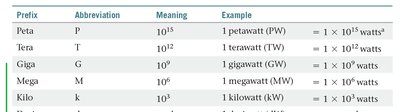
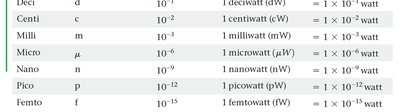
Prefixes and Units of Measurement
Understanding metric prefixes is fundamental for expressing quantities in chemistry. Prefixes indicate the scale of measurement and are used to simplify large or small numbers.
Prefix: A word or letter placed before a unit to indicate a multiple or fraction of that unit.
Common Prefixes: Examples include kilo (103), milli (10-3), micro (10-6), and nano (10-9).
Conversion Example:
Angstrom (Å):
Temperature Scales and Conversion
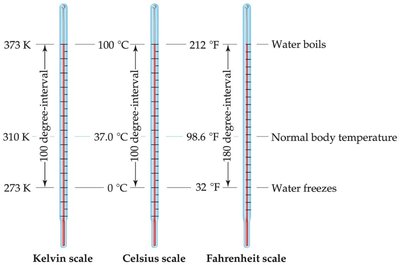
Temperature is a key physical property measured in chemistry. The three main scales are Kelvin, Celsius, and Fahrenheit.
Kelvin (K): The SI unit for temperature; absolute zero is 0 K.
Celsius (°C): Water freezes at 0°C and boils at 100°C.
Fahrenheit (°F): Water freezes at 32°F and boils at 212°F.
Conversion Formula:
Key Points: 100 degree intervals between freezing and boiling for Kelvin and Celsius; 180 for Fahrenheit.
Atoms, Molecules, Elements, and Compounds
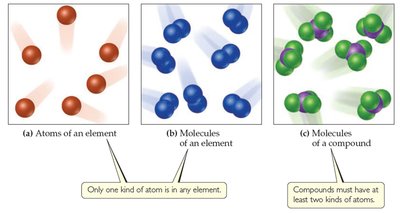
Chemistry studies the composition and structure of matter, which is made up of atoms and molecules. Elements and compounds are fundamental classifications.
Atom: The smallest unit of an element, retaining its chemical properties.
Molecule: Two or more atoms bonded together.
Element: A substance made of only one kind of atom.
Compound: A substance composed of two or more different atoms chemically bonded.
Example: Water (H2O) is a compound made of hydrogen and oxygen atoms.
Chemical Change vs. Physical Change
Changes in matter are classified as either chemical or physical. Understanding the distinction is crucial for identifying reactions and processes.
Chemical Change: Produces new substances with different molecular structures (e.g., burning, corrosion).
Physical Change: Alters physical properties without changing the molecular structure (e.g., changes in density, mass, volume).
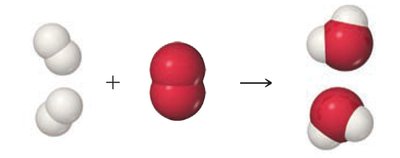
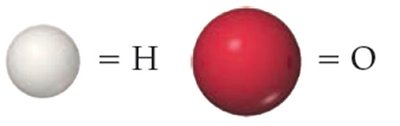
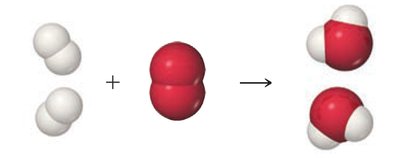
Example of Chemical Change: Formation of water from hydrogen and oxygen gases.
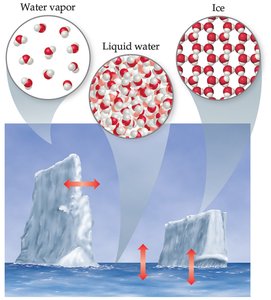
Example of Physical Change: Freezing of water, compression of oxygen gas.
Identifying Chemical and Physical Changes
Recognizing whether a process is chemical or physical is a key skill in chemistry. Chemical changes involve the formation of new substances, while physical changes do not.
Rusting of a nail: Chemical change (formation of iron oxide).
Freezing of water: Physical change (change of state).
Decomposition of water: Chemical change (breakdown into hydrogen and oxygen gases).
Compression of oxygen gas: Physical change (change in volume and pressure).

Additional info:
The first 20 elements in the periodic table are essential for foundational chemistry knowledge. Their names and symbols should be memorized for quick reference.
Measurement and unit conversion are critical skills for laboratory and theoretical chemistry.
