뒤로

CHE 110: Introduction to Chemistry – Syllabus and Course Overview Study Notes

학습 가이드 - 영상으로 배우기

업로드한 자료에 맞춘 엄선된 수업 – 모든 주제를 단계별로 배워보세요.

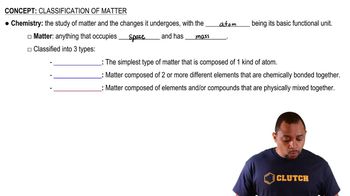
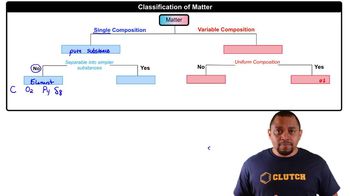
Classification of Matter

  • Types of Matter
    01:34
  • Introduction to General Chemistry Course
    1:44
  • Matter Composition
    04:19

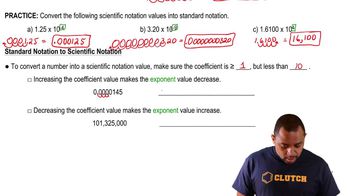
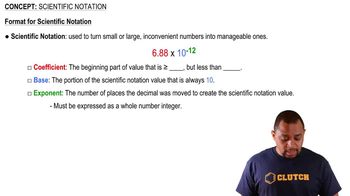
Scientific Notation

  • Standard Notation to Scientific Notation
    02:50
  • Scientific Notation Concepts
    01:41
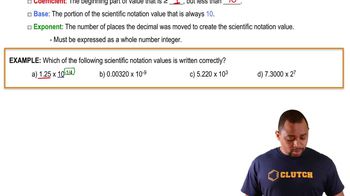
  • Scientific Notation Example
    01:53

SI Units

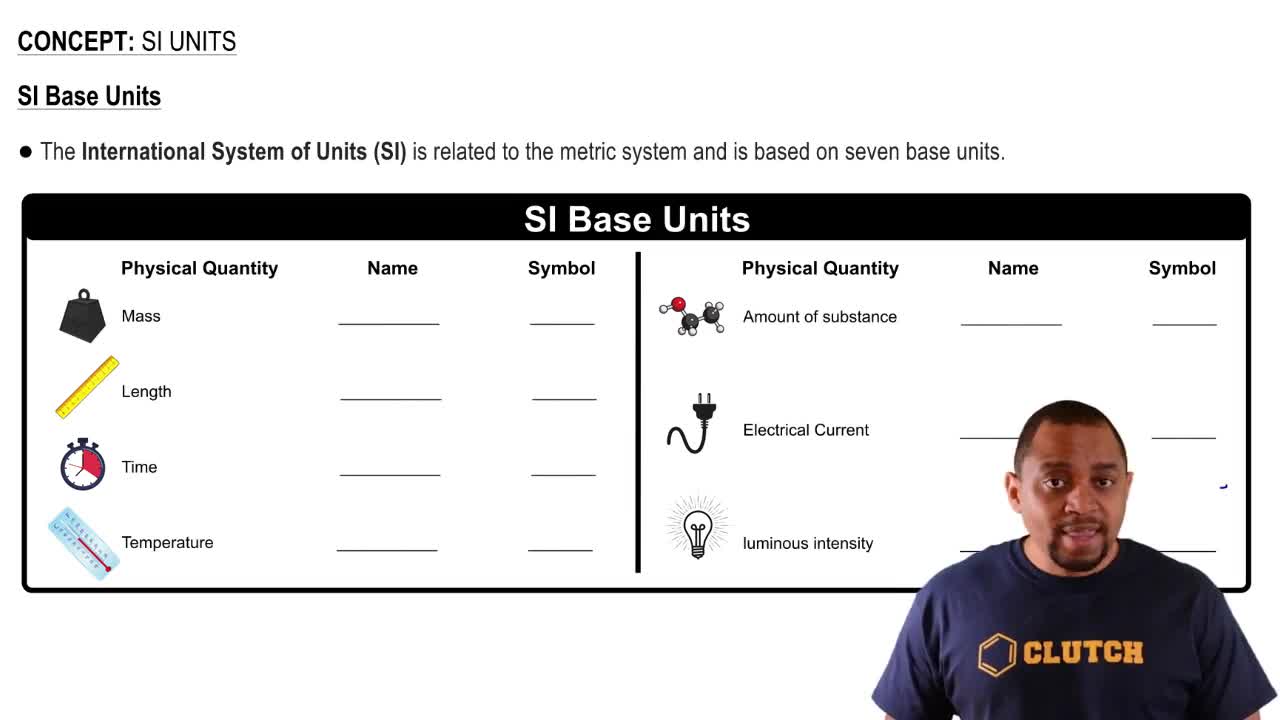
  • SI Units
    02:13
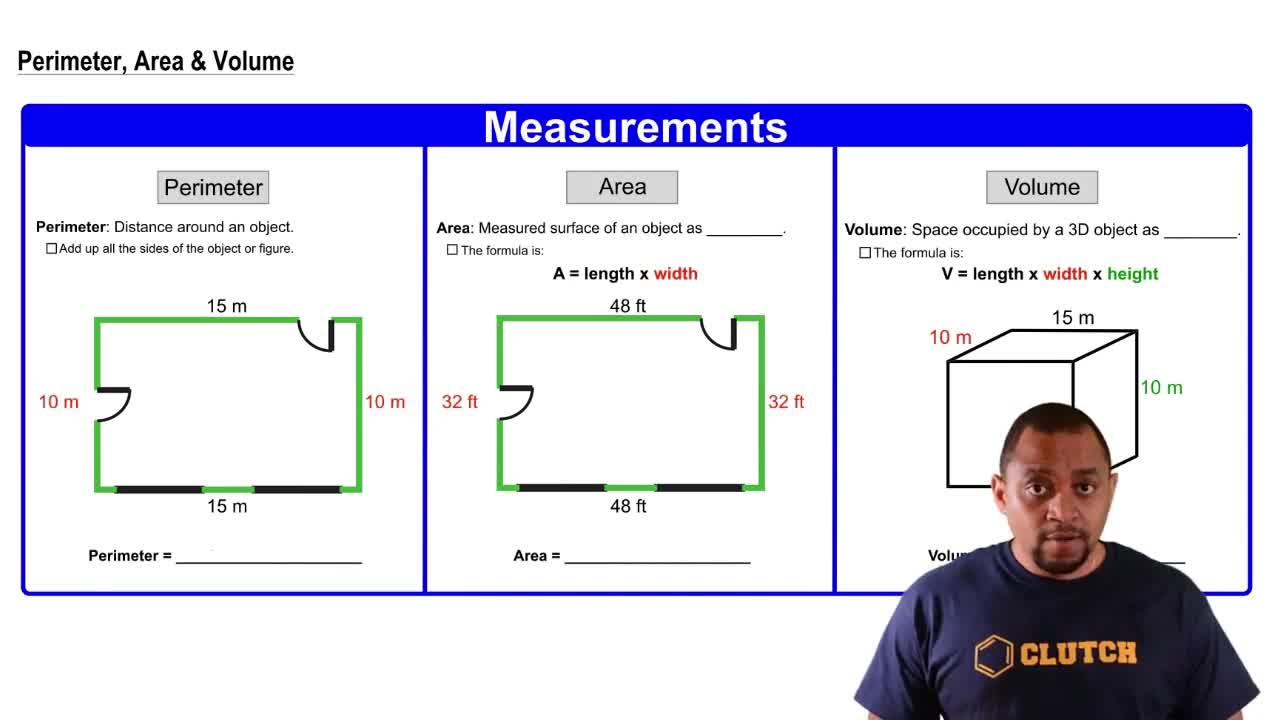
  • Perimeter, Area, Volume
    03:47

Metric Prefixes

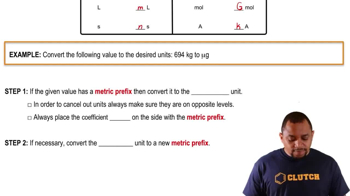
  • Metric Prefixes Conversion Example
    03:33
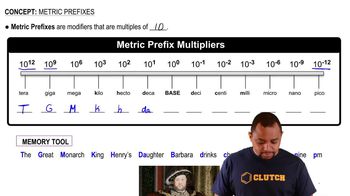
  • Metric Prefixes Chart
    03:59
  • Metric Prefixes Usage
    01:16

Significant Figures

  • Significant Figures Example
    01:09
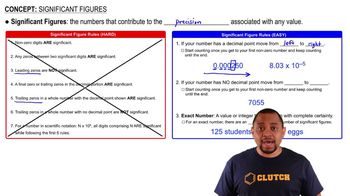
  • Significant Figures Rules
    04:40

Physical & Chemical Changes

  • Chemical Change Example
    01:52
  • Reversible Changes in Matter
    03:42
  • Physical Change Example
    01:52

The Atom

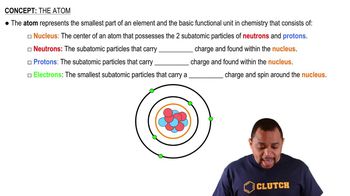
  • The Nucleus
    02:53
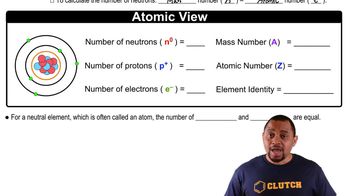
  • Atom Structure
    02:10
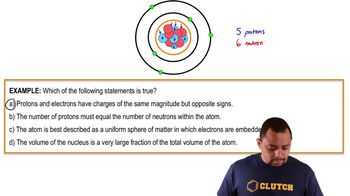
  • Atom Structure Example
    02:52

Subatomic Particles

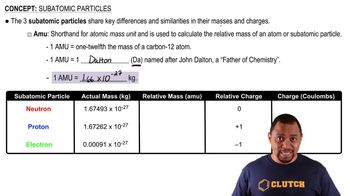
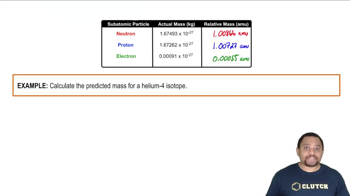
  • Subatomic Particles
    05:19
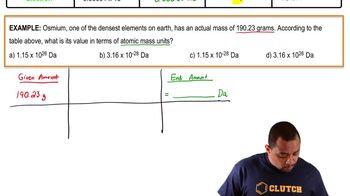
  • Atomic Mass Unit Example
    03:31

Isotopes

  • Isotopes
    04:36
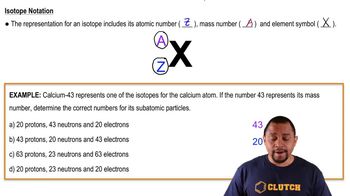
  • Isotope Notation Example
    03:57

Ions

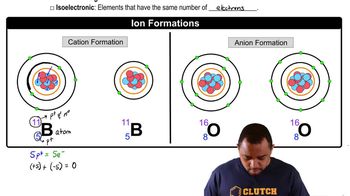
  • Ion Formation
    06:17
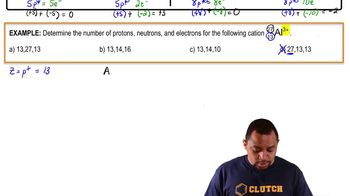
  • Cation Subatomic Particles Example
    02:22
  • Atoms vs. Ions
    01:36

Atomic Mass

  • Calculating Abundance Example
    5:41
  • Greatest Atomic Mass Example
    02:06
  • Calculating Atomic Mass
    00:40

Periodic Table: Classifications

  • Nonmetal Properties
    01:12
  • Periodic Table Classifications
    02:40
  • Metalloid Properties
    03:37

Periodic Table: Group Names

  • Periodic Table: Group Names
    05:33
  • Periodic Table: Group Names Example
    01:17

Periodic Table: Representative Elements & Transition Metals

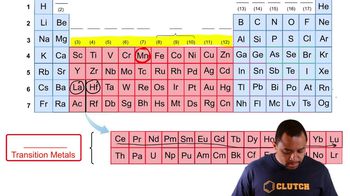
  • Transition Metal Example
    01:23
  • Transition Metals and Representative Elements
    03:30

Periodic Table: Element Symbols

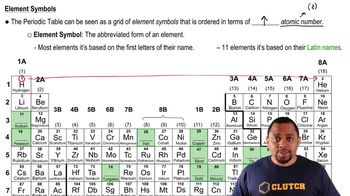
  • Periodic Table History
    04:01
  • Halogen Example
    01:01

Periodic Table: Elemental Forms

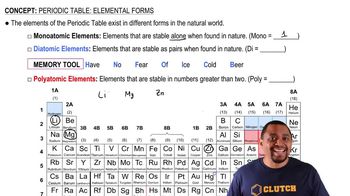
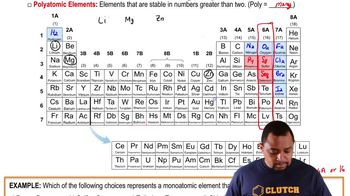
  • Elemental Forms of Elements
    02:35
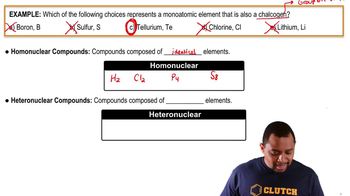
  • Chalcogen Identification Example
    01:15
  • Homonuclear vs. Heteronuclear Compounds
    01:21

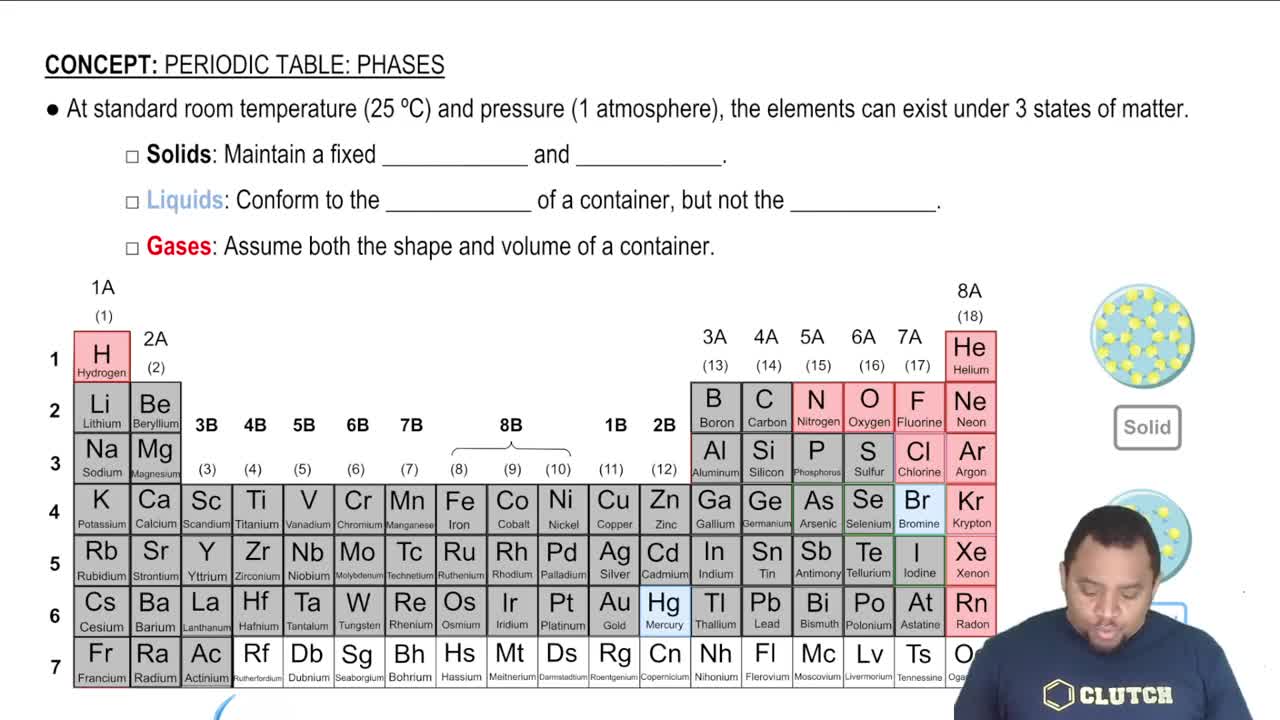
Periodic Table: Phases

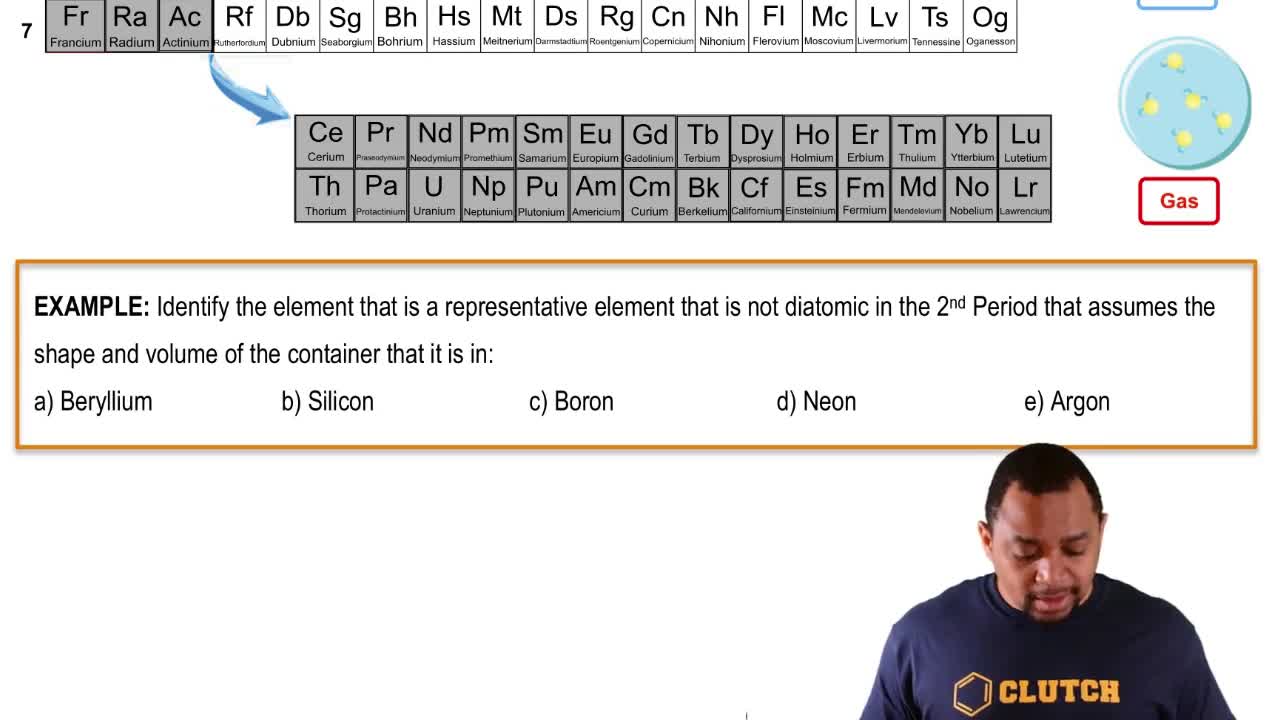
  • Second Period State of Matter Example
    02:07
  • Element States of Matter
    03:25

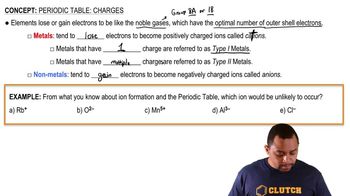
Periodic Table: Charges

  • Unlikely Ion Example
    01:52
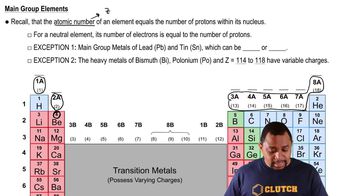
  • Main Group Element Charges
    07:38
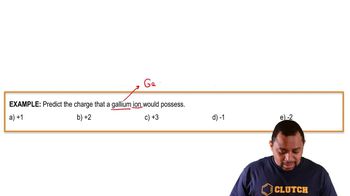
  • Main Group Element Charges Example
    00:48

Calculating Molar Mass

  • Molar Mass Concept
    02:11
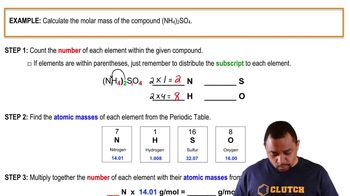
  • Molar Mass Calculation Example
    03:12

Mole Concept

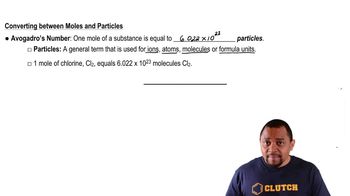
  • Moles and Particles Conversion
    02:41
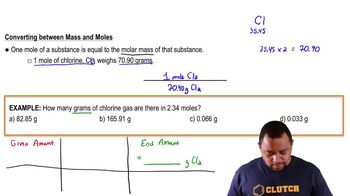
  • Moles to Molecules Conversion Example
    01:41
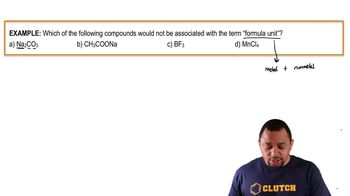
  • Formula Unit Example
    01:28

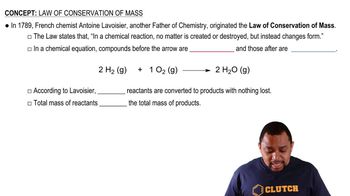
Law of Conservation of Mass

  • Law of Conservation of Mass Example
    01:20
  • Law of Conservation of Mass
    01:48

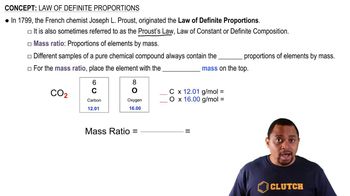
Law of Definite Proportions

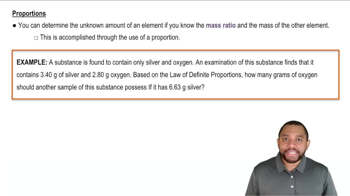
  • Law of Definite Proportions Example
    1:59
  • Law of Definite Proportions Example
    2:23
  • Law of Definite Proportions
    02:48

Law of Multiple Proportions

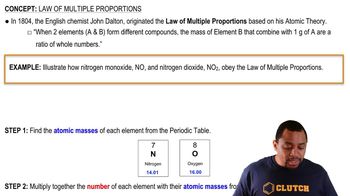
  • Law of Multiple Proportions
    03:32

Naming Ionic Compounds

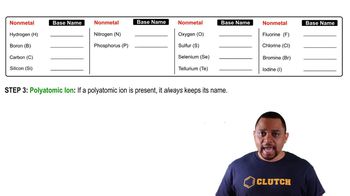
  • Base Names of Nonmetals
    01:52
  • Naming Ionic Compounds Example
    01:01
  • Ionic Compounds Naming
    02:11

Writing Ionic Compounds

  • Writing Ionic Compounds Example
    01:25
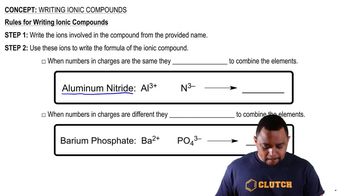
  • Rules for Writing Ionic Compounds
    03:09

Naming Acids

  • Acids and Their Structure
    02:15
  • Rules for Naming Oxyacids
    02:49
  • Naming Binary Acids Example
    02:21

Naming Molecular Compounds

  • Naming Molecular Compounds
    02:06
  • Naming Molecular Compounds Example
    01:21

Balancing Chemical Equations

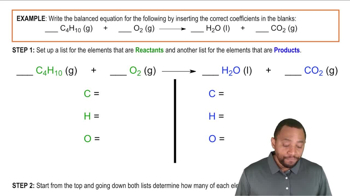
  • Balancing Chemical Equations
    01:32
  • Balancing Chemical Equations Example
    03:50

Stoichiometry

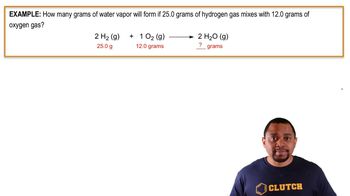
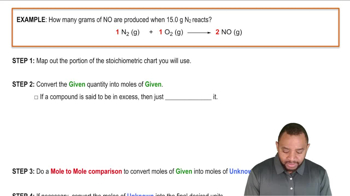
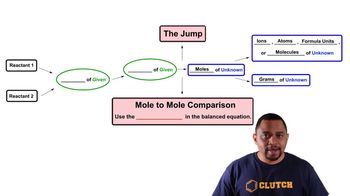
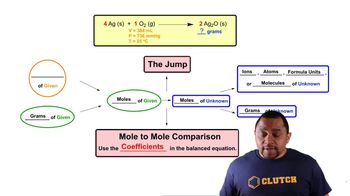
  • Stoichiometry Example
    3:54
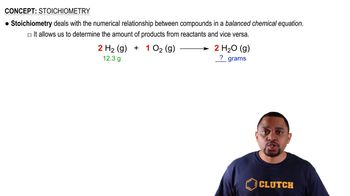
  • Stoichiometry Concept
    01:16
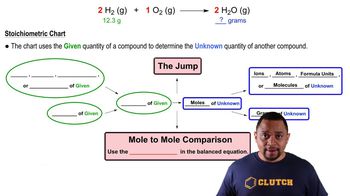
  • Stoichiometric Chart Concept
    03:04

Limiting Reagent

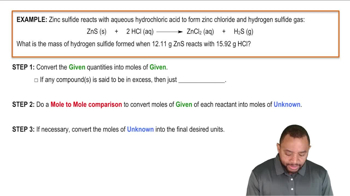
  • Limiting Reagent Example
    4:53
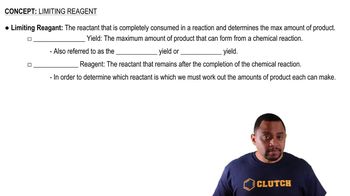
  • Limiting Reagent Concept
    01:30
  • Limiting Reagent in Reactions
    01:34
Percent Yield

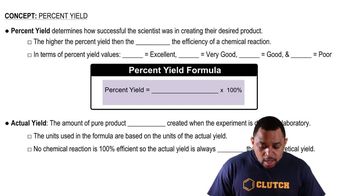
  • Percent Yield in Reactions
    03:09
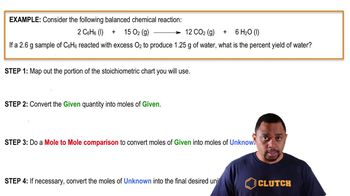
  • Percent Yield Example
    04:43

Mass Percent

  • Mass Percent Example
    1:22
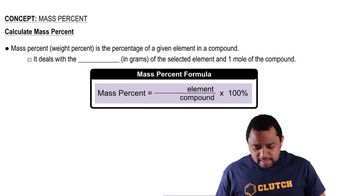
  • Mass Percent Calculation
    00:38

Gas Stoichiometry

  • Gas Stoichiometry Chart
    02:05
  • Gas Stoichiometry Concepts
    00:47
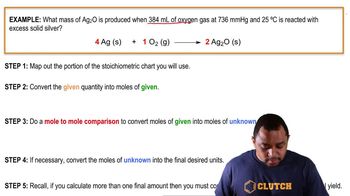
  • Gas Stoichiometry Calculation Example
    03:51

Chemistry Gas Laws

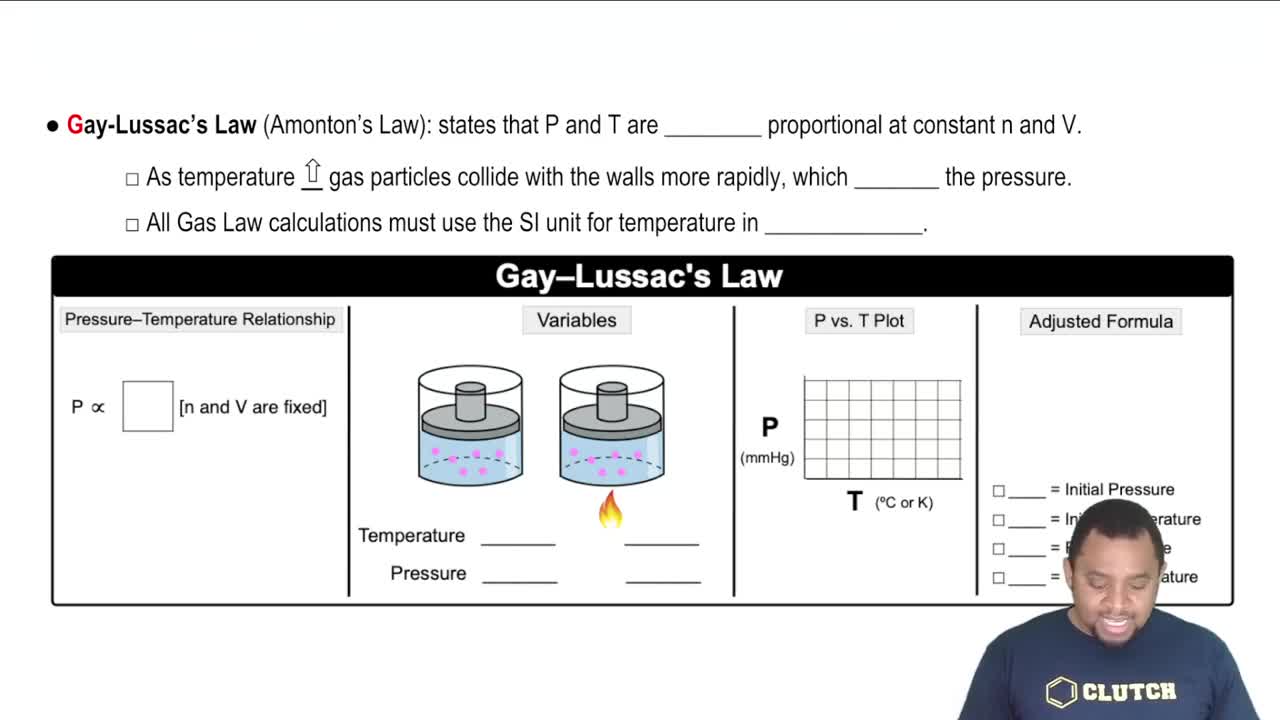
  • Gay Lussac's Law
    02:55
  • Chemistry Gas Laws Example
    01:14
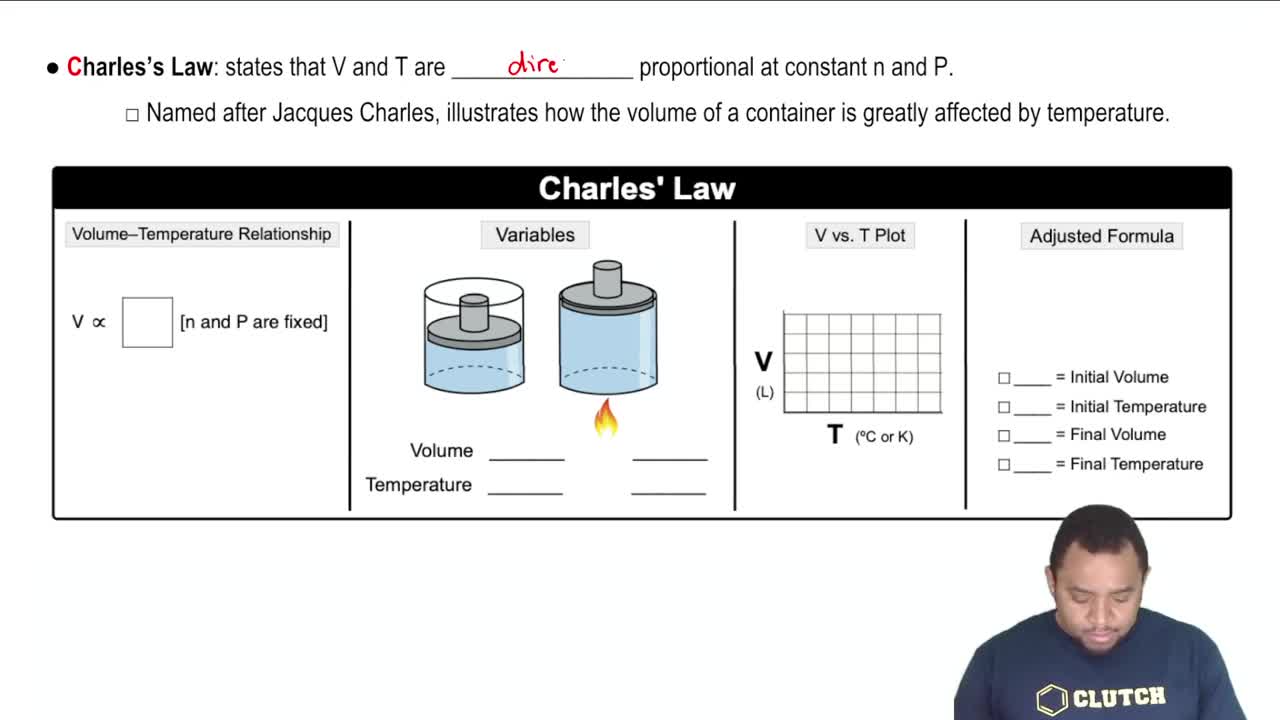
  • Charles's Law
    02:06

Chemistry Gas Laws: Combined Gas Law

  • Combined Gas Law Example
    03:35
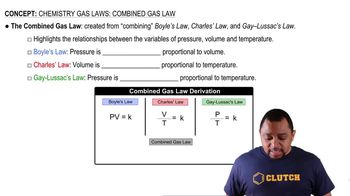
  • Combined Gas Law
    01:43

The Ideal Gas Law

  • Ideal Gas Law Units Example
    02:58
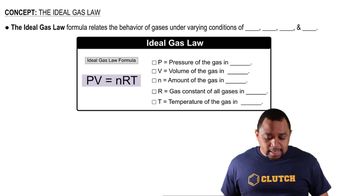
  • Ideal Gas Law Formula
    01:15
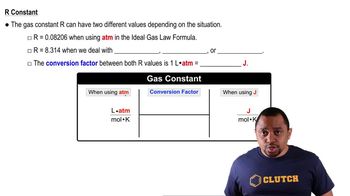
  • Gas Constant Values
    01:56

The Ideal Gas Law Applications

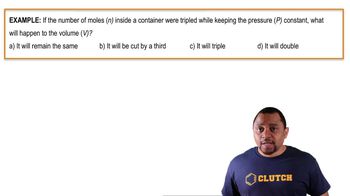
  • Relationship of Volume and Moles Example
    01:09
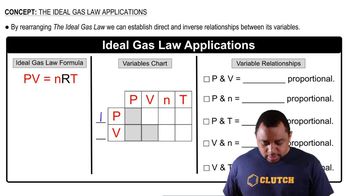
  • Ideal Gas Law Relationships
    04:09

Temperature

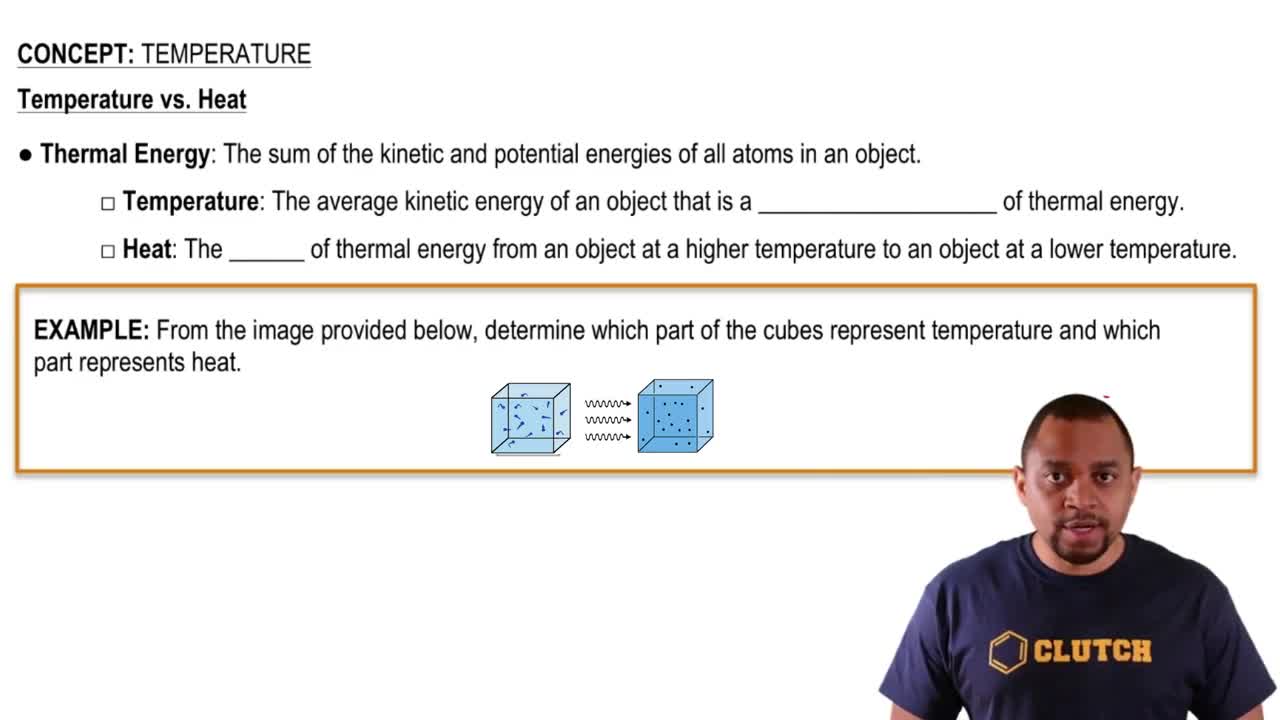
  • Temperature vs Heat
    03:48
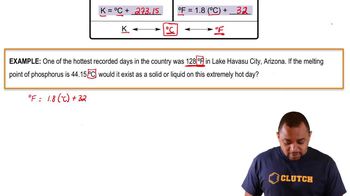
  • Temperature Conversion Example
    02:10
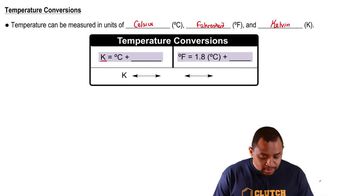
  • Temperature Conversion Formulas
    02:03

Solutions

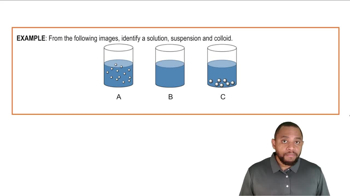
  • Identify Mixtures Example
    01:16
  • Suspensions and Colloids
    02:38
  • Solution Components Example
    1:17

Molarity

  • Calculate Molarity Example
    01:46
  • Molarity
    01:13
  • Molarity Concept
    00:53

Dilutions

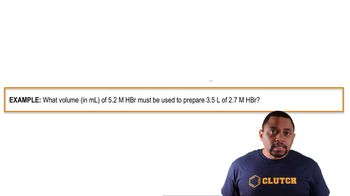
  • Dilution Calculation Example
    02:36
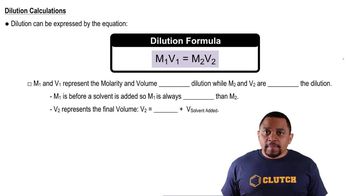
  • Dilution Equation
    00:58
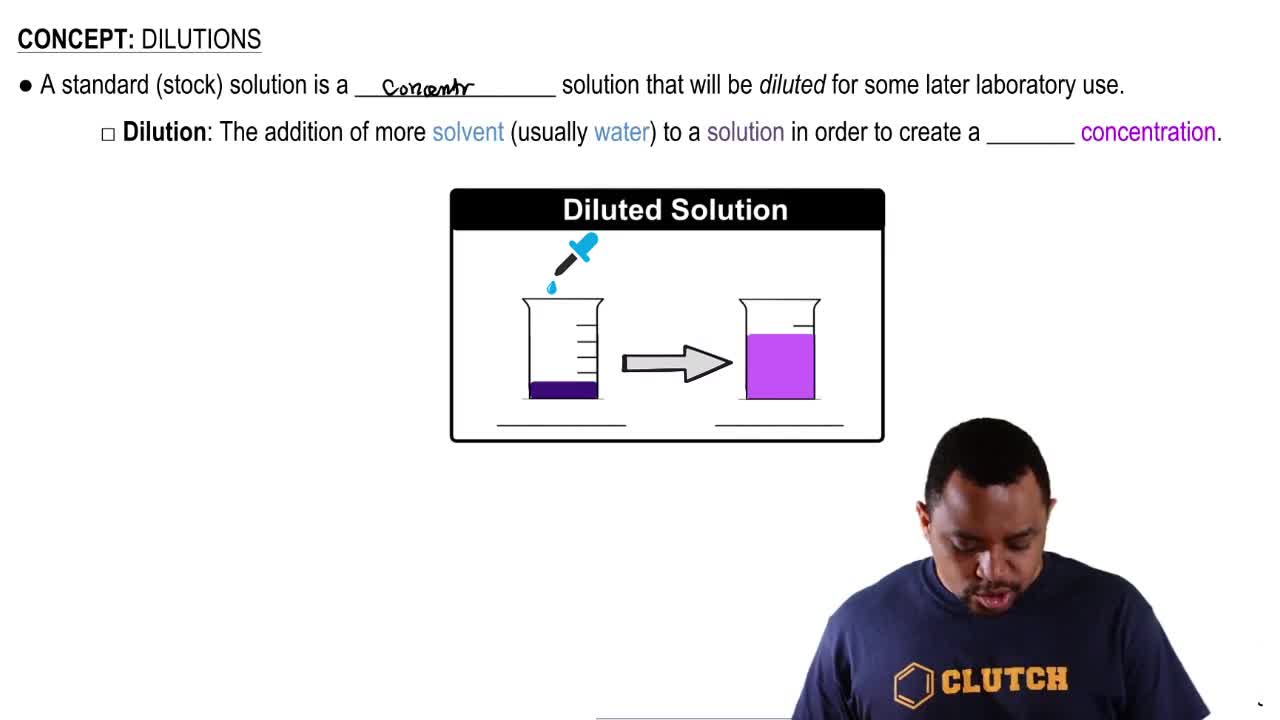
  • Solution Dilution Process
    01:03

Solubility Rules

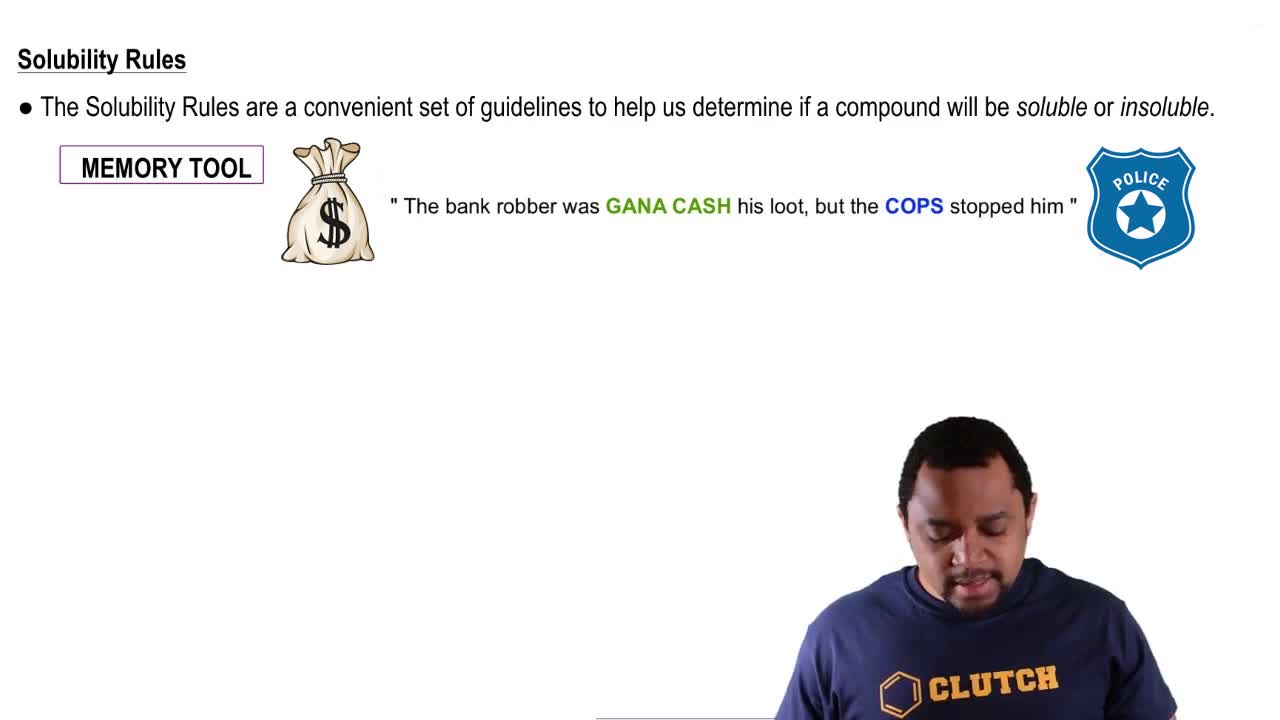
  • Solubility Rules
    00:28
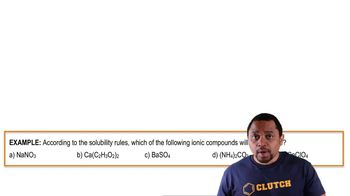
  • Soluble Ionic Solutes Example
    01:32
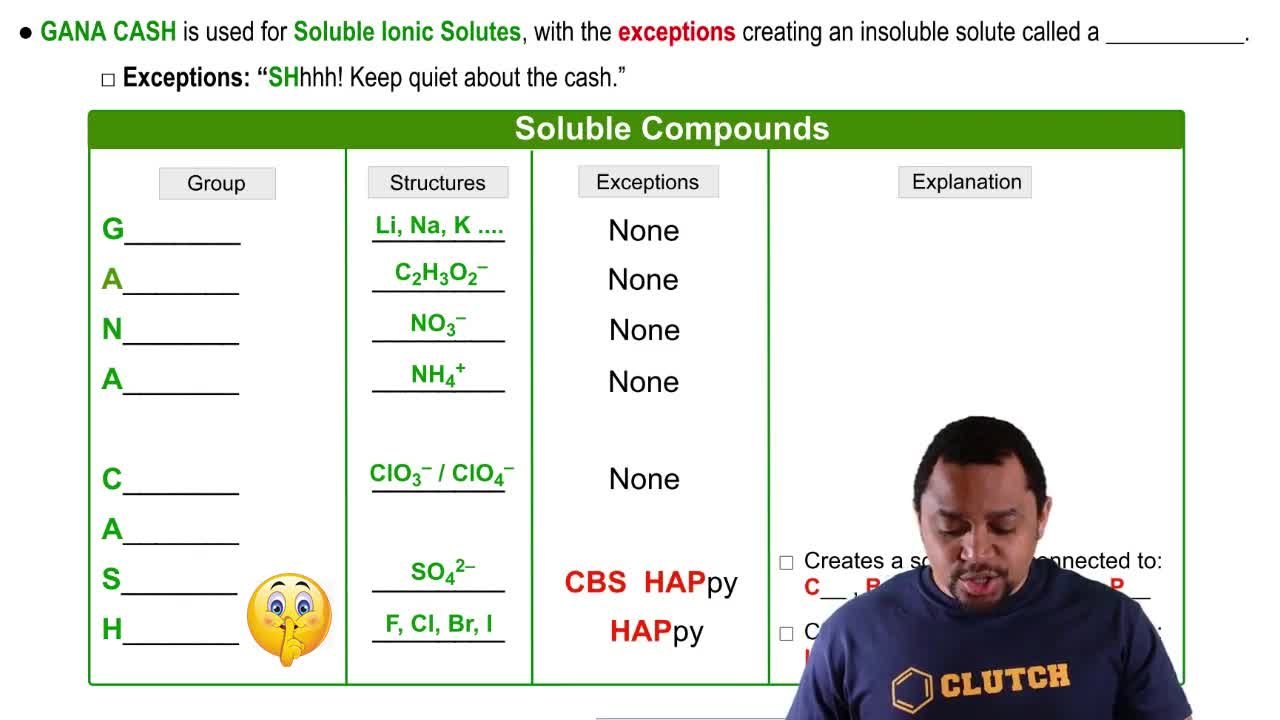
  • Soluble Ionic Solutes
    02:30

Electrolytes

  • Weak Electrolytes and Weak Acids
    00:55
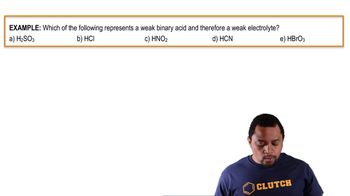
  • Weak Electrolyes and Weak Acids Example
    00:42
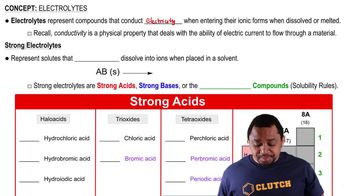
  • Electrolytes and Strong Acids
    02:50

Molecular Equations

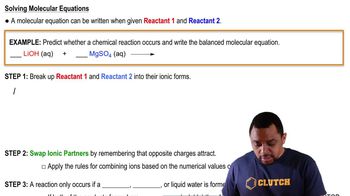
  • Molecular Equation Example
    05:07
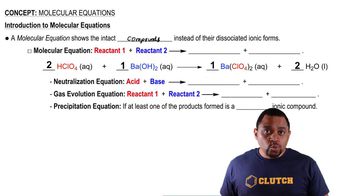
  • Types of Molecular Equations
    02:24
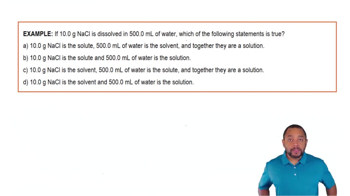
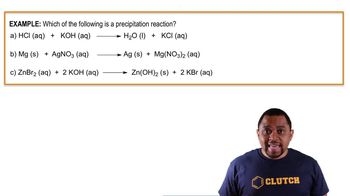
  • Precipitation Reaction Example
    01:13

Acids Introduction

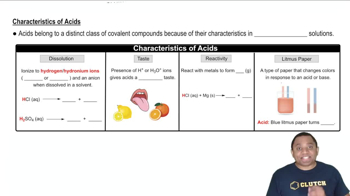
  • Acid Structure and Types
    02:29
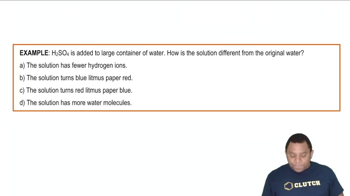
  • Acid Characteristics
    02:59
  • Acid Characteristics Example
    01:23

Bases Introduction

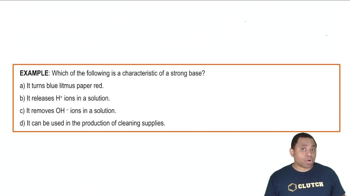
  • Strong Bases Example
    01:12
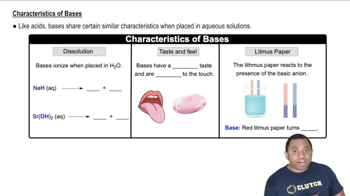
  • Base Properties
    01:57
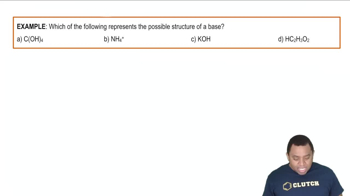
  • Base Structure Example
    01:16

Arrhenius Acids and Bases

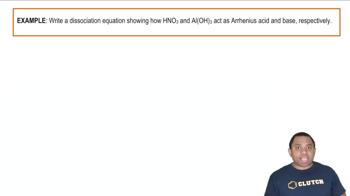
  • Acid-Base Dissociation Example
    00:54
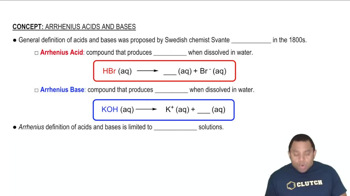
  • Arrhenius Acids and Bases
    02:00

Bronsted-Lowry Acids and Bases

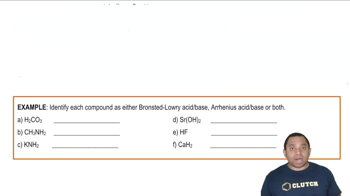
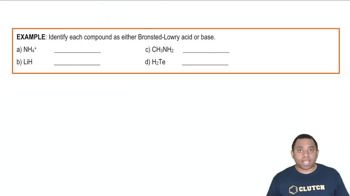
  • Acid-Base Classification Example
    02:56
  • Bronsted-Lowry Acids and Bases Example
    01:10
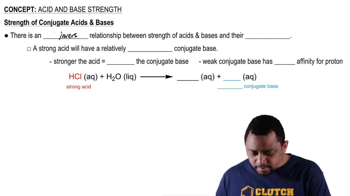
  • Strength of Conjugate Acids and Bases
    00:50

Lewis Acids and Bases

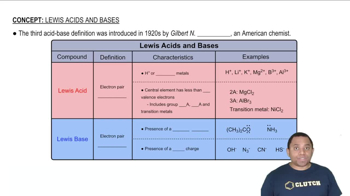
  • Lewis Acids and Bases
    05:04
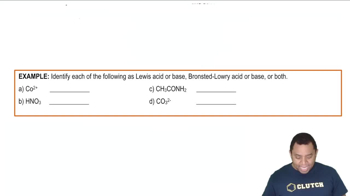
  • Lewis Acid-Base Identification Example
    02:30
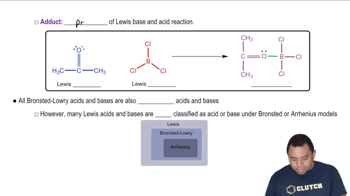
  • The Adduct
    03:50

The pH Scale

  • pH Calculation Example
    02:15
  • Least Acidic Solution Example
    00:48
  • Additional pH and pOH Calculations
    00:58

Ka and Kb

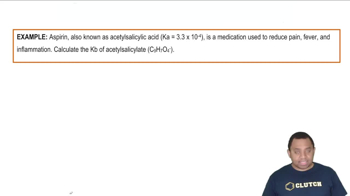
  • Ka and Kb Example
    01:31
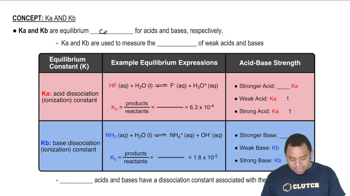
  • Characteristics of Ka and Kb
    03:50
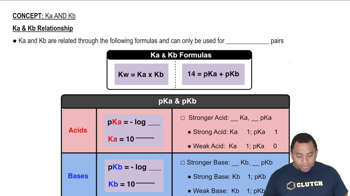
  • Ka and Kb Relationship
    03:01

pH of Strong Acids and Bases

  • pOH Calculation Example
    01:18
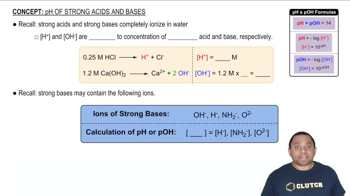
  • pH of Strong Acids and Bases
    02:39

pH of Weak Acids

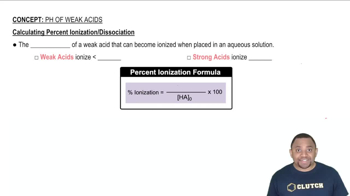
  • Calculating Percent Ionization of Weak Acids
    01:15
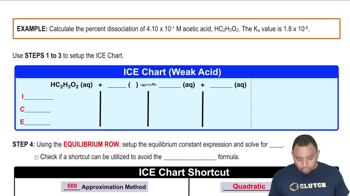
  • Percent Dissociation Example
    04:52
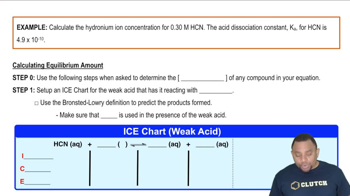
  • Hydronium Ion Concentration Example
    06:25

pH of Weak Bases

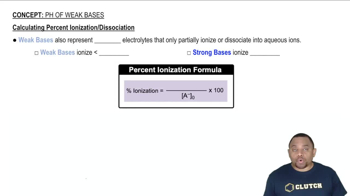
  • Calculating Percent Ionization of Weak Bases
    01:00
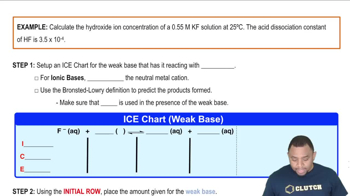
  • Hydroxide Ion Concentration Example
    06:12
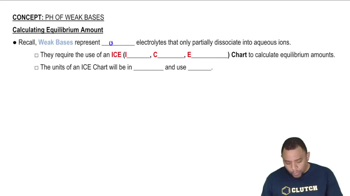
  • ICE Charts of Weak Bases
    00:51

Intro to Buffers

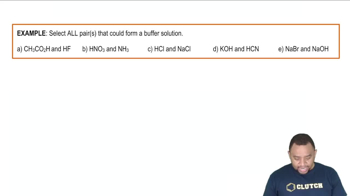
  • Buffer Solution Example
    02:41
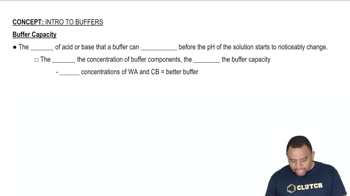
  • Buffer Capacity
    00:45
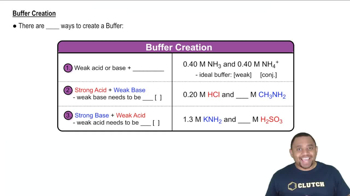
  • Buffer Creation Methods
    03:04

Henderson-Hasselbalch Equation

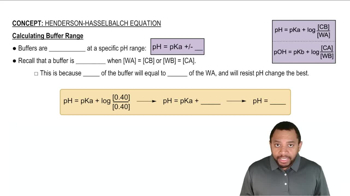
  • Buffer Range Calculation
    02:47
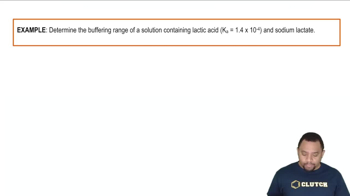
  • Buffering Range Example
    01:22
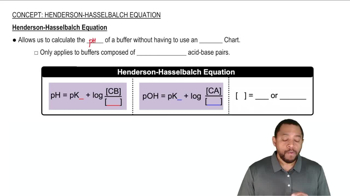
  • Henderson-Hasselbalch Equation
    02:40

Intro to Acid-Base Titration Curves

  • Equivalence Point Example
    01:35
  • Acid-Base Titration Curve Example
    01:35
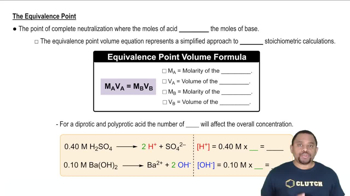
  • Equivalence Point in Titration
    03:06

Strong Titrate-Strong Titrant Curves

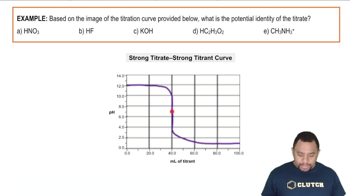
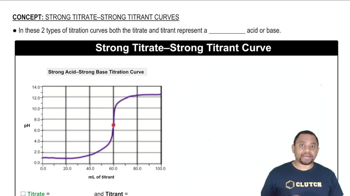
  • Strong Titrate-Strong Titrant Curve Example
    02:56
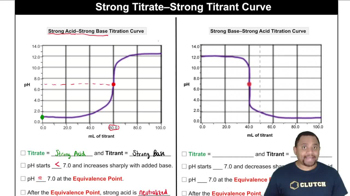
  • Strong Acid-Strong Base Titration Curve
    02:32
  • Strong Titrate-Strong Titrant Curve
    02:09

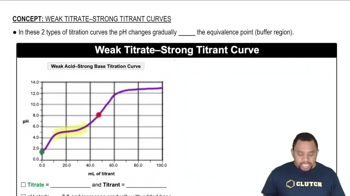
Weak Titrate-Strong Titrant Curves

  • Weak Titrate-Strong Titrant Curve Example
    02:08
  • Acid-Base Titration Formulas Example
    03:01
  • Weak Acid-Strong Base Titration Curve
    02:19

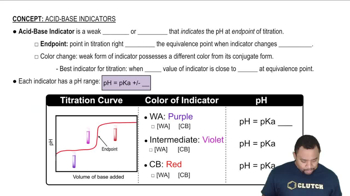
Acid-Base Indicators

  • Acid-Base Indicators
    04:30
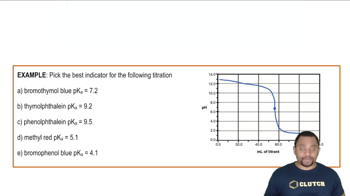
  • Best Indicator Example
    00:52

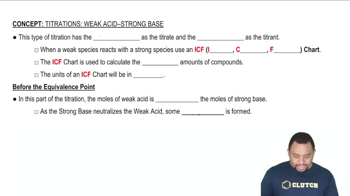
Titrations: Weak Acid-Strong Base

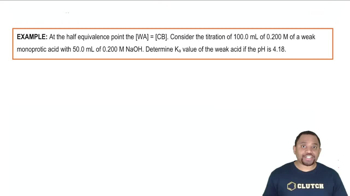
  • At the Equivalence Point
    01:07
  • Before the Equivalence Point
    01:30
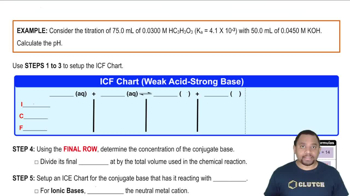
  • pH at the Equivalence Point Example
    08:27

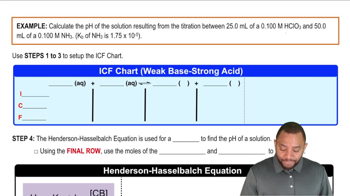
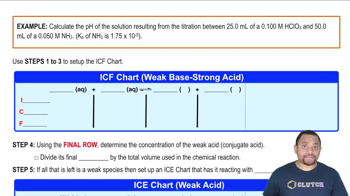
Titrations: Weak Base-Strong Acid

  • pH Before the Equivalence Point Example
    05:10
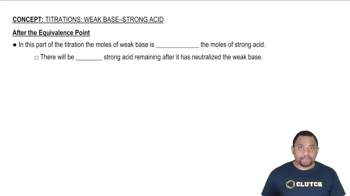
  • After the Equivalence Point
    00:53
  • pH at the Equivalence Point Example
    07:28

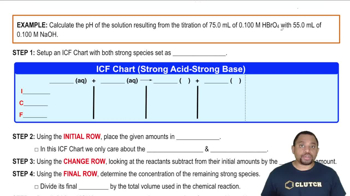
Titrations: Strong Acid-Strong Base

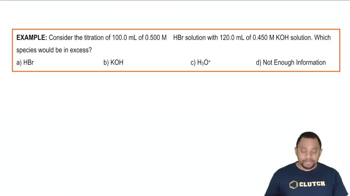
  • Strong Acid-Strong Base Titration Example
    04:43
  • Strong Acid-Strong Base Titration
    01:09

Nuclear Binding Energy

  • Nuclear Binding Energy
    02:06
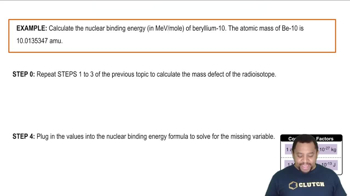
  • Nuclear Binding Energy Example
    03:50

Mass Defect

  • Mass Defect Example
    01:35
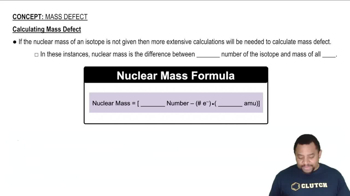
  • Calculating Mass Defect
    00:55
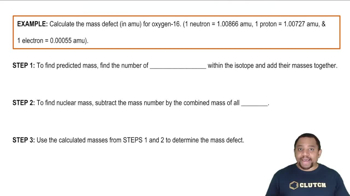
  • Calculating Mass Defect Example
    03:08

Intro to Radioactivity

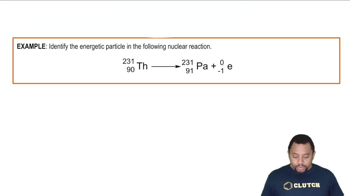
  • Nuclear Reaction Example
    00:45
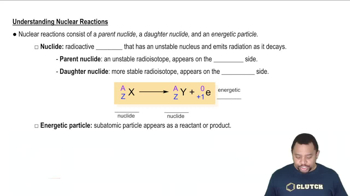
  • Understanding Nuclear Reactions
    01:44
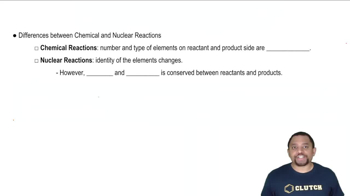
  • Nuclear vs Chemical Reactions
    01:08

Alpha Decay

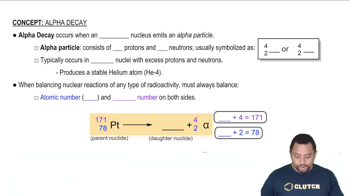
  • Alpha Decay
    03:53
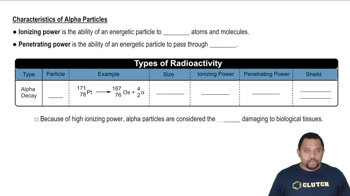
  • Characteristics of Alpha Particles
    02:48
  • Alpha Decay Reaction Example
    01:22

Beta Decay

  • Beta Decay Reaction Example
    01:21
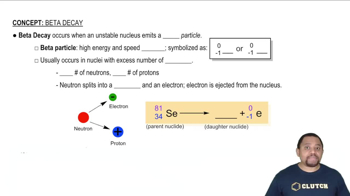
  • Beta Decay
    03:01
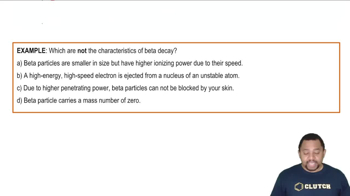
  • Characteristics of Beta Particles Example
    01:02

Gamma Emission

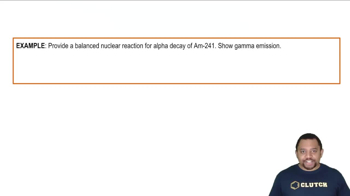
  • Gamma Emission Reaction Example
    02:16
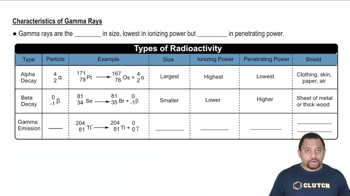
  • Characteristics of Gamma Rays
    01:35
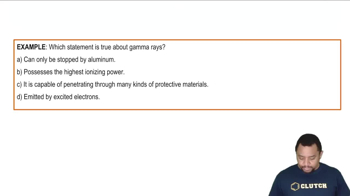
  • Characteristics of Gamma Rays Example
    01:21

Electron Capture & Positron Emission

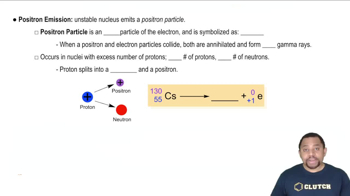
  • Positron Emission
    01:53
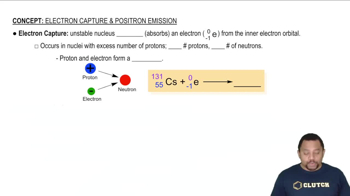
  • Electron Capture
    01:26
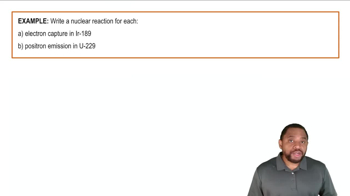
  • Electron Capture & Positron Emission Reaction Example
    03:29

Radioactive Half-Life

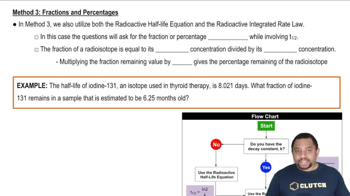
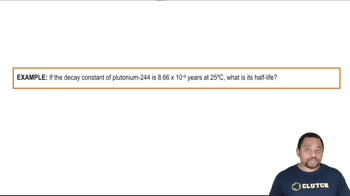
  • Method 3 of Radioactive Half-Life Example
    04:26
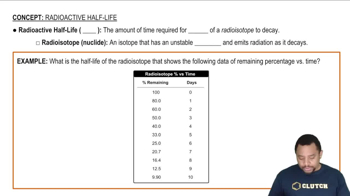
  • Intro to Radioactive Half-Life
    01:30
  • Method 1 of Radioactive Half-Life Example
    00:55

Introduction to Organic Chemistry

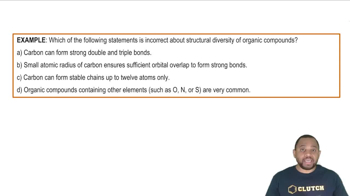
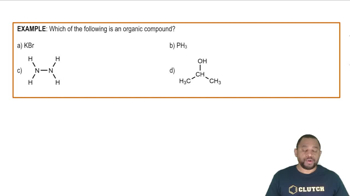
  • Introduction to Organic Chemistry Example
    01:29
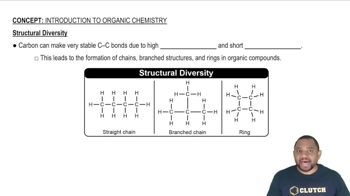
  • Structural Diversity
    01:30
  • Introduction to Organic Chemistry Example
    00:42

Naming Alkanes

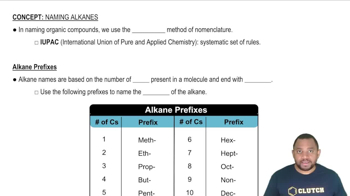
  • Rules for Naming Alkanes
    02:39
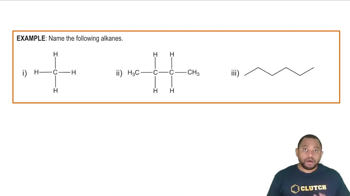
  • Naming Alkanes Example
    01:20

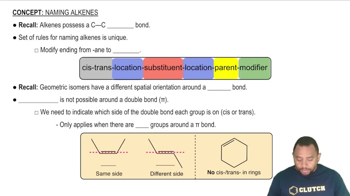
Naming Alkenes

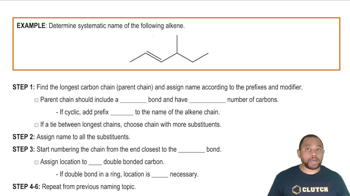
  • Naming Alkenes Example
    03:26
  • Rules for Naming Alkenes
    02:47

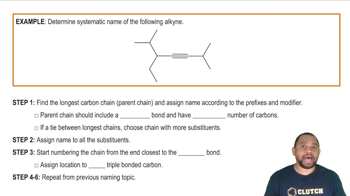
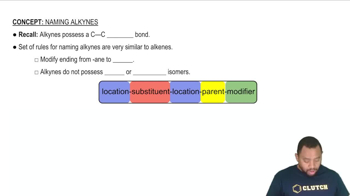
Naming Alkynes

  • Naming Alkynes Example
    04:11
  • Rules for Naming Alkynes
    00:53

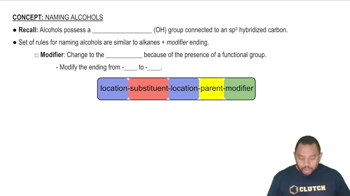
Naming Alcohols

  • Rules for Naming Alcohols
    01:10
  • Naming Alcohols Example
    03:21