 뒤로
Chemical Bonding and Molecular Geometry: Structured Study Notes
스터디 가이드 - 스마트 노트
 자료에 맞춘 맞춤형 노트, 핵심 정의, 예시, 맥락을 확장해 제공합니다.
Chemical Bonding and Molecular Geometry
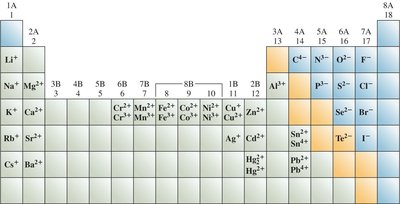
Compounds and Ionic Bonding
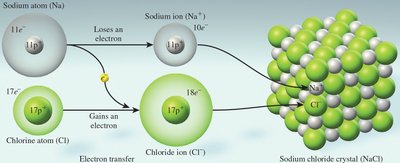
A compound is a substance composed of two or more elements combined in a specific ratio and held together by chemical bonds. Ionic bonding refers to the electrostatic attraction that holds oppositely charged ions together in an ionic compound. The attraction between the cation and anion forms a stable, electrically neutral compound.
Ionic compounds typically consist of a metal ion and a non-metal ion.
The chemical formula denotes the constituent elements and their ratio.
Example: Sodium chloride (NaCl) is formed by the transfer of an electron from sodium (Na) to chlorine (Cl).
Classification of Elements: Metals, Nonmetals, and Metalloids
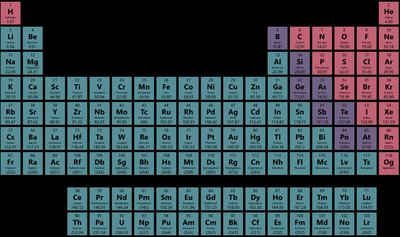
Elements are categorized based on their physical and chemical properties:
Metals: Good conductors of heat and electricity, usually solid, ductile, and malleable.
Nonmetals: Poor conductors, occur in all physical states, and are not ductile or malleable.
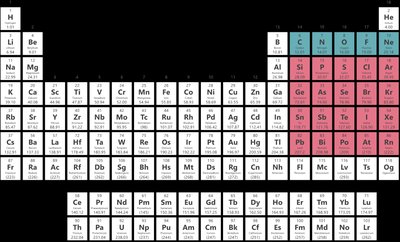
Metalloids: Exhibit intermediate properties, are semiconductors, and have both metallic and nonmetallic characteristics.
Lattice Energy and Stability of Ionic Compounds
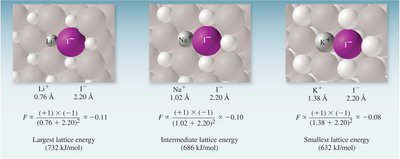
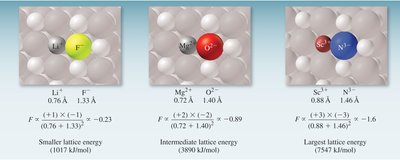
A three-dimensional array of oppositely-charged ions forms a lattice. Lattice energy is the energy required to convert a mole of ionic solid to its constituent ions in the gas phase. The magnitude of lattice energy is a measure of an ionic compound’s stability and depends on the charge and distance between ions.
Lattice energy increases with higher charge and smaller ion size.
Formula:
Electron Configurations of Ions and Isoelectronic Species
To write the electron configuration of an ion:
Write the configuration for the atom.
Add electrons for negative ions; remove electrons for positive ions.
Species with identical electron configurations to a noble gas are called isoelectronic.
Types of Chemical Bonds: Covalent, Polar Covalent, and Ionic
There are three main types of chemical bonds:
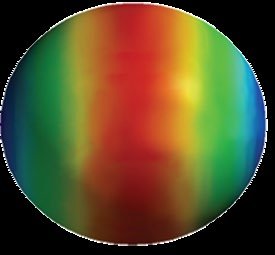
Pure covalent bond: Electrons are equally shared between neutral atoms.
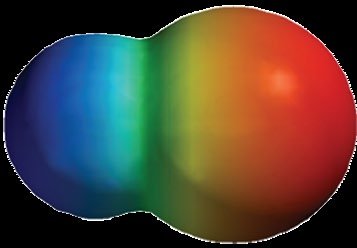
Polar covalent bond: Electrons are unequally shared, resulting in partial charges (δ+ and δ–).
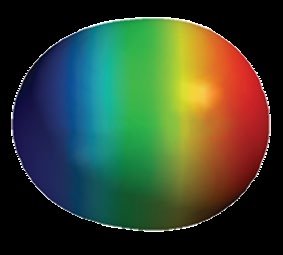
Ionic bond: Complete transfer of electrons, forming oppositely charged ions.
Electronegativity and Bond Polarity
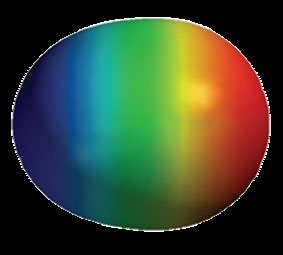
Electronegativity is the ability of an atom to attract electrons in a compound. The difference in electronegativity between atoms determines bond polarity:
Difference < 0.5: Nonpolar covalent
Difference 0.5–2.0: Polar covalent
Difference > 2.0: Ionic
Dipole Moment and Percent Ionic Character
The dipole moment (μ) quantifies bond polarity:
Formula:
Measured in debye units (D).
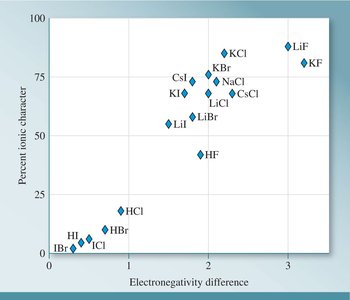
Percent ionic character compares observed and calculated dipole moments.
Formula:
Naming and Writing Formulas for Ionic Compounds
Ionic compounds can be formed from:
Metal and non-metal
Metal and polyatomic ion
Polyatomic ion and non-metal
Polyatomic ion and polyatomic ion
Rules for naming:
Name the cation (use Roman numerals for variable charge).
Name the anion, changing the ending to -ide or using the polyatomic ion name.
Formulas must be electrically neutral; use cross multiplication or sum of charges to determine ratios.
Polyatomic Ions and Oxoanions
Polyatomic ions are covalently bonded groups of atoms with a net charge. Oxoanions contain oxygen and another element:
Per-...ate: One more O than -ate
-ite: One less O than -ate
Hypo...ite: Two fewer O than -ate
Naming Molecular Compounds
Binary molecular compounds consist of two nonmetals. Greek prefixes denote the number of atoms:
Mono-, di-, tri-, tetra-, penta-, hexa-, hepta-, octa-, nona-, deca-
First element: prefix + name (omit mono-)
Second element: prefix + name ending in -ide
Compounds Containing Hydrogen and Acids
Hydrogen-containing compounds often have nonsystematic names. Binary acids are named by changing hydrogen to hydro- and the anion ending to -ic.
Example: Hydrogen chloride → Hydrochloric acid
Oxoacids: -ate → -ic acid, -ite → -ous acid
Hydrates
A hydrate is a compound with a specific number of water molecules in its solid structure. The anhydrous form contains no water.
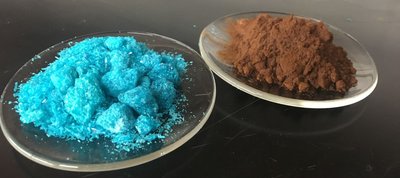
Example: CuCl2·2H2O is copper(II) chloride dihydrate.
Lewis Dot Symbols and Valence Electrons
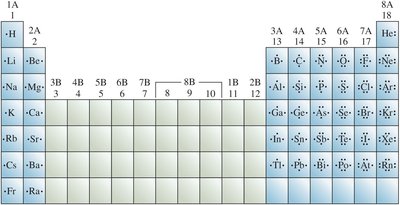
Valence electrons are the outermost electrons involved in bonding. Lewis dot symbols represent valence electrons as dots around the element symbol.
For main group metals, dots equal electrons lost.
For nonmetals, unpaired dots indicate possible bonds.
Lewis Structures and Multiple Bonds
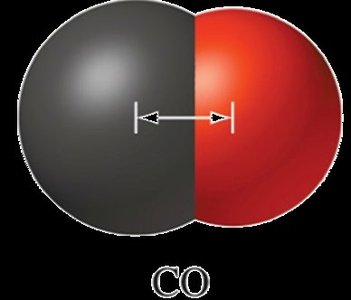
Lewis structures show covalent bonding with shared electron pairs as dashes or dots. Lone pairs are shown as pairs of dots. Multiple bonds (double, triple) involve more shared pairs and are shorter and stronger than single bonds.
Bond length: Distance between nuclei of bonded atoms.
Bond strength: Energy required to break the bond.
Formal Charge and Resonance
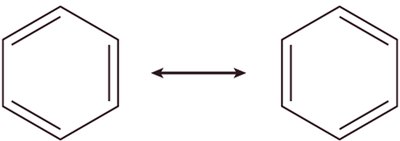
Formal charge helps determine the most plausible Lewis structure. Resonance structures represent molecules where electron distribution cannot be shown by a single Lewis structure.
Formal charge = Valence electrons – Associated electrons
Best structure: Formal charges closest to zero and consistent with electronegativity.
Exceptions to the Octet Rule
Some molecules do not follow the octet rule:
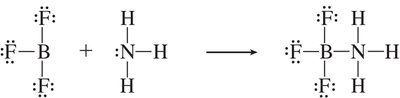
Central atom has fewer than eight electrons (e.g., boron compounds).
Odd number of electrons (free radicals).
Central atom has more than eight electrons (expanded octet, third period and beyond).
Coordinate Covalent Bonds (Dative Bonds)
A coordinate covalent bond occurs when both electrons in a bond are donated by one atom. This is common in Lewis acid-base reactions.
Molecular Geometry: VSEPR Model
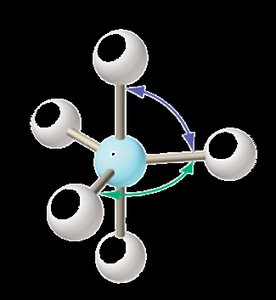
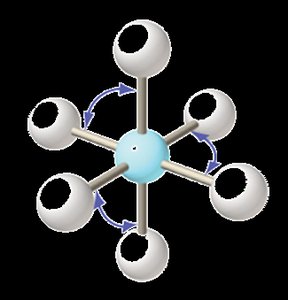
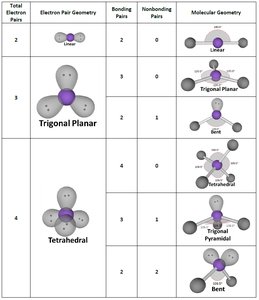
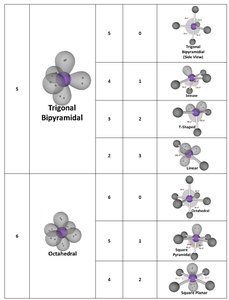
The Valence-Shell Electron-Pair Repulsion (VSEPR) model predicts molecular shape based on electron domain repulsion. Electron domains include lone pairs, single, double, and triple bonds.
ABx notation: A is central atom, x is number of surrounding atoms.
Common geometries: Linear, trigonal planar, tetrahedral, trigonal bipyramidal, octahedral.
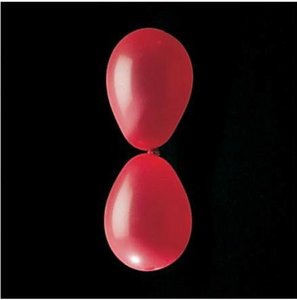
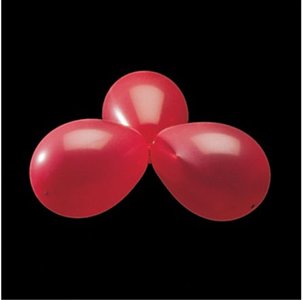
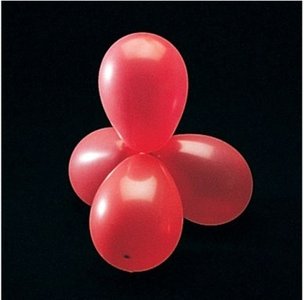

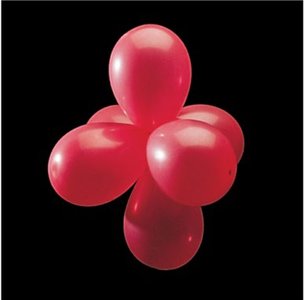
Electron-Domain Geometry vs. Molecular Geometry
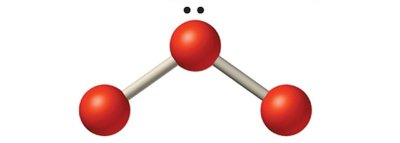
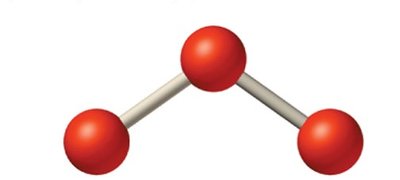
Electron-domain geometry is the arrangement of electron domains; molecular geometry is the arrangement of bonded atoms. Lone pairs affect molecular geometry.
Bond Angles and Deviations from Ideal Geometry
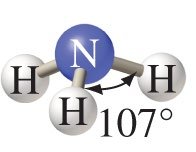
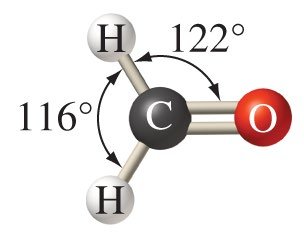
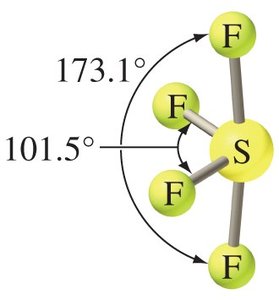
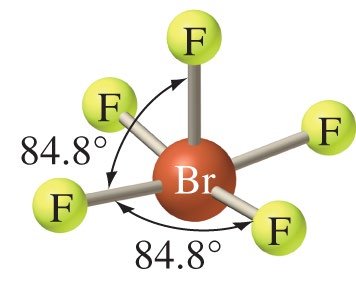
Lone pairs and multiple bonds cause deviations from ideal bond angles due to increased repulsion.
Molecular Polarity
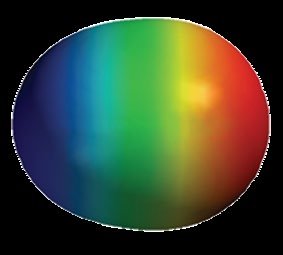
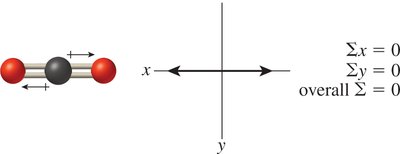
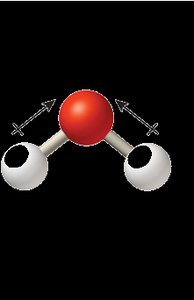
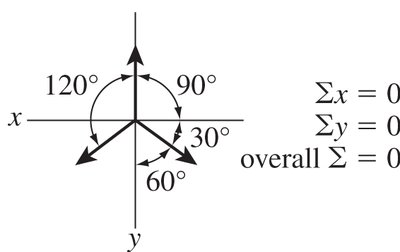
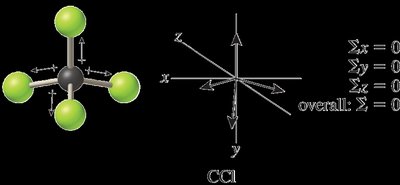
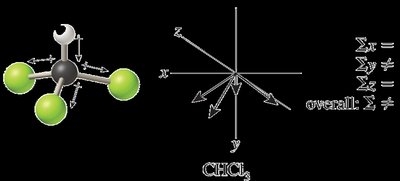
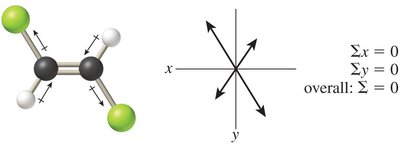
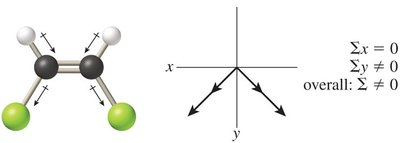
Molecular polarity depends on both bond polarity and molecular geometry. A molecule is polar if the vector sum of bond dipoles does not equal zero.
CO2: Polar bonds, nonpolar molecule due to linear geometry.
H2O: Polar bonds, polar molecule due to bent geometry.
BF3, CCl4: Polar bonds, nonpolar molecules due to symmetrical geometry.
CHCl3: Polar bonds, polar molecule due to asymmetrical geometry.
Dipole Moments and Structural Isomers
Dipole moments can distinguish between structural isomers, such as cis- and trans-dichloroethylene.
Bonding Forces: Intramolecular vs. Intermolecular
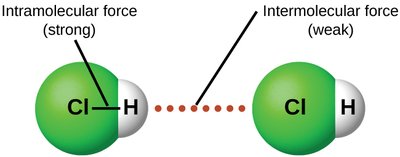
Intramolecular forces (covalent bonds) are strong attractions within molecules. Intermolecular forces (IMFs) are weaker attractions between molecules and include dispersion, dipole-dipole, and hydrogen bonding.
Types of Intermolecular Forces
Dispersion forces: Weakest, arise from instantaneous dipoles, present in all molecules.
Dipole-dipole forces: Stronger, between molecules with permanent dipoles.
Hydrogen bonds: Strongest dipole-dipole, occur when H is bonded to O, N, or F.
Trends in Intermolecular Forces
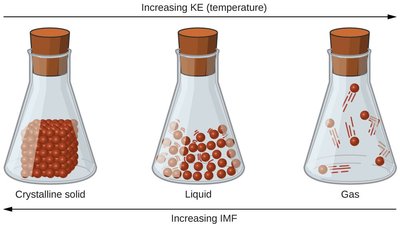
Stronger IMFs lead to higher melting and boiling points. Molecular weight and surface area also increase these properties. The order of IMF strength is: Ionic > H-bonding > dipole/dipole > dispersion.
Example: Sodium chloride (ionic) has a higher boiling point than water (hydrogen bonding) and chlorine gas (dispersion).
