뒤로

Crystal Field Theory and Transition Metal Complexes: Structure, Colour, and Applications

학습 가이드 - 영상으로 배우기

업로드한 자료에 맞춘 엄선된 수업 – 모든 주제를 단계별로 배워보세요.

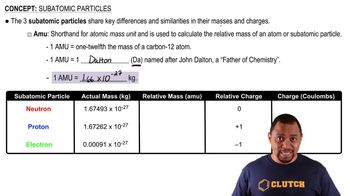
Subatomic Particles

  • Subatomic Particles
    05:19
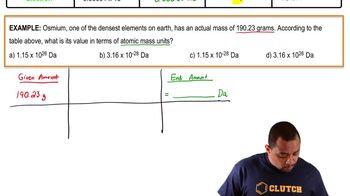
  • Atomic Mass Unit Example
    03:31

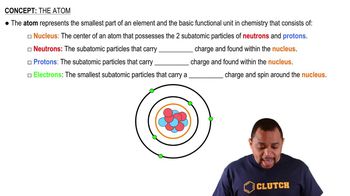
The Atom

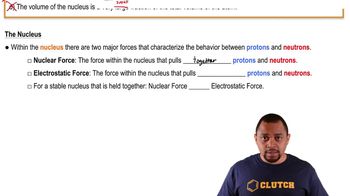
  • The Nucleus
    02:53
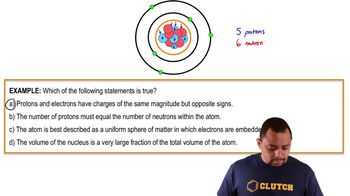
  • Atom Structure
    02:10
  • Atom Structure Example
    02:52

Electron Geometry

  • Drawing Structures and Electron Geometry Example
    01:34
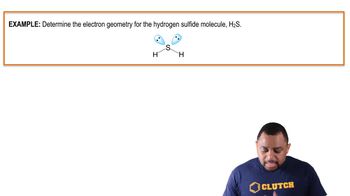
  • Electron Geometry Example
    00:48
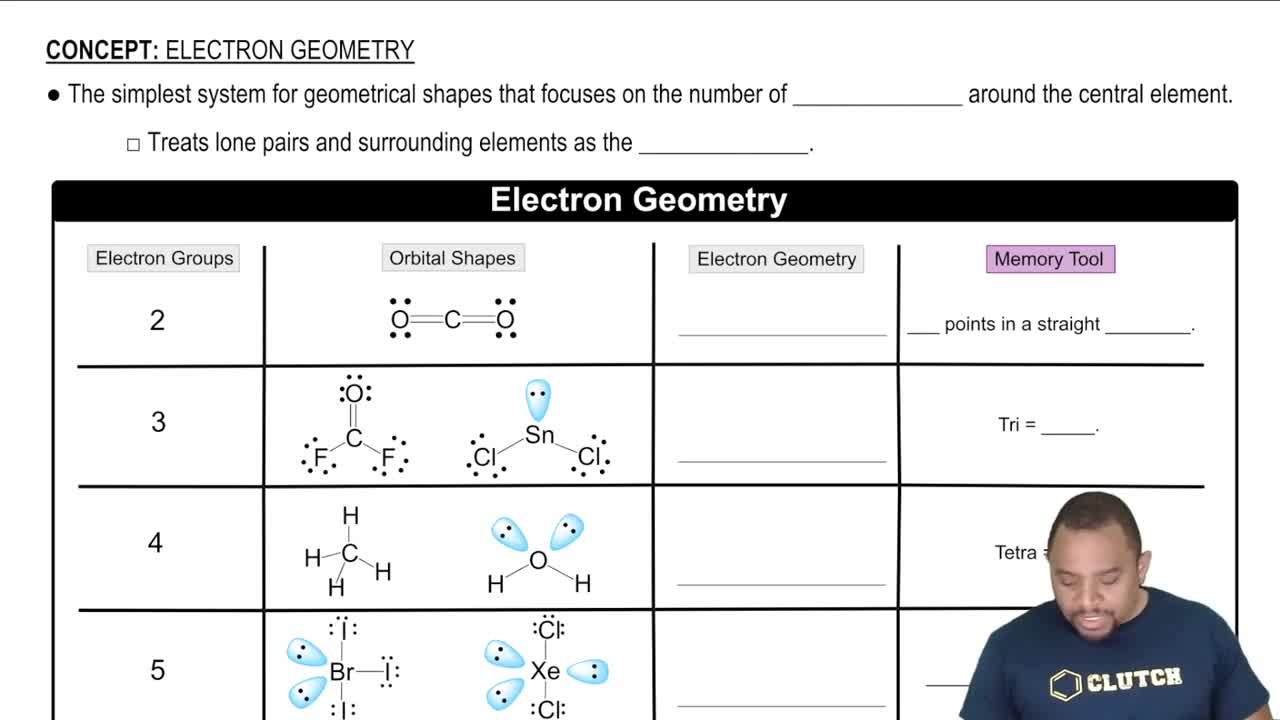
  • Electron Geometry
    04:44

Molecular Geometry

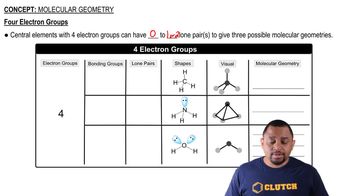
  • Molecular Geometry with Four Electron Groups
    01:57
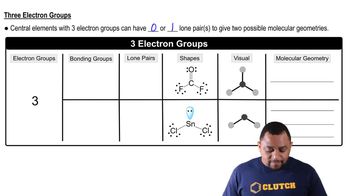
  • Molecular Geometry with Three Electron Groups
    01:43
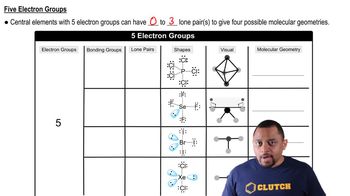
  • Molecular Geometry with Five Electron Groups
    02:09

Quantum Numbers: Principal Quantum Number

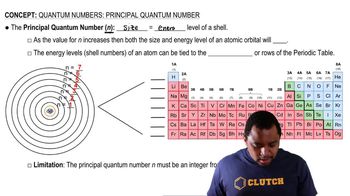
  • Principal Quantum Number
    02:55
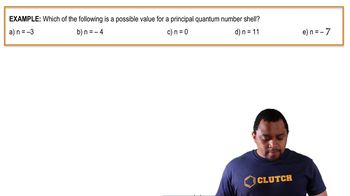
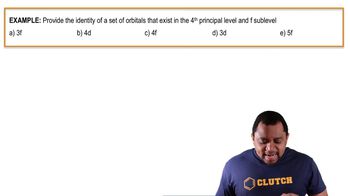
  • Principal Quantum Number Example
    00:56

Quantum Numbers: Angular Momentum Quantum Number

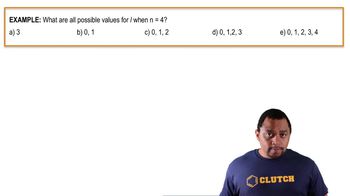
  • Angular Momentum Quantum Number Example
    00:46
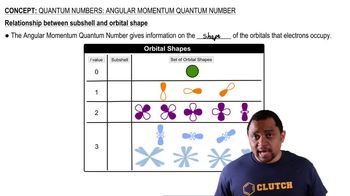
  • Angular Momentum Quantum Number and Orbital Shape
    01:41
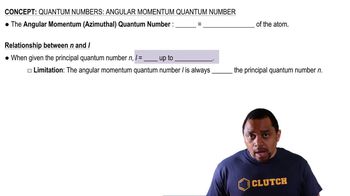
  • Angular Momentum Quantum Number
    00:40

Quantum Numbers: Magnetic Quantum Number

  • Quantum Numbers and Orbitals Example
    00:31
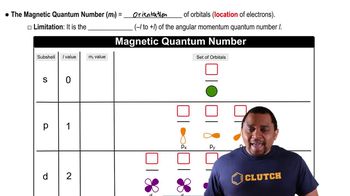
  • Magnetic Quantum Number
    03:06
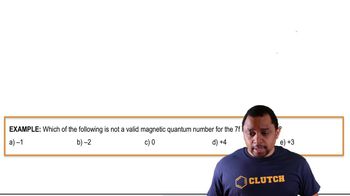
  • Magnetic Quantum Example
    00:59

Quantum Numbers: Spin Quantum Number

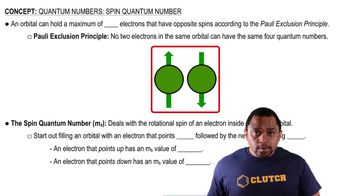
  • Spin Quantum Number
    01:18
  • Spin Quantum Numbers Example
    01:10

The Electron Configuration

  • Electron Orbital Diagrams
    02:15
  • Electron Orbital Diagrams Example
    00:50
  • Electron Configuration Example
    01:33

The Electron Configuration: Condensed

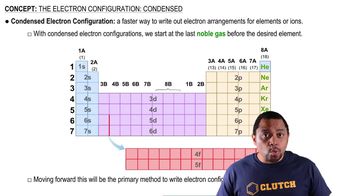
  • Condensed Electron Configuration
    01:08
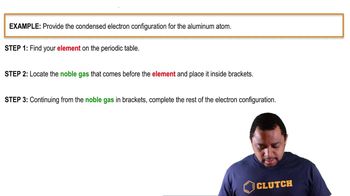
  • Condensed Electron Configuration Example
    01:28

The Electron Configurations: Exceptions

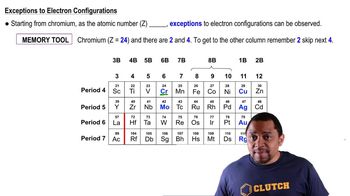
  • Electron Configuration Exceptions
    01:15
  • Electron Configuration Exceptions Example
    01:24
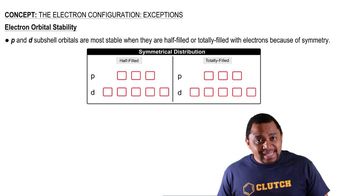
  • Electron Orbital Stability
    01:23

Paramagnetism and Diamagnetism

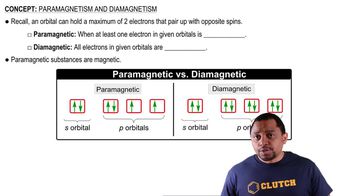
  • Paramagnetism vs Diamagnetism
    01:33
  • Paramagnetism and Diamagnetism Example 1
    1:54

Valence Electrons of Elements

  • Main Group Elements Valence Electrons Example
    01:14
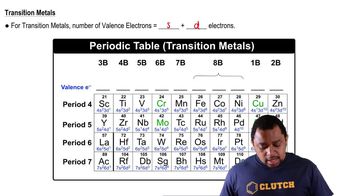
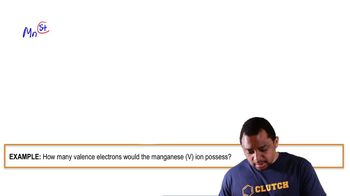
  • Transition Metals Valence Electrons
    02:12
  • Transition Metals Valence Electrons Example
    02:14

Periodic Table: Classifications

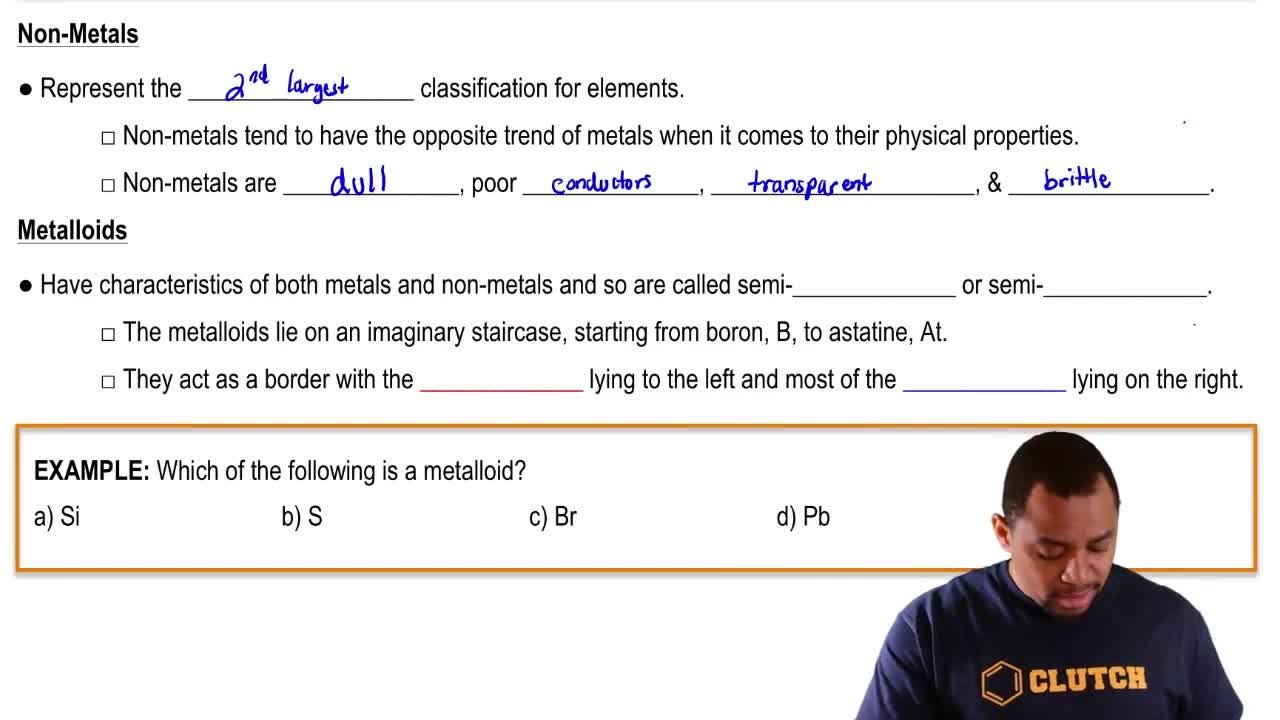
  • Nonmetal Properties
    01:12
  • Periodic Table Classifications
    02:40
  • Metalloid Properties
    03:37

Periodic Table: Charges

  • Unlikely Ion Example
    01:52
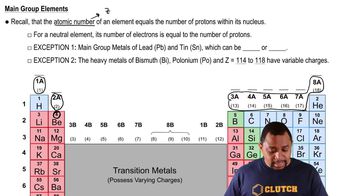
  • Main Group Element Charges
    07:38
  • Main Group Element Charges Example
    00:48

Chemical Bonds

  • Chemical Bonds Example 3
    01:04
  • Chemical Bonds
    02:03
  • Chemical Bonds Example 2
    01:18

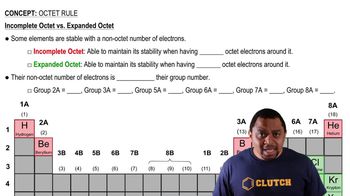
Octet Rule

  • Octet Rule
    02:38
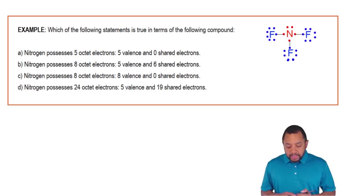
  • Octet Rule Example 1
    01:42
  • Octet Rule
    01:36

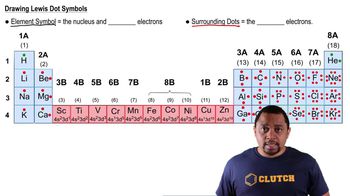
Lewis Dot Symbols

  • Lewis Dot Symbols
    03:17
  • Lewis Dot Symbols Example 1
    00:50
  • Lewis Dot Symbols Example 2
    01:26

Lewis Dot Structures: Neutral Compounds

  • Lewis Dot Structures: Neutral Compounds
    05:56
  • Lewis Dot Structures: Neutral Compounds Example 1
    00:40

Lewis Dot Structures: Sigma & Pi Bonds

  • Lewis Dot Structures: Sigma & Pi Bonds Example 1
    00:43
  • Lewis Dot Structures: Sigma & Pi Bonds
    03:26

Lewis Dot Structures: Ions

  • Lewis Dot Structures: Ions
    04:28
  • Lewis Dot Structures: Ions Example 1
    02:22

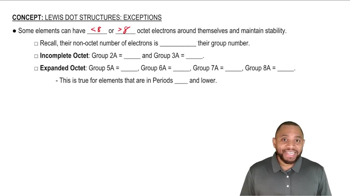
Lewis Dot Structures: Exceptions

  • Lewis Dot Structures: Exceptions
    02:05
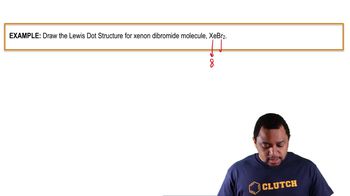
  • Lewis Dot Structures: Exceptions Example 1
    01:46
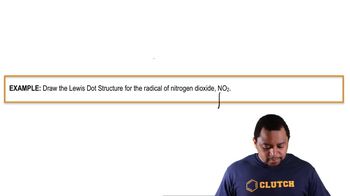
  • Lewis Dot Structures: Exceptions Example 2
    01:39

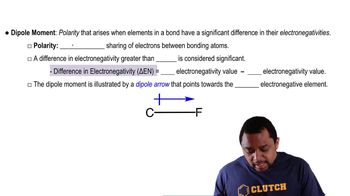
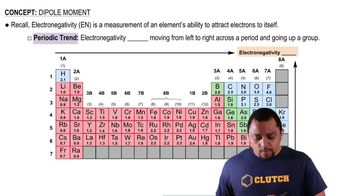
Dipole Moment

  • Dipole Moment Example 2
    01:07
  • Dipole Moment
    01:25
  • Dipole Moment
    01:33

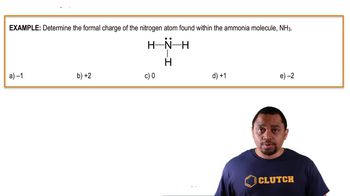
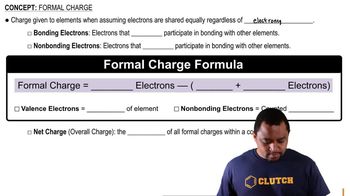
Formal Charge

  • Formal Charge Example 1
    00:56
  • Formal Charge
    01:53

Resonance Structures

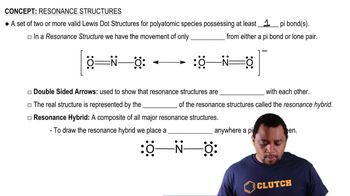
  • Resonance Structures
    01:42
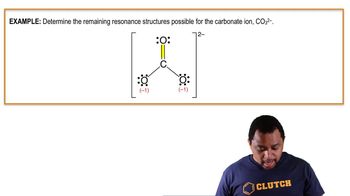
  • Resonance Structures Example 1
    01:54
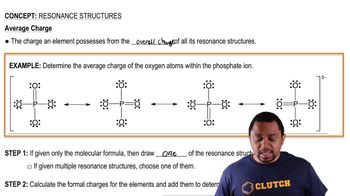
  • Resonance Structures Example 2
    02:19
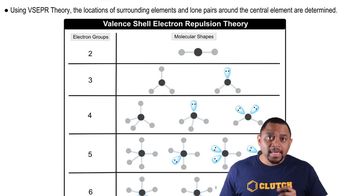
Valence Shell Electron Pair Repulsion Theory

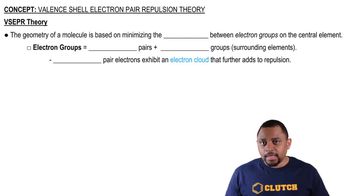
  • Valence Shell Electron Pair Repulsion Theory
    00:47
  • Molecular Shapes and VSEPR
    02:13
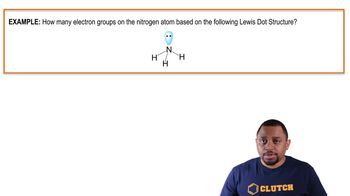
  • Electron Groups Example
    00:51

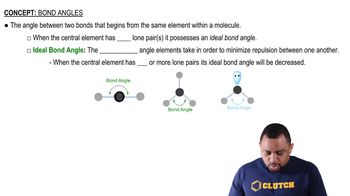
Bond Angles

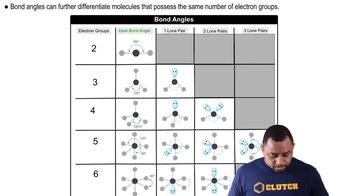
  • Bond Angles and Electron Groups
    03:37
  • Bond Angles and Electron Groups Example
    01:07
  • Bond Angles
    01:53

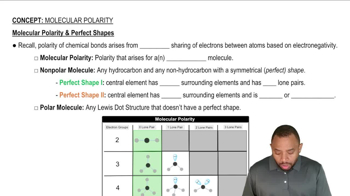
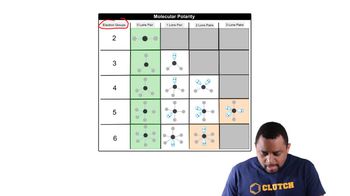
Molecular Polarity

  • Carbon Tetrachloride Polarity Example
    01:03
  • Molecular Polarity
    02:38
  • Molecular Polarity Criteria
    01:46

Hybridization

  • Hybridization Example
    01:26
  • Hybridization and Electron Geometry
    03:06
  • Hybridization
    00:51

Coordination Complexes

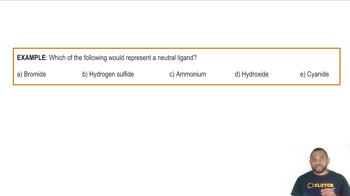
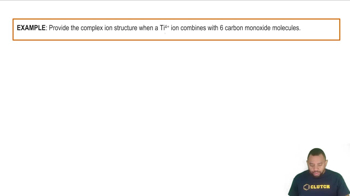
  • Coordination Complexes Example
    00:43
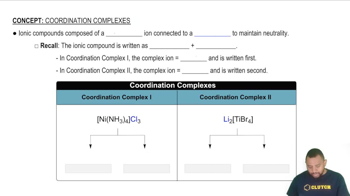
  • Coordination Complexes I and II
    02:28

Ligands

  • Ligands Example
    01:12
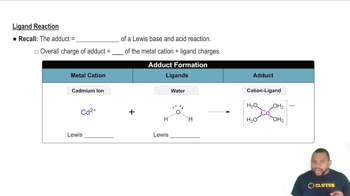
  • Ligand Reaction
    01:53
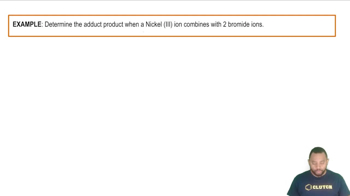
  • Ligands Example
    00:40

Complex Ions

  • Complex Ions Example
    00:57
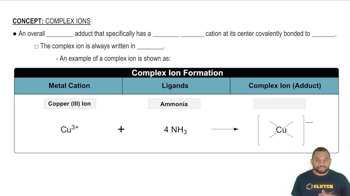
  • Complex Ion Formation
    02:09
Classification of Ligands

  • Classification of Ligands Example
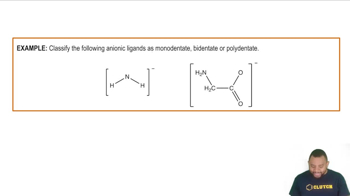
    01:42
  • Classification of Ligands Example
    01:48
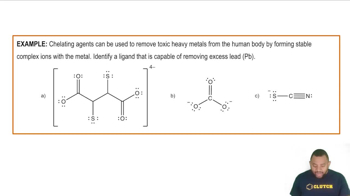
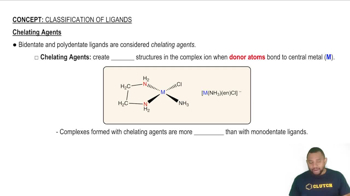
  • Chelating Agents
    01:21

Coordination Numbers & Geometry

  • Coordination Numbers and Geometry Example
    00:30
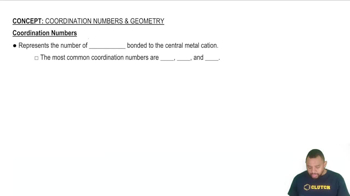
  • Coordination Numbers
    00:27
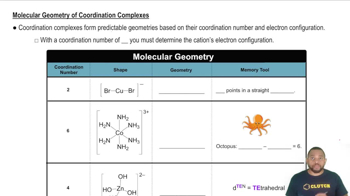
  • Molecular Geometry of Coordination Complexes
    02:40

Naming Coordination Compounds

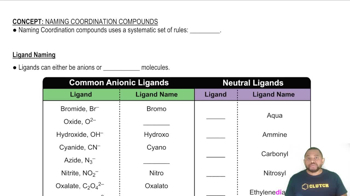
  • Ligand Naming
    02:03
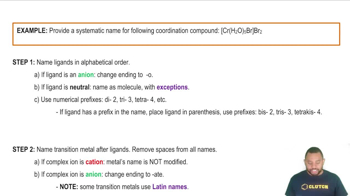
  • Naming Coordination Compounds Example
    04:11
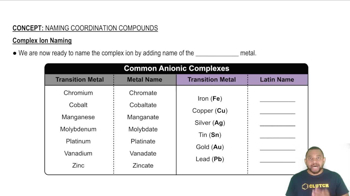
  • Complex Ion Naming
    01:28

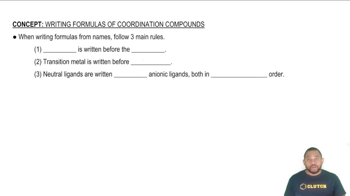
Writing Formulas of Coordination Compounds

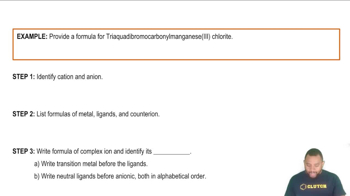
  • Writing Formulas of Coordination Compounds Example
    03:37
  • Writing Formulas
    00:46

Isomerism in Coordination Complexes

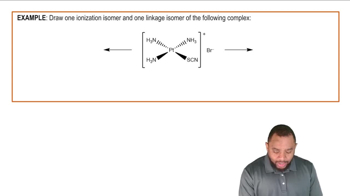
  • Isomerism in Coordination Complexes Example
    2:14
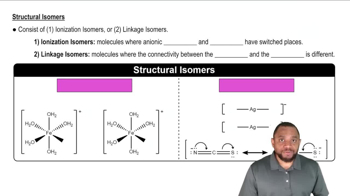
  • Structural Isomers
    3:22
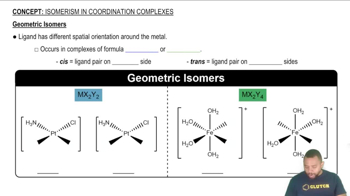
  • Geometric Isomers
    02:02

Orientations of D Orbitals

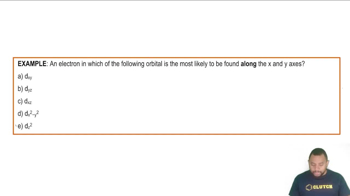
  • Orientations of d Orbitals Example
    00:46
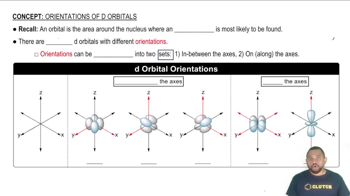
  • d Orbital Orientations
    02:06

Intro to Crystal Field Theory

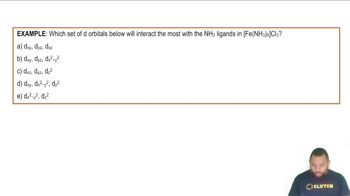
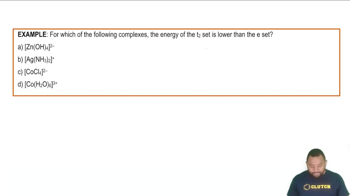
  • Example
    00:59
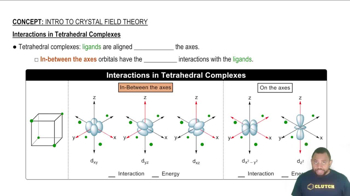
  • For tetrahedral complexes, the greatest ligand-metal interactions occur in between the axes.
    02:37
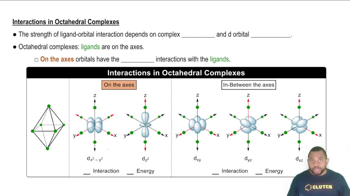
  • For octahedral complexes, the greatest ligand-metal interactions occur on or along the axes.
    02:01

Crystal Field Theory: Octahedral Complexes

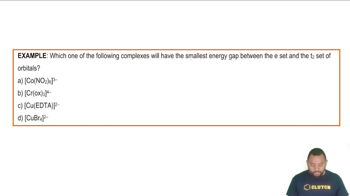
  • Example
    00:43
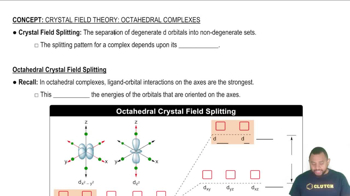
  • The crystal field splitting pattern for octahedral complexes has the d orbitals on or along the axes as having the higher energy.
    03:04

Crystal Field Theory: Tetrahedral Complexes

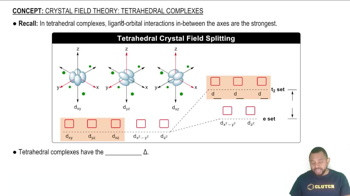
  • The crystal field splitting pattern for tetrahedral complexes has the d orbitals in between the axes as having the higher energy.
    01:38
  • Example
    01:11

Crystal Field Theory: Square Planar Complexes

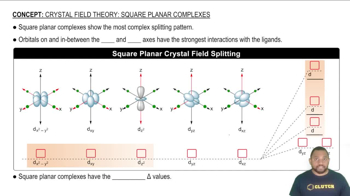
  • Square planar complexes show the most complex splitting pattern.
    02:07
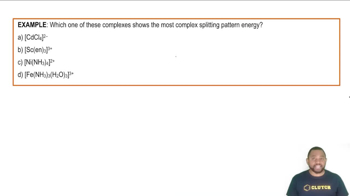
  • Example
    01:17

Crystal Field Theory Summary

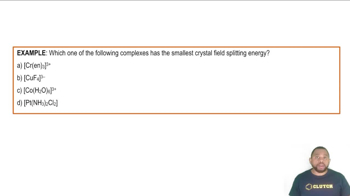
  • Example
    02:46
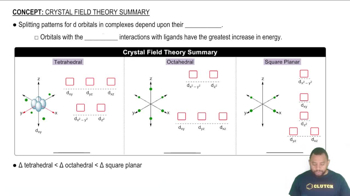
  • The greatest ligand-orbital interactions result in the greatest increase in energy.
    03:01

Magnetic Properties of Complex Ions

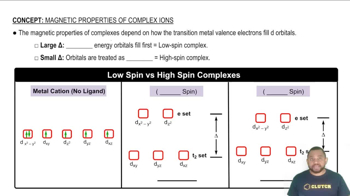
  • Low-Spin Complexes are associated with large Δ values and High-Spin Complexes are associated with small Δ values.
    04:23
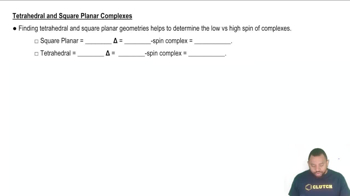
  • Finding tetrahedral and square planar geometries helps to determine the low vs high spin of complexes.
    01:43
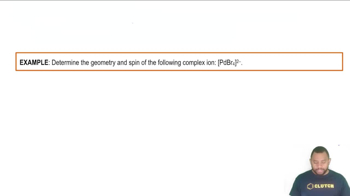
  • Example
    02:14

Strong-Field vs Weak-Field Ligands

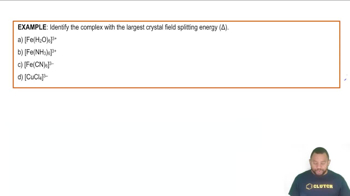
  • Example
    02:09
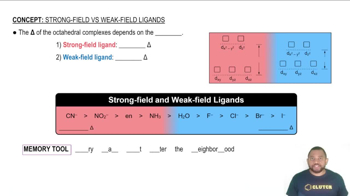
  • Strong-Field Ligands result in a large Δ and Weak-Field Ligands result in a small Δ.
    02:40