뒤로

General Chemistry I: Matter, Energy, and Atomic Structure – Exam 1 Study Guide

학습 가이드 - 영상으로 배우기

업로드한 자료에 맞춘 엄선된 수업 – 모든 주제를 단계별로 배워보세요.

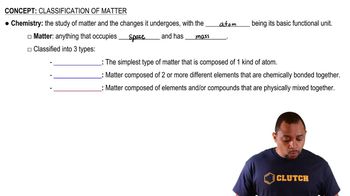
Classification of Matter

  • Types of Matter
    01:34
  • Introduction to General Chemistry Course
    1:44
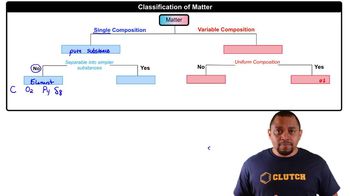
  • Matter Composition
    04:19

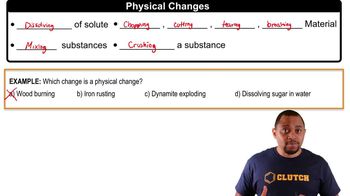
Physical & Chemical Changes

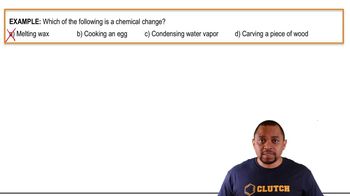
  • Chemical Change Example
    01:52
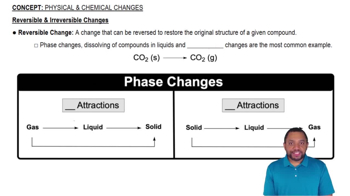
  • Reversible Changes in Matter
    03:42
  • Physical Change Example
    01:52

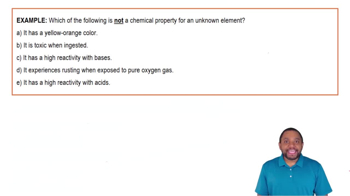
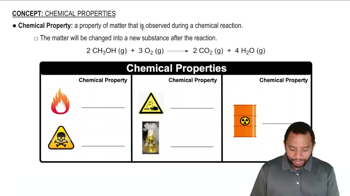
Chemical Properties

  • Chemical Properties Example
    01:34
  • Chemical Properties
    03:31

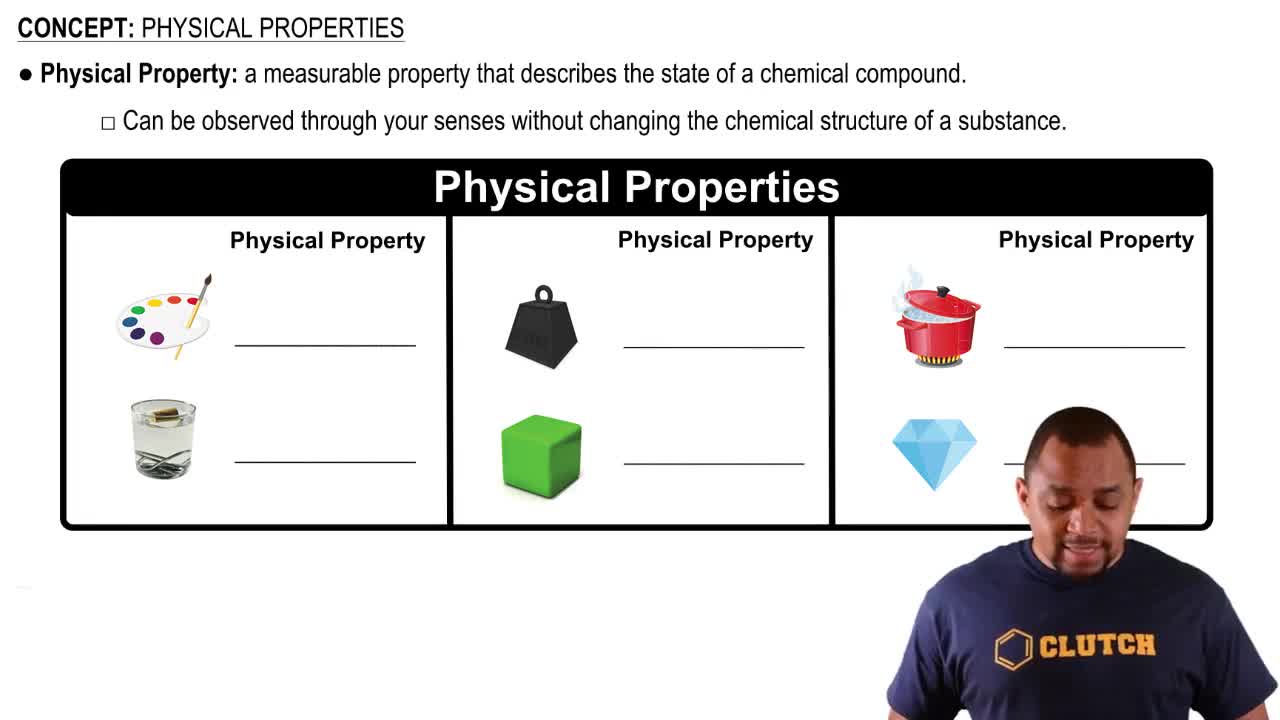
Physical Properties

  • Physical Properties
    02:54
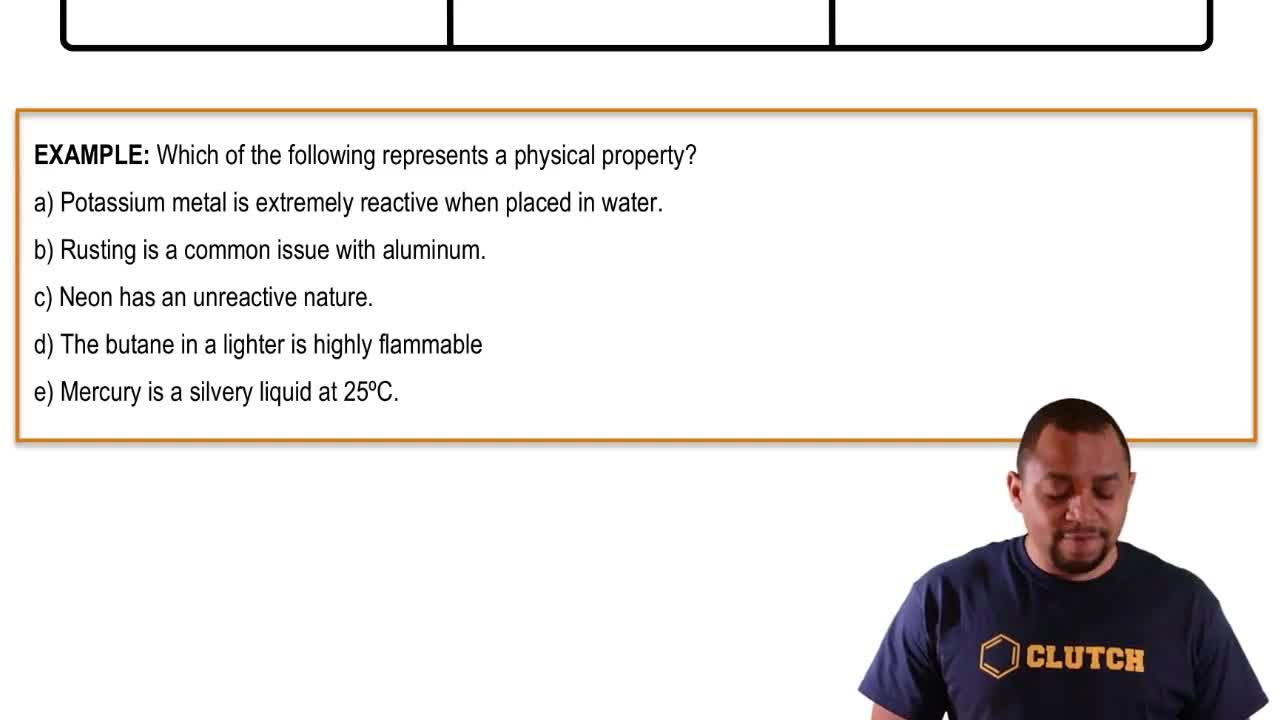
  • Physical Properties Example
    01:41

Intensive vs. Extensive Properties

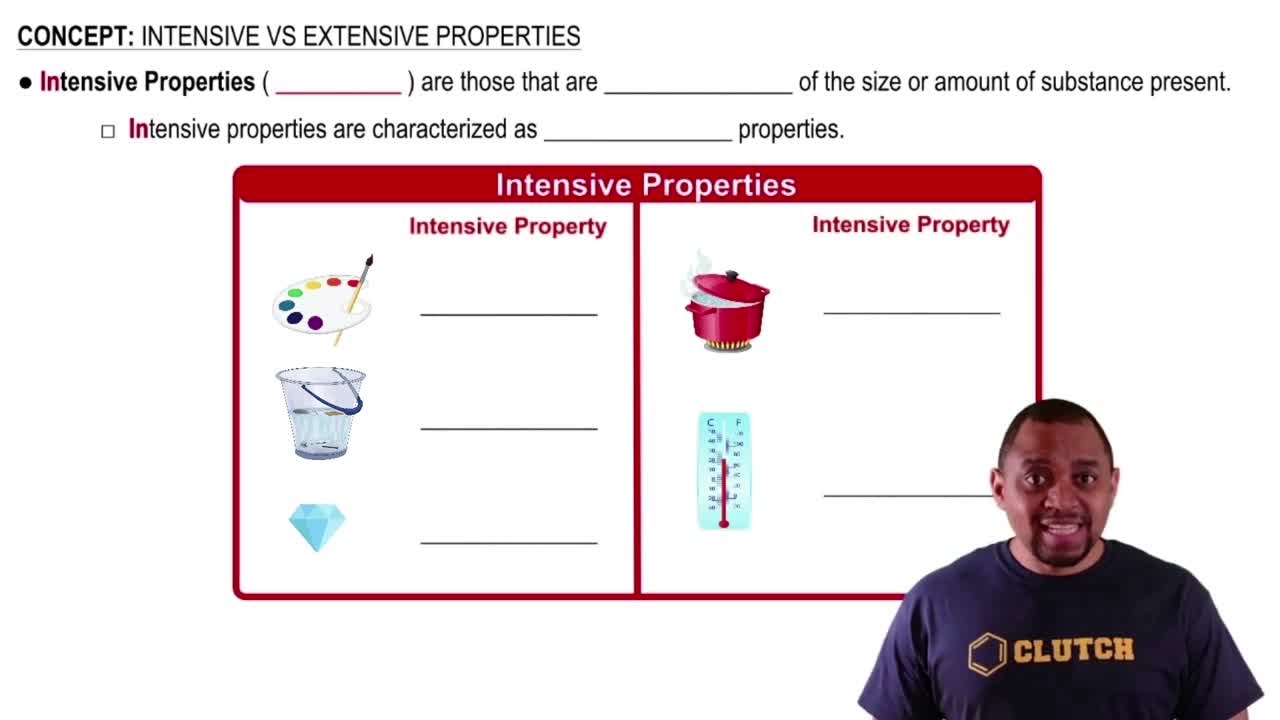
  • Intensive Properties
    02:45
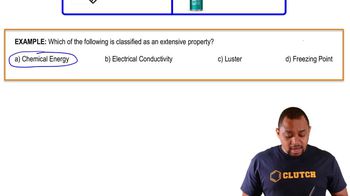
  • Extensive Property Example
    01:40
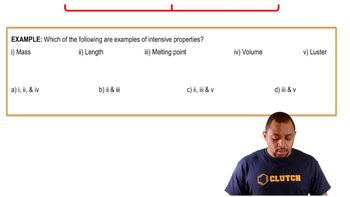
  • Intensive Properties Example
    01:58

Temperature

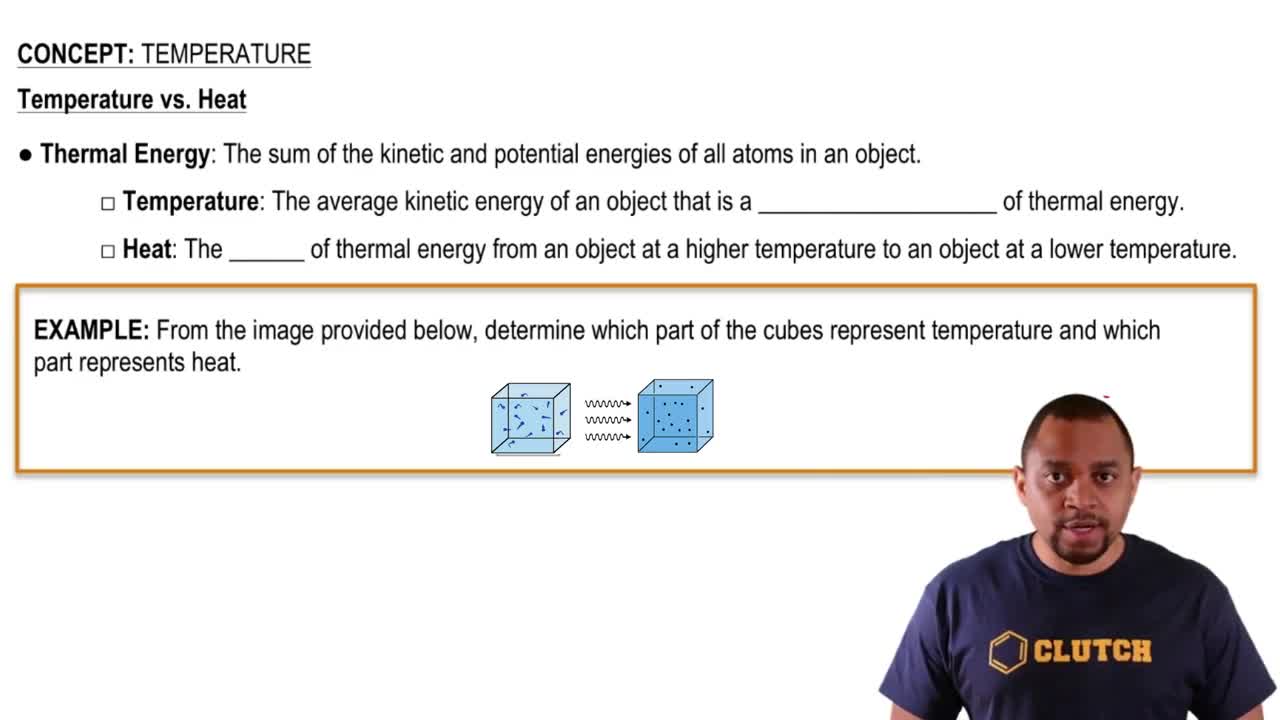
  • Temperature vs Heat
    03:48
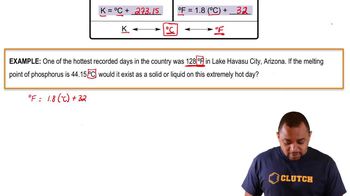
  • Temperature Conversion Example
    02:10
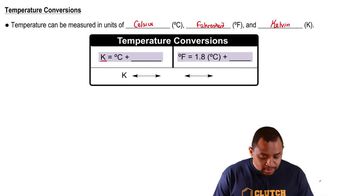
  • Temperature Conversion Formulas
    02:03

Scientific Notation

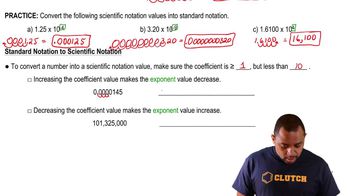
  • Standard Notation to Scientific Notation
    02:50
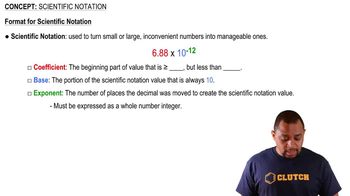
  • Scientific Notation Concepts
    01:41
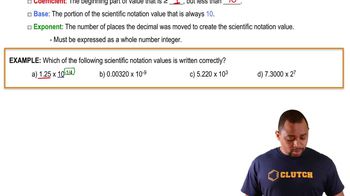
  • Scientific Notation Example
    01:53

SI Units

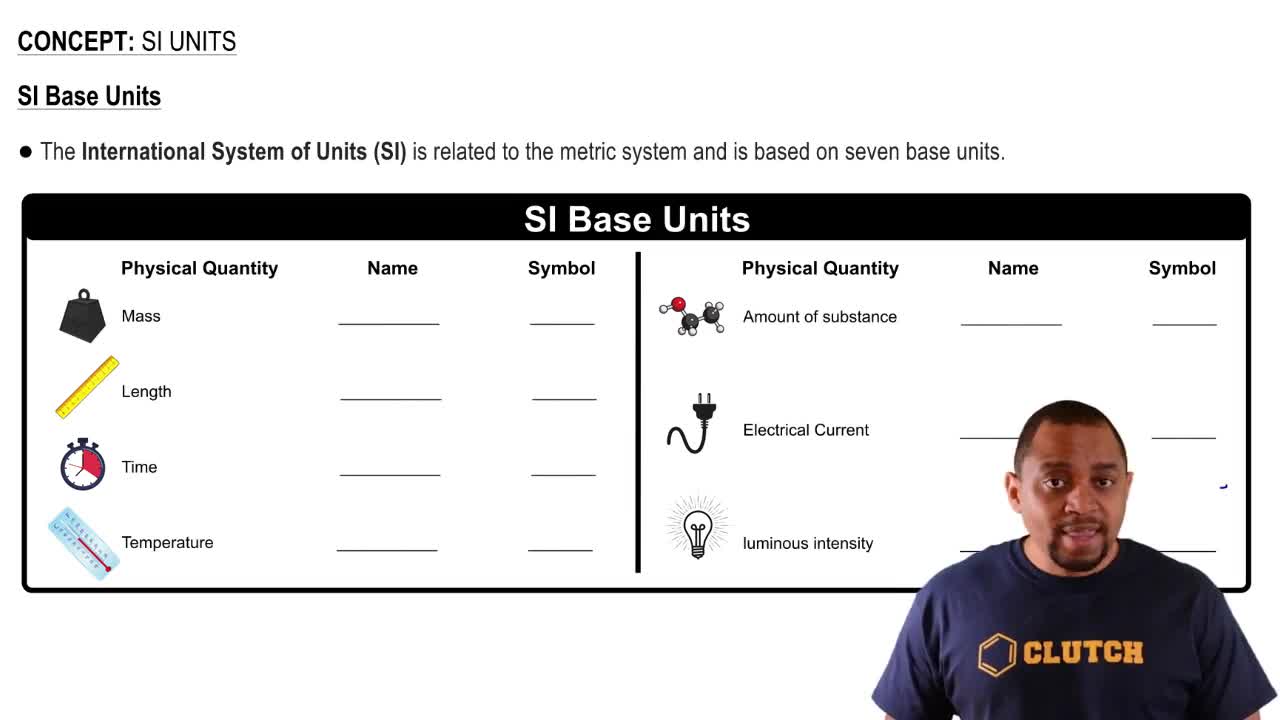
  • SI Units
    02:13
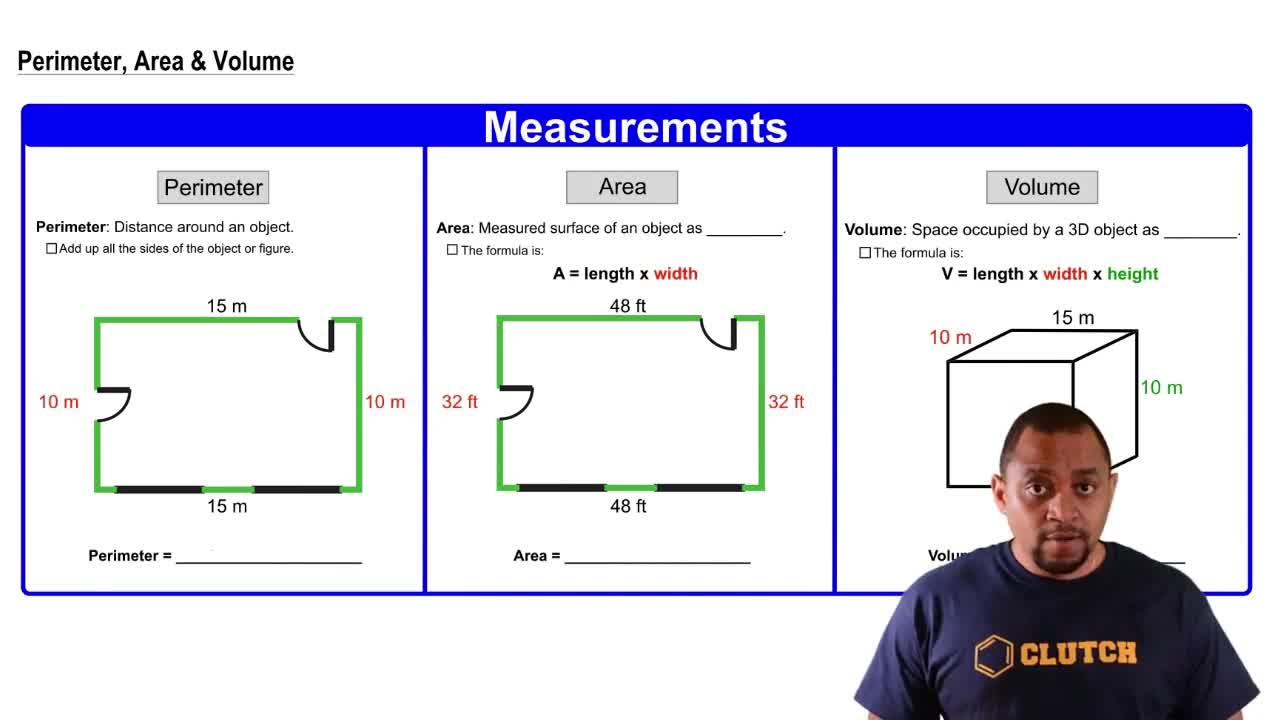
  • Perimeter, Area, Volume
    03:47

Metric Prefixes

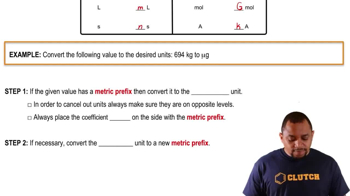
  • Metric Prefixes Conversion Example
    03:33
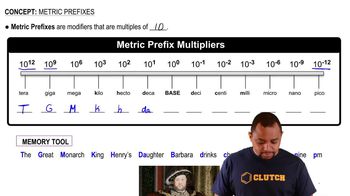
  • Metric Prefixes Chart
    03:59
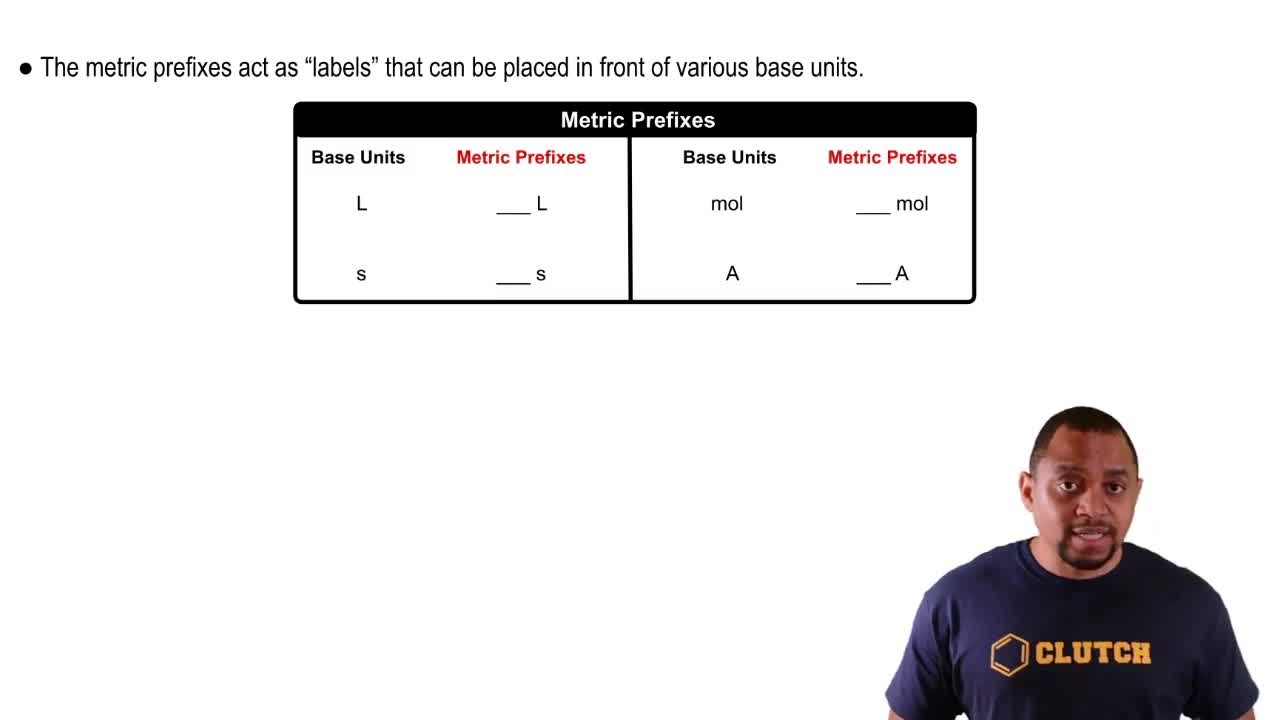
  • Metric Prefixes Usage
    01:16

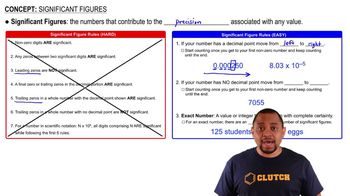
Significant Figures

  • Significant Figures Example
    01:09
  • Significant Figures Rules
    04:40

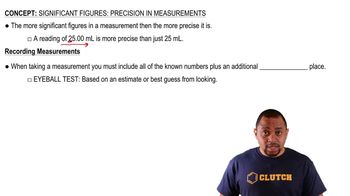
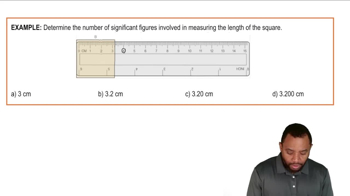
Significant Figures: Precision in Measurements

  • Significant Figures Precision
    01:49
  • Significant Figures Precision Example
    01:46

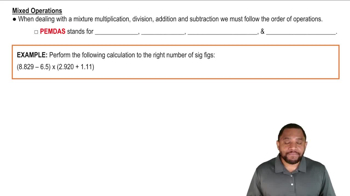
Significant Figures: In Calculations

  • Significant Figures in Mixed Operations
    03:32
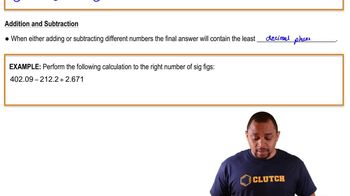
  • Significant Figures in Addition and Subtraction
    01:42
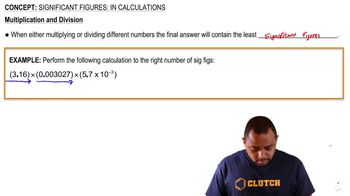
  • Significant Figures in Multiplication and Division
    03:11

Conversion Factors

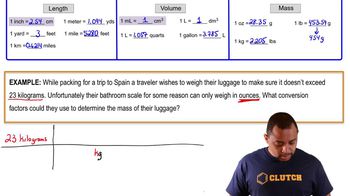
  • Weight Conversion Example
    03:45
  • Conversion Factors Example
    02:12
  • Conversion Factors
    01:56

Dimensional Analysis

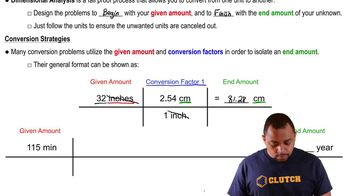
  • Dimensional Analysis
    06:11
  • Dimensional Analysis Example
    4:48

Density

  • Density Concepts
    01:56
  • Density Conversion Example
    05:30

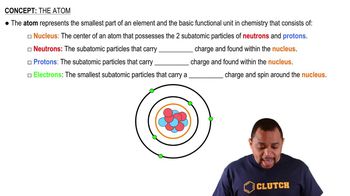
The Atom

  • The Nucleus
    02:53
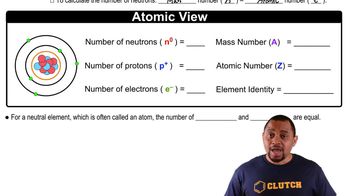
  • Atom Structure
    02:10
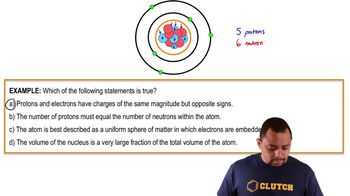
  • Atom Structure Example
    02:52

Subatomic Particles

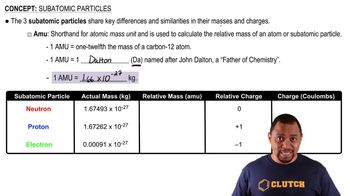
  • Subatomic Particles
    05:19
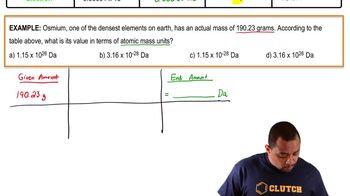
  • Atomic Mass Unit Example
    03:31

Isotopes

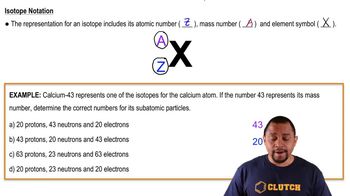
  • Isotopes
    04:36
  • Isotope Notation Example
    03:57

Ions

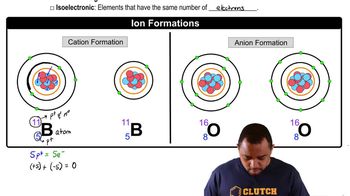
  • Ion Formation
    06:17
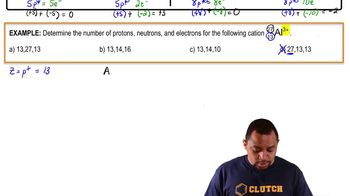
  • Cation Subatomic Particles Example
    02:22
  • Atoms vs. Ions
    01:36

Atomic Mass

  • Calculating Abundance Example
    5:41
  • Greatest Atomic Mass Example
    02:06
  • Calculating Atomic Mass
    00:40

Periodic Table: Classifications

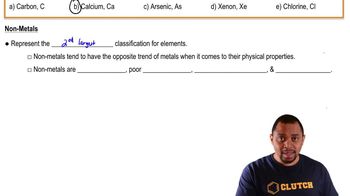
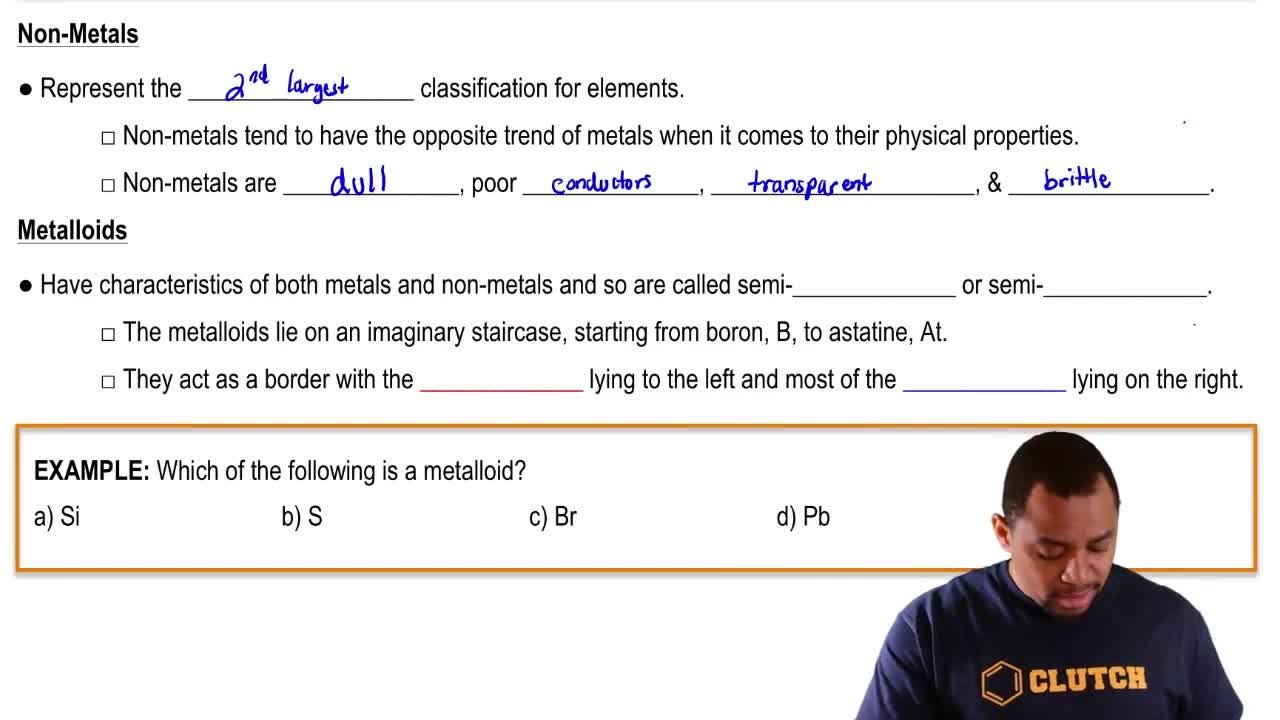
  • Nonmetal Properties
    01:12
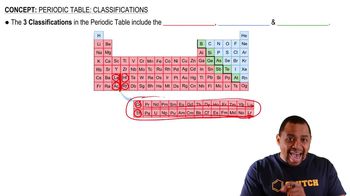
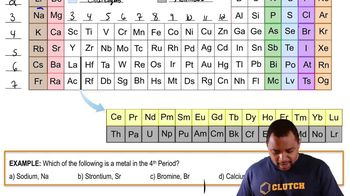
  • Periodic Table Classifications
    02:40
  • Metalloid Properties
    03:37

Periodic Table: Group Names

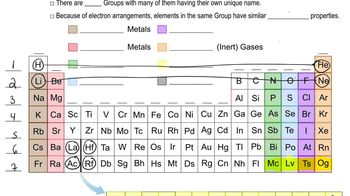
  • Periodic Table: Group Names
    05:33
  • Periodic Table: Group Names Example
    01:17

Periodic Table: Charges

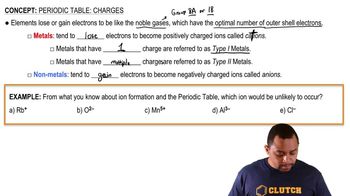
  • Unlikely Ion Example
    01:52
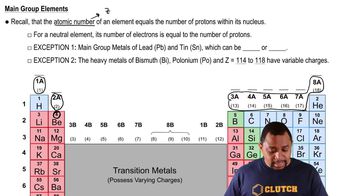
  • Main Group Element Charges
    07:38
  • Main Group Element Charges Example
    00:48

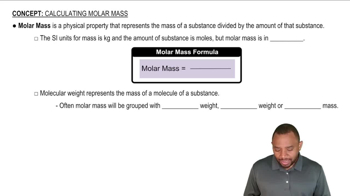
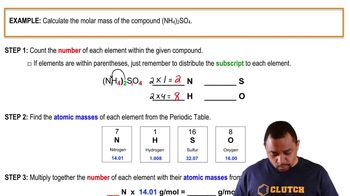
Calculating Molar Mass

  • Molar Mass Concept
    02:11
  • Molar Mass Calculation Example
    03:12

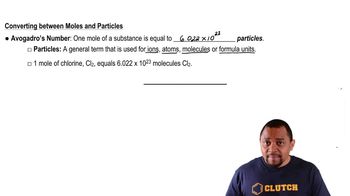
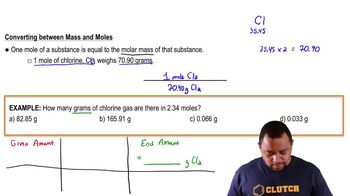
Mole Concept

  • Moles and Particles Conversion
    02:41
  • Moles to Molecules Conversion Example
    01:41
  • Formula Unit Example
    01:28

Law of Conservation of Mass

  • Law of Conservation of Mass Example
    01:20
  • Law of Conservation of Mass
    01:48

Scientific Notation

  • Standard Notation to Scientific Notation
    02:50
  • Scientific Notation Concepts
    01:41
  • Scientific Notation Example
    01:53

Wavelength and Frequency

  • Electromagnetic Waves
    2:58
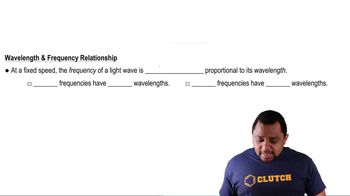
  • Frequency-Wavelength Relationship
    00:31
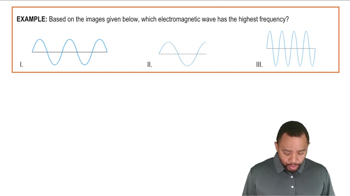
  • Wavelength and Frequency Example
    00:59

Speed of Light

  • Calculate Frequency Example
    01:48
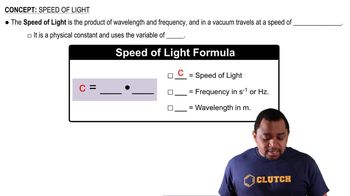
  • Speed of Light Formula
    00:57

The Energy of Light

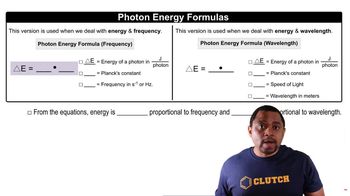
  • Photon Energy Formulas
    01:40
  • Photon Energy Example
    01:08
  • Moles and Photon Energy Example
    01:35

Electromagnetic Spectrum

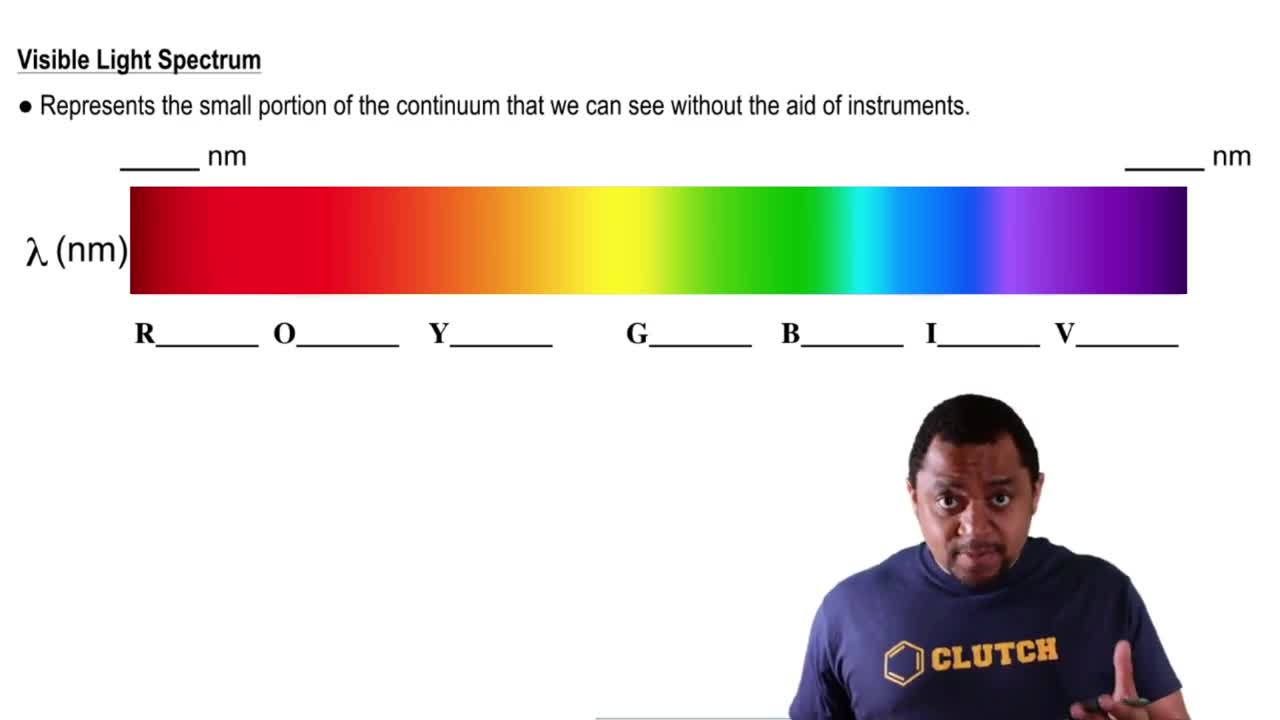
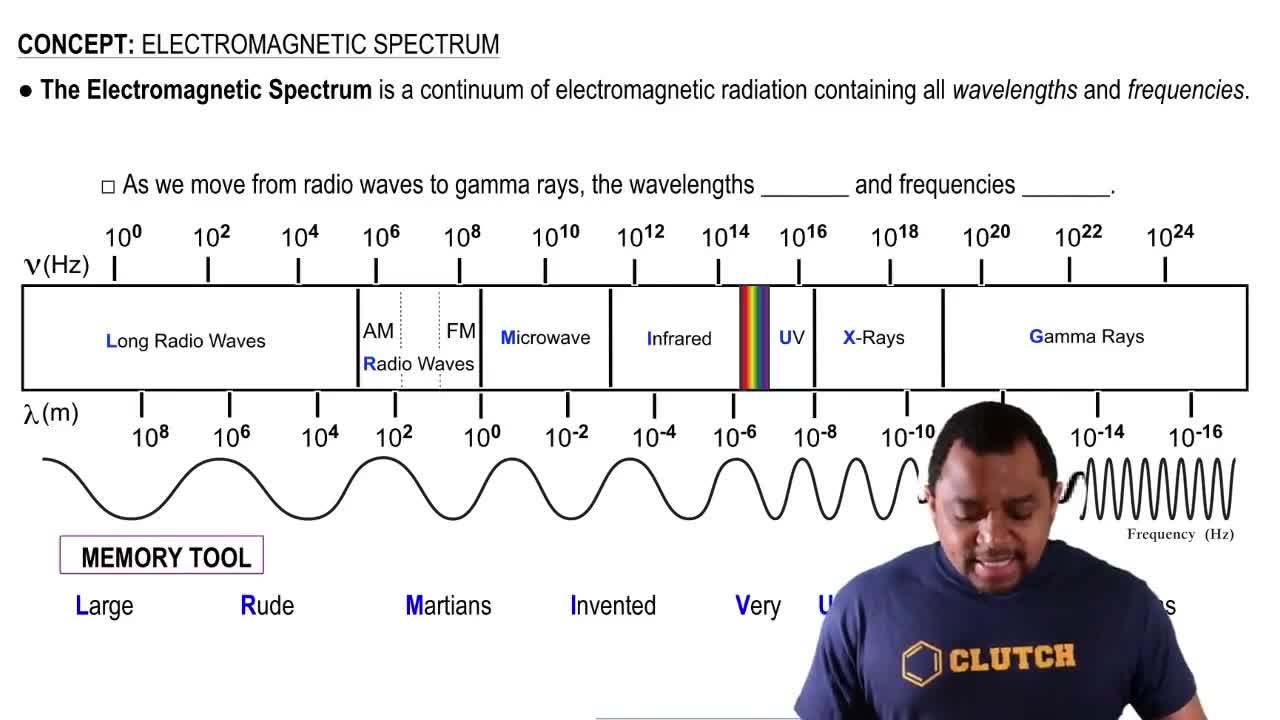
  • Visible Light Spectrum
    01:24
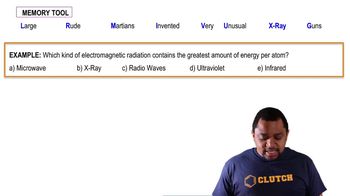
  • Electromagnetic Radiation Example
    01:02
  • Electromagnetic Spectrum
    02:53

Photoelectric Effect

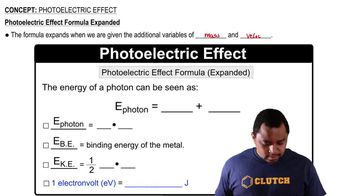
  • Expanded Photoelectric Effect
    01:18
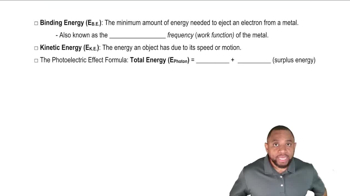
  • Photoelectric Effect Formula
    01:32
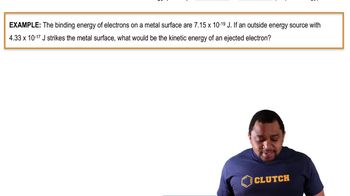
  • Photoelectric Effect Example
    01:22

De Broglie Wavelength

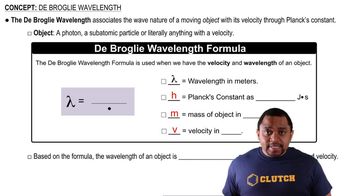
  • De Broglie Wavelength Formula
    00:58
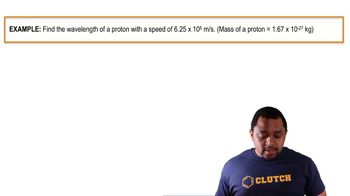
  • De Broglie Wavelength Example
    01:39

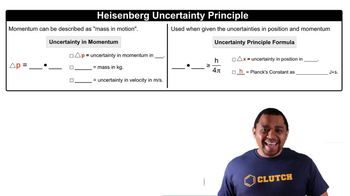
Heisenberg Uncertainty Principle

  • Heisenberg Uncertainty Principle
    01:09
  • Uncertainty Principle Formula
    02:05
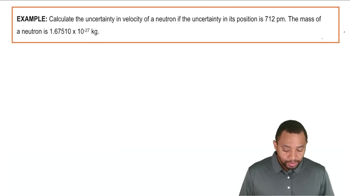
  • Uncertainty Principle Formula Example
    04:06

Bohr Model

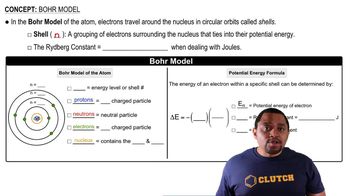
  • Bohr Model of the Atom
    02:43
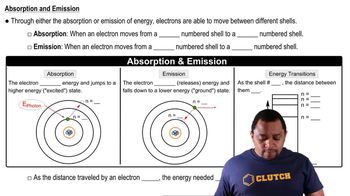
  • Electronic Transitions
    03:29
  • Bohr Model Example
    01:21

Emission Spectrum

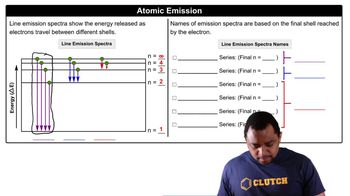
  • Atomic Emission Spectra
    02:39
  • Balmer Series Example
    01:00
  • Emission Spectra
    01:51

Bohr Equation

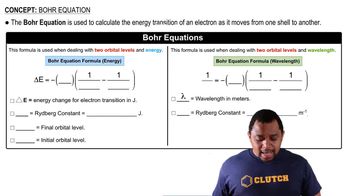
  • Bohr Equations
    02:59
  • Bohr Equation Example
    02:08

Quantum Numbers: Principal Quantum Number

  • Principal Quantum Number
    02:55
  • Principal Quantum Number Example
    00:56

Quantum Numbers: Angular Momentum Quantum Number

  • Angular Momentum Quantum Number Example
    00:46
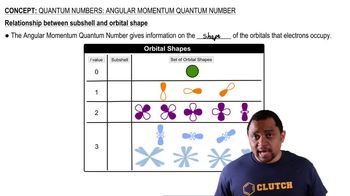
  • Angular Momentum Quantum Number and Orbital Shape
    01:41
  • Angular Momentum Quantum Number
    00:40

Quantum Numbers: Magnetic Quantum Number

  • Quantum Numbers and Orbitals Example
    00:31
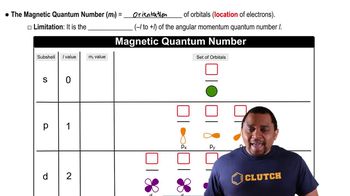
  • Magnetic Quantum Number
    03:06
  • Magnetic Quantum Example
    00:59

Quantum Numbers: Spin Quantum Number

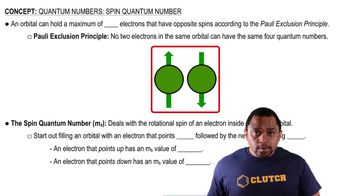
  • Spin Quantum Number
    01:18
  • Spin Quantum Numbers Example
    01:10

Quantum Numbers: Number of Electrons

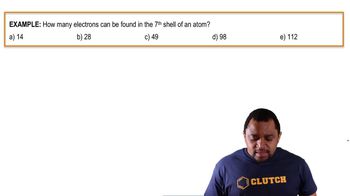
  • Number of Electrons in Shells Example
    00:38
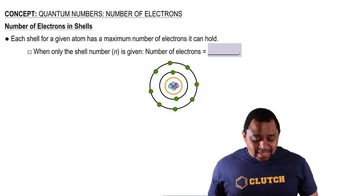
  • Number of Electrons in Shells
    00:46
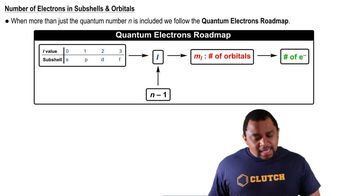
  • Quantum Electrons Roadmap
    01:39

The Electron Configuration

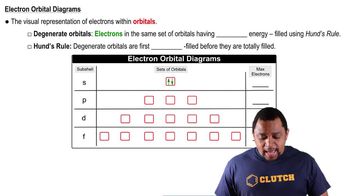
  • Electron Orbital Diagrams
    02:15
  • Electron Orbital Diagrams Example
    00:50
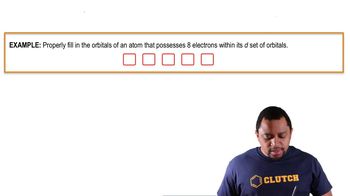
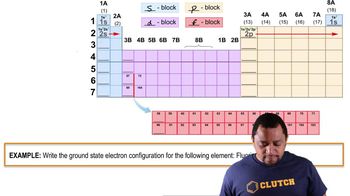
  • Electron Configuration Example
    01:33

The Electron Configuration: Condensed

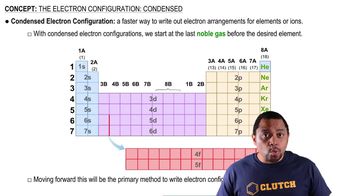
  • Condensed Electron Configuration
    01:08
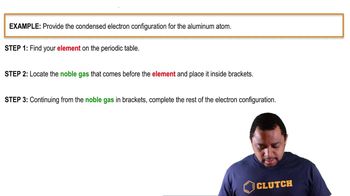
  • Condensed Electron Configuration Example
    01:28

The Electron Configurations: Exceptions

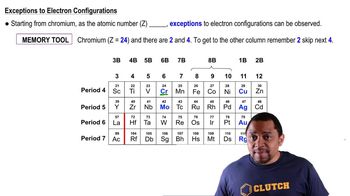
  • Electron Configuration Exceptions
    01:15
  • Electron Configuration Exceptions Example
    01:24
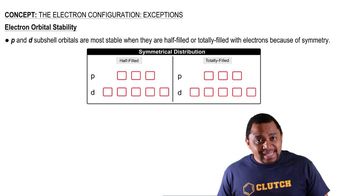
  • Electron Orbital Stability
    01:23

The Electron Configuration: Ions

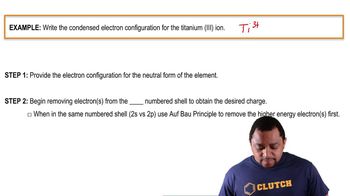
  • Cation Electron Configuration Example
    02:03
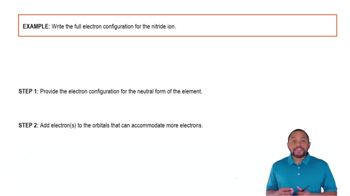
  • Anion Electron Configuration
    00:35
  • Anion Electron Configuration Example
    2:17

Valence Electrons of Elements

  • Main Group Elements Valence Electrons Example
    01:14
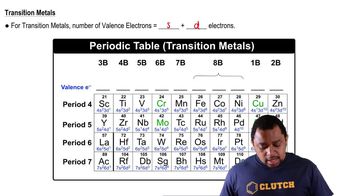
  • Transition Metals Valence Electrons
    02:12
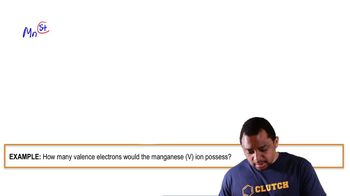
  • Transition Metals Valence Electrons Example
    02:14

Periodic Trend: Metallic Character

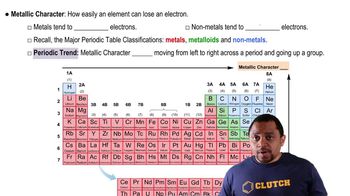
  • Metallic Character Trends
    01:08
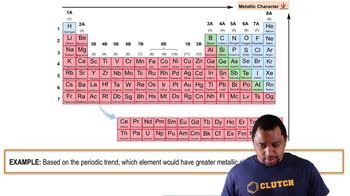
  • Metallic Character Example
    00:56
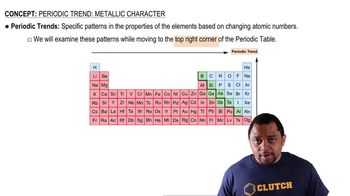
  • Periodic Trends
    00:38

Periodic Trend: Atomic Radius

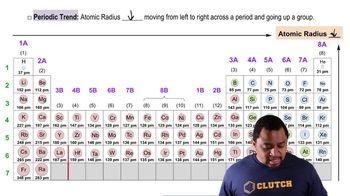
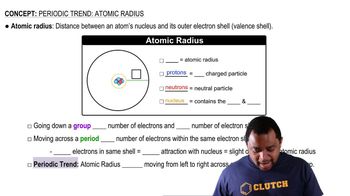
  • Atomic Radius Trends
    01:42
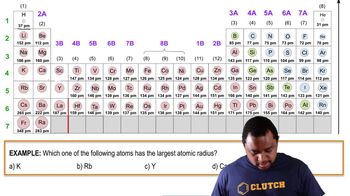
  • Atomic Radius Example
    00:56
  • Atomic Radius
    02:02

Periodic Trend: Ionic Radius

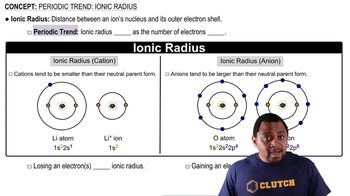
  • Ionic Radius
    02:47
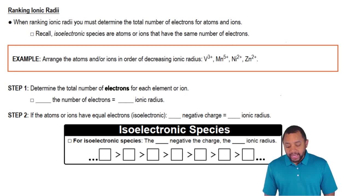
  • Ranking Ionic Radii
    03:56
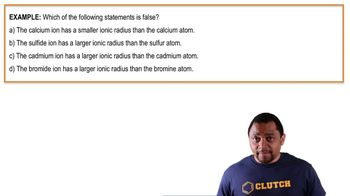
  • Ionic Radius Example
    01:32

Periodic Trend: Ionization Energy

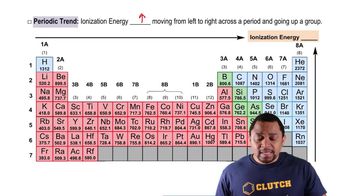
  • Ionization Energy Trends
    01:08
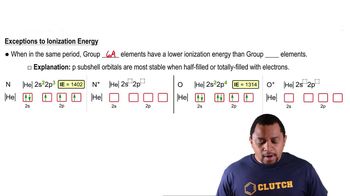
  • Group 6A vs. Group 5A Elements
    01:32
  • Ionization Energy
    01:19

Periodic Trend: Successive Ionization Energies

  • Successive Ionizations Example
    00:39
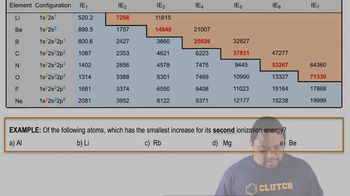
  • Successive Ionization Energies Example
    01:26
  • Successive Ionizations
    01:48

Periodic Trend: Electron Affinity

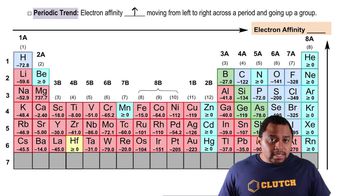
  • Electron Affinity Exceptions
    01:24
  • Electron Affinity Trends
    01:42
  • Electron Affinity Example
    00:54

Periodic Trend: Electronegativity

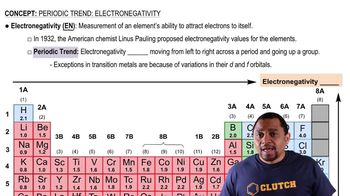
  • Electronegativity Trends
    02:10
  • Electronegativity Example
    00:35

Periodic Trend: Effective Nuclear Charge

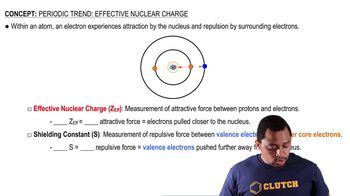
  • Effective Nuclear Charge
    01:51
  • Effective Nuclear Charge Example
    00:44
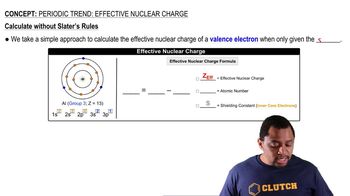
  • Effective Nuclear Charge Calculation
    00:59