 뒤로
lecture 9 chem
스터디 가이드 - 스마트 노트
 자료에 맞춘 맞춤형 노트, 핵심 정의, 예시, 맥락을 확장해 제공합니다.
Hydrogen
Physical Properties and Abundance
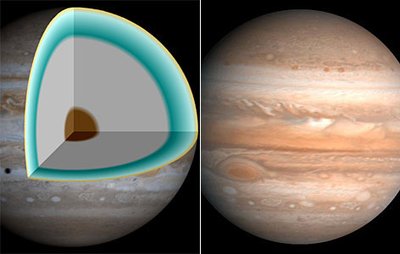
Hydrogen (H2(g)) is a colorless, odorless gas with a melting point of –239 ºC and a boiling point of –235 ºC. It is the most abundant element in the universe and is present in more compounds than any other element, including carbon. Hydrogen is typically classified as a nonmetal, but under extreme conditions (such as those found in the cores of gas giant planets), it can exhibit metallic properties.

Preparation of Hydrogen
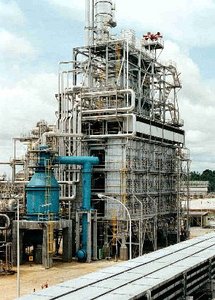
The most abundant source of hydrogen on Earth is water. While laboratory electrolysis can reduce water to hydrogen, this method is impractical and expensive for large-scale production. Industrially, hydrogen is produced mainly by two processes:
Water-gas shift reaction: Involves reacting carbon monoxide with water vapor to produce hydrogen and carbon dioxide.
Steam-hydrocarbon reforming: Hydrocarbons (such as methane) react with steam to yield hydrogen, carbon monoxide, and a small amount of carbon dioxide.
Additional info: Electrolysis is more commonly used for high-purity hydrogen in laboratory settings, but not for bulk industrial production due to energy costs.
Uses of Hydrogen
Hydrogen has several important industrial and chemical uses:
Haber Process: Hydrogen is a key reactant in the Haber-Bosch process for synthesizing ammonia from nitrogen and hydrogen gases. Ammonia is essential for fertilizers and various chemicals.

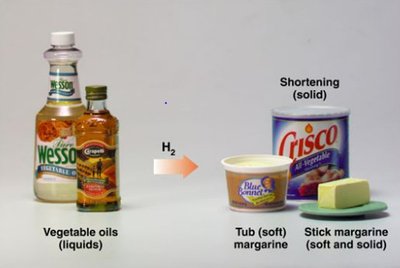
Hydrogenation Reactions: Hydrogen is used to convert unsaturated fats (oils) into saturated fats (margarine and shortening) in the food industry.
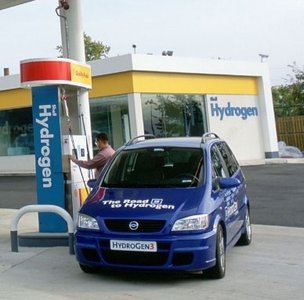
Alternative Fuel: Hydrogen is considered as a potential clean fuel. Its combustion with oxygen produces water and releases energy:
For comparison, the combustion of octane (a component of gasoline) is:
Advantages of hydrogen fuel:
Produces only water as a byproduct (no CO2 emissions)
High energy content per unit mass
Disadvantages:
Storage and transport are challenging due to low density and flammability
Most hydrogen is currently produced from fossil fuels, not water

Chemical Reactivity of Hydrogen
Hydrogen's small atomic size and electron configuration (1s1) give it unique chemical properties:
As an alkali metal: Hydrogen can lose its electron to form H+ (proton), similar to alkali metals (Group 1).
As a halogen: Hydrogen can gain an electron to form H– (hydride ion), similar to halogens (Group 17).
With transition metals: Hydrogen forms nonstoichiometric metallic hydrides, where hydrogen atoms occupy interstitial sites in the metal lattice. These hydrides can have applications in hydrogen storage and advanced materials.
Alkali Metals
Atomic and Physical Properties
The alkali metals (Group 1: Li, Na, K, Rb, Cs, Fr) are characterized by:
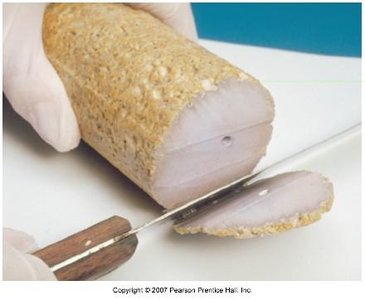
Low density and soft texture (can be cut with a knife)
Low melting points compared to most metals
High electrical conductivity
Shiny, metallic luster when freshly cut
Natural Sources and Extraction
Alkali metals are highly reactive and are not found in their elemental form in nature. They are typically found as salts in mineral deposits or dissolved in seawater. Common sources include:
Sodium chloride (NaCl) in seawater and rock salt deposits
Potassium salts in minerals such as sylvite (KCl)
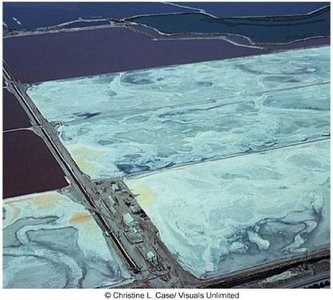
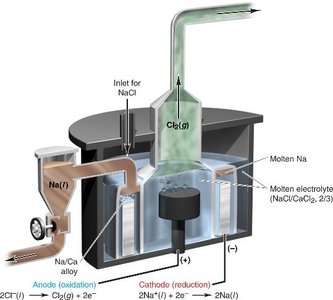
Extraction is usually performed by electrolysis of molten salts (e.g., NaCl):
At the cathode:
At the anode:
Uses of Alkali Metal Compounds
Alkali metal compounds have a wide range of uses:
Sodium chloride (table salt) for food and chemical industry
Sodium hydroxide (caustic soda) for soap and paper production
Lithium compounds in batteries
Potassium fertilizers in agriculture
Chemical Reactivity of Alkali Metals
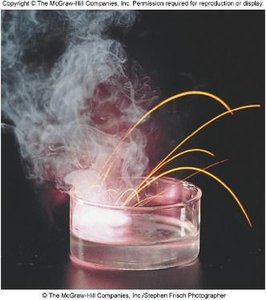
Alkali metals are highly reactive, especially with nonmetals and water:
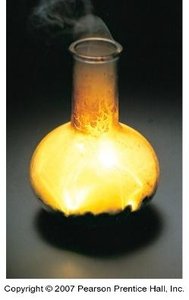
With nonmetals: Alkali metals react vigorously with halogens to form ionic salts (e.g., NaCl, KBr).
With water: Alkali metals react explosively with water to produce hydrogen gas and a metal hydroxide:

Additional info: The reactivity increases down the group, with cesium and francium being the most reactive.
