

Ch.18 - Chemistry of the Environment
Brown - Chemistry: The Central Science 14th Edition
Brown14th EditionChemistry: The Central ScienceISBN: 9780134414232당신이 사용하는 게 아니라요?교과서 변경
18장, 문제 4b

You are working with an artist who has been commissioned to make a sculpture for a big city in the eastern United States. The artist is wondering what material to use to make her sculpture because she has heard that acid rain in the eastern United States might destroy it over time. You take samples of granite, marble, bronze, and other materials, and place them outdoors for a long time in the big city. You periodically examine the appearance and measure the mass of the samples. (b) What chemical process (or processes) is (are) the most likely responsible for any observed changes in the materials? [Section 18.2]

검증된 단계별 안내
1
Identify the materials being tested: granite, marble, bronze, and others.
Understand that acid rain is primarily composed of sulfuric acid (H2SO4) and nitric acid (HNO3), which can react with certain materials.
Recognize that marble, which is primarily composed of calcium carbonate (CaCO3), is particularly susceptible to acid rain. The reaction is: CaCO3 + H2SO4 → CaSO4 + CO2 + H2O.
Consider that bronze, an alloy of copper and tin, can undergo corrosion when exposed to acidic conditions, forming copper sulfate and other compounds.
Conclude that the chemical processes responsible for changes in the materials are primarily acid-base reactions and corrosion due to the acidic nature of acid rain.

비슷한 문제에 대한 검증된 영상 답변:

이 영상 해법은 위 문제에 도움이 된다고 튜터들이 추천한 것입니다.
영상 길이:
3m

주요 개념

질문에 올바르게 답하기 위해 반드시 이해해야 하는 핵심 개념들은 다음과 같습니다.

Acid Rain

Acid rain is a form of precipitation that contains high levels of sulfuric and nitric acids, primarily resulting from industrial emissions and vehicle exhaust. This acidic precipitation can significantly affect various materials, particularly those containing calcium carbonate, such as marble and limestone, leading to chemical weathering and degradation. Understanding the composition and sources of acid rain is crucial for predicting its impact on different materials used in outdoor sculptures.
추천 영상:

Chemical Weathering

Chemical weathering refers to the process by which rocks and minerals undergo chemical changes due to environmental factors, such as water, acids, and gases. In the context of acid rain, the acids can react with minerals in the materials, causing dissolution or alteration of their structure. This process is particularly relevant for carbonate-based materials like marble, which can be significantly weakened by prolonged exposure to acidic conditions.
추천 영상:
가이드 코스
03:31
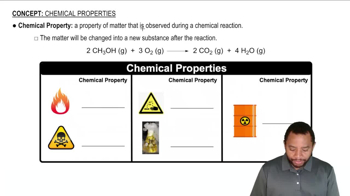
Chemical Properties

Corrosion

Corrosion is the gradual destruction of materials, usually metals, due to chemical reactions with their environment. In the case of bronze and other metals, exposure to acidic conditions can lead to the formation of corrosion products, such as oxides or salts, which can alter the appearance and integrity of the material. Understanding the mechanisms of corrosion is essential for selecting appropriate materials for outdoor sculptures that will withstand environmental challenges.
추천 영상:
가이드 코스
03:31
Chemical Properties