 뒤로
뒤로From Genotype to Phenotype: Foundations and Modern Techniques in Genetics
스터디 가이드 - 스마트 노트
 자료에 맞춘 맞춤형 노트, 핵심 정의, 예시, 맥락을 확장해 제공합니다.
From Genotype to Phenotype
Genotype, Alleles, and Phenotype
The relationship between genotype and phenotype is central to genetics. Genotype refers to the genetic constitution of an organism, while phenotype is the observable physical or biochemical characteristics determined by both genotype and environment.
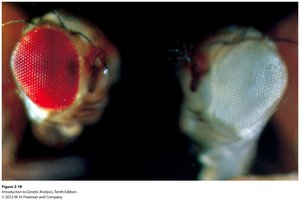
Alleles are different forms of a gene that arise by mutation and are found at the same place on a chromosome.
Organisms can be homozygous (having two identical alleles) or heterozygous (having two different alleles) for a gene.
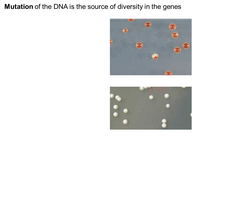
Mutations in DNA can create new alleles, which may result in new phenotypes.
Mutations and Protein Function
Some mutations alter the structure and function of proteins, which can have significant effects on phenotype. These changes can be beneficial, neutral, or harmful, depending on the context.
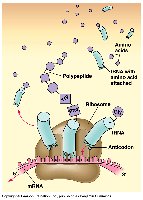
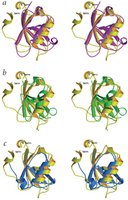
Mutations may change the amino acid sequence of a protein, potentially altering its function.
Protein structure is crucial for its function; even a single amino acid change can have dramatic effects.
Case Study: Sickle Cell Anemia
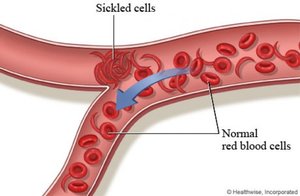
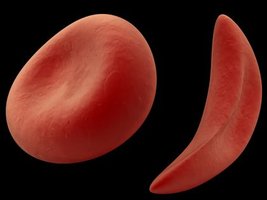
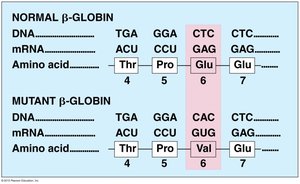
Sickle cell anemia is a classic example of how a single nucleotide mutation can lead to a dramatic change in phenotype. The disease is caused by a mutation in the β-globin gene, resulting in abnormal hemoglobin and sickle-shaped red blood cells.
Normal hemoglobin (HbA) has glutamic acid at position 6; sickle hemoglobin (HbS) has valine due to a point mutation.
This change causes red blood cells to deform, leading to various health complications.
The Structure of DNA and Complementarity
DNA Structure
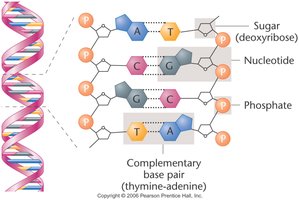
DNA (deoxyribonucleic acid) is the hereditary material in almost all living organisms. Its structure is a double helix composed of two complementary strands.
Each strand is made of nucleotides, which include a sugar, a phosphate group, and a nitrogenous base.
Bases pair specifically: adenine (A) with thymine (T), and guanine (G) with cytosine (C).
Bioinformatics and Genetic Analysis
Bioinformatics
Bioinformatics uses computational tools to analyze and interpret large biological datasets, such as genomic sequences. It is essential for modern genetics research.
Applications include gene prediction, sequence alignment, and evolutionary studies.
Bioinformatics enables the analysis of complex data generated by high-throughput techniques.
Forward and Reverse Genetics
Geneticists use two main approaches to study gene function:
Forward genetics: Identifies genes responsible for a phenotype by starting with a mutant phenotype and working toward the gene.
Reverse genetics: Starts with a known gene and investigates the phenotypic effects of altering or disrupting that gene.
Modern Genetic Techniques
Genomics and Next Generation Sequencing
Genomics is the study of entire genomes, while next generation sequencing (NGS) refers to high-throughput methods for rapidly sequencing DNA.
NGS allows for the sequencing of millions of DNA fragments simultaneously, revolutionizing genetic research.
Molecular Cloning
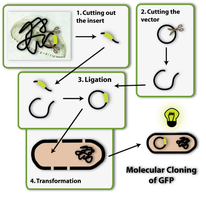
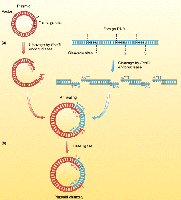
Molecular cloning involves isolating and amplifying a specific DNA sequence, often by inserting it into a vector and propagating it in a host organism.
Key steps include cutting DNA with restriction enzymes, ligating fragments, and transforming host cells.
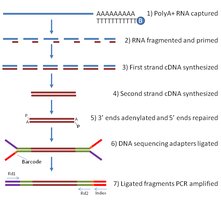
RNA Sequencing (RNA-Seq)
RNA-Seq is a technique for analyzing the transcriptome, the complete set of RNA transcripts produced by the genome.
It provides insights into gene expression and regulation.
Recombinant DNA and Transgenic Organisms
Recombinant DNA Technology
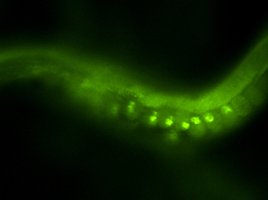
Recombinant DNA technology allows scientists to manipulate genetic material by combining DNA from different sources. This is foundational for genetic engineering and biotechnology.
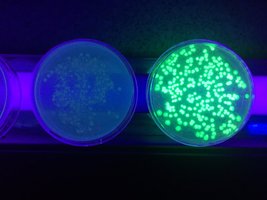
Applications include gene therapy, production of pharmaceuticals, and creation of genetically modified organisms (GMOs).
Genome Editing
CRISPR/Cas9 and Other Genome Editing Tools
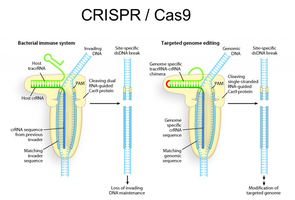
Genome editing technologies, such as CRISPR/Cas9, enable precise modifications to DNA sequences in living organisms.
CRISPR/Cas9 uses a guide RNA to target specific DNA sequences for editing.
Other necessary discoveries for genome editing include DNA structure determination, DNA sequencing, restriction endonucleases, and the polymerase chain reaction (PCR).
Model Organisms in Genetics
Importance and Characteristics of Model Organisms
Model organisms are species that are widely used in genetic research due to their practical advantages and relevance to broader biological questions.
They are easy to maintain, have short generation times, produce many offspring, and are amenable to genetic manipulation.
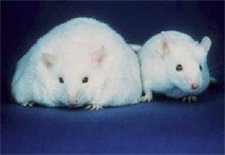
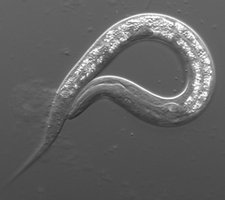
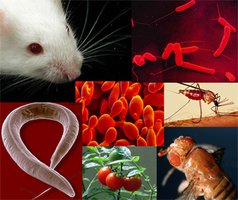
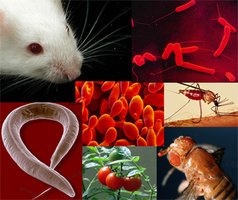
Common model organisms include Escherichia coli, Caenorhabditis elegans, Drosophila melanogaster, and the house mouse (Mus musculus).
Cell Structure and Function
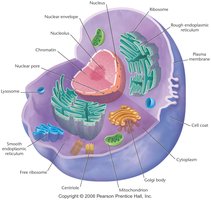
Overview of the Eukaryotic Cell
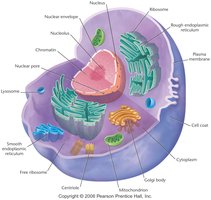
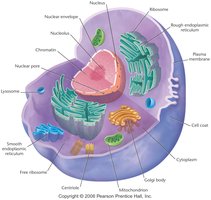
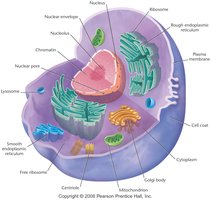
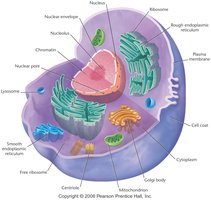
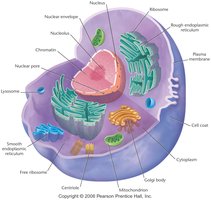
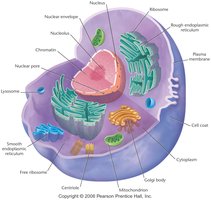
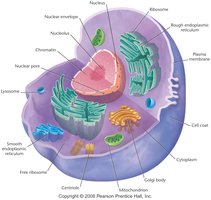
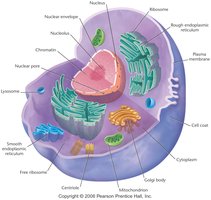
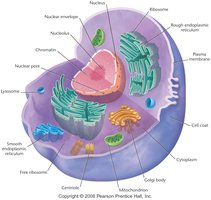
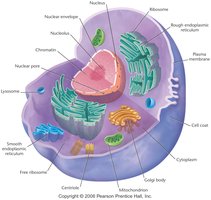
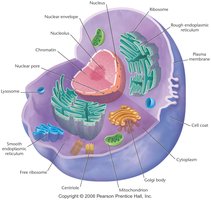
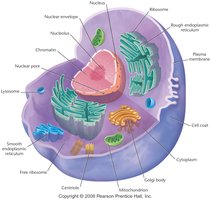
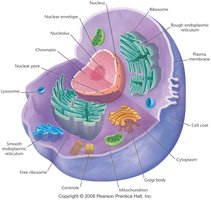
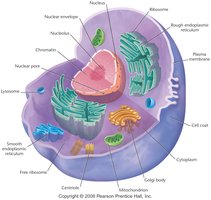
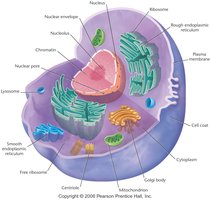
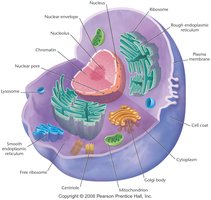
The eukaryotic cell contains membrane-bound organelles, including the nucleus, mitochondria, endoplasmic reticulum, and Golgi apparatus. These structures are essential for cellular function and genetic processes.
The nucleus houses genetic material (DNA).
Other organelles are involved in energy production, protein synthesis, and transport.
Prokaryotic vs. Eukaryotic Cells
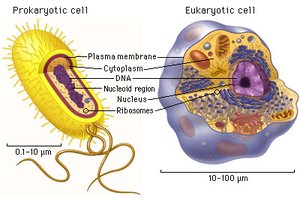
Prokaryotic cells (e.g., bacteria) lack a nucleus and membrane-bound organelles, while eukaryotic cells have these structures. This distinction is fundamental in genetics and cell biology.
Prokaryotes: DNA is located in the nucleoid region; cell processes occur in the cytoplasm.
Eukaryotes: DNA is enclosed in the nucleus; compartmentalization allows for specialized functions.
The Eukaryotic Cell Cycle
Phases and Checkpoints
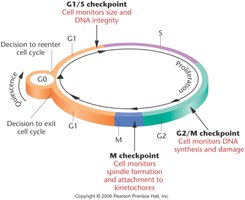
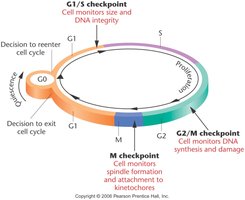
The eukaryotic cell cycle consists of a series of phases that lead to cell division. Checkpoints ensure the fidelity of cell division and DNA replication.
G1 phase: Cell grows and prepares for DNA replication.
S phase: DNA is replicated.
G2 phase: Cell prepares for mitosis.
M phase: Mitosis and cytokinesis occur.
Checkpoints (G1/S, G2/M, M) monitor cell size, DNA integrity, and spindle attachment.
Additional info: This guide covers foundational concepts in genetics, including the molecular basis of inheritance, the impact of mutations, modern genetic techniques, and the use of model organisms. It also introduces cell structure and the cell cycle, which are essential for understanding genetic processes.
