 뒤로
GOB Chemistry Exam Study Guidance
스터디 가이드 - 스마트 노트
 자료에 맞춘 맞춤형 노트, 핵심 정의, 예시, 맥락을 확장해 제공합니다.
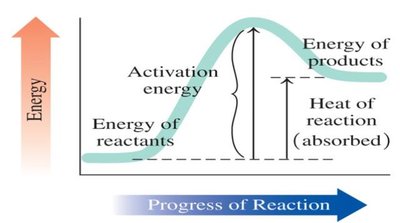
Q17. An energy diagram of a reaction is shown to the right. This diagram illustrates:
Background
Topic: Reaction Energy Profiles (Endothermic vs. Exothermic Reactions)
This question tests your understanding of how energy changes during a chemical reaction, specifically the difference between endothermic and exothermic reactions, and how to interpret energy diagrams.
Key Terms and Formulas:
Activation Energy: The minimum energy required for a reaction to occur.
Endothermic Reaction: A reaction that absorbs energy from the surroundings (products have higher energy than reactants).
Exothermic Reaction: A reaction that releases energy (products have lower energy than reactants).
Energy Diagram: A graph showing the energy changes during a reaction.
Step-by-Step Guidance
Examine the energy diagram. Notice the energy of the reactants and the energy of the products.
Compare the energy levels: Is the energy of the products higher or lower than the reactants?
Recall that if the products are higher in energy, the reaction absorbs energy (endothermic). If lower, it releases energy (exothermic).
Look for the label "heat of reaction (absorbed)"—this is a clue about the type of reaction.
Use these observations to determine whether the diagram represents an endothermic or exothermic reaction, but stop before stating the final answer.
Try solving on your own before revealing the answer!
Final Answer: Endothermic reaction
The diagram shows the energy of the products is higher than the energy of the reactants, and the heat of reaction is absorbed. This means the reaction is endothermic.
