 뒤로
뒤로Pathogenic Organisms and Their Impact on Human Health
스터디 가이드 - 스마트 노트
 자료에 맞춘 맞춤형 노트, 핵심 정의, 예시, 맥락을 확장해 제공합니다.
Pathogenic Organisms
Introduction to Pathogens
Pathogens are microorganisms or agents that cause disease and illness in humans. While most microorganisms are harmless, a select few are responsible for disorders that lead to human suffering. Pathogens can invade or poison living cells, disrupt normal cell division, and are influenced by environmental factors, exposure to toxins, and mutations.
Microorganisms: Invisible to the naked eye, present everywhere.
Mutations: Changes in genetic material can lead to internal disorders.
Body Defence Mechanisms: Physical and chemical barriers, non-specific and specific immune responses.
Categories of Pathogens
Pathogens are classified into several categories based on their structure and mode of action:
Bacteria
Viruses
Prions
Fungi
Protozoa
Bacteria
Structure and Function
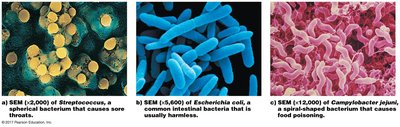
Bacteria are single-celled prokaryotic organisms with a rigid cell wall surrounding their plasma membrane. Their shapes include spheres (cocci), rods (bacilli), and spirals (spirilla). Bacteria are among the most successful organisms on Earth due to their small size and high surface-to-volume ratio, which facilitates efficient exchange of materials.
Shapes: Spherical, rod-shaped, spiral-shaped.
Diseases: Pneumonia, tonsillitis, tuberculosis, botulism, toxic shock syndrome, syphilis, Lyme disease.
Treatment: Antibiotics inhibit growth of bacteria, fungi, and protozoa.
Example: Streptococcus (spherical), Escherichia coli (rod-shaped), Campylobacter jejuni (spiral-shaped).
Viruses
Structure and Infection Mechanisms
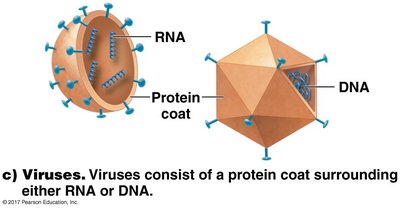
Viruses are extremely small infectious agents, approximately 1/1000th the size of a typical eukaryotic cell. They consist of a small piece of genetic material (RNA or DNA) surrounded by a protective protein coat called a capsid. Viruses infect host cells by various mechanisms, including endocytosis, membrane fusion, or direct injection of genetic material.
Structure: Genetic material (RNA or DNA) within a protein coat (capsid).
Infection: Host cell produces viral genetic material, disrupting normal metabolism.
Diseases: AIDS, hepatitis, rabies, warts, chicken pox, coronaviruses.
Treatment: Anti-viral medications inhibit viral replication within host cells.
Example: Viruses with either RNA or DNA as their genetic material.
Prions
Nature and Effects
Prions are infectious proteins, specifically misfolded forms of normal brain cell proteins. They induce misfolding in nearby neural cells, leading to self-propagating accumulation. Prions cause nerve cell death, resulting in debilitating neurological symptoms and progressive degeneration.
Diseases: Bovine spongiform encephalopathy (BSE, "Mad-cow disease"), variant Creutzfeldt-Jakob disease (vCJD).
Resistance: Prions are resistant to cooking, drying, and freezing.
Treatment: No known cure; prevention focuses on limiting spread in cattle.
Example: vCJD affects humans who consume BSE-infected meat.
Determining Pathogen Danger
Three Key Factors
The danger posed by a pathogen is determined by three main factors:
Transmissibility: How easily the pathogen passes from one person to another.
Mode of Transmission: The method by which the pathogen is transmitted (e.g., airborne, contact, ingestion).
Virulence: The severity and damaging potential of the resulting disease.
Summary
Pathogenic organisms include bacteria, viruses, and prions, each with unique structures and mechanisms of disease.
The immune system employs various defense mechanisms to protect against these pathogens.
The danger of a pathogen is assessed by transmissibility, mode of transmission, and virulence.
