 뒤로
뒤로Digestive System and Elimination: Medical Terminology Study Guide
스터디 가이드 - 스마트 노트
 자료에 맞춘 맞춤형 노트, 핵심 정의, 예시, 맥락을 확장해 제공합니다.
Digestive System and Elimination
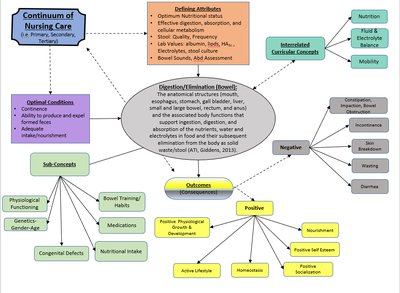
Overview of the Gastrointestinal (GI) System
The gastrointestinal system is a continuous tube responsible for the digestion and absorption of nutrients, as well as the elimination of waste. Understanding its structure and function is essential for recognizing normal and abnormal digestive processes.
Mechanical digestion: Physical breakdown of food via chewing and muscular contractions.
Chemical digestion: Enzymatic breakdown of food into absorbable molecules.
Nutrient absorption: Uptake of nutrients through the intestinal wall into the bloodstream.
Waste elimination: Removal of indigestible substances and metabolic waste via defecation.
Health History and GI Assessment
A thorough health history and focused GI assessment are crucial for identifying digestive issues.
Key questions: Date of last bowel movement (BM), abdominal pain, frequency, digestive problems, heartburn, nausea/vomiting, distention, stool consistency, diarrhea, constipation, bloody stools.
Medication review: Laxatives, opioids, and other drugs affecting GI function.
Chronic conditions: Diabetes, hepatitis, cirrhosis, history of abdominal surgeries, colonoscopies, and family history of GI cancers.
Factors Influencing GI Function
Multiple factors can affect GI function and elimination.
Age: Infants, pregnant women, and older adults have unique elimination patterns.
Culture and personal habits: Dietary preferences and routines.
Psychological factors: Stress and emotional health.
Physical alterations: Immobility, surgical history.
Environment: Privacy, activity, and positioning.
Common GI Issues
Types of GI Problems
The most frequent GI issues include:
Diarrhea: Frequent, loose stools.
Incontinence: Inability to control bowel movements.
Constipation: Infrequent or difficult passage of stool.
Impaction: Hard, immobile stool in the rectum.
Flatulence: Excessive gas production.

Stool Characteristics and the Bristol Stool Chart
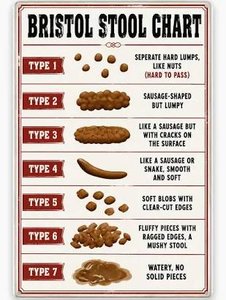
Stool characteristics provide important diagnostic information.
Color: Normal (brown), abnormal (black, red, pale).
Consistency: Ranges from hard lumps to watery.
Volume and shape: Indicates GI health and function.
Focused GI Assessment
Physical Assessment Techniques
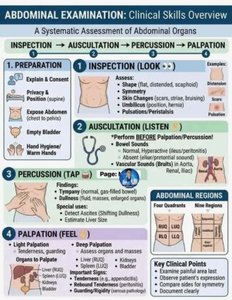
A systematic approach to abdominal examination includes inspection, auscultation, percussion, and palpation.
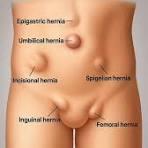
Inspection: Assess shape, distention, scars, and hernias.
Auscultation: Listen for bowel sounds in four quadrants; normal range is 5–34 sounds per minute.
Percussion: Detects tympany and dullness, indicating gas or fluid.
Palpation: Identifies tenderness, masses, and organ size.
Recognizing Abnormal Findings
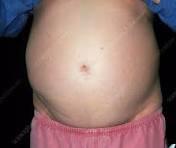
Ascites: Accumulation of fluid in the abdomen.
Hernia: Protrusion of abdominal contents through a weak spot.
Distension: Swelling of the abdomen.
Pain: May indicate inflammation or obstruction.
GI Red Flags
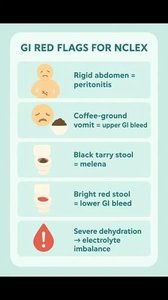
Certain symptoms require urgent attention.
Rigid abdomen: May indicate peritonitis.
Coffee-ground vomit: Suggests upper GI bleed.
Black tarry stool (melena): Indicates upper GI bleeding.
Bright red stool: Indicates lower GI bleeding.
Severe dehydration: Can cause electrolyte imbalance.
Diagnostics and Laboratory Assessment
Diagnostic Tests
Stool culture: Identifies infectious agents.
Occult blood testing (guaiac): Detects hidden blood in stool.
Upper/Lower GI series: Radiographic studies of GI tract.
Endoscopy/Colonoscopy: Direct visualization of GI tract.
Blood work (CBC/CMP): Assesses overall health and organ function.
Nursing Actions and Management
Assistive Devices for Elimination
Patients may require devices to aid elimination, especially with mobility issues.
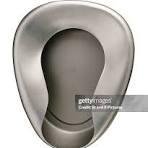
Bedpan: Used for patients unable to ambulate.
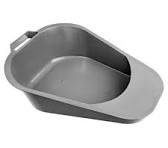
Fracture pan: Designed for patients with limited mobility.
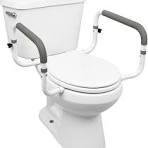
Toilet with assistive rails: Provides support and safety.
Diet and Nutrition Therapy
Nutrition is a key component of GI health.
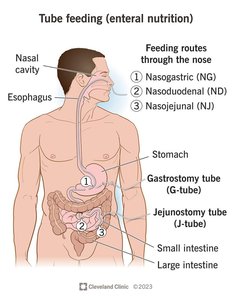
Enteral nutrition: Tube feeding directly into the GI tract.
Parenteral nutrition: IV administration of nutrients.
Diet modifications: High-fiber, low-fat, and adequate hydration.
Management of Constipation and Diarrhea
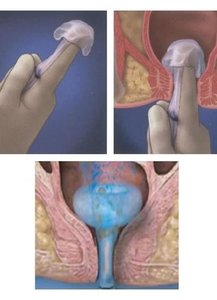
Constipation: Managed with laxatives, dietary changes, regular schedule, exercise, and proper positioning.
Diarrhea: Managed with antidiarrheals, avoiding irritants, hydration, and protecting perianal tissue.
Bowel Diversions and Ostomy Care
Bowel Diversions
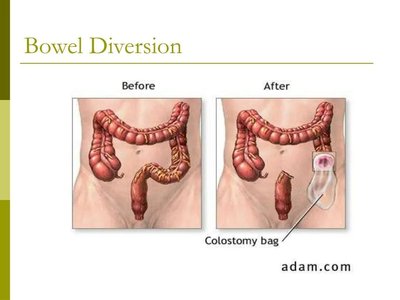
Bowel diversions are surgical procedures that reroute the intestinal tract.
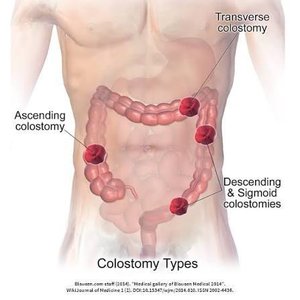
Ostomy: Surgical opening for waste elimination.
Stoma: The visible part of the ostomy.
Ileostomy: Opening from the ileum.
Colostomy: Opening from the colon.
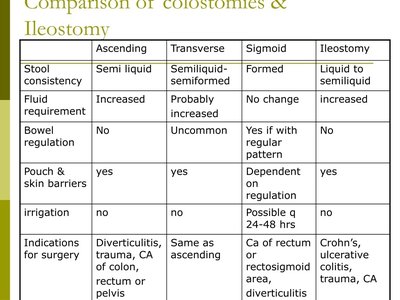
Comparison of Colostomies and Ileostomy
Type | Stool Consistency | Fluid Requirement | Bowel Regulation | Pouch & Skin Barriers | Irrigation | Indications for Surgery |
|---|---|---|---|---|---|---|
Ascending | Semi liquid | Increased | No | Yes | No | Diverticulitis, trauma, CA of colon, rectum or pelvis |
Transverse | Semiliquid-semiformed | Probably increased | Uncommon | Yes | No | Same as ascending |
Sigmoid | Formed | No change | Yes if with regular pattern | Dependent on regulation | Possible q 24-48 hrs | CA of rectum or rectosigmoid area, diverticulitis |
Ileostomy | Liquid to semiliquid | Increased | No | Yes | No | Crohn's, ulcerative colitis, trauma, CA |
Ostomy Care
Proper care of the stoma and ostomy appliance is essential for patient comfort and infection prevention.
Stoma assessment: Should be moist, pink/red, and free from infection.
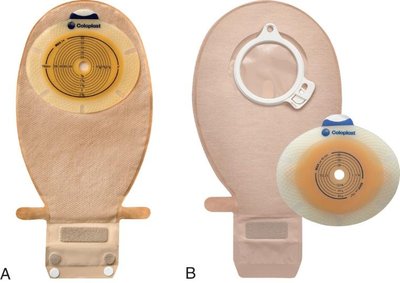
Ostomy appliances: Pouching systems to collect waste.
Skin care: Prevent irritation and breakdown.

Pharmacological Management
Laxatives and Antidiarrheals
Medications are used to manage constipation and diarrhea.
Osmotic laxatives: Polyethylene glycol increases water in stool.
Bulk-forming laxatives: Psyllium adds fiber to stool.
Stimulant laxatives: Bisacodyl stimulates bowel movement.
Stool softeners: Docusate softens stool.
Antidiarrheals: Loperamide, diphenoxylate/atropine reduce bowel motility.
Summary Table: GI Assessment and Management
Assessment | Normal Findings | Abnormal Findings | Management |
|---|---|---|---|
Inspection | Flat, non-distended abdomen | Distension, hernia, ascites | Further diagnostics, surgical consult |
Auscultation | 5–34 bowel sounds/min | Hypoactive (<5), hyperactive (>34) | Monitor, treat underlying cause |
Palpation | No tenderness, masses | Pain, masses | Imaging, labs |
Stool | Brown, formed | Bloody, watery, hard lumps | Diet, medication, hydration |
Key Medical Terminology
Peristalsis: Rhythmic contraction of GI muscles moving food forward.
Defecation: Elimination of feces from the rectum.
Stoma: Surgical opening for waste elimination.
Ostomy: Procedure creating a stoma.
Colostomy/Ileostomy: Types of ostomies based on location.
Impaction: Hard, immobile stool in rectum.
Ascites: Fluid accumulation in abdomen.
Hernia: Protrusion of organ through muscle wall.
Equations and Formulas
Body Mass Index (BMI) Calculation
BMI is often used in nutritional assessment.
Formula:
Fluid Requirement Calculation
Fluid needs may increase with certain GI conditions.
Formula:
Conclusion
Understanding the structure, function, and assessment of the digestive system is essential for medical terminology students. Recognizing normal and abnormal findings, managing common GI issues, and providing appropriate nursing care are key components of clinical practice.
Example:
A patient with a sigmoid colostomy will have formed stool, may require irrigation every 24–48 hours, and needs regular assessment of the stoma and skin.
Additional info:
Academic context was added to clarify assessment techniques, diagnostic tests, and pharmacological management.
