 뒤로
뒤로Medical Terminology: Reproductive System and Obstetrics – Comprehensive Study Notes
스터디 가이드 - 스마트 노트
 자료에 맞춘 맞춤형 노트, 핵심 정의, 예시, 맥락을 확장해 제공합니다.
Reproductive System and Obstetrics
Introduction
The reproductive system is essential for the creation of offspring and the continuation of the human species. Medical terminology related to this system includes terms for anatomy, physiology, diseases, disorders, procedures, and treatments. Obstetrics is the medical specialty focusing on pregnancy, childbirth, and the postpartum period.
Anatomy and Physiology of the Reproductive System
Word Parts and Combining Forms
andr/o: male
balan/o: glans penis
cervic/o: cervix
cyes/o, cyesi/o: pregnancy
embry/o: embryo
epididym/o: epididymis
episi/o: vulva
fet/o: fetus
gravid/o, gravidar/o: pregnancy
mamm/o: breast
men/o, menstru/o: menstruation
orchi/o, orchid/o: testis
pen/o: penis
semin/o: semen
sperm/o, spermat/o: sperm
test/o, testicul/o: testis
urethr/o: urethra
vas/o: vessel, duct
General Function
The reproductive system's primary function is the creation of offspring through the union of male (sperm) and female (ovum) gametes.
Fertilization results in a zygote, the origin of a new human life.
Male Reproductive System
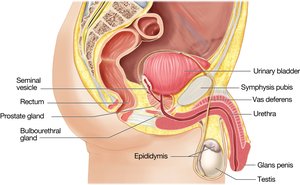
The male reproductive system produces and delivers sperm. Key organs include:
Testes: Produce sperm and testosterone.
Scrotum: Sac that holds the testes.
Penis: Organ for copulation and urination.
Epididymis: Stores and matures sperm.
Vas deferens: Transports sperm from the epididymis.
Urethra: Passage for urine and semen.
Seminal vesicles, prostate gland, bulbourethral glands: Produce seminal fluid.
Female Reproductive System
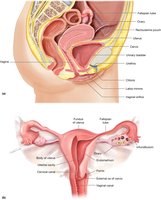
The female reproductive system produces ova and supports fetal development. Key organs include:
Ovaries: Produce ova and hormones (estrogen, progesterone).
Fallopian tubes: Transport ova to the uterus; site of fertilization.
Uterus: Site of fetal development.
Vagina: Receives sperm, serves as birth canal.
Vulva: External genitalia.
Prenatal Development and Obstetrics
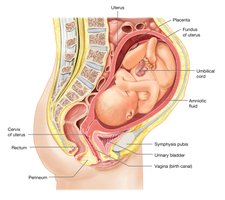
After fertilization, the zygote enters the prenatal development period.
Obstetrics (OB) is the medical specialty supporting pregnancy, childbirth, and postpartum care.
Medical Specialties and Terms
Key Specialties
Reproductive medicine: Focuses on fertility and reproductive health.
Urology: Treats urinary and male reproductive disorders.
Gynecology: Treats female reproductive disorders.
Obstetrics: Manages pregnancy and childbirth.
Sexually Transmitted Infections (STIs)
Diseases transmitted through sexual contact, including HIV/AIDS, chlamydia, gonorrhea, syphilis, HPV, and others.
Male Reproductive System: Signs, Symptoms, Diseases, and Treatments
Common Signs and Symptoms
Aspermia: Absence of sperm in semen.
Azoospermia: Lack of live sperm in semen.
Balanorrhea: Discharge from the glans penis.
Oligospermia: Low sperm count.
Prostatitis: Inflammation of the prostate gland.
Urethritis: Inflammation of the urethra.
Diseases and Disorders
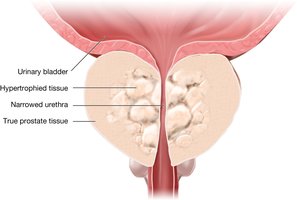
Benign prostatic hyperplasia (BPH): Noncancerous enlargement of the prostate, causing urinary obstruction.
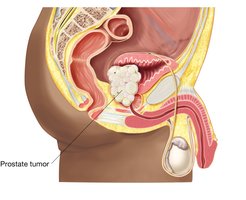
Prostate cancer: Malignant tumor of the prostate, often metastatic.
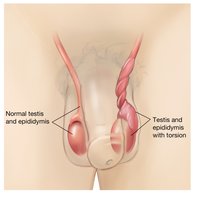
Testicular torsion: Twisting of the spermatic cord, cutting off blood supply to the testis.
Cryptorchidism: Undescended testis.
Erectile dysfunction (ED): Inability to achieve or maintain an erection.
Hydrocele: Fluid accumulation around the testis.
Peyronie disease: Curvature of the penis due to fibrous tissue.
Phimosis: Tight foreskin that cannot be retracted.
Priapism: Prolonged, painful erection.
Treatments, Procedures, and Devices
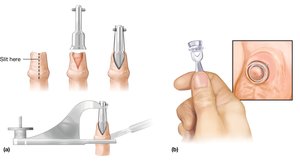
Circumcision: Surgical removal of the prepuce (foreskin) from the penis.
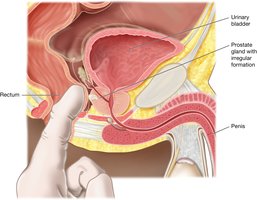
Digital rectal examination (DRE): Palpation of the prostate via the rectum to detect abnormalities.
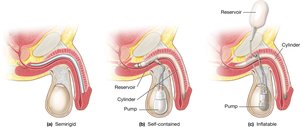
Penile implant: Device implanted to treat erectile dysfunction.
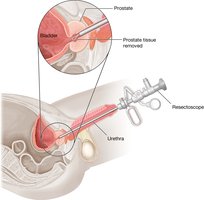
Transurethral resection of the prostate (TURP): Removal of prostate tissue to relieve urinary obstruction.
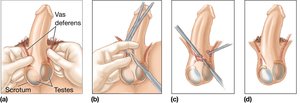
Vasectomy: Surgical cutting and sealing of the vas deferens for male sterilization.
Female Reproductive System: Signs, Symptoms, Diseases, and Treatments
Common Signs and Symptoms
Amenorrhea: Absence of menstruation.
Dysmenorrhea: Painful menstruation.
Leukorrhea: White vaginal discharge.
Mastalgia: Breast pain.
Menorrhagia: Excessive menstrual bleeding.
Oligomenorrhea: Infrequent menstruation.
Diseases and Disorders
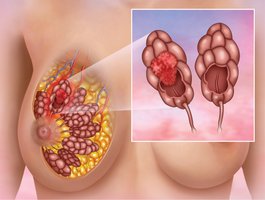
Breast cancer: Malignant tumor of breast tissue, often infiltrating ductal carcinoma (IDC).
Cervical cancer: Malignant tumor of the cervix, often detected by Pap smear.
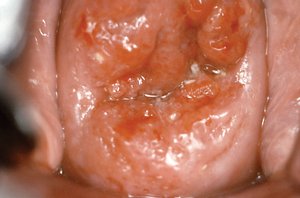
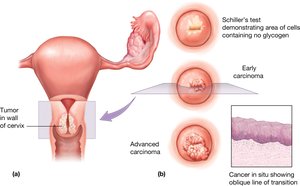
Endometrial cancer: Cancer of the uterine lining.
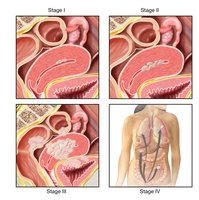
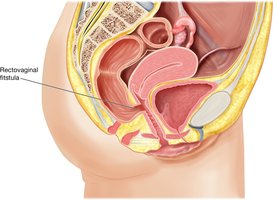
Rectovaginal fistula: Abnormal passage between rectum and vagina.
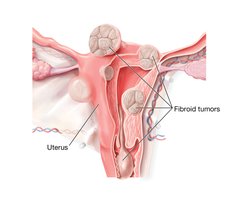
Fibroid tumors (leiomyomas): Benign tumors of uterine muscle.
Polycystic ovary syndrome (PCOS): Ovarian disorder with multiple cysts, hormonal imbalance, and infertility.

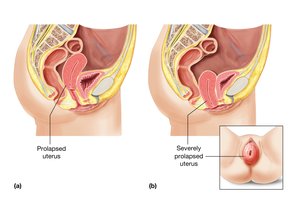
Prolapsed uterus: Downward displacement of the uterus into the vagina.
Treatments, Procedures, and Devices
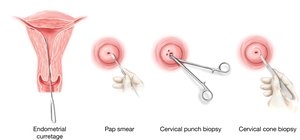
Biopsy: Removal of tissue for diagnostic examination.
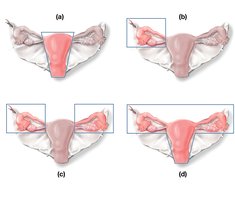
Hysterectomy: Surgical removal of the uterus.
Salpingo-oophorectomy: Removal of fallopian tube and ovary.
Panhysterectomy: Removal of uterus, both ovaries, and fallopian tubes.
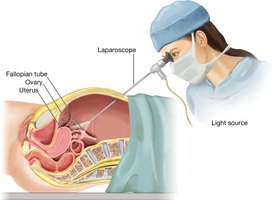
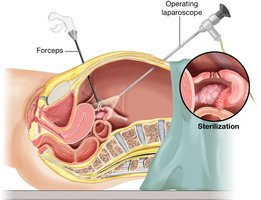
Laparoscopy: Endoscopic examination of the abdominal cavity, often for reproductive organs.
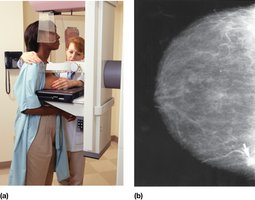
Mammography: X-ray imaging of the breast to detect tumors.
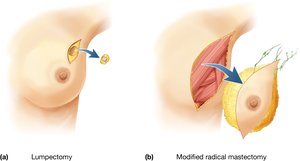
Mastectomy: Surgical removal of breast tissue.
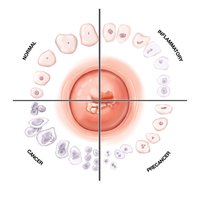
Papanicolaou (Pap) smear: Screening test for cervical cancer.
Tubal ligation: Surgical sterilization by cutting and tying fallopian tubes.
Obstetrics: Symptoms, Diseases, and Treatments
Common Obstetrical Signs and Symptoms
Amniorrhea: Discharge of amniotic fluid.
Dystocia: Difficult labor or childbirth.
Hyperemesis gravidarum: Severe nausea and vomiting during pregnancy.
Pseudocyesis: False pregnancy.
Diseases and Disorders
Abruptio placentae: Premature separation of the placenta from the uterine wall, endangering the fetus.
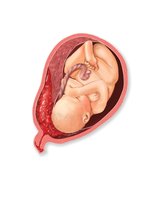
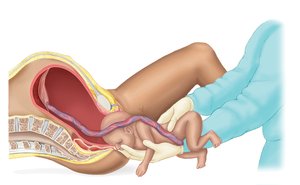
Breech presentation: Fetus is delivered feet or buttocks first instead of head first.
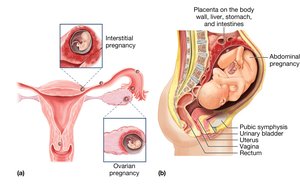
Ectopic pregnancy: Implantation of the embryo outside the uterus, commonly in the fallopian tube.
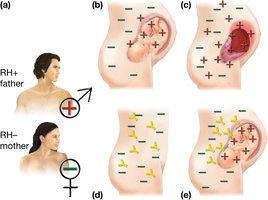
Erythroblastosis fetalis: Hemolytic disease of the newborn due to blood group incompatibility.
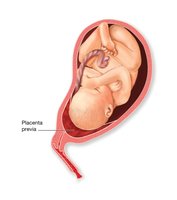
Placenta previa: Placenta covers the cervical opening, blocking the birth canal.
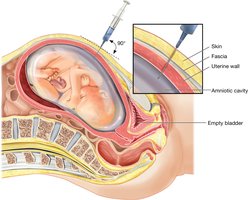
Treatments, Procedures, and Devices
Amniocentesis: Aspiration of amniotic fluid for diagnostic testing.
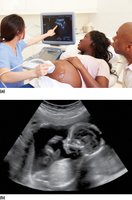
Obstetrical sonography and fetometry: Ultrasound imaging to assess fetal development and measure fetal size.
Sexually Transmitted Infections (STIs)
Common STIs
HIV/AIDS: Human immunodeficiency virus causes acquired immunodeficiency syndrome.
Candidiasis: Fungal infection.
Chlamydia: Bacterial infection, often asymptomatic.
Genital herpes (HSV-2): Viral infection causing painful sores.
Gonorrhea: Bacterial infection affecting mucous membranes.
Hepatitis B (HBV): Viral infection affecting the liver.
Human papillomavirus (HPV): Causes genital warts and cervical cancer.
Syphilis: Bacterial infection, primary lesion is a chancre.
Trichomoniasis: Protozoal infection.
Abbreviations
Common abbreviations in reproductive and obstetric terminology include:
BPH: Benign prostatic hyperplasia
DRE: Digital rectal examination
ED: Erectile dysfunction
GYN: Gynecology
OB: Obstetrics
PCOS: Polycystic ovary syndrome
PMS: Premenstrual syndrome
PSA: Prostate-specific antigen
TURP: Transurethral resection of the prostate
Summary Table: Key Terms and Their Meanings
Term | Meaning |
|---|---|
Orchiectomy | Surgical removal of a testis |
Salpingectomy | Surgical removal of a fallopian tube |
Hysterectomy | Surgical removal of the uterus |
Colposcopy | Visual examination of the vagina and cervix |
Gynecologist | Physician specializing in female reproductive health |
Urologist | Physician specializing in urinary and male reproductive health |
Additional info: This guide expands on the provided material with definitions, clinical context, and examples to ensure a comprehensive understanding suitable for exam preparation in a Medical Terminology course.
