 뒤로
A Brief History of Microbiology: Pioneers, Discoveries, and Modern Advances
스터디 가이드 - 스마트 노트
 자료에 맞춘 맞춤형 노트, 핵심 정의, 예시, 맥락을 확장해 제공합니다.
A Brief History of Microbiology
Major Pioneers and Their Discoveries
The field of microbiology was shaped by numerous scientists whose discoveries laid the foundation for our understanding of microorganisms. Their work addressed fundamental questions about the origin, nature, and control of microbial life.
Antoni van Leeuwenhoek: Known as the Father of Microscopy, he was the first to observe and describe microorganisms, which he called "animalcules," using simple microscopes in the 17th century.
Aristotle: Proposed the theory of spontaneous generation (abiogenesis), suggesting that living things could arise from nonliving matter.
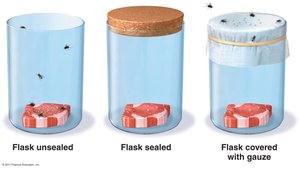
Francesco Redi: Disproved spontaneous generation for larger organisms through controlled experiments with meat and flies.
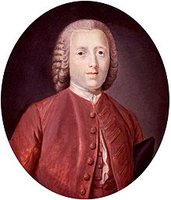
John Needham: Supported spontaneous generation for microbes based on experiments with boiled broths.
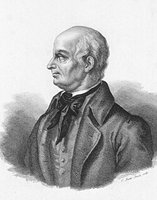
Lazzaro Spallanzani: Improved upon Needham's work, showing that microbes did not arise spontaneously when broths were properly sealed and heated.
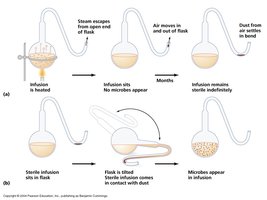
Louis Pasteur: Disproved spontaneous generation with his swan-neck flask experiments, developed the germ theory of disease, and invented pasteurization.
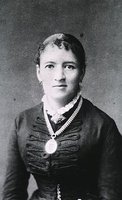
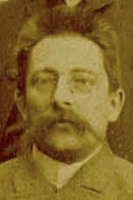
Robert Koch: Established Koch's postulates, linking specific microbes to specific diseases, and advanced laboratory techniques.
The Scientific Method in Microbiology
The debate over spontaneous generation led to the development of the scientific method, which is now fundamental to all scientific inquiry:
Observation of phenomena
Formulation of a hypothesis
Design and execution of experiments
Analysis of results to accept, reject, or modify the hypothesis
This approach allowed scientists to systematically investigate the origins and behaviors of microorganisms.
The Golden Age of Microbiology
During the late 1800s and early 1900s, microbiology experienced rapid advances, often referred to as its "Golden Age." Key questions addressed included the causes of fermentation, disease, and methods for preventing infection.
Fermentation: Pasteur demonstrated that living organisms, not air, cause fermentation, leading to the development of pasteurization.
Germ Theory of Disease: Pasteur and Koch established that specific microbes cause specific diseases.
Laboratory Advances: Koch and others developed techniques such as simple staining, use of solid media (agar and Petri dishes), and aseptic methods.
Koch’s Postulates
Koch’s postulates are a set of criteria used to establish a causative relationship between a microbe and a disease:
The suspected agent must be found in every case of the disease and absent from healthy hosts.
The agent must be isolated and grown in pure culture outside the host.
When the agent is introduced into a healthy, susceptible host, the host must develop the disease.
The same agent must be re-isolated from the diseased experimental host.
Notable Scientists and Their Discoveries
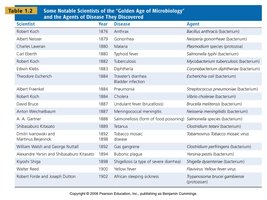
The following table summarizes key scientists of the Golden Age of Microbiology and the agents of disease they discovered:
Scientist | Year | Disease | Agent |
|---|---|---|---|
Robert Koch | 1876 | Anthrax | Bacillus anthracis (bacterium) |
Albert Neisser | 1879 | Gonorrhea | Neisseria gonorrhoeae (bacterium) |
Charles Laveran | 1880 | Malaria | Plasmodium species (protozoan) |
... (see full table in source) |
Prevention and Control of Infectious Diseases
Semmelweis, Lister, Snow, Jenner, and Ehrlich
Efforts to prevent infection and disease led to major advances in public health and medicine:
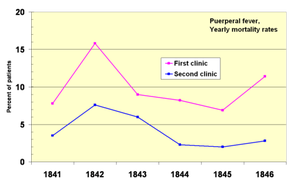
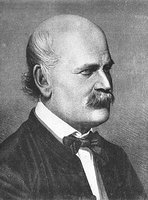
Ignaz Semmelweis: Demonstrated the importance of handwashing in reducing puerperal fever in maternity wards.
Joseph Lister: Developed antiseptic surgical techniques, reducing postoperative infections.
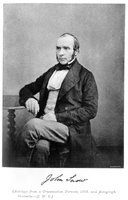
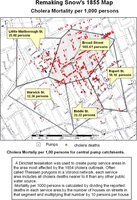
John Snow: Pioneered epidemiology by tracing a cholera outbreak to a contaminated water pump in London.
Edward Jenner: Developed the first vaccine (for smallpox) using cowpox material, founding the field of immunology.
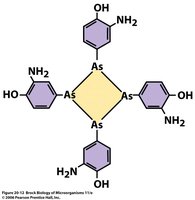
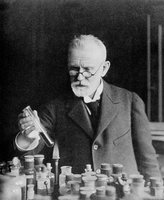
Paul Ehrlich: Introduced the concept of "magic bullets"—chemicals that selectively target pathogens (e.g., Salvarsan for syphilis).
Modern Advances in Microbiology
Recombinant DNA Technology
Recombinant DNA technology involves manipulating genes in microbes, plants, and animals for practical applications. Examples include:
Production of human growth hormone, blood-clotting factors, and insulin by genetically engineered Escherichia coli.
Gene Therapy
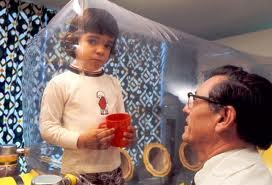
Gene therapy is the insertion or repair of genes in humans to treat genetic disorders. For example, Severe Combined Immunodeficiency Disease (SCID) can be treated by inserting the ADA gene using viral vectors.

Environmental Microbiology
Environmental microbiology studies the roles of microbes in the environment, including:
Bioremediation: Use of living organisms to detoxify polluted environments.
Recycling: Microbes recycle essential elements such as carbon, nitrogen, and sulfur.
Chemotherapy and Antibiotics
Chemotherapy refers to the use of chemicals to treat diseases. Key figures include:
Paul Ehrlich: Discovered Salvarsan, an arsenic compound effective against syphilis.
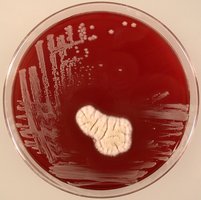
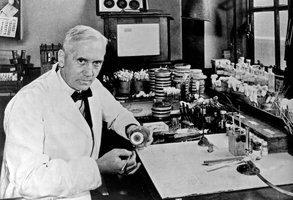
Alexander Fleming: Discovered penicillin, the first true antibiotic, from the mold Penicillium.
Gerhard Domagk: Developed Prontosil (sulfanilamide) for streptococcal infections.
Selman Waksman: Discovered streptomycin and coined the term "antibiotic."
Conclusion
The history of microbiology is marked by the contributions of pioneering scientists, the development of essential laboratory techniques, and the application of modern molecular methods. These advances have transformed our understanding of microorganisms and their impact on health, industry, and the environment.
