 뒤로
Antimicrobials, Antimicrobial Resistance, and Drug Discovery: Microbiology Study Notes
스터디 가이드 - 스마트 노트
 자료에 맞춘 맞춤형 노트, 핵심 정의, 예시, 맥락을 확장해 제공합니다.
Antimicrobials and Antibiotics
Definitions and Key Concepts
Antimicrobials, commonly referred to as antibiotics, are agents used to kill or inhibit the growth of microorganisms. Their application spans human medicine, agriculture, and environmental management. Understanding the terminology is essential for microbiology students:
Antisepsis: Application of chemicals to body surfaces to destroy or inhibit pathogens.
Sanitation: Reduction of microbial population to safe levels as per public health standards.
Disinfection: Removal or destruction of pathogens (excluding bacterial endospores), typically on inanimate objects.
Sterilization: Complete removal or destruction of all viable microorganisms, used on inanimate objects.
Chemotherapy: Use of chemicals to kill or inhibit microorganisms within host tissues.
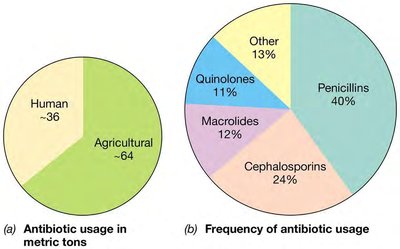
Antibiotic Usage: Antibiotics are used extensively in both human and agricultural settings. Penicillins are the most frequently used class, followed by cephalosporins, macrolides, and quinolones.
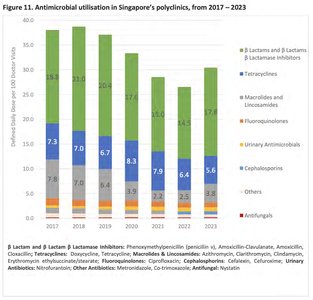
Antimicrobial Utilisation: In Singapore, β-lactams and β-lactamase inhibitors are the most commonly prescribed antimicrobials, with usage trends tracked annually.
Classification of Antibiotics
Bactericidal agents: Kill bacteria, including pathogens and nonpathogens, but not necessarily endospores.
Bacteriostatic agents: Inhibit bacterial growth; pathogens can survive and grow if the antibiotic is removed.
Selective toxicity: The drug targets pathogens with minimal harm to the host.
Narrow spectrum: Effective against a limited range of pathogens.
Broad spectrum: Effective against a wide variety of pathogens.
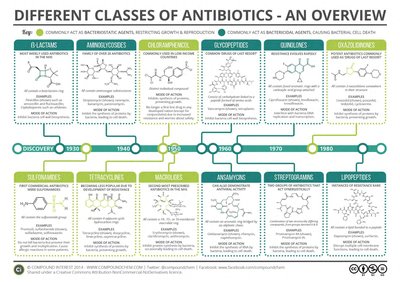
Antibiotic Classes: Antibiotics are grouped based on their chemical structure and mode of action, including β-lactams, aminoglycosides, glycopeptides, quinolones, sulfonamides, tetracyclines, macrolides, and lipopeptides.
Mode of Action of Antibiotics
Mechanisms of Action
Most antibiotics control microbial growth by targeting specific cellular processes:
Inhibition of cell wall synthesis: Prevents peptidoglycan formation, leading to cell lysis.
Inhibition of protein synthesis: Targets ribosomal subunits (30S and 50S), affecting translation.
Inhibition of nucleic acid synthesis: Interferes with DNA gyrase, helicase, polymerases.
Metabolic antagonists: Block essential metabolic pathways, such as folic acid synthesis.
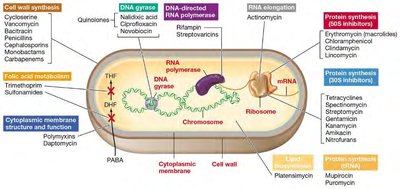
Cellular Targets: Antibiotics are classified according to their target structures in the bacterial cell, such as cell wall, ribosomes, nucleic acids, and metabolic pathways.
Cell Wall Structure and Antibiotic Targeting
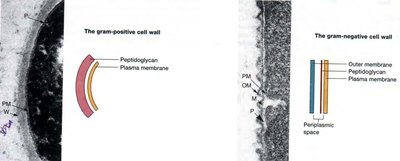
Gram-positive and Gram-negative bacteria differ in cell wall structure, influencing antibiotic effectiveness:
Gram-positive: Thick peptidoglycan layer; targeted by antibiotics inhibiting peptidoglycan synthesis.
Gram-negative: Outer membrane and thin peptidoglycan; targeted by antibiotics affecting the outer membrane.
Penicillins and Other Cell Wall Biosynthesis Inhibitors
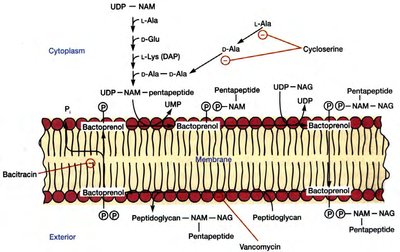
Penicillins are β-lactam antibiotics that prevent cell wall synthesis by inhibiting transpeptidation. Other inhibitors include cycloserine, bacitracin, and vancomycin, each targeting different steps in peptidoglycan biosynthesis.
Protein Synthesis Inhibitors
Macrolides: Bind to 23S rRNA of 50S ribosomal subunit, inhibiting peptide chain elongation.
Tetracyclines: Bind to 30S ribosomal subunit, preventing aminoacyl-tRNA binding.
Aminoglycosides: Bind to 30S ribosomal subunit, causing misreading of mRNA.
Nucleic Acid Synthesis Inhibitors
Quinolones: Inhibit DNA gyrase and topoisomerase II, affecting DNA supercoiling and replication.
Trimethoprim: Blocks folic acid production by inhibiting dihydrofolate reductase.
Cell Membrane Disruptors
Polymixins: Bind to LPS and phospholipids, disrupting membrane integrity, effective against Gram-negative bacteria.
Antimicrobial Resistance (AMR)
Development and Mechanisms of Resistance
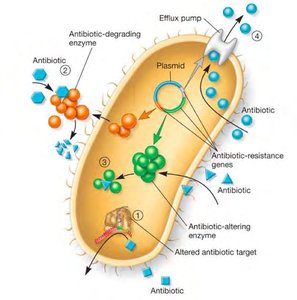
Antibiotic use leads to resistance, with bacteria developing mechanisms to evade drug effects:
Alternative pathway or increased target: Use of alternate enzymes (e.g., dihydrofolate reductase).
Enzymatic inactivation: Production of enzymes (e.g., β-lactonases) that degrade antibiotics.
Modification of antibiotic or target: Alteration of binding sites, reducing drug efficacy.
Exclusion via efflux pump: Active removal of antibiotics from the cell.
Inhibited uptake: Reduced permeability or loss of membrane channels.
Genetic Basis of Resistance
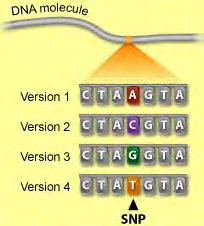
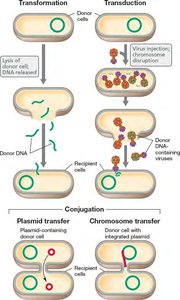
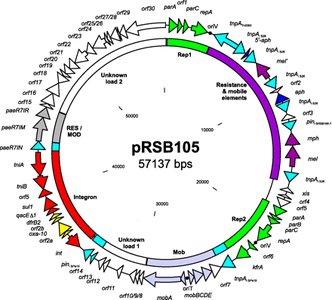
Resistance genes originate from chromosomal mutations or are acquired via plasmids and other mobile genetic elements. Horizontal gene transfer (transformation, transduction, conjugation) facilitates the spread of resistance.
Drug Discovery and Development
Types of Antibiotics
Natural antibiotics: Discovered through observation and genome mining.
Semi-synthetic antibiotics: Chemically modified natural antibiotics to enhance efficacy and reduce resistance.
Synthetic antibiotics: Developed through chemical synthesis, often with novel mechanisms.
Novel Strategies
Disruption of bacterial signaling (quorum sensing) and biofilm formation are emerging strategies to combat resistance and virulence.
Summary
Understand the activity, mode of action, and targets of common antibiotics.
Recognize the evolutionary dynamics of antibiotic discovery and resistance.
Identify physiological and genetic mechanisms underlying AMR.
Explore alternate drug discovery strategies, including natural, semi-synthetic, and synthetic approaches.
