 뒤로
Microbiology Lab 2 Study Guide
스터디 가이드 - 스마트 노트
 자료에 맞춘 맞춤형 노트, 핵심 정의, 예시, 맥락을 확장해 제공합니다.
Microbiology Laboratory Safety and Preparation
Lab Safety Protocols
Proper laboratory safety is essential to prevent contamination and ensure the safety of all individuals working with microorganisms. The following protocols must be strictly followed:
Hand Hygiene: Wash hands before and after laboratory work to minimize the risk of contamination.
Personal Protective Equipment (PPE): Always wear a lab coat, gloves, and goggles. Dispose of used gloves in the designated red biohazard bin only.
Work Surface Disinfection: Clean benchtops with disinfectant (e.g., Lysol) before and after work.
Proper Storage: Place lab coats and goggles in a ziplock bag and store them in the correct cabinet before leaving the lab.
Principles of Aseptic Technique
Definition and Importance
Aseptic technique refers to a set of procedures used to prevent contamination by unwanted microorganisms during laboratory manipulations. This is crucial for obtaining pure cultures and reliable experimental results.
Pure Culture: A culture in which all organisms are descendants of the same original cell.
Sterile Medium: A nutrient medium free of all life forms, achieved typically by heat sterilization.
Inoculum: The sample of microorganisms transferred to a new medium.
Bacterial Division and Pure Cultures
Bacterial Growth
Bacteria are unicellular prokaryotic microorganisms that reproduce by binary fission, a process where one cell divides into two identical daughter cells. In nature, bacteria exist as mixed populations, but for study, pure cultures are required.
Types of Culture Media
Broth Tubes
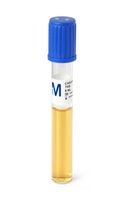
Broth tubes contain liquid nutrient medium, such as Trypticase Soy Broth (TSB), which supports the growth of many microbial species. Broth cultures are used to observe different types of bacterial growth patterns:
Turbidity: Cloudiness throughout the broth, indicating dispersed growth.
Sediment: A mass of organisms settled at the bottom of the tube.
Pellicle: A mass of organisms floating on the surface of the broth.
Solid Media and Agar
Agar is a solidifying agent derived from red algae, used to prepare solid media for microbial growth. Agar is inert and does not provide nutrients but creates a solid surface for colony formation.
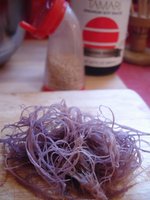
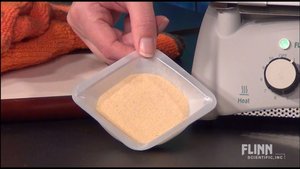
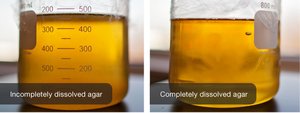
Agar dissolves only in hot water or buffer and solidifies upon cooling.
Types of Solid Media Containers
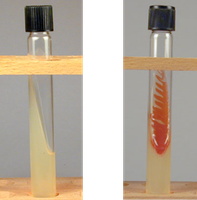
Slant Tubes: Tubes with solidified agar at an angle, providing a flat surface for inoculation.
Deep/Stab Tubes: Tubes with hardened agar, inoculated by stabbing the inoculum into the medium.
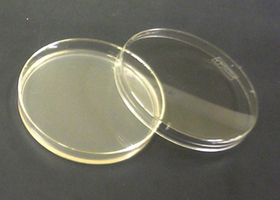
Agar Plates: Sterile petri dishes filled with solidified agar, used for isolating and counting colonies.
Aseptic Transfer Techniques
General Procedure
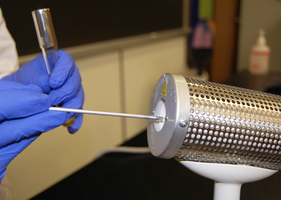
Aseptic transfer involves moving microorganisms from one medium to another without introducing contaminants. The bactoincinerator is used to sterilize inoculating loops and tube openings.
Turn on the bactoincinerator and allow it to reach the required temperature (816°C).
Sterilize the inoculating loop by placing it in the bactoincinerator for 10 seconds, then allow it to cool.
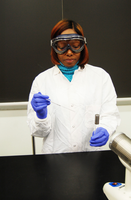
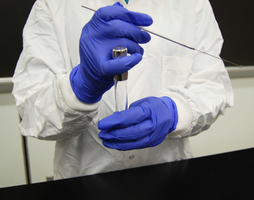
Remove the cap from the culture tube with the little finger of your dominant hand.
Briefly heat the lip of the tube in the bactoincinerator before and after removing the inoculum.
Transfer the inoculum to the new medium (broth, slant, stab, or plate) using the sterile loop.
Sterilize the loop after each transfer.
Streak Plate Method for Isolation
Purpose and Procedure
The streak plate method is used to isolate individual colonies from a mixed population. The plate is divided into sections, and the inoculum is streaked across the surface, sterilizing the loop between sections to dilute the sample.
Label the bottom of the petri plate and divide it into thirds.
Streak the loop across each section, sterilizing between each streak.
Close the lid immediately after inoculation.
Isolated colonies should appear in the third section of the plate.
Colony Morphology and Pigmentation
Colony Characteristics
A colony is a visible mass of microorganisms on an agar surface, usually originating from a single cell. Colonies can be distinguished by their morphology:
Form: Shape of the colony (e.g., circular, irregular).
Elevation: Profile of the colony above the agar surface.
Margin: Edge characteristics (e.g., smooth, wavy).
Surface: Texture (e.g., smooth, rough).
Pigmentation: Color produced by the colony.
Chromogenic bacteria produce pigments, which may be water-soluble (diffusing into the medium) or water-insoluble (remaining in the colony).
Summary Table: Types of Growth in Broth Culture
Growth Type | Description |
|---|---|
Pellicle | Mass of organisms floating on the surface |
Turbidity | Cloudiness throughout the broth |
Sediment | Deposit at the bottom of the tube |
Key Terms and Definitions
Pure Culture: A culture containing only one species of microorganism.
Sterile Medium: A medium free from all living organisms.
Inoculum: The sample of microorganisms transferred to a new medium.
Aseptic Technique: Procedures to prevent contamination by unwanted microorganisms.
Colony: A visible mass of microorganisms on a solid medium.
Chromogenic: Capable of producing pigment.
Water-soluble Pigment: Pigment that diffuses into the surrounding medium.
Water-insoluble Pigment: Pigment that remains within the colony.
Proper Disposal and Lab Clean-up
Dispose of used gloves in the red biohazard bin.
Clean benchtops with disinfectant after work.
Store lab coats and goggles properly before leaving the lab.
Skills Assessment Checklist
Aseptically transfer inoculum between different types of media (broth, slant, stab, plate).
Identify types of growth in broth cultures (pellicle, turbidity, sediment).
Distinguish between water-soluble and water-insoluble pigments in bacterial colonies.
Follow proper disposal and clean-up procedures.
