뒤로

Clinical Microbiology: Introduction and Fundamental Concepts

학습 가이드 - 영상으로 배우기

업로드한 자료에 맞춘 엄선된 수업 – 모든 주제를 단계별로 배워보세요.

Introduction to Microbiology

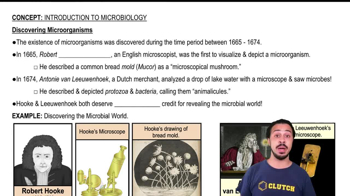
  • Discovering Microorganisms
    03:36
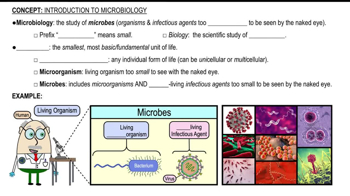
  • Introduction to Microbiology
    07:27
  • Introduction to Microbiology Channel
    1:29

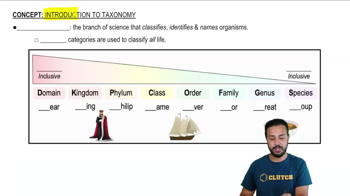
Introduction to Taxonomy

  • Introduction to Taxonomy Example 2
    01:37
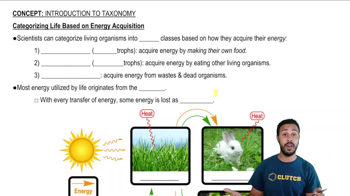
  • Categorizing Life Based on Energy Acquisition
    06:14
  • Introduction to Taxonomy
    02:23

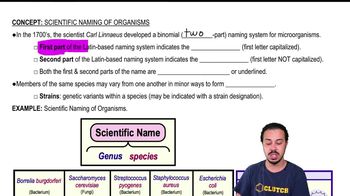
Scientific Naming of Organisms

  • Scientific Naming of Organisms
    05:22

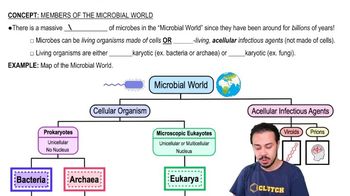
Members of the Bacterial World

  • Members of the Bacterial World
    06:17

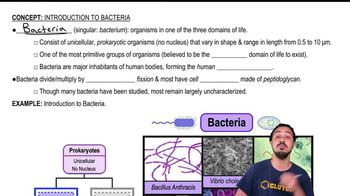
Introduction to Bacteria

  • Introduction to Bacteria
    06:18

Bacterial Cell Morphology & Arrangements

  • Types of Bacterial Cell Morphology
    02:44
  • Bacterial Cell Morphology & Arrangements
    01:13
  • Bacilli Bacterial Cell Arrangements
    03:56
Introduction to Bacterial Cell Walls

  • Peptidoglycan
    01:58
  • Types of Bacterial Cell Walls
    02:44
  • Peptidoglycan Structure
    04:44

Gram-Positive Cell Walls

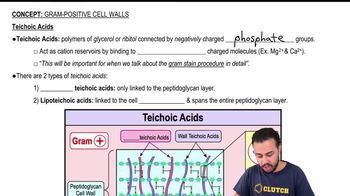
  • Teichoic Acids
    03:58
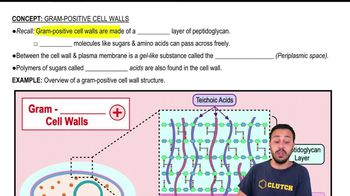
  • Gram-Positive Cell Walls
    02:59

Gram-Negative Cell Walls

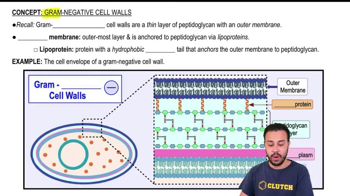
  • Gram-Negative Cell Walls
    3:04
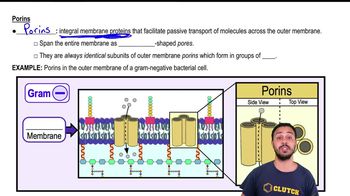
  • Porins
    02:18
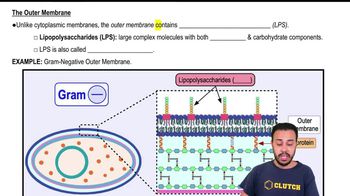
  • The Outer Membrane
    02:15

Gram Stain

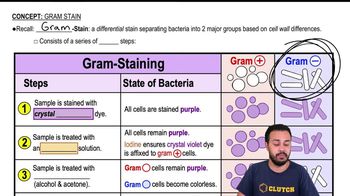
  • Gram Stain
    04:57

The Glycocalyx: Capsules & Slime Layers

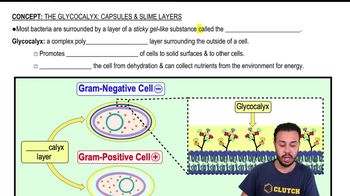
  • The Glycocalyx: Capsules & Slime Layers
    02:26
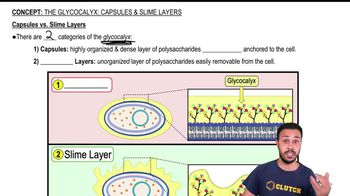
  • Capsules vs. Slime Layers
    01:53

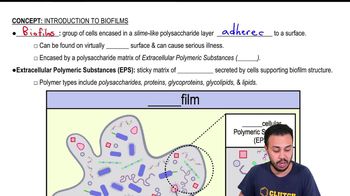
Introduction to Biofilms

  • Introduction to Biofilms
    03:31

Pili

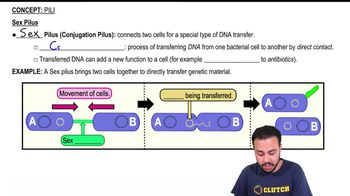
  • Sex Pilus
    03:29
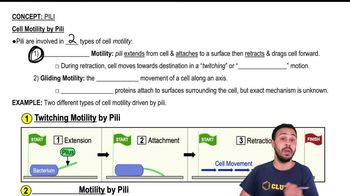
  • Cell Motility by Pili
    02:59
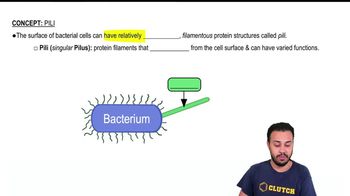
  • Pili
    01:02

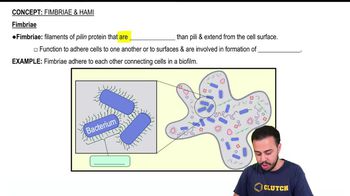
Fimbriae & Hami

  • Fimbriae & Hami
    01:52
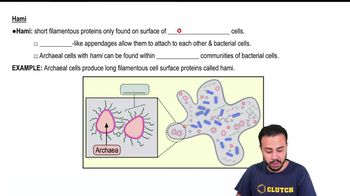
  • Hami
    01:51

Prokaryotic & Eukaryotic Cells

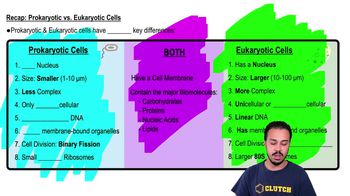
  • Recap:Prokaryotic vs. Eukaryotic Cells
    04:26
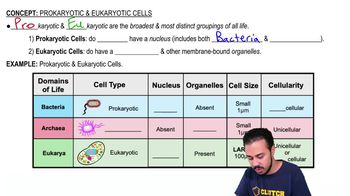
  • Prokaryotic & Eukaryotic Cells
    05:54
  • Features of Bacterial Cells
    03:54

Introduction to Membrane Transport

  • Map of the Lesson on Membrane Transport
    02:26
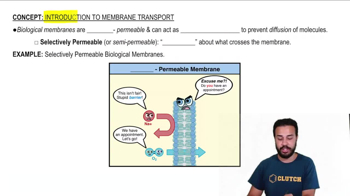
  • Introduction to Membrane Transport
    03:00
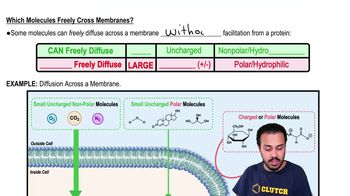
  • Which Molecules Freely Cross Membranes?
    05:31

Passive vs. Active Transport

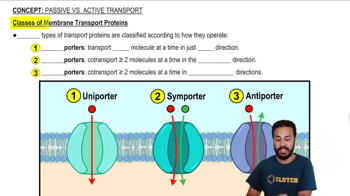
  • Classes of Membrane Transport Proteins
    03:41
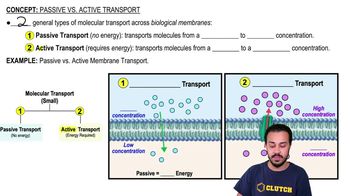
  • Passive vs. Active Transport
    05:05

Introduction to Energy

  • Thermodynamics: System vs. Surroundings
    04:21
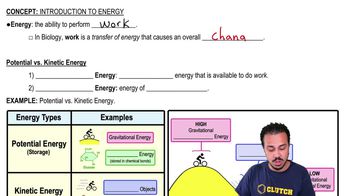
  • Introduction to Energy
    04:58

Introduction to Metabolism

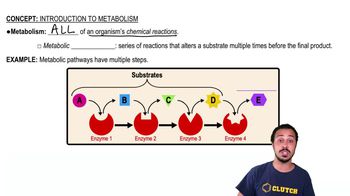
  • Introduction to Metabolism
    02:17
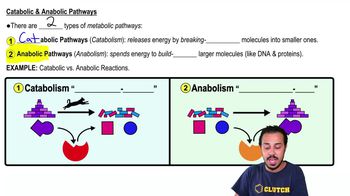
  • Catabolic & Anabolic Pathways
    03:25

Fermentation & Anaerobic Respiration

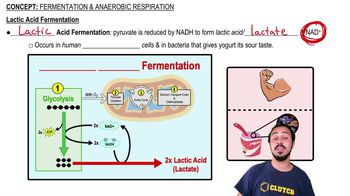
  • Lactic Acid Fermentation
    03:33
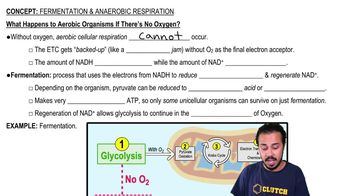
  • What Happens to Aerobic Organisms if There's No Oxygen?
    07:50
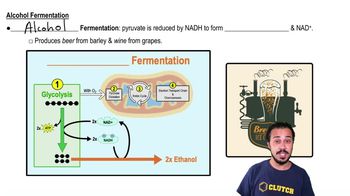
  • Alcohol Fermentation
    01:59

Introduction to Immunity

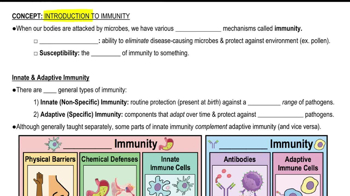
  • Innate vs. Adaptive Immunity
    05:52
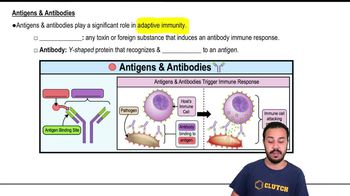
  • Antigens & Antibodies
    02:58

Introduction to Innate Immunity

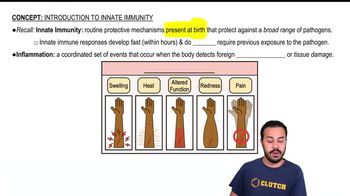
  • Introduction to Innate Immunity
    02:30
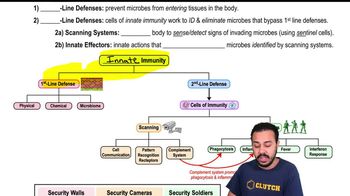
  • Map of Lesson on Innate Immunity
    06:42

Introduction to First-Line Defenses

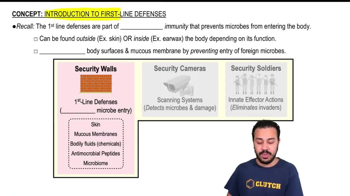
  • Introduction to First-Line Defenses
    01:56
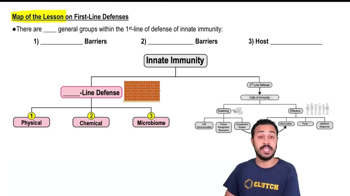
  • Map of the Lesson on First-Line Defenses
    01:37

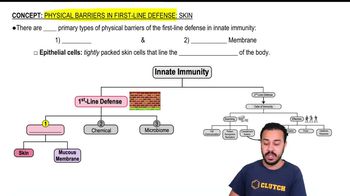
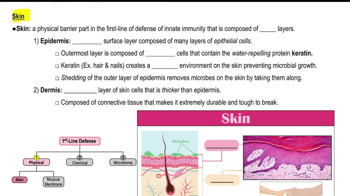
Physical Barriers in First-Line Defenses: Skin

  • Physical Barriers in First-Line Defenses: Skin
    01:28
  • Physical Barriers in First-Line Defenses: Skin
    04:08

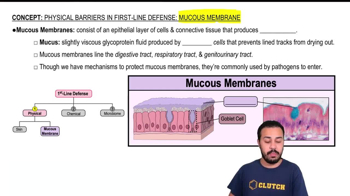
Physical Barriers in First-Line Defenses: Mucous Membrane

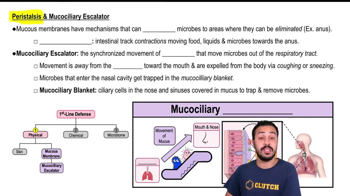
  • Peristalsis & Mucociliary Escalator
    04:16
  • Mucous Membranes
    02:34

First-Line Defenses: Chemical Barriers

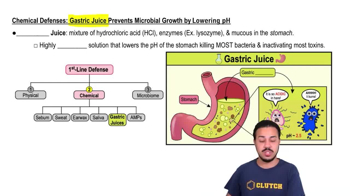
  • Chemical Defenses: Gastric Juice Prevents Microbial Growth by Lowering pH
    02:07
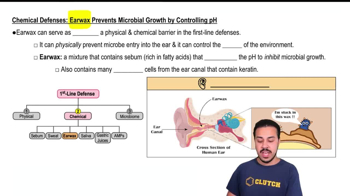
  • Chemical Defenses: Earwax Prevents Microbial Growth by Controlling pH
    02:18
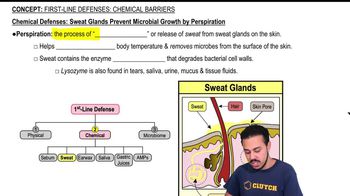
  • Chemical Defenses: Sweat Glands Prevent Microbial Growth by Perspiration
    02:04

First-Line Defenses: Normal Microbiota

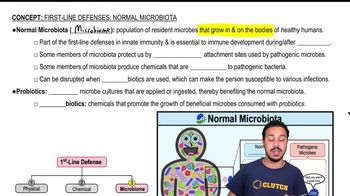
  • Normal Microbiota
    03:43

Phagoctytosis

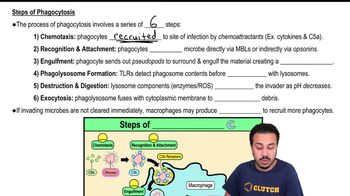
  • Steps of Phagocytosis
    08:57
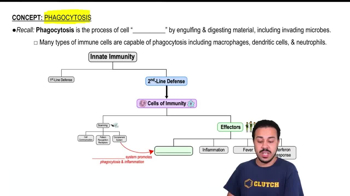
  • Phagoctytosis
    02:19

Introduction to Inflammation

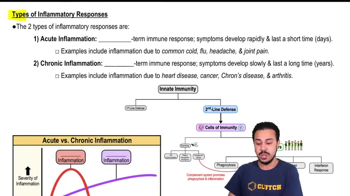
  • Types of Inflammatory Responses
    02:52
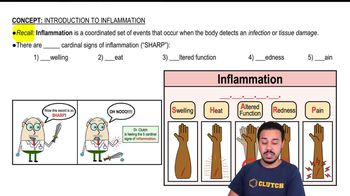
  • Introduction to Inflammation
    01:38
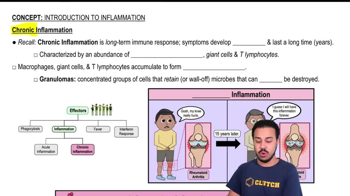
  • Chronic Inflammation
    03:09

Introduction to Adaptive Immunity

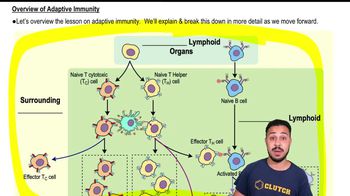
  • Overview of Adaptive Immunity
    04:57
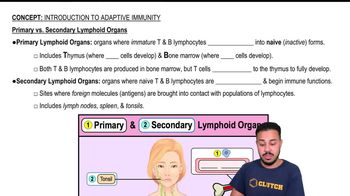
  • Primary vs. Secondary Lymphoid Organs
    04:58
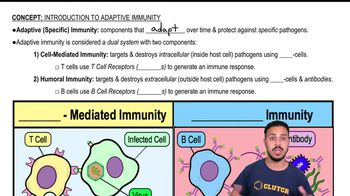
  • Introduction to Adaptive Immunity
    05:47

Introduction to T Lymphocytes

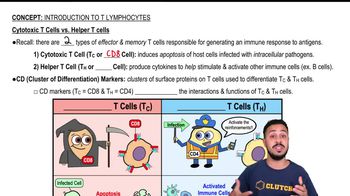
  • Cytotoxic T Cells vs. Helper T Cells
    05:58
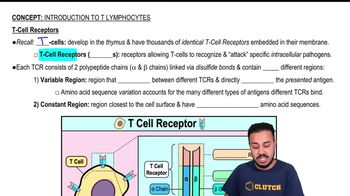
  • T-Cell Receptors
    05:18
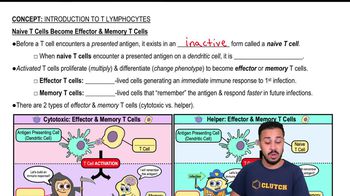
  • Naive T Cells Become Effector & Memory T Cells
    07:56

Introduction to B Lymphocytes

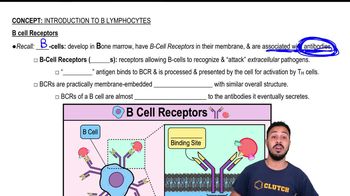
  • B cell Receptors
    04:37
  • Naive B cells Become Effector (Plasma) Cells & Memory Cells
    04:23
  • Introduction to B Lymphocytes
    03:55

Antibodies

  • Antibody Structure
    05:40
  • Antibody Diversity
    02:34
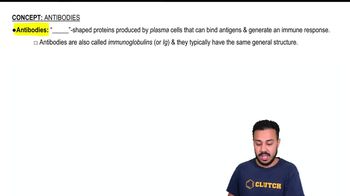
  • Antibodies
    00:48

Introduction to the Complement System

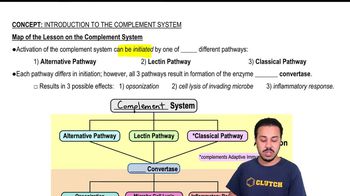
  • Map of the Lesson on the Complement System
    03:25
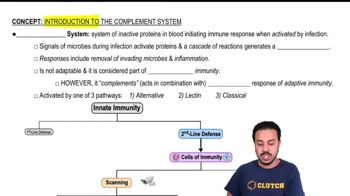
  • Introduction to the Complement System
    04:25
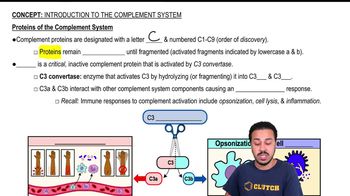
  • Proteins of the Complement System
    04:16

Characteristics of Infectious Disease

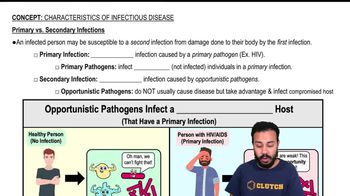
  • Primary vs. Secondary Infections
    04:16
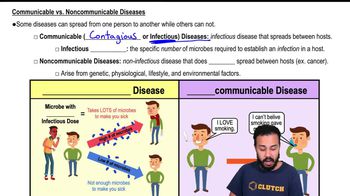
  • Communicable vs. Noncommunicable Diseases
    04:57
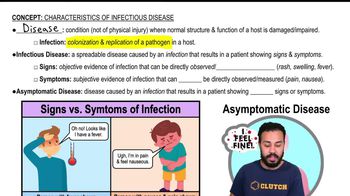
  • Intro to Characteristics of Infectious Disease
    05:09

Bacterial Pathogenesis

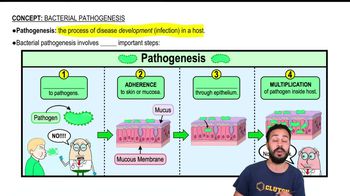
  • Intro to Bacterial Pathogenesis
    02:35
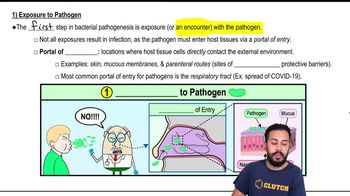
  • 1) Exposure to Pathogen
    03:27
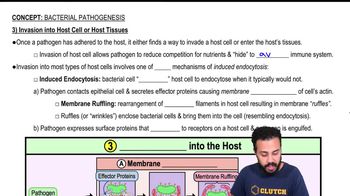
  • 3) Invasion into Host Tissues
    05:38

Introduction to Avoiding Host Defense Mechanisms

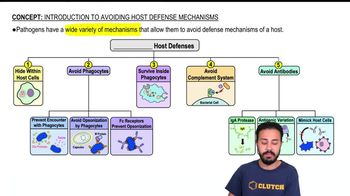
  • Introduction to Avoiding Host Defense Mechanisms
    01:59

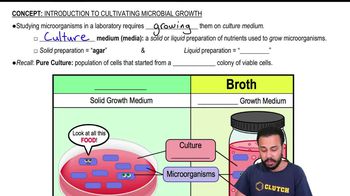
Introduction to Cultivating Microbial Growth

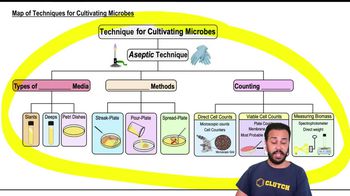
  • Map of Techniques for Cultivating Microbes
    02:05
  • Introduction to Cultivating Microbial Growth
    03:49

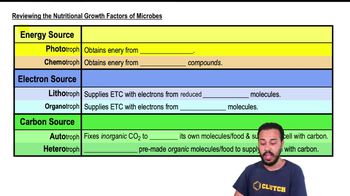
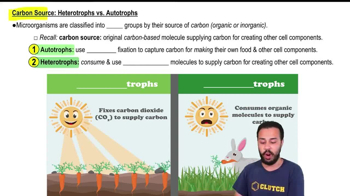
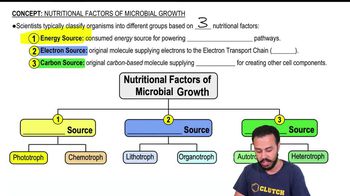
Nutritional Factors of Microbial Growth

  • Reviewing the Nutritional Growth Factors of Microbes
    02:20
  • Carbon Source:Heterotrophs vs. Autotrophs
    02:59
  • Nutritional Factors of Microbial Growth
    02:57

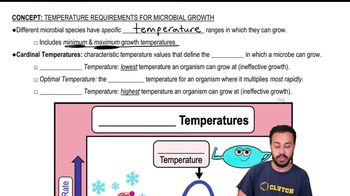
Temperature Requirements for Microbial Growth

  • Temperature Requirements for Microbial Growth
    04:16
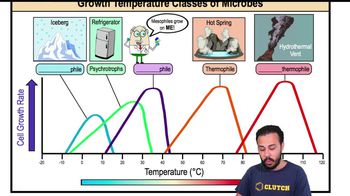
  • Classification of Microbes by Growth Temperature
    04:56
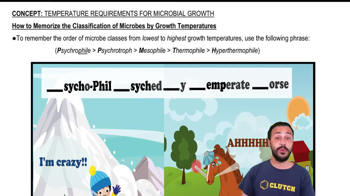
  • How to Memorize the Classification of Microbes by Growth Temperatures
    01:59

Oxygen Requirements for Microbial Growth

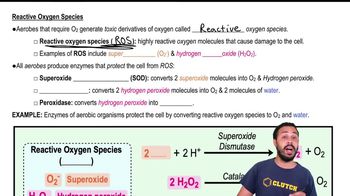
  • Reactive Oxygen Species
    04:43
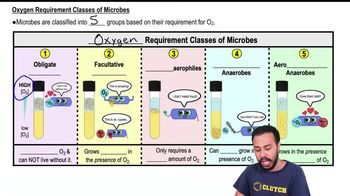
  • Oxygen Requirement Classes of Microbes
    07:27
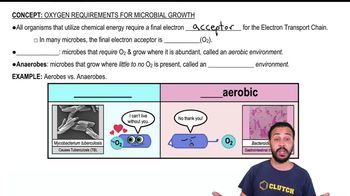
  • Oxygen Requirements for Microbial Growth
    03:52

Growth Factors

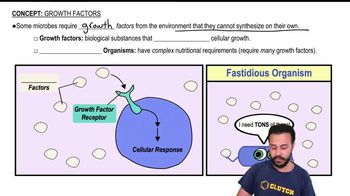
  • Growth Factors
    01:55

Introduction to Chain of Infection

  • Map of the Lesson on Chain of Infection
    00:46
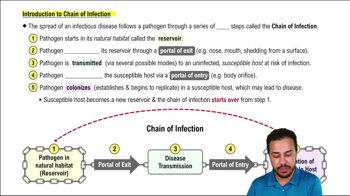
  • Introduction to Chain of Infection
    03:15