뒤로

Comprehensive Microbiology Exam Review Guidance

학습 가이드 - 영상으로 배우기

업로드한 자료에 맞춘 엄선된 수업 – 모든 주제를 단계별로 배워보세요.

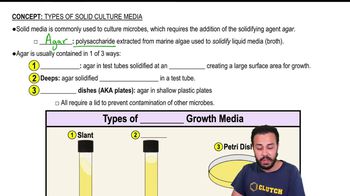
Types of Solid Culture Media

  • Types of Solid Culture Media
    03:16
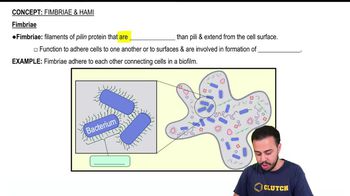
Fimbriae & Hami

  • Fimbriae & Hami
    01:52
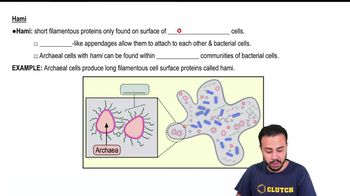
  • Hami
    01:51

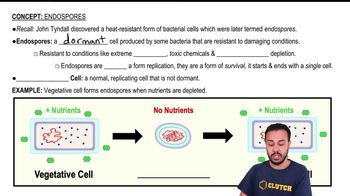
Endospores

  • Endospores
    05:35
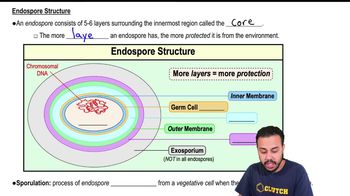
  • Endospore Structure
    03:08

Gram-Negative Cell Walls

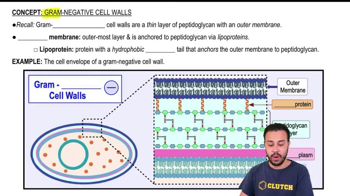
  • Gram-Negative Cell Walls
    3:04
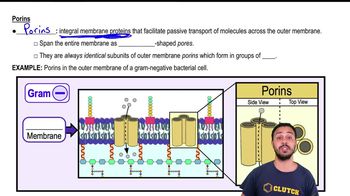
  • Porins
    02:18
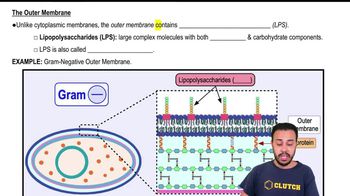
  • The Outer Membrane
    02:15

Introduction to Cultivating Microbial Growth

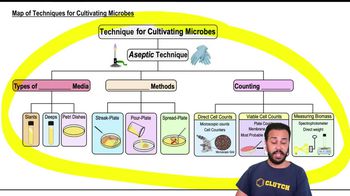
  • Map of Techniques for Cultivating Microbes
    02:05
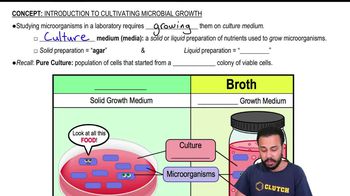
  • Introduction to Cultivating Microbial Growth
    03:49

Prokaryotic Ribosomes

  • Prokaryotic Ribosomes
    01:51
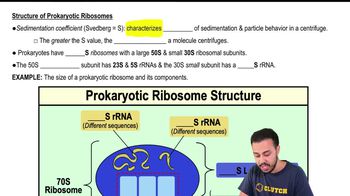
  • Structure of Prokaryotic Ribosomes
    08:39

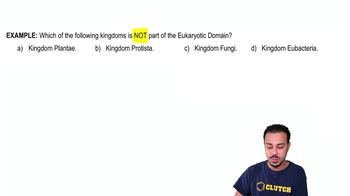
Introduction to Taxonomy

  • Introduction to Taxonomy Example 2
    01:37
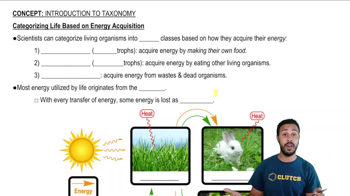
  • Categorizing Life Based on Energy Acquisition
    06:14
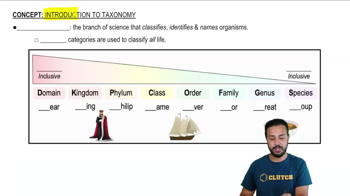
  • Introduction to Taxonomy
    02:23

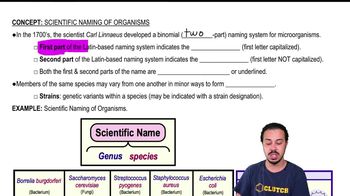
Scientific Naming of Organisms

  • Scientific Naming of Organisms
    05:22

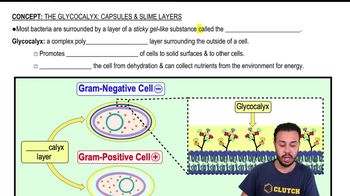
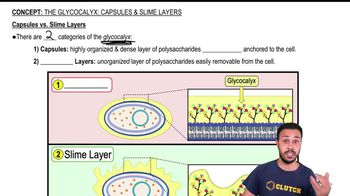
The Glycocalyx: Capsules & Slime Layers

  • The Glycocalyx: Capsules & Slime Layers
    02:26
  • Capsules vs. Slime Layers
    01:53

Introduction to Prokaryotic Flagella

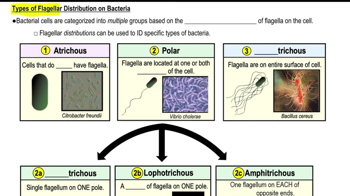
  • Types of Flagellar Distribution on Bacteria
    05:22
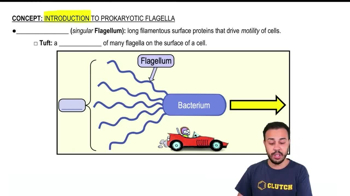
  • Introduction to Prokaryotic Flagella
    02:07

Bacterial Cell Morphology & Arrangements

  • Types of Bacterial Cell Morphology
    02:44
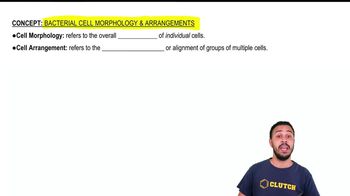
  • Bacterial Cell Morphology & Arrangements
    01:13
  • Bacilli Bacterial Cell Arrangements
    03:56

Introduction to Bacterial Cell Walls

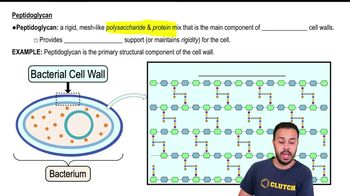
  • Peptidoglycan
    01:58
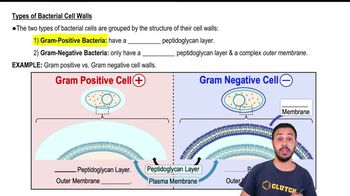
  • Types of Bacterial Cell Walls
    02:44
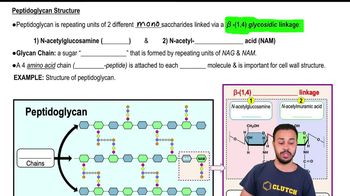
  • Peptidoglycan Structure
    04:44

Gram-Positive vs. Gram-Negative Cell Walls

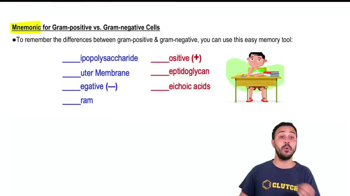
  • Mnemonic for Gram-Positive vs. Gram-Negative Cell Walls
    01:41
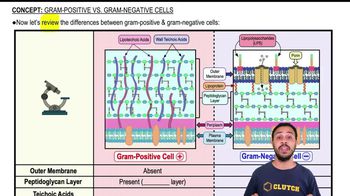
  • Gram-Positive vs. Gram-Negative Cell Walls
    04:46

Introduction to Bacterial Plasmids

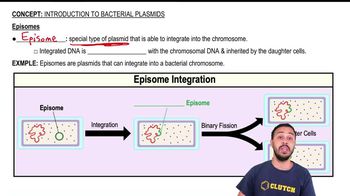
  • Episomes
    01:47
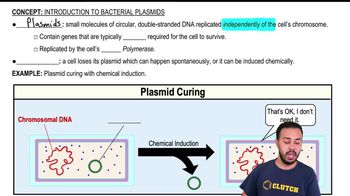
  • Introduction to Bacterial Plasmids
    02:52

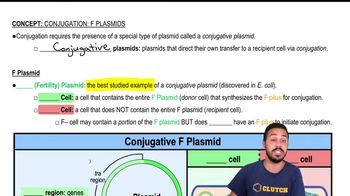
Conjugation: F Plasmids

  • F Plasmids
    05:57
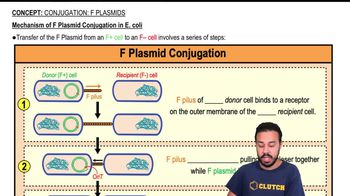
  • Mechanism of F Plasmid Conjugation in E. coli
    04:12

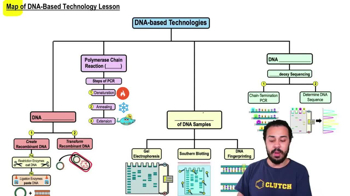
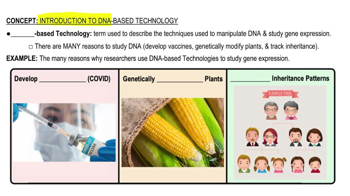
Introduction to DNA-Based Technology

  • Map of DNA-Based Technology Lesson
    03:12
  • Introduction to DNA-Based Technology
    02:30

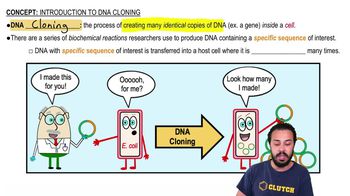
Introduction to DNA Cloning

  • Introduction to DNA Cloning
    02:25
  • Cloning with Recombinant DNA
    03:41

Introduction to Polymerase Chain Reaction

  • Introduction to Polymerase Chain Reaction
    01:31
  • Components of a Polymerase Chain Reaction
    05:57
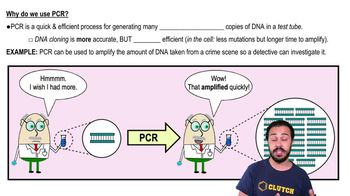
  • Why do we use PCR?
    02:53

The Steps of PCR

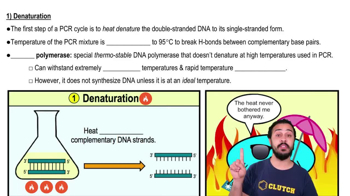
  • 1) Denaturation
    03:33
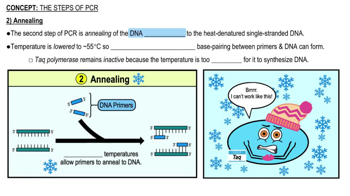
  • 2) Annealing
    02:56
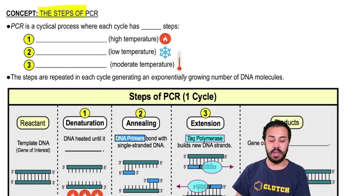
  • The Steps of PCR
    04:39

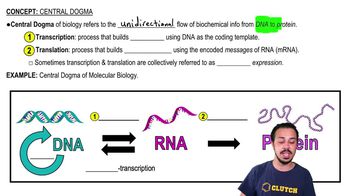
Central Dogma

  • Central Dogma
    05:45

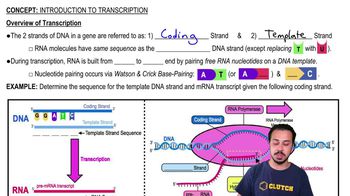
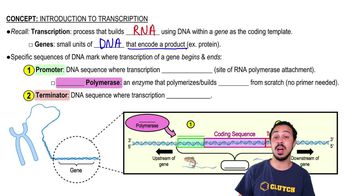
Introduction to Transcription

  • Overview of Transcription
    07:44
  • Introduction to Transcription
    05:51

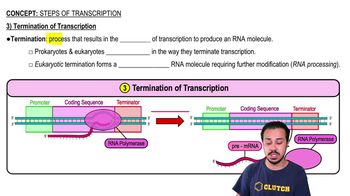
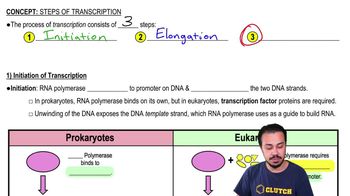
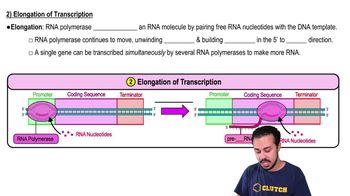
Steps of Transcription

  • Elongation of Transcription
    02:44
  • Initiation of Transcription
    04:16
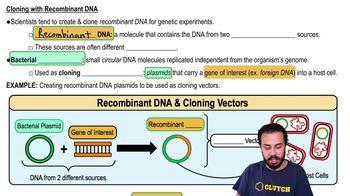
  • Elongation of Transcription
    04:01

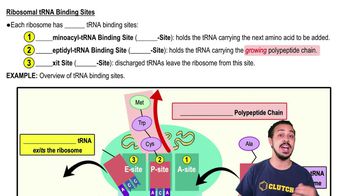
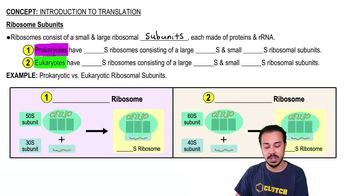
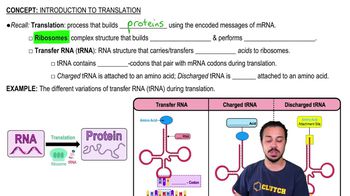
Introduction to Translation

  • Ribosomal tRNA Binding Sites
    06:16
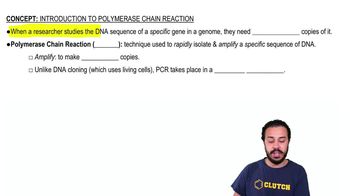
  • Ribosome Subunits
    08:42
  • Introduction to Translation
    06:12

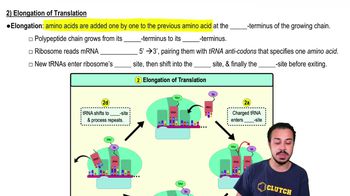
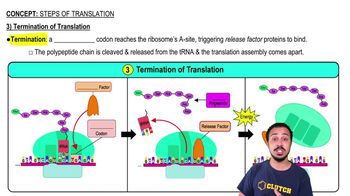
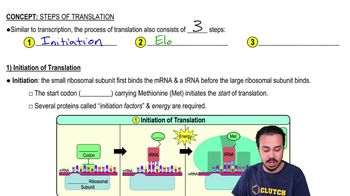
Steps of Translation

  • Elongation of Translation
    04:59
  • Termination of Translation
    02:16
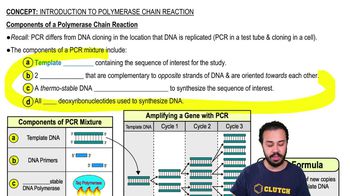
  • Steps of Translation
    05:03

Introduction to Mutations

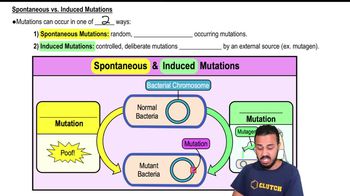
  • Spontaneous vs. Induced Mutations
    02:47
  • Introduction to Mutations
    00:37
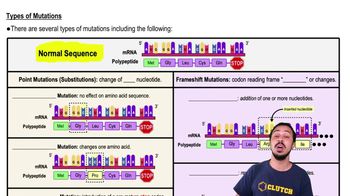
  • Types of Mutations
    08:44

The Ames Test

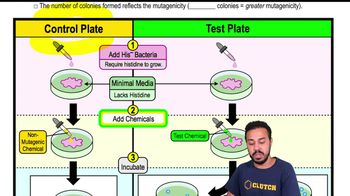
  • The Ames Test
    06:59

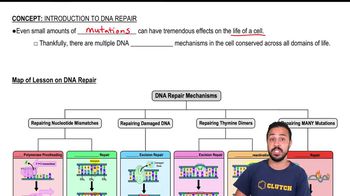
Introduction to DNA Repair

  • Introduction to DNA Repair
    02:47

DNA Repair Mechanisms

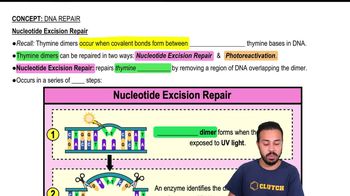
  • Nucleotide Excision Repair
    03:31
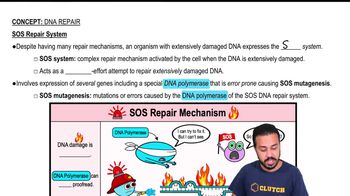
  • SOS Repair System
    03:50
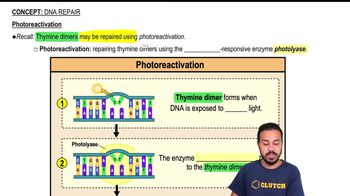
  • Photoreactivation
    02:29

Horizontal Gene Transfer

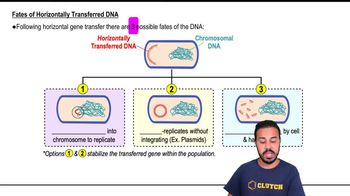
  • Fates of Horizontally Transferred DNA
    03:13
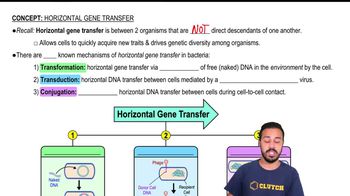
  • Horizontal Gene Transfer
    04:42
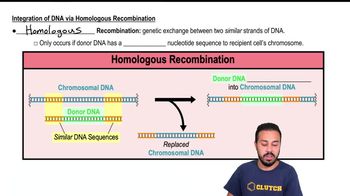
  • Integration of DNA via Homologous Recombination
    02:52

Bacterial Transformation

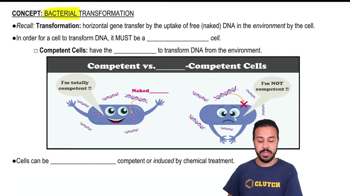
  • Bacterial Transformation
    03:06
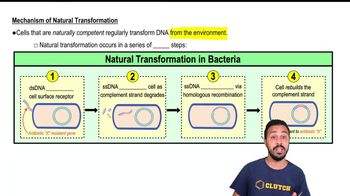
  • Mechanism of Natural Transformation
    03:49

Transduction

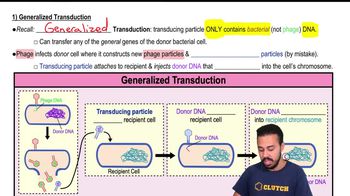
  • Generalized Transduction
    04:24
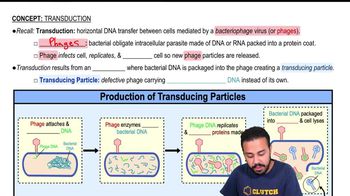
  • Transduction
    06:49
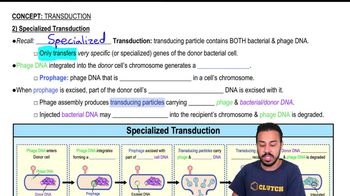
  • Specialized Transduction
    06:34

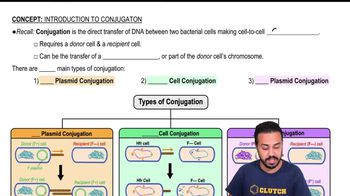
Introduction to Conjugation

  • Introduction to Conjugation
    04:21

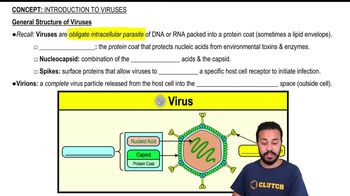
Introduction to Viruses

  • General Structure of Viruses
    04:47
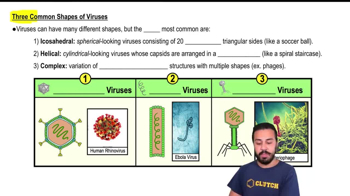
  • Three Common Shapes of Viruses
    03:19
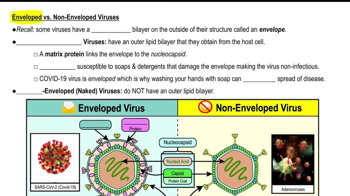
  • Enveloped vs. Non-Enveloped Viruses
    05:09

Viroids

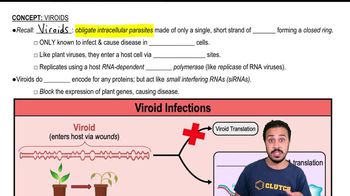
  • Viroids
    03:49

Prions

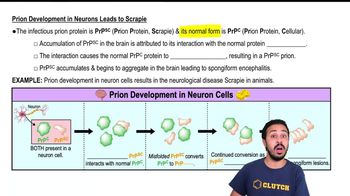
  • Prion Development in Neurons Leads to Scrapie
    04:00
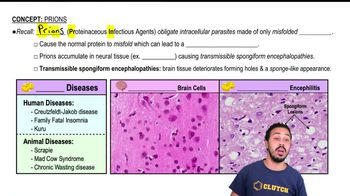
  • Prions
    03:05

Introduction to Immunity

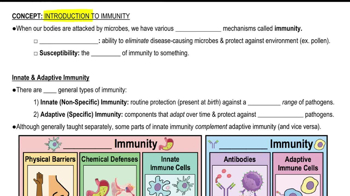
  • Innate vs. Adaptive Immunity
    05:52
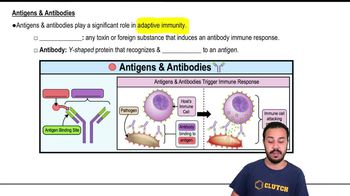
  • Antigens & Antibodies
    02:58

Introduction to Innate Immunity

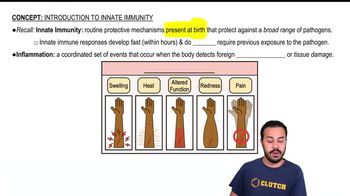
  • Introduction to Innate Immunity
    02:30
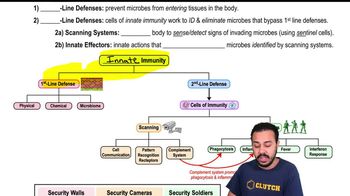
  • Map of Lesson on Innate Immunity
    06:42

Introduction to First-Line Defenses

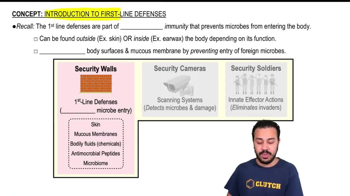
  • Introduction to First-Line Defenses
    01:56
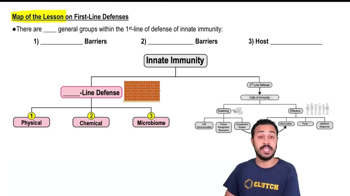
  • Map of the Lesson on First-Line Defenses
    01:37

Physical Barriers in First-Line Defenses: Skin

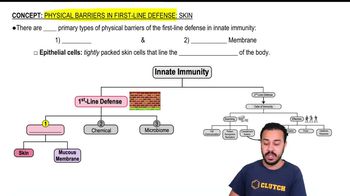
  • Physical Barriers in First-Line Defenses: Skin
    01:28
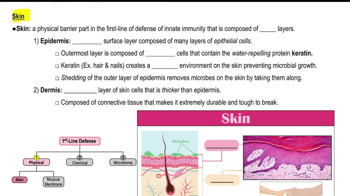
  • Physical Barriers in First-Line Defenses: Skin
    04:08

Physical Barriers in First-Line Defenses: Mucous Membrane

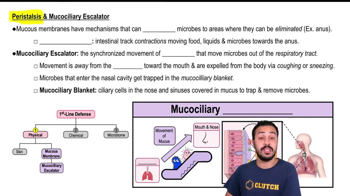
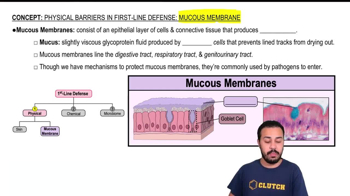
  • Peristalsis & Mucociliary Escalator
    04:16
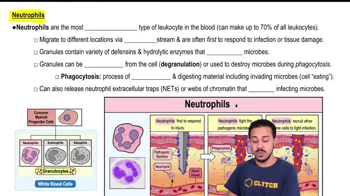
  • Mucous Membranes
    02:34

First-Line Defenses: Chemical Barriers

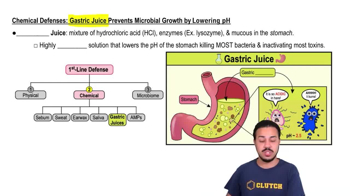
  • Chemical Defenses: Gastric Juice Prevents Microbial Growth by Lowering pH
    02:07
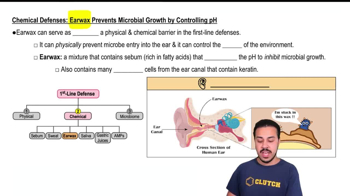
  • Chemical Defenses: Earwax Prevents Microbial Growth by Controlling pH
    02:18
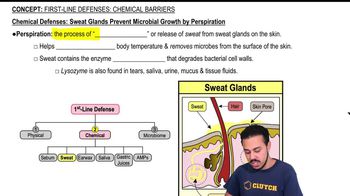
  • Chemical Defenses: Sweat Glands Prevent Microbial Growth by Perspiration
    02:04

First-Line Defenses: Normal Microbiota

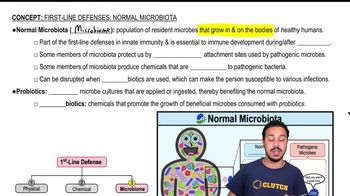
  • Normal Microbiota
    03:43

Introduction to Cells of the Immune System

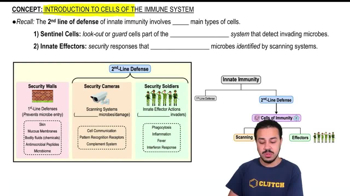
  • Introduction to Cells of the Immune System
    03:27
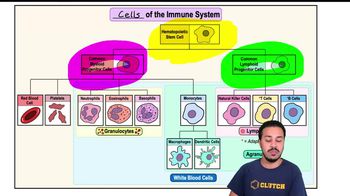
  • Map of the Lesson on Cells of the Immune System
    06:08
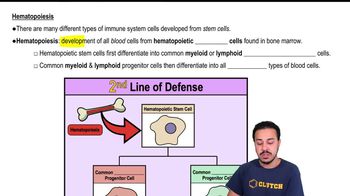
  • Hematopoiesis
    02:33

Cells of the Immune System: Granulocytes

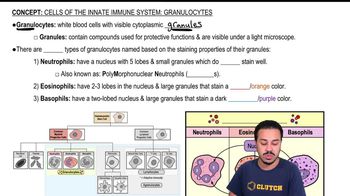
  • Granulocytes
    03:32
  • Neutrophils
    05:32
  • Basophils
    03:23

Cells of the Immune System: Agranulocytes

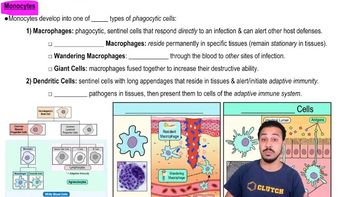
  • Monocytes
    07:16
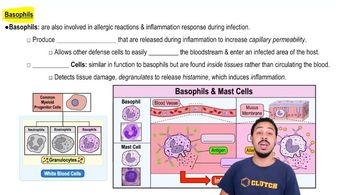
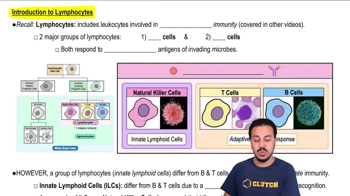
  • Introduction to Lymphocytes
    03:51
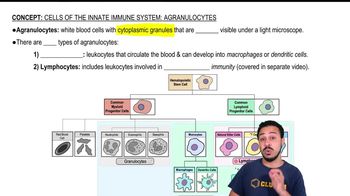
  • Agranulocytes
    03:43

Introduction to Cell Communication

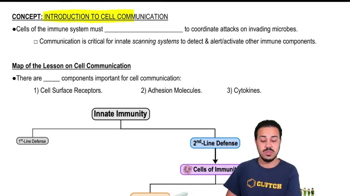
  • Introduction to Cell Communication
    02:59

Cell Communication: Surface Receptors & Adhesion Molecules

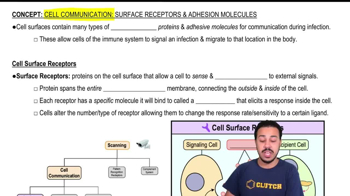
  • Cell Surface Receptors
    04:05
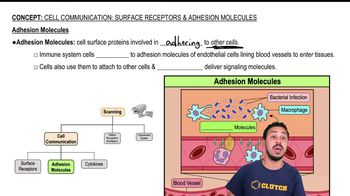
  • Adhesion Molecules
    02:58

Cell Communication: Cytokines

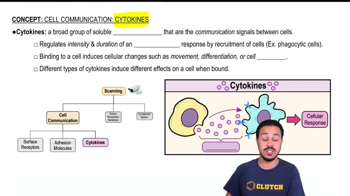
  • Cytokines
    02:59
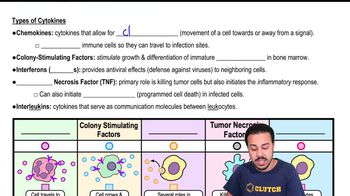
  • Types of Cytokines
    06:08
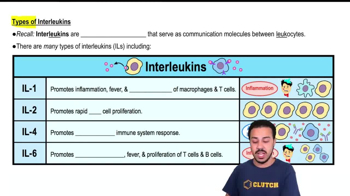
  • Types of Interleukins
    02:14

Pattern Recognition Receptors (PRRs)

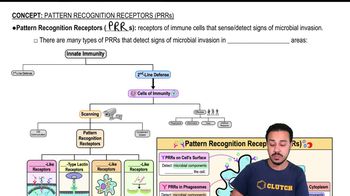
  • Pattern Recognition Receptors
    04:24
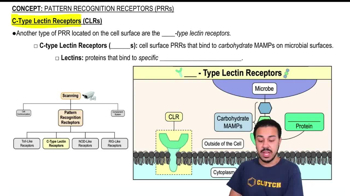
  • C-Type Lectin Receptors
    02:46
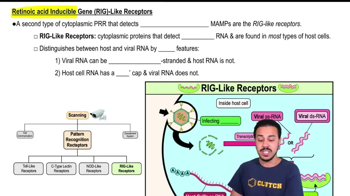
  • Retinoic acid Inducible Gene (RIG)-Like Receptors
    04:02

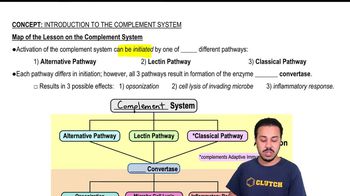
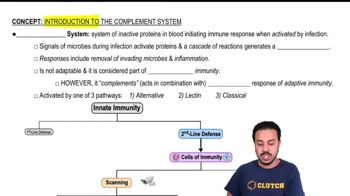
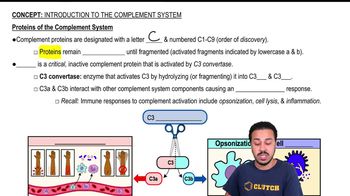
Introduction to the Complement System

  • Map of the Lesson on the Complement System
    03:25
  • Introduction to the Complement System
    04:25
  • Proteins of the Complement System
    04:16

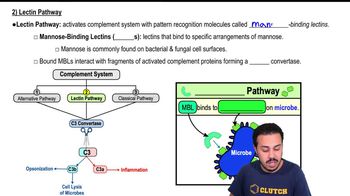
Activation Pathways of the Complement System

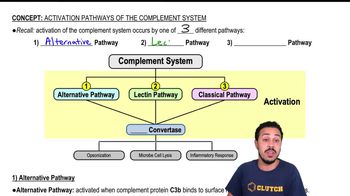
  • 2) Lectin Pathway
    03:04
  • 1) Alternative Pathway
    04:40
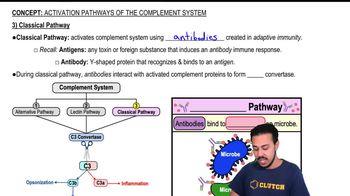
  • 3) Classical Pathway
    03:42

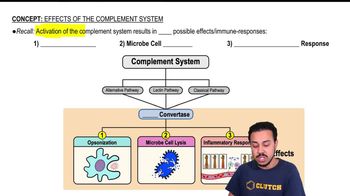
Effects of the Complement System

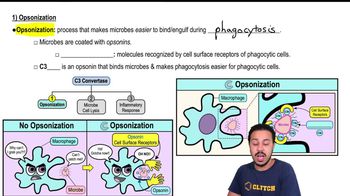
  • 1) Opsonization
    04:09
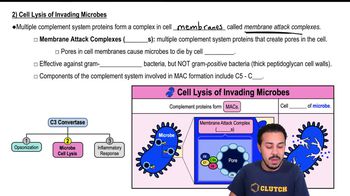
  • 2) Cell Lysis of Invading Microbes
    03:18
  • Effects of the Complement System
    01:32

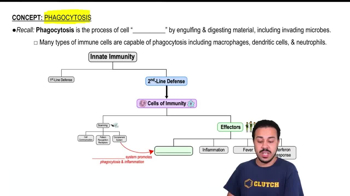
Phagoctytosis

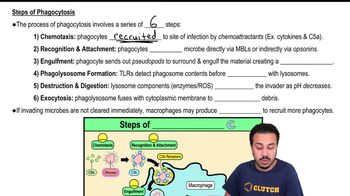
  • Steps of Phagocytosis
    08:57
  • Phagoctytosis
    02:19

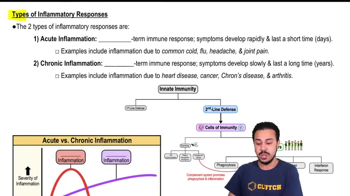
Introduction to Inflammation

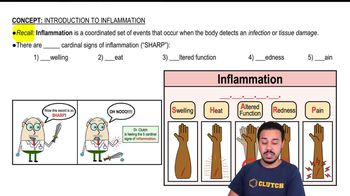
  • Types of Inflammatory Responses
    02:52
  • Introduction to Inflammation
    01:38
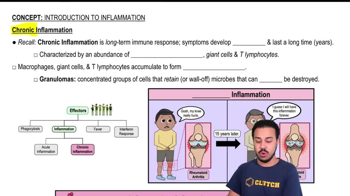
  • Chronic Inflammation
    03:09

Steps of the Inflammatory Response

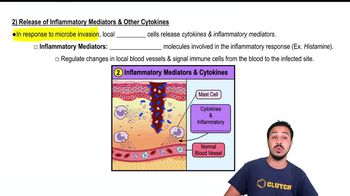
  • 2) Release of Inflammatory Mediators & Other Cytokines
    02:15
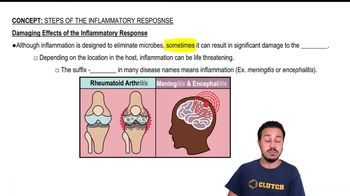
  • Damaging Effects of the Inflammatory Response
    02:10
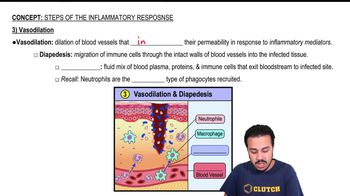
  • 3) Vasodilation
    02:39

Fever

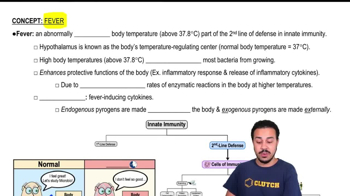
  • Fever
    03:57

Interferon Response

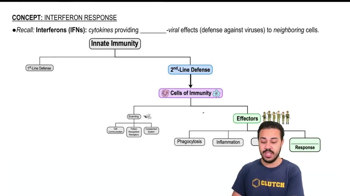
  • Interferon Response
    01:32
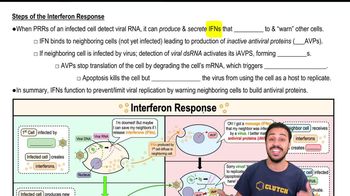
  • Steps of the Interferon Response
    09:59

Introduction to Adaptive Immunity

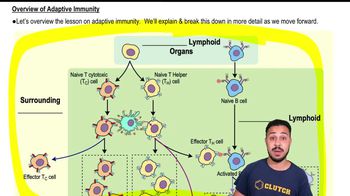
  • Overview of Adaptive Immunity
    04:57
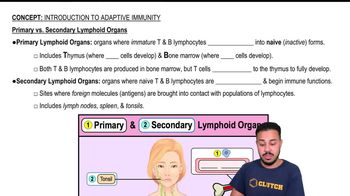
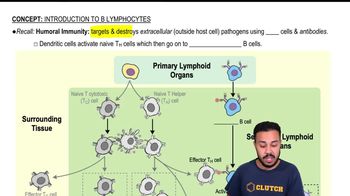
  • Primary vs. Secondary Lymphoid Organs
    04:58
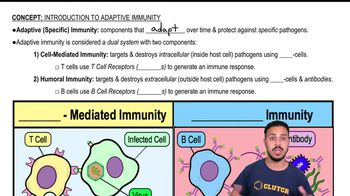
  • Introduction to Adaptive Immunity
    05:47

Antigens

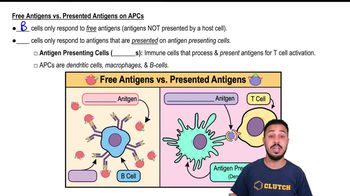
  • Free Antigens vs. Presented Antigens on APCs
    04:11
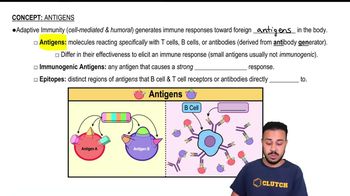
  • Antigens
    03:59

Introduction to T Lymphocytes

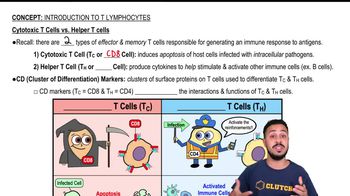
  • Cytotoxic T Cells vs. Helper T Cells
    05:58
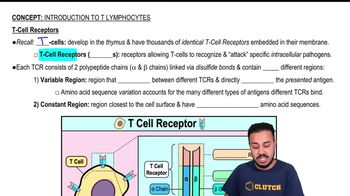
  • T-Cell Receptors
    05:18
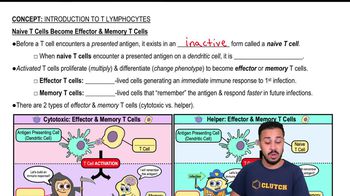
  • Naive T Cells Become Effector & Memory T Cells
    07:56

Major Histocompatibility Complex Molecules

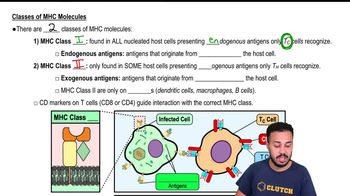
  • Classes of MHC Molecules
    07:17
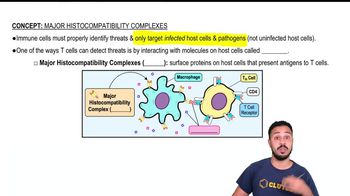
  • Major Histocompatibility Complex Molecules
    02:31

Activation of T Lymphocytes

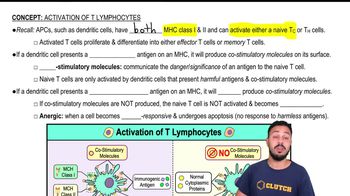
  • Activation of T Lymphocytes
    07:33
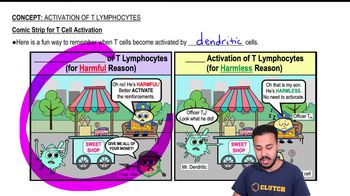
  • Comic Strip for T Cell Activation
    03:29

Functions of T Lymphocytes

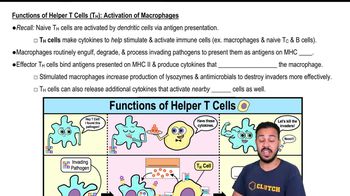
  • Functions of Helper T Cells (TH):Activation of Macrophages
    05:18
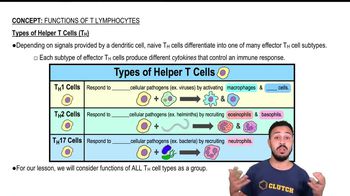
  • Types of Helper T Cells (TH)
    03:19
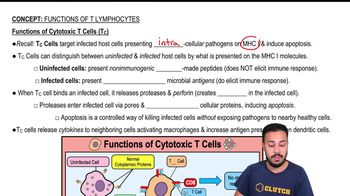
  • Functions of Cytotoxic T Cells (Tc)
    06:21

Introduction to B Lymphocytes

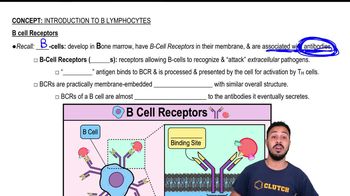
  • B cell Receptors
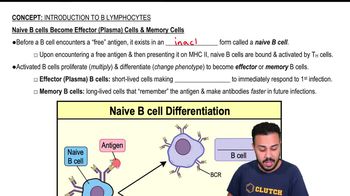
    04:37
  • Naive B cells Become Effector (Plasma) Cells & Memory Cells
    04:23
  • Introduction to B Lymphocytes
    03:55

Antibodies

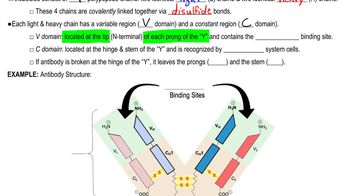
  • Antibody Structure
    05:40
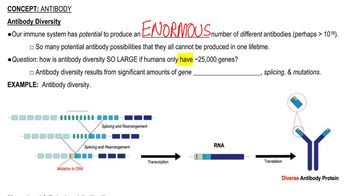
  • Antibody Diversity
    02:34
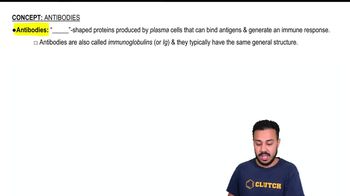
  • Antibodies
    00:48

Classes of Antibodies

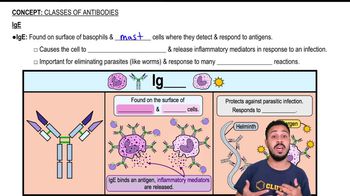
  • IgE
    02:45
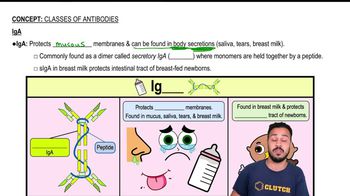
  • IgA
    02:44
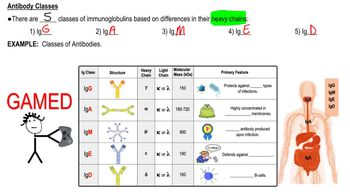
  • Classes of Antibodies
    04:43

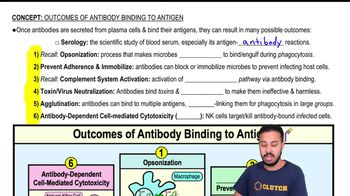
Outcomes of Antibody Binding to Antigen

  • Outcomes of Antibody Binding to Antigen
    09:16

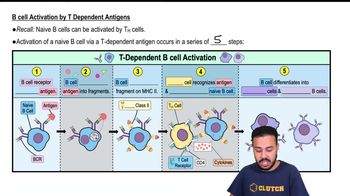
T Dependent & T Independent Antigens

  • B Cell Activation by T Dependent Antigens
    05:09
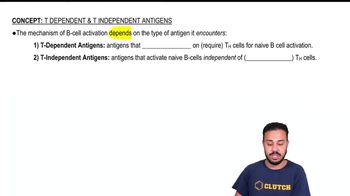
  • T Dependent & T Independent Antigens
    02:08
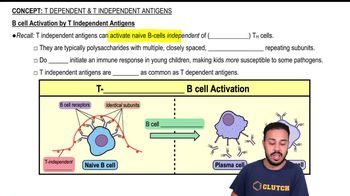
  • B Cell Activation by T Independent Antigens
    03:11

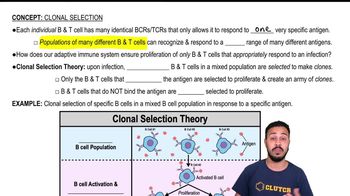
Clonal Selection

  • Clonal Selection
    06:43

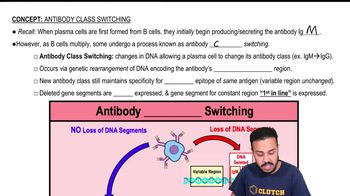
Antibody Class Switching

  • Antibody Class Switching
    07:52

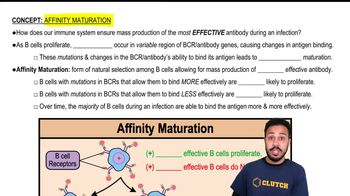
Affinity Maturation

  • Affinity Maturation
    07:27

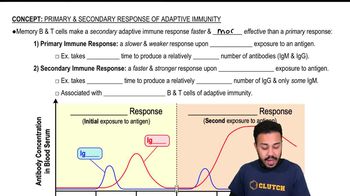
Primary and Secondary Response of Adaptive Immunity

  • Primary and Secondary Response of Adaptive Immunity
    06:59

Immune Tolerance

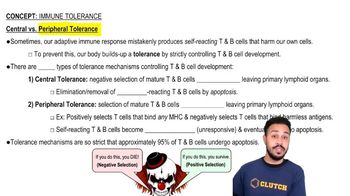
  • Central vs. Peripheral Tolerance
    11:54
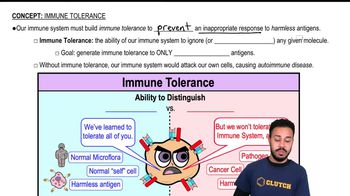
  • Immune Tolerance
    03:19
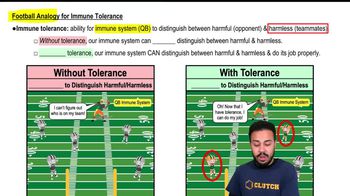
  • Football Analogy for Immune Tolerance
    03:21

Regulatory T Cells

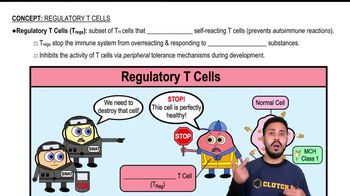
  • Regulatory T Cells
    03:53

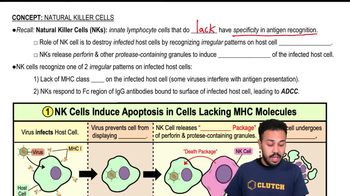
Natural Killer Cells

  • Natural Killer Cells
    06:53

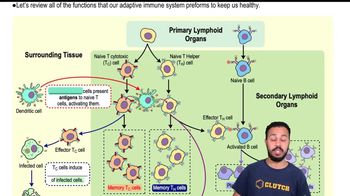
Review of Adaptive Immunity

  • Review of Adaptive Immunity
    09:20

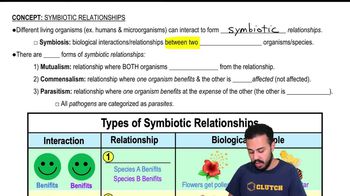
Symbiotic Relationships

  • Symbiotic Relationships
    05:59

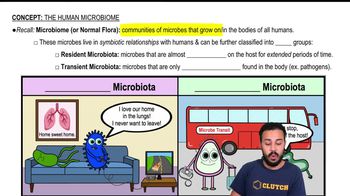
The Human Microbiome

  • The Human Microbiome
    03:25
  • Microbiome Promotes Immune Tolerance
    05:48
  • Microbiome Makes Nutrients & Aids in Host Digestion
    03:26

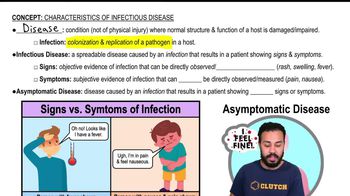
Characteristics of Infectious Disease

  • Primary vs. Secondary Infections
    04:16
  • Communicable vs. Noncommunicable Diseases
    04:57
  • Intro to Characteristics of Infectious Disease
    05:09

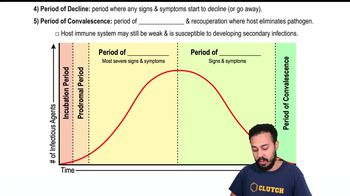
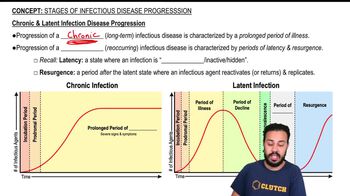
Stages of Infectious Disease Progression

  • Stages of Infectious Disease Progression
    05:36
  • Chronic & Latent Infection Disease Progression
    05:14

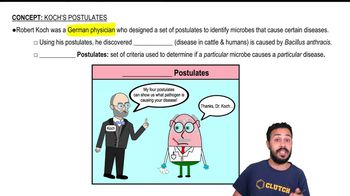
Koch's Postulates

  • Koch's Postulates
    01:36
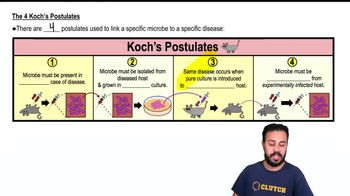
  • The 4 Koch's Postulates
    03:31
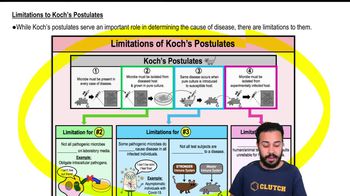
  • Limitations to Koch's Postulates
    02:58

Molecular Koch's Postulates

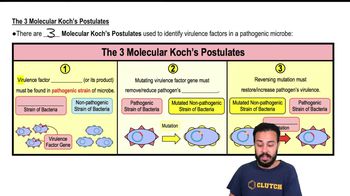
  • The 3 Molecular Koch's Postulates
    03:20
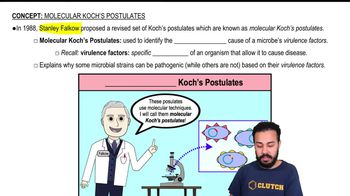
  • Intro to Molecular Koch's Postulates
    01:32

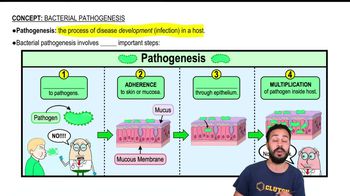
Bacterial Pathogenesis

  • Intro to Bacterial Pathogenesis
    02:35
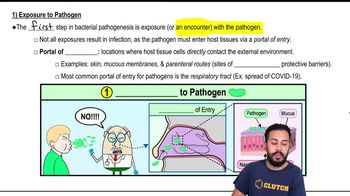
  • 1) Exposure to Pathogen
    03:27
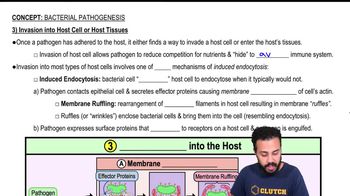
  • 3) Invasion into Host Tissues
    05:38

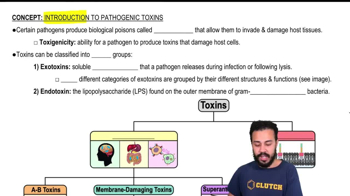
Introduction to Pathogenic Toxins

  • Introduction to Pathogenic Toxins
    03:40

Exotoxins Cause Damage to the Host

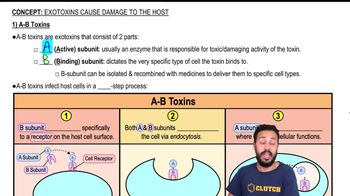
  • 1) A-B Toxins
    04:44
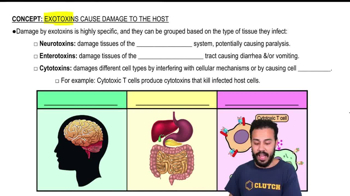
  • Types of Exotoxins
    03:30
  • 3) Superantigens
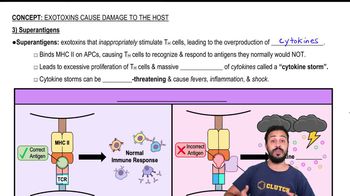
    03:59

Endotoxin Causes Damage to the Host

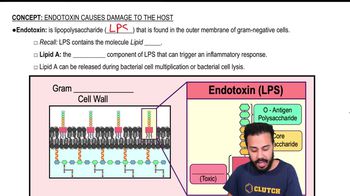
  • Endotoxin
    02:46
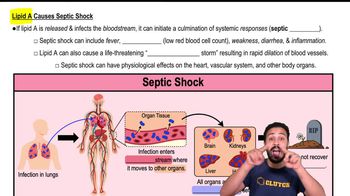
  • Lipid A Causes Septic Shock
    03:24

Exotoxins vs. Endotoxin Review

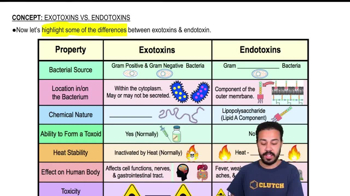
  • Exotoxins vs. Endotoxin Review
    07:22

Immune Response Damage to the Host

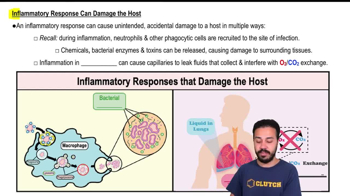
  • Inflammatory Response Can damage the Host
    03:31
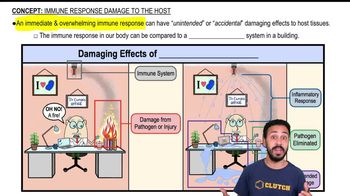
  • Intro to Immune Response Damage
    02:57
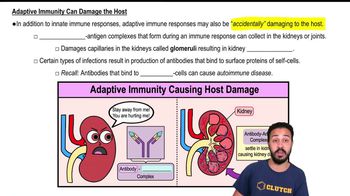
  • Adaptive Immunity Can Damage the Host
    03:22

Introduction to Avoiding Host Defense Mechanisms

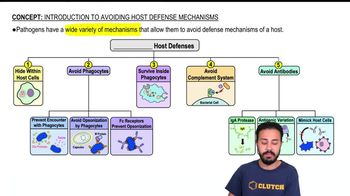
  • Introduction to Avoiding Host Defense Mechanisms
    01:59

1) Hide Within Host Cells

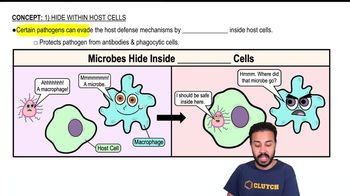
  • Hide Within Host Cells
    01:50

2) Avoiding Phagocytosis

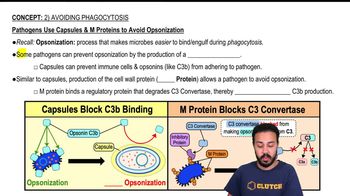
  • Pathogen Use Capsules & M Proteins to Avoid Opsonization
    05:25
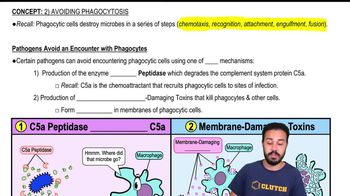
  • Pathogens Avoid Encounter with Phagocytes
    05:13
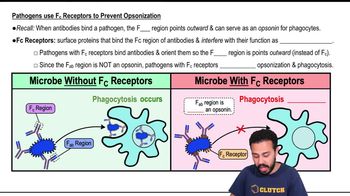
  • Pathogens Use Fc Receptors to Prevent Opsonization
    03:48

3) Surviving Inside Phagocytic Cells

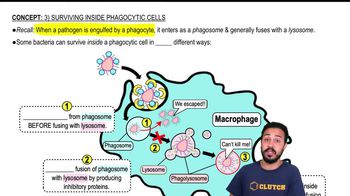
  • Surviving Inside Phagocytic Cells
    04:18

4) Avoiding Complement System

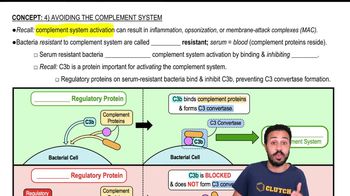
  • Avoiding Complement System
    04:53

5) Avoiding Antibodies

  • Bacteria Avoid Antibodies by Producing IgA Proteases
    02:59
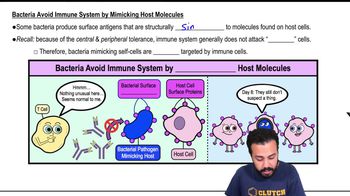
  • Bacteria Avoid Immune System by Mimicking Host Molecules
    03:11
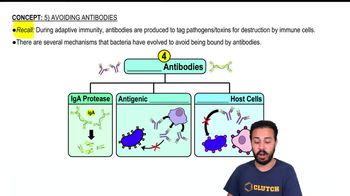
  • Intro to Avoiding Antibodies
    01:35

Viruses Evade the Immune Response

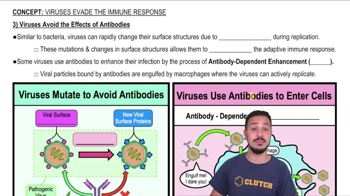
  • 3) Viruses Avoid the Effects of Antibodies
    3:57
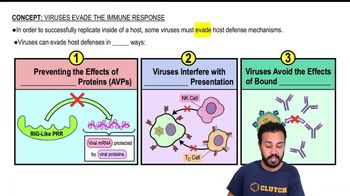
  • Intro to How Viruses Evade the Immune Response
    02:13
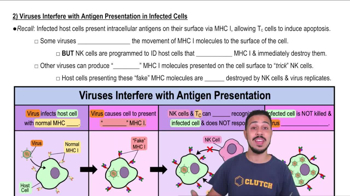
  • 2) Viruses Interfere with Antigen Presentation in Infected Cells
    3:43

Introduction to Epidemiology

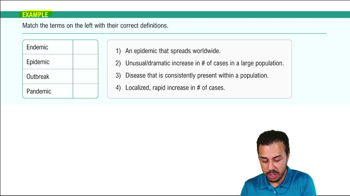
  • Introduction to Epidemiology Example 1
    01:48
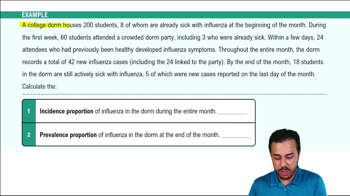
  • Introduction to Epidemiology Example 2
    05:15
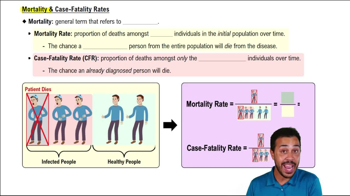
  • Mortality & Case-Fatality Rates
    02:28

Introduction to Chain of Infection

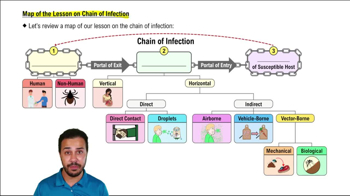
  • Map of the Lesson on Chain of Infection
    00:46
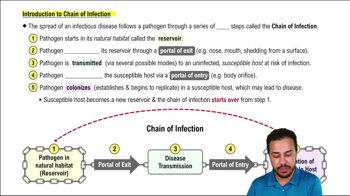
  • Introduction to Chain of Infection
    03:15

Reservoirs of Infection

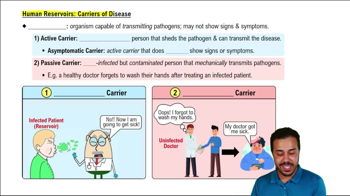
  • Human Reservoirs: Carriers of Disease
    03:12
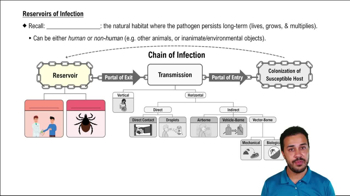
  • Reservoirs of Infection
    00:51
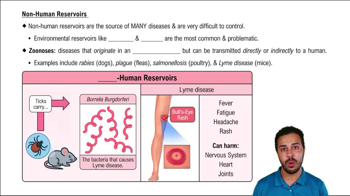
  • Non-Human Reservoirs
    02:36

Disease Transmission

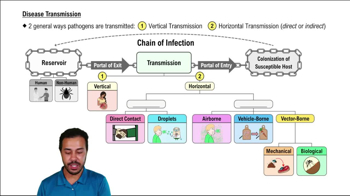
  • Disease Transmission
    01:24
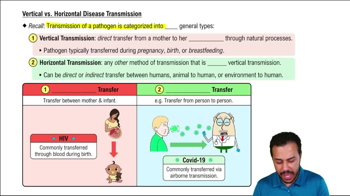
  • Vertical vs. Horizontal Disease Transmission
    02:32

Horizontal Disease Transmission

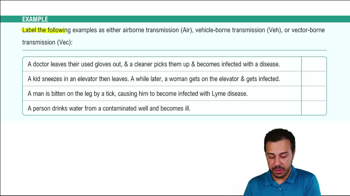
  • Horizontal Disease Transmission Example 1
    01:53
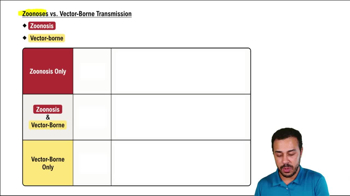
  • Zoonoses vs. Vector-Borne Transmission
    03:52
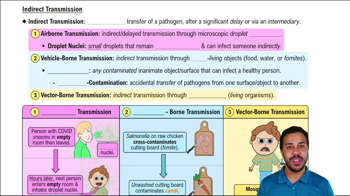
  • Indirect Transmission
    04:42

Colonization of Susceptible Host

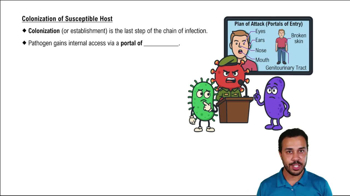
  • Colonization of Susceptible Host
    01:02
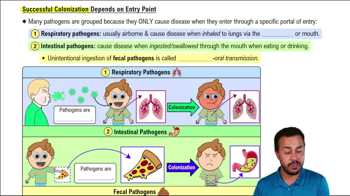
  • Successful Colonization Depends on Entry Point
    03:01

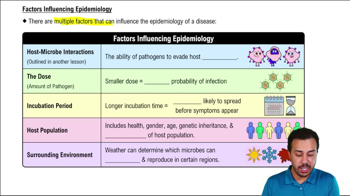
Factors Influencing Epidemiology

  • Factors Influencing Epidemiology
    03:26
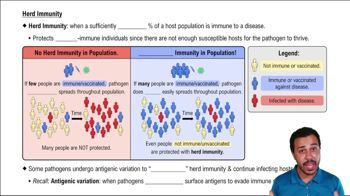
  • Herd Immunity
    04:05

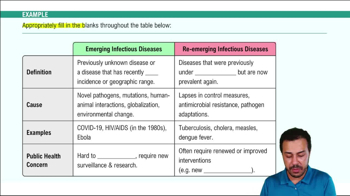
Emerging Infectious Diseases

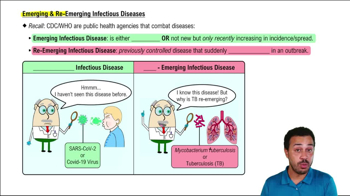
  • Emerging Infectious Diseases Example 1
    02:11
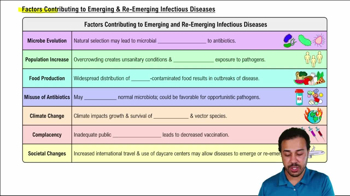
  • Factors Contributing to Emerging & Re-Emerging Infectious Diseases
    03:21
  • Emerging & Re-Emerging Infectious Diseases
    03:15

Healthcare-Associated Infections

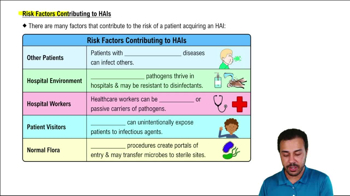
  • Risk Factors Contributing to HAIs
    02:45
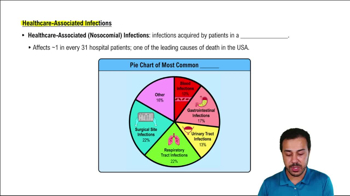
  • Healthcare-Associated Infections
    01:33
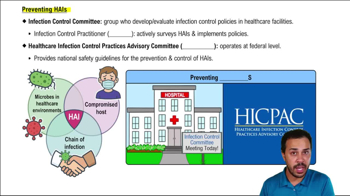
  • Preventing HAIs
    01:59

Epidemiological Studies

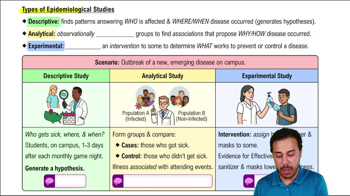
  • Types of Epidemiological Studies
    05:00

Introduction to Antimicrobial Drugs

  • 가이드 코스
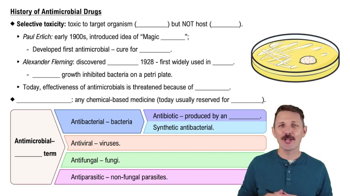
    History of Antimicrobial Drugs
    05:33

How Antimicrobial Drugs Work

  • 가이드 코스
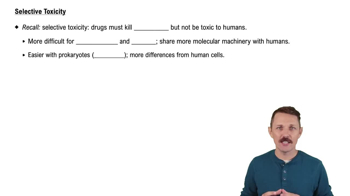
    Selective Toxicity
    05:27
  • 가이드 코스
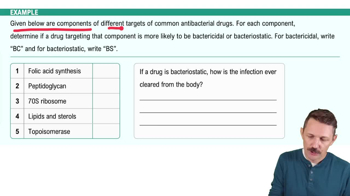
    How Antimicrobial Drugs Work Example 1
    03:28

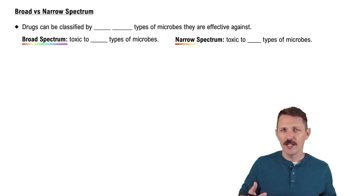
Broad vs Narrow Spectrum Drugs

  • 가이드 코스
    Broad vs Narrow Spectrum
    04:05

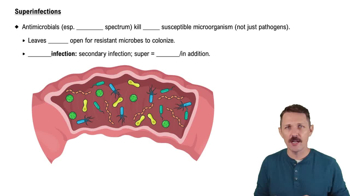
Superinfections

  • 가이드 코스
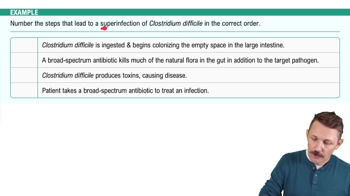
    Superinfections Example 1
    01:59
  • 가이드 코스
    Superinfections
    05:16

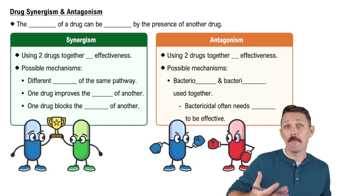
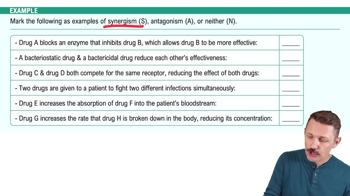
Drug Interactions: Synergism and Antagonism

  • 가이드 코스
    Drug Synergism & Antagonism
    03:06
  • 가이드 코스
    Drug Interactions: Synergism and Antagonism Example 1
    03:17

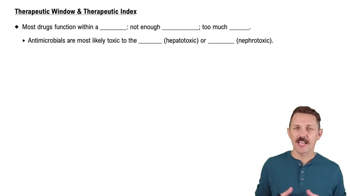
Therapeutic Window & Therapeutic Index

  • 가이드 코스
    Therapeutic Window & Therapeutic Index
    04:08

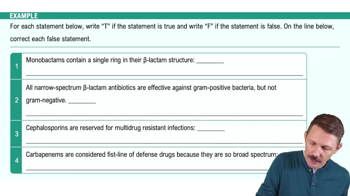
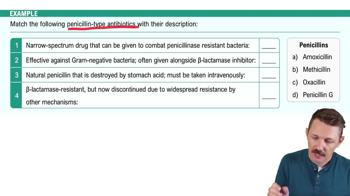
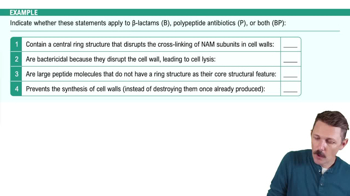
Inhibitors of Cell Wall Synthesis: Beta-lactam & Penicillin

  • 가이드 코스
    Inhibitors of Cell Wall Synthesis: Beta-lactam & Penicillin Example 3
    04:02
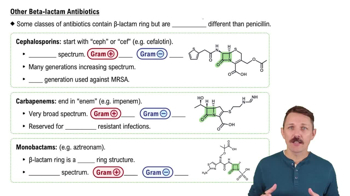
  • 가이드 코스
    Other Beta-lactam Antibiotics
    04:51
  • Inhibitors of Cell Wall Synthesis: Beta-lactam & Penicillin Example 2
    02:21

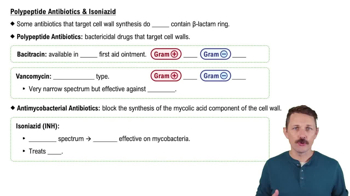
Inhibitors of Cell Wall Synthesis: Polypeptide Antibiotics & Isoniazid

  • 가이드 코스
    Inhibitors of Cell Wall Synthesis: Polypeptide Antibiotics & Isoniazid Example 1
    02:14
  • 가이드 코스
    Polypeptide Antibiotics & Isoniazid
    03:43

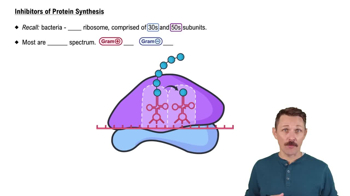
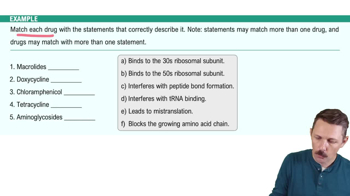
Inhibitors of Protein Synthesis

  • 가이드 코스
    Inhibitors of Protein Synthesis
    05:25
  • 가이드 코스
    Inhibitors of Protein Synthesis Example 1
    03:04

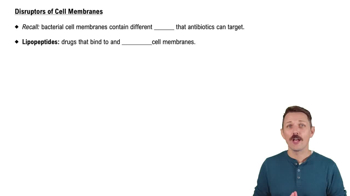
Disruptors of Cell Membranes

  • 가이드 코스
    Disruptors of Cell Membranes
    04:03

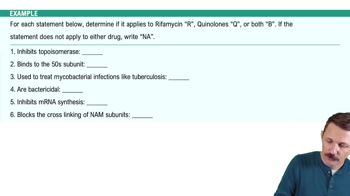
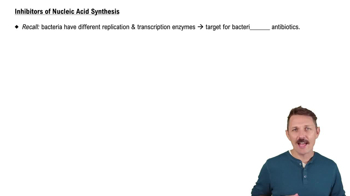
Inhibitors of Nucleic Acid Synthesis

  • 가이드 코스
    Inhibitors of Nucleic Acid Synthesis Example 1
    02:21
  • 가이드 코스
    Inhibitors of Nucleic Acid Synthesis
    05:01

Competitive Inhibitors of Metabolic Pathways

  • 가이드 코스
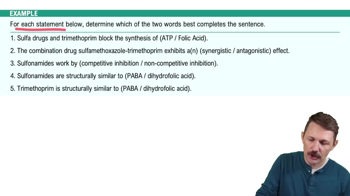
    Competitive Inhibitors of Metabolic Pathways Example 1
    02:36
  • 가이드 코스
    Sulfa Drugs & Folic Acid Synthesis
    05:22

Antifungal Drugs

  • 가이드 코스
    Antifungal Drugs
    06:43
  • 가이드 코스
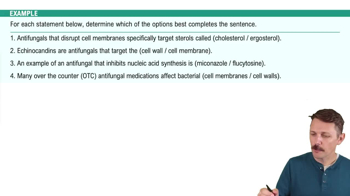
    Antifungal Drugs Example 1
    02:06

Antiviral Drugs

  • 가이드 코스
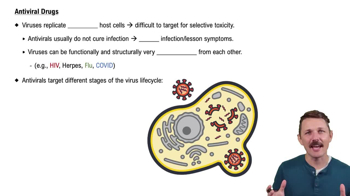
    Antiviral Drugs
    07:25

Tests to Guide Antimicrobial Use

  • 가이드 코스
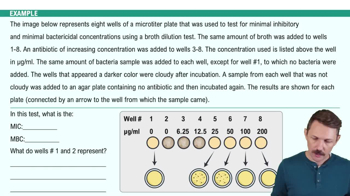
    Tests to Guide Antimicrobial Use Example 1
    04:17
  • 가이드 코스
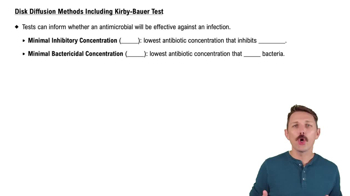
    Disk Diffusion Methods Including Kirby-Bauer Test
    06:04
  • 가이드 코스
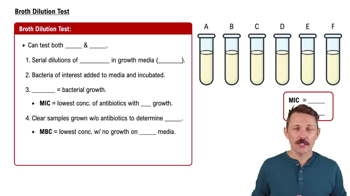
    Broth Dilution Test
    04:53

Antimicrobial Resistance

  • 가이드 코스
    Types of Resistance Mechanisms
    05:04
  • 가이드 코스
    Spread of Antibiotic Resistance
    04:45
  • 가이드 코스
    Antibiotic Resistance
    03:45