뒤로

Comprehensive Study Guide: Microbiology Midterm (Chapters 8, 9, 10 Focus)

학습 가이드 - 영상으로 배우기

업로드한 자료에 맞춘 엄선된 수업 – 모든 주제를 단계별로 배워보세요.

Introduction to Spontaneous Generation

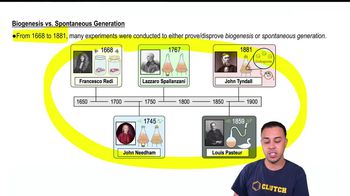
  • Biogenesis vs. Spontaneous Generation
    02:05
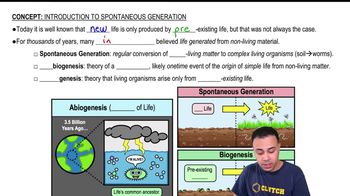
  • Introduction to Spontaneous Generation
    05:59

Koch's Postulates

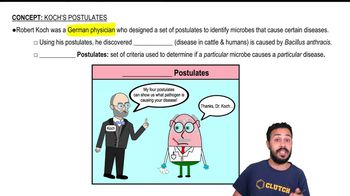
  • Koch's Postulates
    01:36
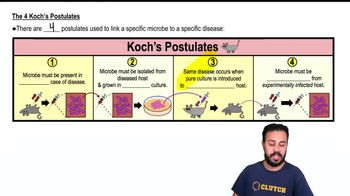
  • The 4 Koch's Postulates
    03:31
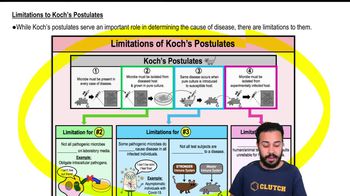
  • Limitations to Koch's Postulates
    02:58

Scientific Naming of Organisms

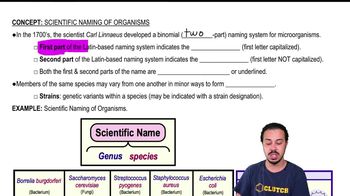
  • Scientific Naming of Organisms
    05:22

Differential Staining

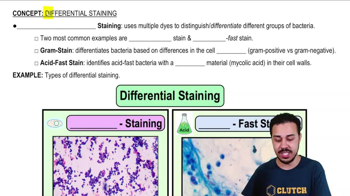
  • Differential Staining
    04:07

Gram Stain

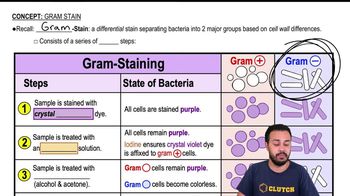
  • Gram Stain
    04:57

Bacterial Cell Morphology & Arrangements

  • Types of Bacterial Cell Morphology
    02:44
  • Bacterial Cell Morphology & Arrangements
    01:13
  • Bacilli Bacterial Cell Arrangements
    03:56

Introduction to Bacteria

  • Introduction to Bacteria
    06:18

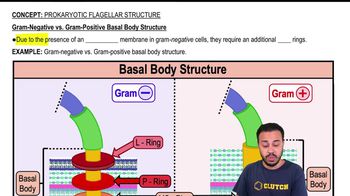
Prokaryotic Flagellar Structure

  • Structure of Gram-Positive Basal Body
    02:28
  • Prokaryotic Flagellar Structure
    02:53
  • Gram-Negative vs. Gram-Positive Basal Body Structure
    01:59

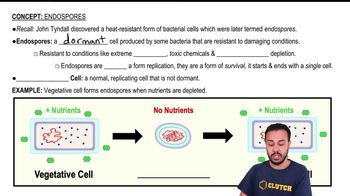
Endospores

  • Endospores
    05:35
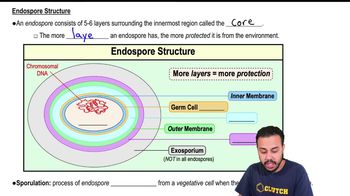
  • Endospore Structure
    03:08

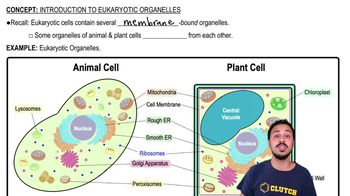
Introduction to Eukaryotic Organelles

  • Introduction to Eukaryotic Organelles
    03:45
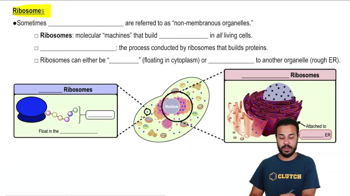
  • Eukaryotic Ribosomes
    05:51
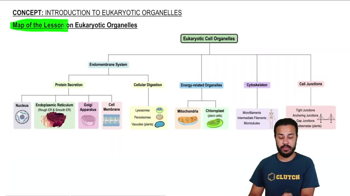
  • Map of the Lesson on Eukaryotic Organelles
    02:04

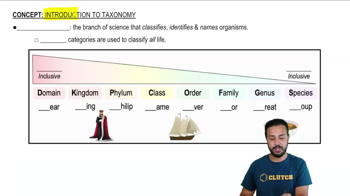
Introduction to Taxonomy

  • Introduction to Taxonomy Example 2
    01:37
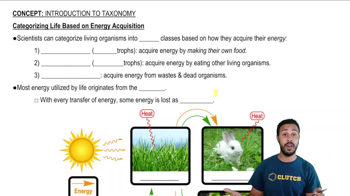
  • Categorizing Life Based on Energy Acquisition
    06:14
  • Introduction to Taxonomy
    02:23

Introduction to DNA Replication

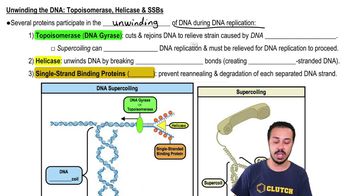
  • Unwinding the DNA:Topoisomerase, Helicase & SSBs
    05:10
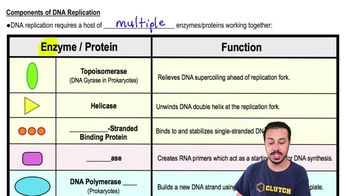
  • Components of DNA Replication
    04:47
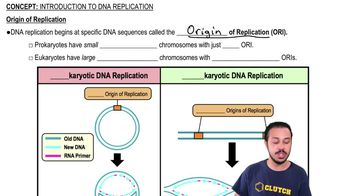
  • Origin of Replication
    03:33

Introduction to Transcription

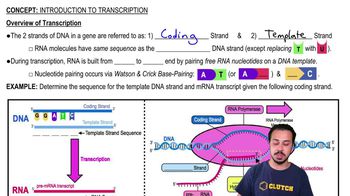
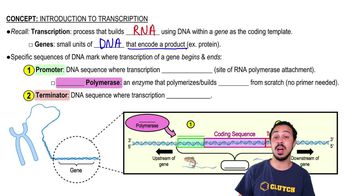
  • Overview of Transcription
    07:44
  • Introduction to Transcription
    05:51

Steps of Transcription

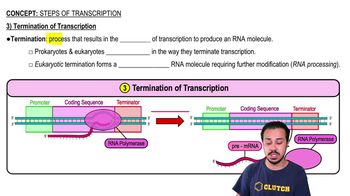
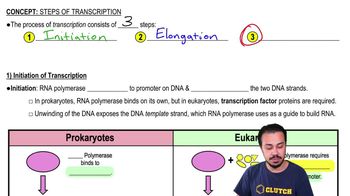
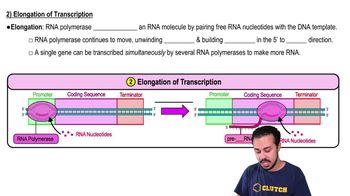
  • Elongation of Transcription
    02:44
  • Initiation of Transcription
    04:16
  • Elongation of Transcription
    04:01

Introduction to Translation

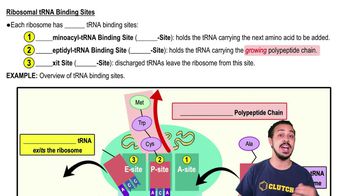
  • Ribosomal tRNA Binding Sites
    06:16
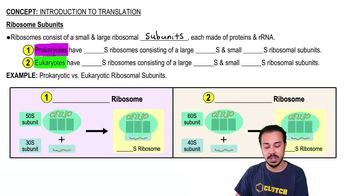
  • Ribosome Subunits
    08:42
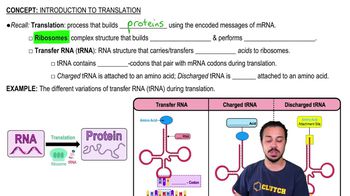
  • Introduction to Translation
    06:12

Horizontal Gene Transfer

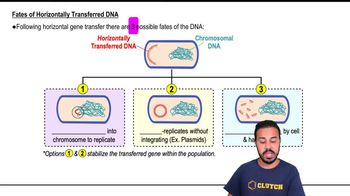
  • Fates of Horizontally Transferred DNA
    03:13
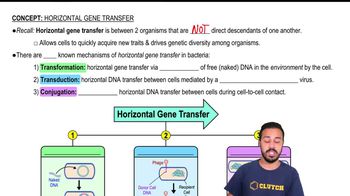
  • Horizontal Gene Transfer
    04:42
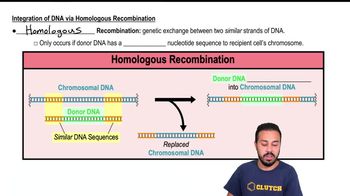
  • Integration of DNA via Homologous Recombination
    02:52

Introduction to Viruses

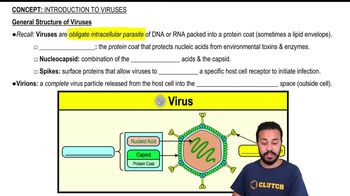
  • General Structure of Viruses
    04:47
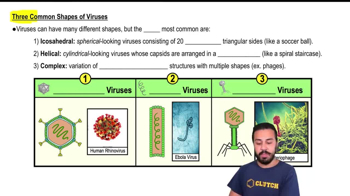
  • Three Common Shapes of Viruses
    03:19
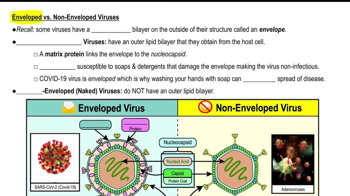
  • Enveloped vs. Non-Enveloped Viruses
    05:09

Introduction to Bacteriophage Infections

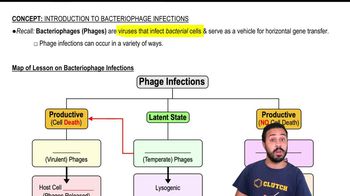
  • Map of Lesson on Bacteriophage Infections
    03:52
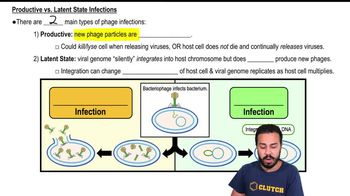
  • Productive vs. Latent State Infections
    04:09
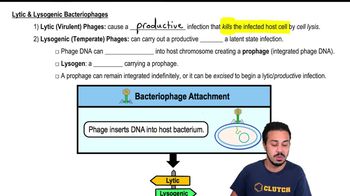
  • Lytic & Lysogenic Bacteriophages
    04:34

Bacteriophage: Lytic Phage Infections

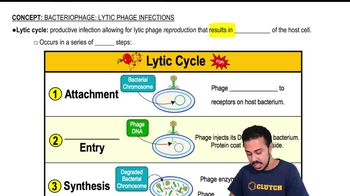
  • Bacteriophage: Lytic Phage Infections
    04:58

Bacteriophage: Lysogenic Phage Infections

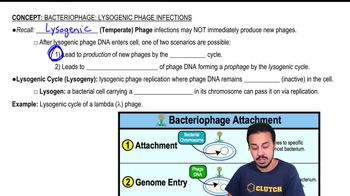
  • Bacteriophage: Lysogenic Phage Infections
    05:27
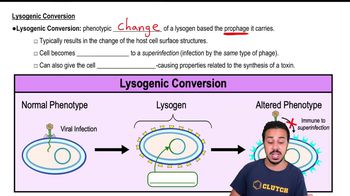
  • Lysogenic Conversion
    03:37

Introduction to Animal Virus Infections

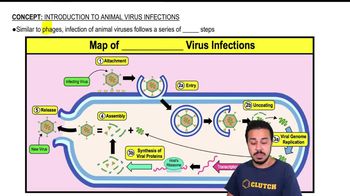
  • Introduction to Animal Virus Infections
    02:33
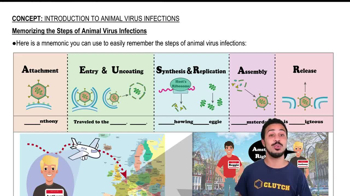
  • Memorizing the Steps of Animal Virus Infections
    01:40

Animal Viruses: 1. Attachment to the Host Cell

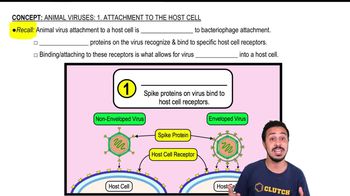
  • Animal Viruses: 1. Attachment to the Host Cell
    03:12

Animal Viruses: 2. Entry & Uncoating in the Host Cell

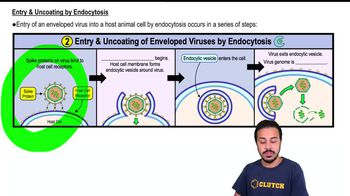
  • Entry & Uncoating by Endocytosis
    02:29
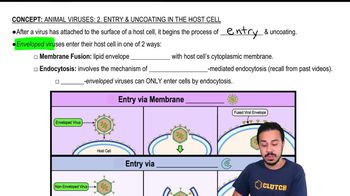
  • Animal Viruses: 2. Entry & Uncoating in the Host Cell
    04:29
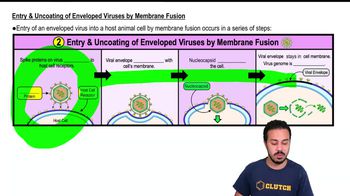
  • Entry & Uncoating of Enveloped Viruses by Membrane Fusion
    02:59

Animal Viruses: 3. Synthesis & Replication

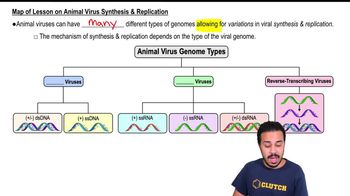
  • Map of Lesson on Animal Virus Synthesis & Replication
    03:34
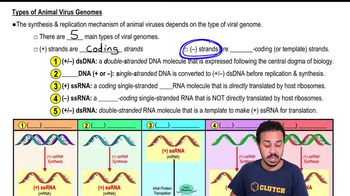
  • Types of RNA Virus Genomes
    10:46
  • Common Themes of All Virus Genomes
    02:58

Animal Viruses: 4. Assembly Inside Host Cell

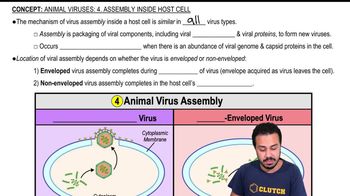
  • Animal Viruses: 4. Assembly Inside Host Cell
    04:26

Animal Viruses: 5. Release from Host Cell

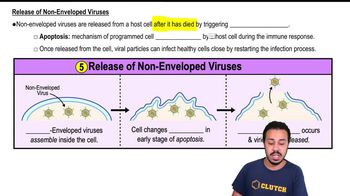
  • Release of Non-Enveloped Viruses
    02:34
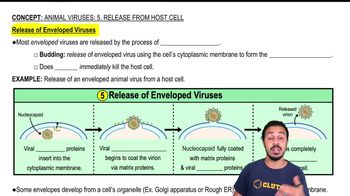
  • Release of Enveloped Viruses
    05:08

Acute vs. Persistent Viral Infections

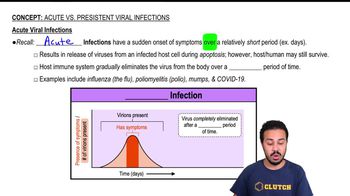
  • Acute Viral Infections
    03:29
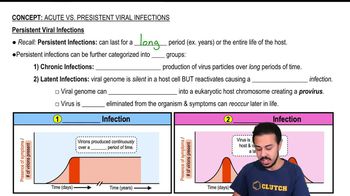
  • Persistent Viral Infections
    05:12
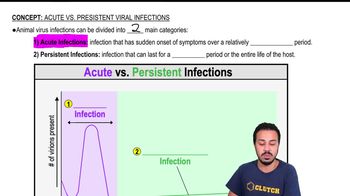
  • Acute vs. Persistent Viral Infections
    02:59

Prions

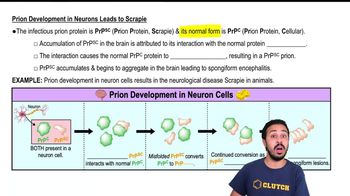
  • Prion Development in Neurons Leads to Scrapie
    04:00
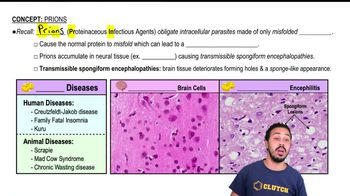
  • Prions
    03:05
Introduction to Metabolism

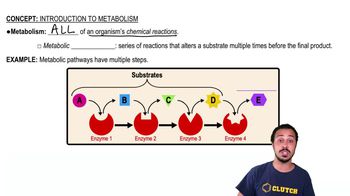
  • Introduction to Metabolism
    02:17
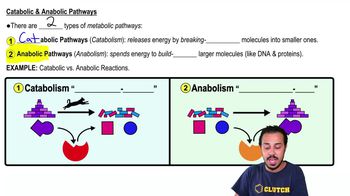
  • Catabolic & Anabolic Pathways
    03:25
Enzymes

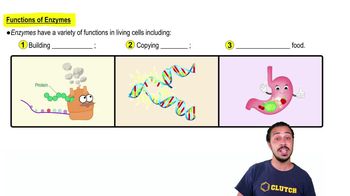
  • Functions of Enzymes
    02:32
  • Enzymes Example 1
    02:25
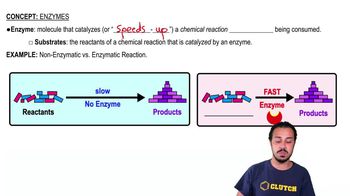
  • Enzymes
    02:55

Introduction to Aerobic Cellular Respiration

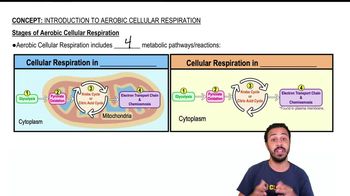
  • Stages of Aerobic Cellular Respiration
    02:32
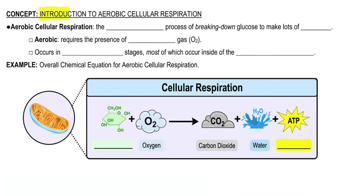
  • Introduction to Aerobic Cellular Respiration
    03:38
  • Introduction to Aerobic Cellular Respiration Example 2
    01:53

Glycolysis

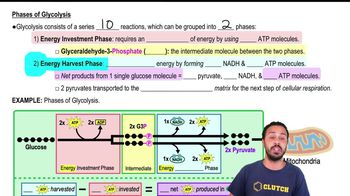
  • Phases of Glycolysis
    05:57
  • Glycolysis Example 1
    01:29
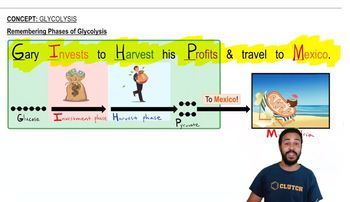
  • Remembering Phases of Glycolysis
    02:49

Pyruvate Oxidation

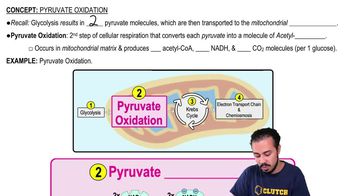
  • Pyruvate Oxidation
    04:38

Krebs Cycle

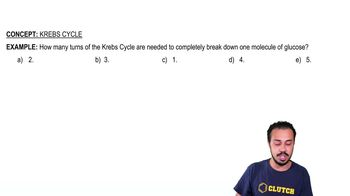
  • Krebs Cycle Example 1
    01:20
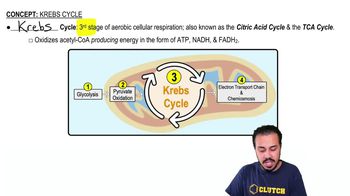
  • Krebs Cycle
    01:37
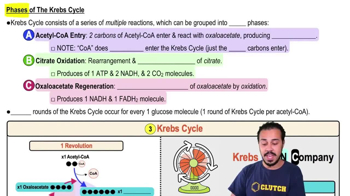
  • Phases of The Krebs Cycle
    09:54

Electron Transport Chain

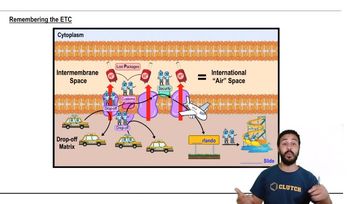
  • Remembering the ETC
    04:43
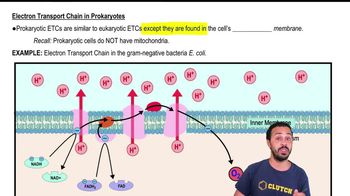
  • Electron Transport Chain in Prokaryotes
    02:49
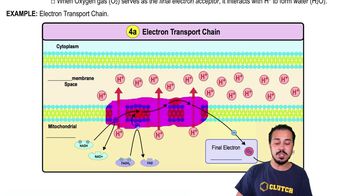
  • Electron Transport Chain
    07:41

Fermentation & Anaerobic Respiration

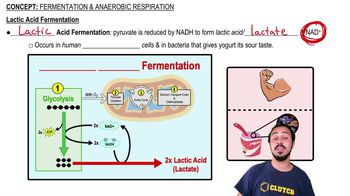
  • Lactic Acid Fermentation
    03:33
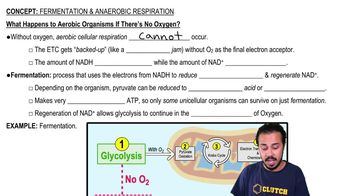
  • What Happens to Aerobic Organisms if There's No Oxygen?
    07:50
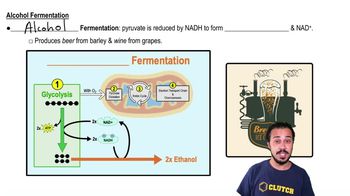
  • Alcohol Fermentation
    01:59

Characteristics of Infectious Disease

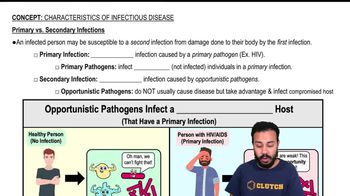
  • Primary vs. Secondary Infections
    04:16
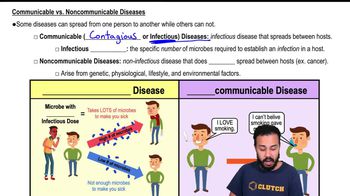
  • Communicable vs. Noncommunicable Diseases
    04:57
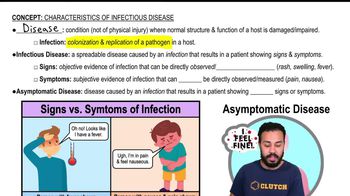
  • Intro to Characteristics of Infectious Disease
    05:09

Disease Transmission

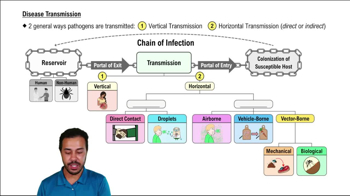
  • Disease Transmission
    01:24
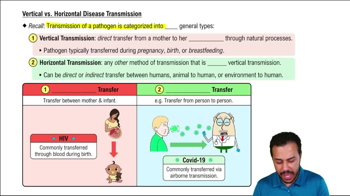
  • Vertical vs. Horizontal Disease Transmission
    02:32

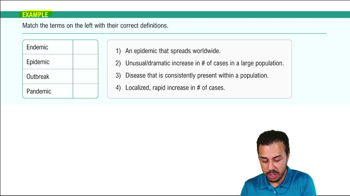
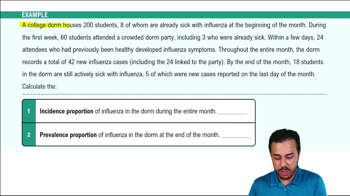
Introduction to Epidemiology

  • Introduction to Epidemiology Example 1
    01:48
  • Introduction to Epidemiology Example 2
    05:15
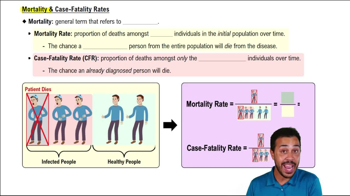
  • Mortality & Case-Fatality Rates
    02:28

Healthcare-Associated Infections

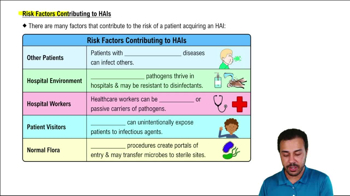
  • Risk Factors Contributing to HAIs
    02:45
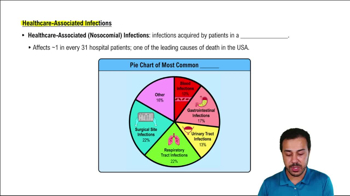
  • Healthcare-Associated Infections
    01:33
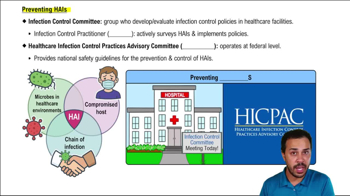
  • Preventing HAIs
    01:59

Stages of Infectious Disease Progression

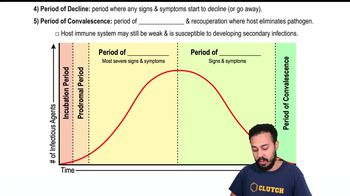
  • Stages of Infectious Disease Progression
    05:36
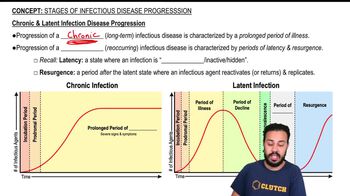
  • Chronic & Latent Infection Disease Progression
    05:14

Bacterial Pathogenesis

  • Intro to Bacterial Pathogenesis
    02:35
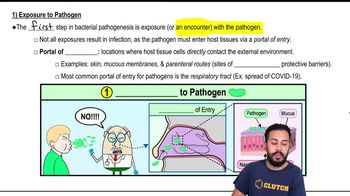
  • 1) Exposure to Pathogen
    03:27
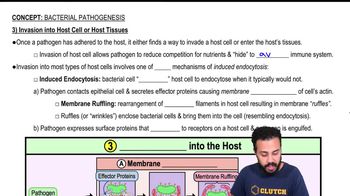
  • 3) Invasion into Host Tissues
    05:38

Introduction to Pathogenic Toxins

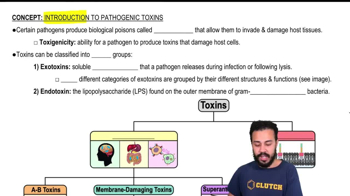
  • Introduction to Pathogenic Toxins
    03:40

Exotoxins Cause Damage to the Host

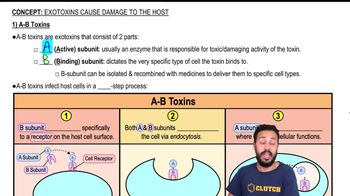
  • 1) A-B Toxins
    04:44
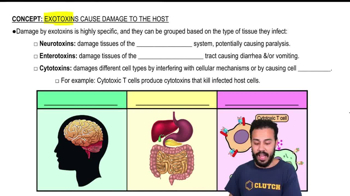
  • Types of Exotoxins
    03:30
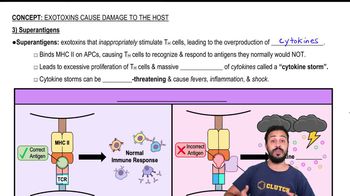
  • 3) Superantigens
    03:59

Endotoxin Causes Damage to the Host

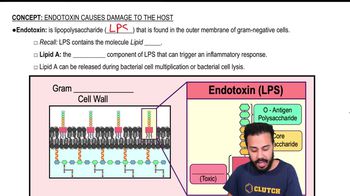
  • Endotoxin
    02:46
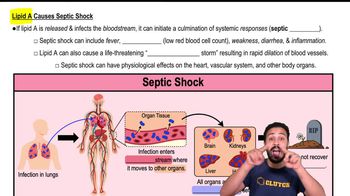
  • Lipid A Causes Septic Shock
    03:24

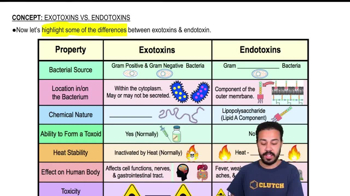
Exotoxins vs. Endotoxin Review

  • Exotoxins vs. Endotoxin Review
    07:22