뒤로

Comprehensive Study Notes for Microbiology: Key Concepts, Processes, and Applications

학습 가이드 - 영상으로 배우기

업로드한 자료에 맞춘 엄선된 수업 – 모든 주제를 단계별로 배워보세요.

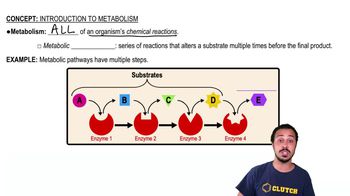
Introduction to Metabolism

  • Introduction to Metabolism
    02:17
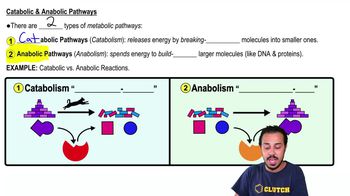
  • Catabolic & Anabolic Pathways
    03:25

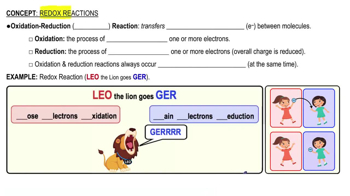
Redox Reactions

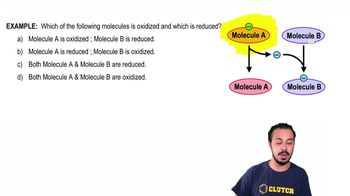
  • Redox Reactions Example 1
    01:44
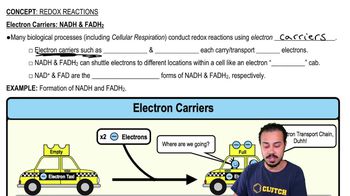
  • Electron Carriers: NADH & FADH2
    05:22
  • Redox Reactions
    04:46

Enzymes

  • Functions of Enzymes
    02:32
  • Enzymes Example 1
    02:25
  • Enzymes
    02:55

Temperature Requirements for Microbial Growth

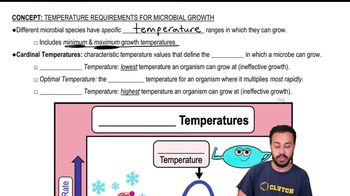
  • Temperature Requirements for Microbial Growth
    04:16
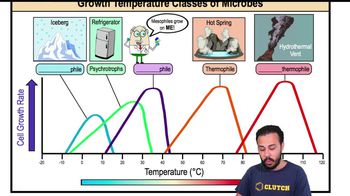
  • Classification of Microbes by Growth Temperature
    04:56
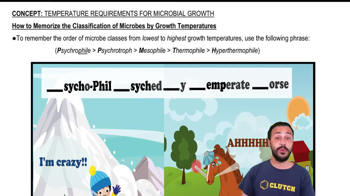
  • How to Memorize the Classification of Microbes by Growth Temperatures
    01:59

pH Requirements for Microbial Growth

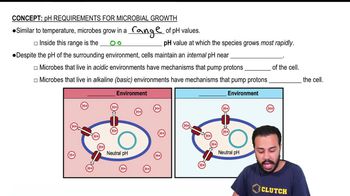
  • pH Requirements for Microbial Growth
    03:11
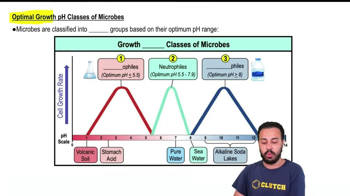
  • Optimal Growth pH Classes of Microbes
    03:23

Fermentation & Anaerobic Respiration

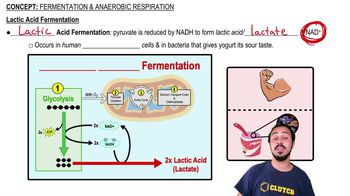
  • Lactic Acid Fermentation
    03:33
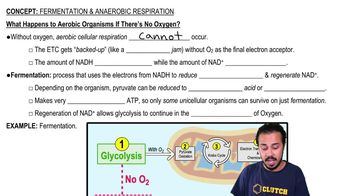
  • What Happens to Aerobic Organisms if There's No Oxygen?
    07:50
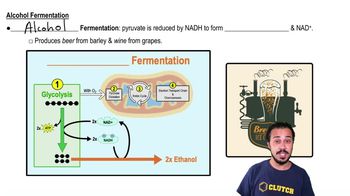
  • Alcohol Fermentation
    01:59

Introduction to Aerobic Cellular Respiration

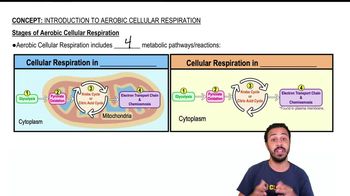
  • Stages of Aerobic Cellular Respiration
    02:32
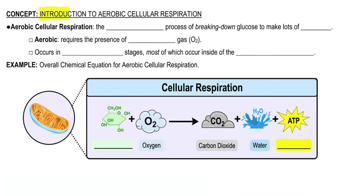
  • Introduction to Aerobic Cellular Respiration
    03:38
  • Introduction to Aerobic Cellular Respiration Example 2
    01:53

Glycolysis

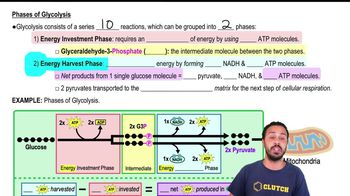
  • Phases of Glycolysis
    05:57
  • Glycolysis Example 1
    01:29
  • Remembering Phases of Glycolysis
    02:49

Krebs Cycle

  • Krebs Cycle Example 1
    01:20
  • Krebs Cycle
    01:37
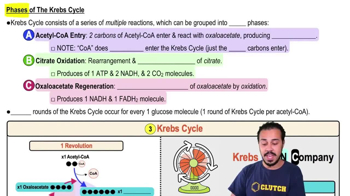
  • Phases of The Krebs Cycle
    09:54

Electron Transport Chain

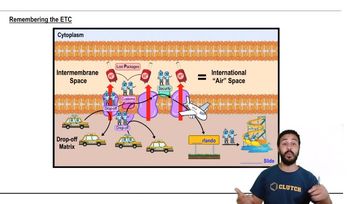
  • Remembering the ETC
    04:43
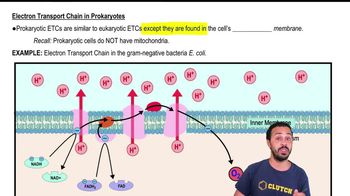
  • Electron Transport Chain in Prokaryotes
    02:49
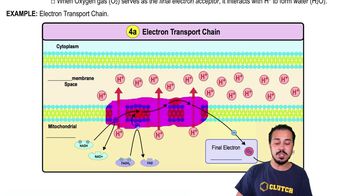
  • Electron Transport Chain
    07:41

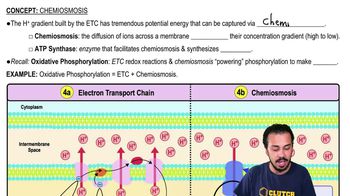
Chemiosmosis

  • Chemiosmosis
    05:01

Generation Times

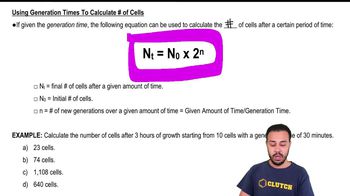
  • Calculating Generation Times
    05:48
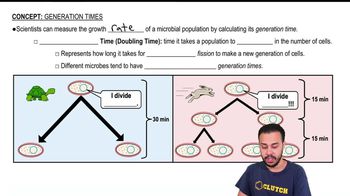
  • Generation Times
    02:54

Binary Fission

  • Binary Fission
    02:16
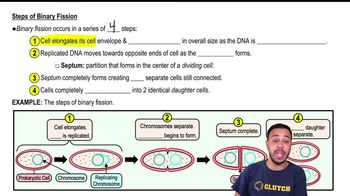
  • Steps of Binary Fission
    04:57

Microbial Growth Curves in a Closed System

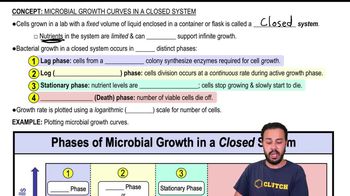
  • Microbial Growth Curves in a Closed System
    08:59
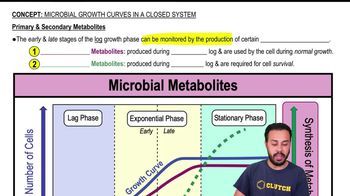
  • Primary & Secondary Metabolites
    02:33

Measuring Growth by Plate Counts

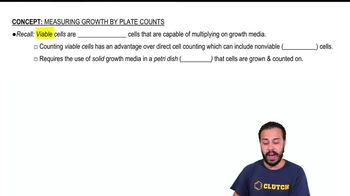
  • Measuring Growth by Plate Counts
    07:16
  • Measuring Growth by Plate Counts
    01:36

Introduction to Microbial Genetics

  • Map of the Lesson on Microbial Genetics
    02:04
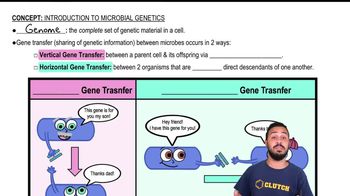
  • Introduction to Microbial Genetics
    04:20

Introduction to DNA Replication

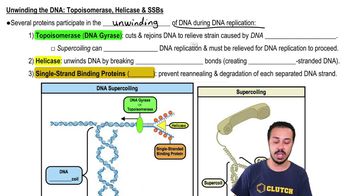
  • Unwinding the DNA:Topoisomerase, Helicase & SSBs
    05:10
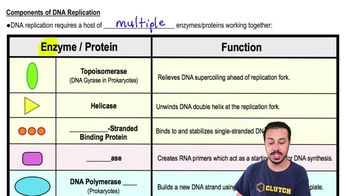
  • Components of DNA Replication
    04:47
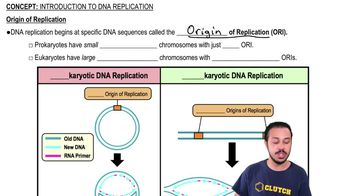
  • Origin of Replication
    03:33

DNA Polymerases

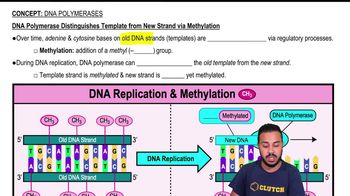
  • DNA Polymerase Distinguishes Template from New Strand via Methylation
    03:47
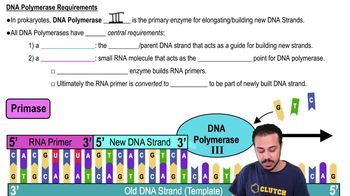
  • DNA Polymerases Requirements
    05:03
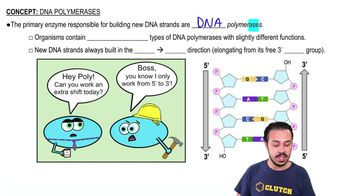
  • DNA Polymerases
    04:01

Leading & Lagging DNA Strands

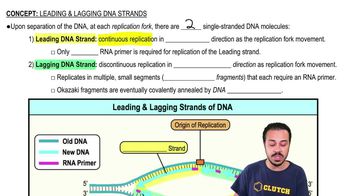
  • Leading & Lagging DNA Strands
    05:15

Steps of DNA Replication

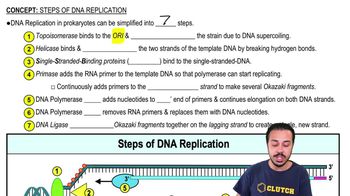
  • Steps of DNA Replication
    09:29

DNA Repair

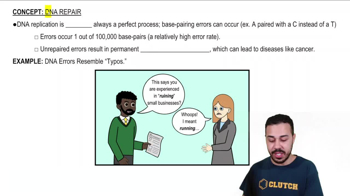
  • DNA Repair
    03:20
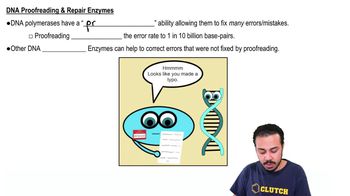
  • DNA Proofreading & Repair Enzymes
    02:12

Central Dogma

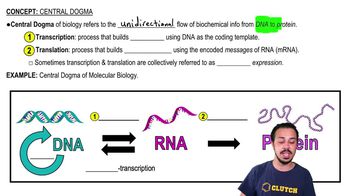
  • Central Dogma
    05:45

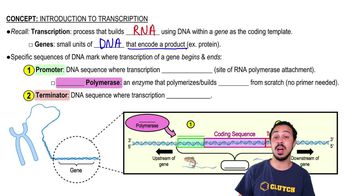
Introduction to Transcription

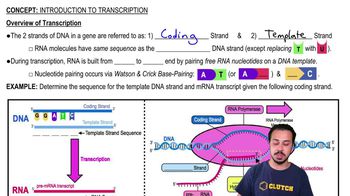
  • Overview of Transcription
    07:44
  • Introduction to Transcription
    05:51

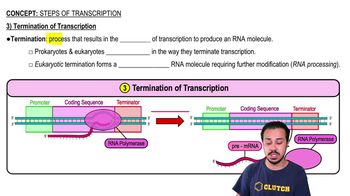
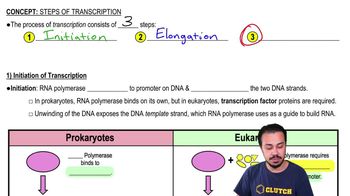
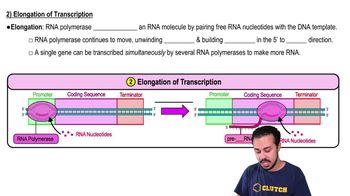
Steps of Transcription

  • Elongation of Transcription
    02:44
  • Initiation of Transcription
    04:16
  • Elongation of Transcription
    04:01

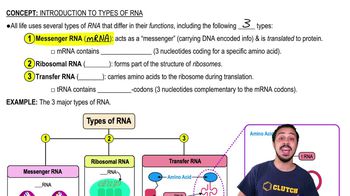
Introduction to Types of RNA

  • Introduction to Types of RNA
    07:20

Introduction to Translation

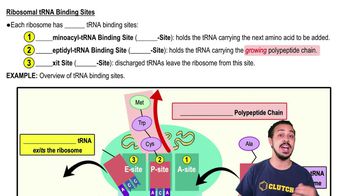
  • Ribosomal tRNA Binding Sites
    06:16
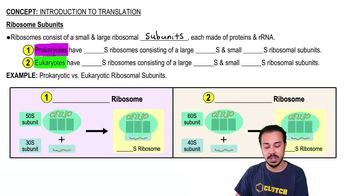
  • Ribosome Subunits
    08:42
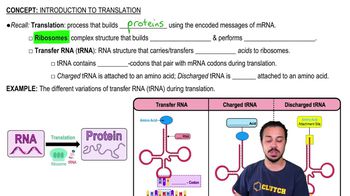
  • Introduction to Translation
    06:12

Steps of Translation

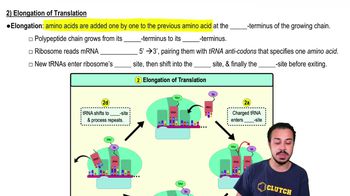
  • Elongation of Translation
    04:59
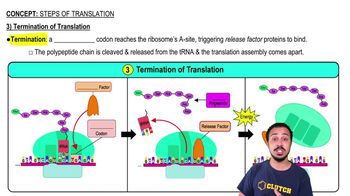
  • Termination of Translation
    02:16
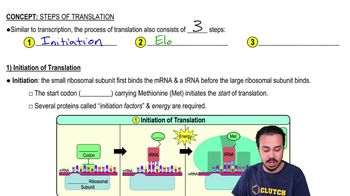
  • Steps of Translation
    05:03

Prokaryotic Gene Expression

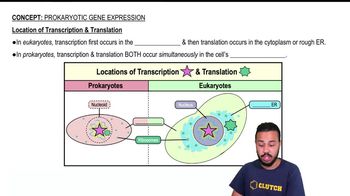
  • Location of Transcription & Translation
    03:17
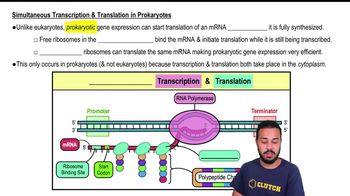
  • Simultaneous Transcription & Translation in Prokaryotes
    03:34
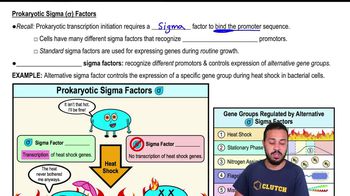
  • Prokaryotic Sigma (σ) Factors
    05:00

Prokaryotic Gene Regulation via Operons

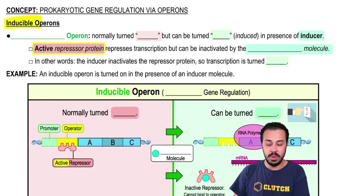
  • Inducible Operons
    04:25
  • Prokaryotic Gene Regulation via Operons
    00:53
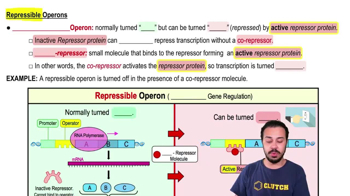
  • Repressible Operons
    03:42

The Lac Operon

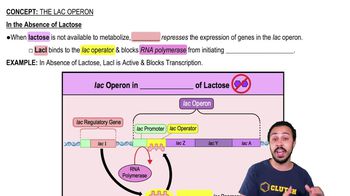
  • In the Absence of Lactose
    04:34
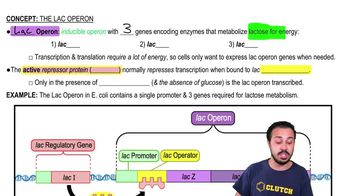
  • The Lac Operon
    07:06
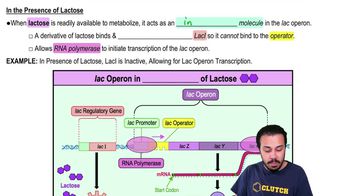
  • In the Presence of Lactose
    03:56

The Trp Operon

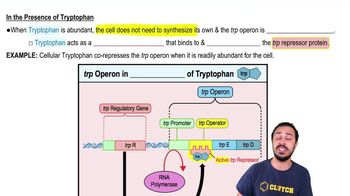
  • In the Presence of Tryptophan
    03:11
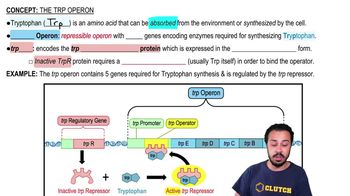
  • The Trp Operon
    05:30
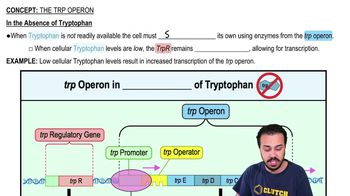
  • In the Absence of Tryptophan
    03:42

Introduction to Mutations

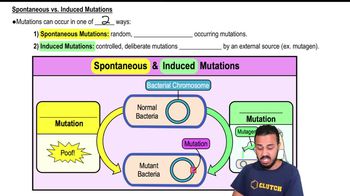
  • Spontaneous vs. Induced Mutations
    02:47
  • Introduction to Mutations
    00:37
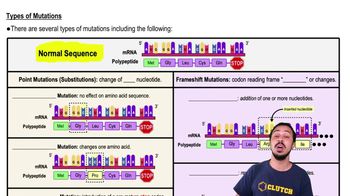
  • Types of Mutations
    08:44

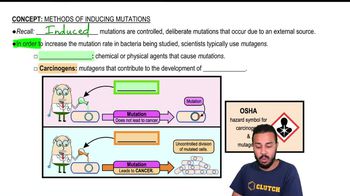
Methods of Inducing Mutations

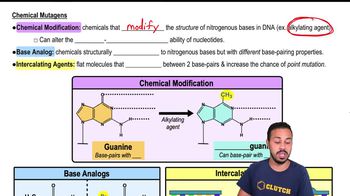
  • Chemical Mutagens
    05:13
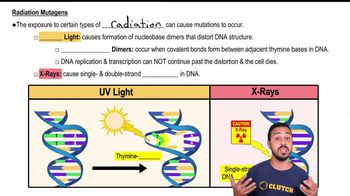
  • Radiation Mutagens
    02:55
  • Methods of Inducing Mutations
    03:19

Mutant Detection

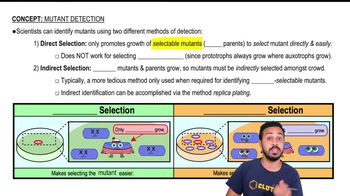
  • Mutant Detection
    06:49
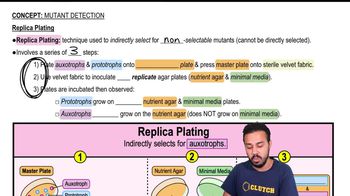
  • Replica Plating
    05:36

The Ames Test

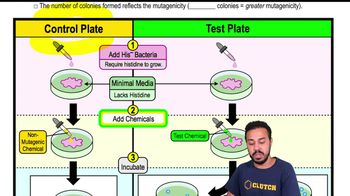
  • The Ames Test
    06:59

DNA Repair Mechanisms

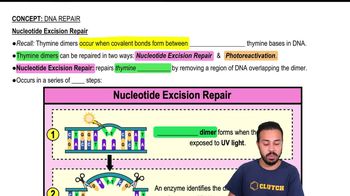
  • Nucleotide Excision Repair
    03:31
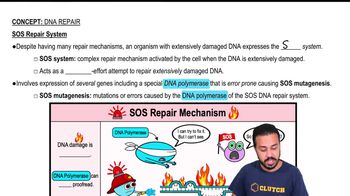
  • SOS Repair System
    03:50
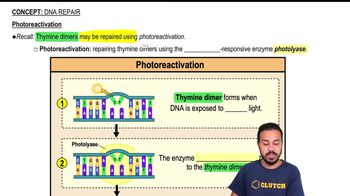
  • Photoreactivation
    02:29

Horizontal Gene Transfer

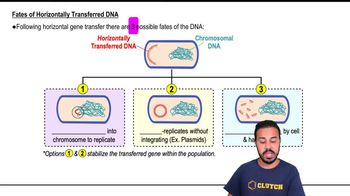
  • Fates of Horizontally Transferred DNA
    03:13
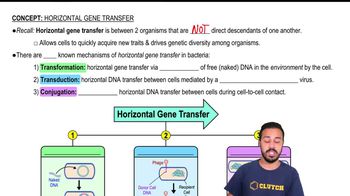
  • Horizontal Gene Transfer
    04:42
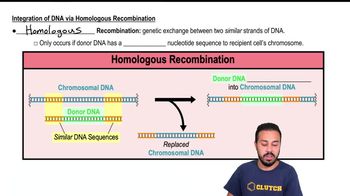
  • Integration of DNA via Homologous Recombination
    02:52

Bacterial Transformation

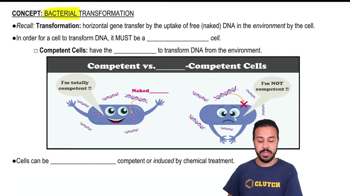
  • Bacterial Transformation
    03:06
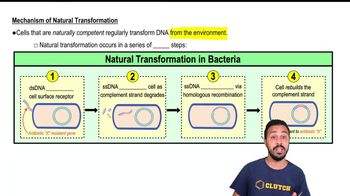
  • Mechanism of Natural Transformation
    03:49

Introduction to DNA-Based Technology

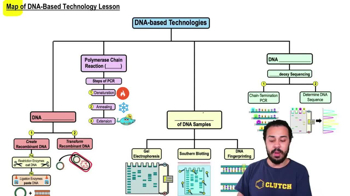
  • Map of DNA-Based Technology Lesson
    03:12
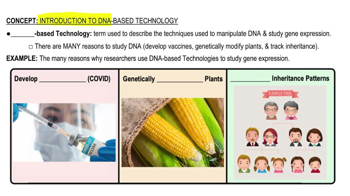
  • Introduction to DNA-Based Technology
    02:30

Introduction to DNA Cloning

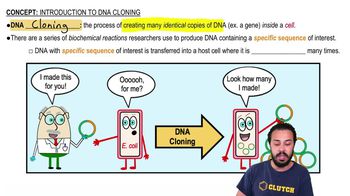
  • Introduction to DNA Cloning
    02:25
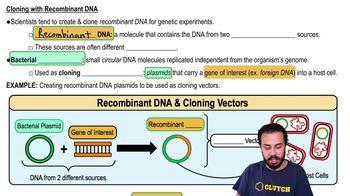
  • Cloning with Recombinant DNA
    03:41

Steps to DNA Cloning

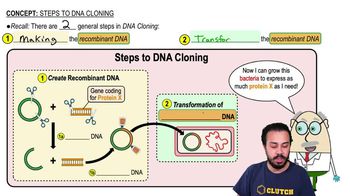
  • Steps to DNA Cloning
    04:42
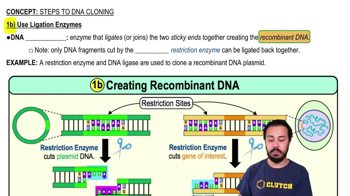
  • 1b) Use Ligation Enzymes
    04:58
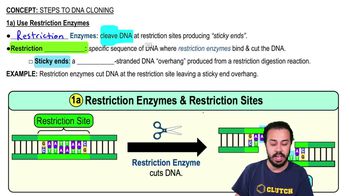
  • 1a) Use Restriction Enzymes
    03:27

Introduction to Polymerase Chain Reaction

  • Introduction to Polymerase Chain Reaction
    01:31
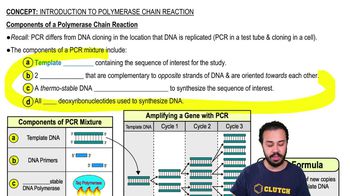
  • Components of a Polymerase Chain Reaction
    05:57
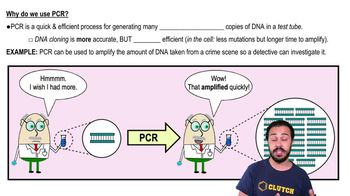
  • Why do we use PCR?
    02:53

The Steps of PCR

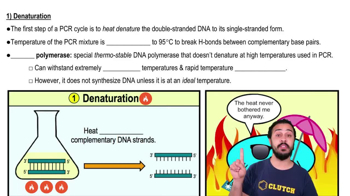
  • 1) Denaturation
    03:33
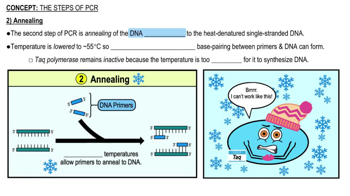
  • 2) Annealing
    02:56
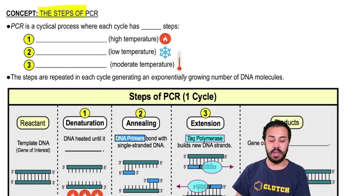
  • The Steps of PCR
    04:39

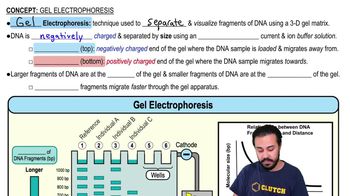
Gel Electrophoresis

  • Gel Electrophoresis
    07:58
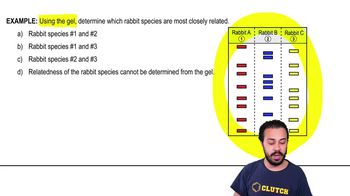
  • Gel Electrophoresis Example 1
    02:34

CRISPR CAS

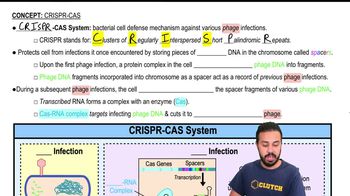
  • CRISPR CAS
    07:43

DNA Fingerprinting

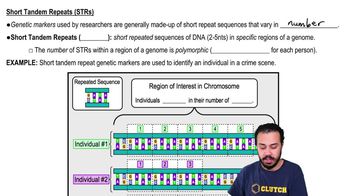
  • Short Tandem Repeats (STRs)
    03:41
  • DNA Fingerprinting
    03:30