 뒤로
Controlling Microbial Growth in the Body: Antimicrobial Drugs
스터디 가이드 - 스마트 노트
 자료에 맞춘 맞춤형 노트, 핵심 정의, 예시, 맥락을 확장해 제공합니다.
Controlling Microbial Growth in the Body: Antimicrobial Drugs
The History of Antimicrobial Agents
The development of antimicrobial drugs revolutionized the treatment of infectious diseases. Early discoveries laid the foundation for modern chemotherapy against microbes.
Paul Ehrlich: Proposed the concept of "magic bullets"—chemicals that selectively target pathogens. Discovered arsenic compounds effective against microbes.
Alexander Fleming: Discovered penicillin, the first true antibiotic, produced by the mold Penicillium.
Gerhard Domagk: Discovered sulfanilamide, the first widely used synthetic antimicrobial.
Selman Waksman: Coined the term "antibiotics" for antimicrobial agents produced naturally by organisms.
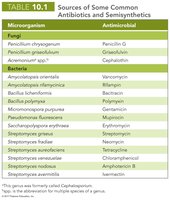
Sources of Antibiotics and Semisynthetics
Antibiotics are derived from various microorganisms, including fungi and bacteria. Semisynthetic drugs are chemically modified derivatives of natural antibiotics to improve efficacy or reduce side effects.
Microorganism | Antimicrobial |
|---|---|
Penicillium chrysogenum | Penicillin G |
Penicillium griseofulvum | Griseofulvin |
Acremonium spp. | Cephalosporins |
Amycolatopsis orientalis | Vancomycin |
Bacillus polymyxa | Polymyxin |
Streptomyces griseus | Streptomycin |
Streptomyces nodosus | Amphotericin B |
Streptomyces venezuelae | Chloramphenicol |
Mechanisms of Antimicrobial Action
Overview of Mechanisms
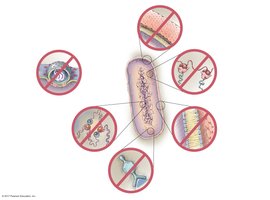
Antimicrobial drugs target essential structures or functions in microbes, exploiting differences between pathogens and host cells. The main mechanisms include:
Inhibition of cell wall synthesis
Inhibition of protein synthesis
Disruption of cytoplasmic membrane
Inhibition of metabolic pathways
Inhibition of nucleic acid synthesis
Inhibition of pathogen attachment or entry into host cells
Inhibition of Cell Wall Synthesis
Many antibiotics prevent the synthesis of peptidoglycan, a key component of bacterial cell walls, leading to cell lysis. These drugs are most effective against actively growing bacteria.
Beta-lactams (e.g., penicillins, cephalosporins, carbapenems): Prevent cross-linkage of NAM subunits in peptidoglycan.
Semisynthetic beta-lactams: More stable, better absorbed, and broader spectrum than natural forms.
Vancomycin and cycloserine: Interfere with bridges linking NAM subunits in Gram-positive bacteria.
Bacitracin: Blocks transport of NAG and NAM from the cytoplasm.
Isoniazid and ethambutol: Disrupt mycolic acid synthesis in mycobacteria.
Echinocandins (antifungal): Inhibit glucan synthesis in fungal cell walls.
Inhibition of Protein Synthesis
Antibiotics can selectively target bacterial ribosomes (70S) without affecting eukaryotic ribosomes (80S), though mitochondrial ribosomes may be affected.
Aminoglycosides, tetracyclines, chloramphenicol, macrolides: Inhibit various steps of translation.
Mupirocin: Inhibits isoleucyl-tRNA synthetase, blocking isoleucine incorporation in Gram-positive bacteria.
Disruption of Cytoplasmic Membranes
Some drugs compromise membrane integrity, causing cell death.
Polymyxins: Disrupt bacterial membranes (mainly Gram-negative).
Polyenes (e.g., amphotericin B): Bind ergosterol in fungal membranes, forming pores.
Inhibition of Metabolic Pathways
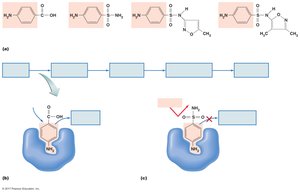
Antimetabolic agents target pathways unique to microbes, such as folic acid synthesis.
Sulfonamides: Structural analogs of PABA, competitively inhibit dihydropteroate synthase, blocking folic acid synthesis.
Trimethoprim: Inhibits dihydrofolate reductase, another step in folic acid synthesis.
Atovaquone: Disrupts electron transport in protozoa and fungi.
Antiviral agents: Amantadine and rimantadine prevent viral uncoating; protease inhibitors block HIV replication.
Inhibition of Nucleic Acid Synthesis
Some drugs interfere with DNA or RNA synthesis, often used against viruses or rapidly dividing cells.
Nucleotide/nucleoside analogs: Distort nucleic acid structure, halting replication and transcription.
Quinolones and fluoroquinolones: Inhibit DNA gyrase in bacteria.
Rifampin: Inhibits bacterial RNA polymerase.
Reverse transcriptase inhibitors: Block HIV replication; not harmful to humans due to lack of this enzyme.
Prevention of Virus Attachment, Entry, or Uncoating
Some drugs prevent viruses from attaching to or entering host cells, or from uncoating once inside.
Arildone, pleconaril, enfuvirtide: Block viral attachment or entry.
Clinical Considerations in Prescribing Antimicrobial Drugs
Ideal Antimicrobial Agent
The ideal drug is effective, safe, easy to administer, and affordable. Selective toxicity is crucial to minimize harm to the host.
Readily available and inexpensive
Chemically stable and easily administered
Nontoxic, nonallergenic, and selectively toxic
Spectrum of Action
The spectrum of an antimicrobial refers to the range of pathogens it affects.
Narrow-spectrum: Effective against a limited group of organisms.
Broad-spectrum: Effective against many organisms, but may disrupt normal flora and lead to superinfections.
Effectiveness Testing
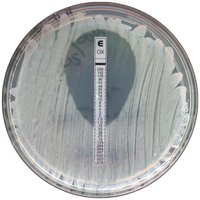
Laboratory tests determine the susceptibility of pathogens to drugs.
Diffusion susceptibility test: Measures zone of inhibition around drug-impregnated disks.
Minimum inhibitory concentration (MIC) test: Determines the lowest concentration that inhibits growth.
Minimum bactericidal concentration (MBC) test: Determines the lowest concentration that kills the organism.
Routes of Administration
Drugs can be administered topically, orally, intramuscularly, or intravenously. The route affects drug distribution and efficacy.
Topical: For external infections.
Oral: Convenient, but absorption may be variable.
Intramuscular (IM): Delivers drug into muscle tissue.
Intravenous (IV): Directly into bloodstream for rapid effect.
Safety and Side Effects
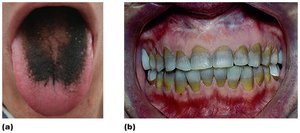
Antimicrobials can cause toxicity, allergic reactions, and disruption of normal microbiota.
Toxicity: May affect kidneys, liver, or nerves; therapeutic index measures safety margin.
Allergies: Rare but potentially life-threatening (e.g., anaphylactic shock).
Disruption of normal microbiota: Can lead to secondary infections or superinfections, especially in hospitalized patients.
Resistance to Antimicrobial Drugs
Development of Resistance
Microbial resistance arises through genetic mutations or acquisition of resistance genes (R plasmids) via transformation, transduction, or conjugation. Resistant strains proliferate when sensitive cells are eliminated by drug exposure.
Mechanisms of Resistance
Bacteria employ several strategies to resist antimicrobials:
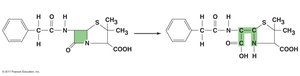
Enzymatic destruction or deactivation of the drug (e.g., beta-lactamase hydrolyzing penicillin)
Prevention of drug entry into the cell
Alteration of drug targets
Modification of metabolic pathways
Efflux pumps expelling the drug
Biofilm formation
Production of protective proteins (e.g., MfpA in Mycobacterium tuberculosis)
Multiple Resistance and Cross Resistance
Pathogens may acquire resistance to multiple drugs, especially in healthcare settings where antibiotics are heavily used. Cross-resistance occurs when resistance to one drug confers resistance to similar drugs.
Multiple-drug-resistant pathogens: Resistant to at least three antimicrobial agents.
Cross resistance: Resistance to drugs with similar structures or mechanisms.
Retarding Resistance
Strategies to slow the development of resistance include:
Maintaining high drug concentrations to eliminate pathogens
Using drug combinations (synergism)
Limiting antimicrobial use to necessary cases
Developing new drugs and modifying existing ones (second- and third-generation drugs)
Searching for new antibiotics and designing drugs targeting unique microbial proteins
