 뒤로
Controlling Microbial Growth in the Environment: Physical and Chemical Methods
스터디 가이드 - 스마트 노트
 자료에 맞춘 맞춤형 노트, 핵심 정의, 예시, 맥락을 확장해 제공합니다.
Controlling Microbial Growth in the Environment
Physical Methods of Microbial Control
Physical methods are used to reduce or eliminate microbial populations in various environments. These methods are essential for preventing infection, preserving food, and maintaining sterile conditions in laboratories and healthcare settings.
Radiation: Utilizes energy waves to destroy or inhibit microbes.
Heat: Includes moist and dry heat for sterilization and disinfection.
Filtration: Removes microbes from air and liquids.
Other methods: Refrigeration, freezing, osmotic pressure, and desiccation.
Ionizing Radiation
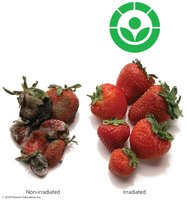
Ionizing radiation includes electron beams, gamma rays, and some X rays, all with wavelengths shorter than 1 nm. This form of radiation ejects electrons from atoms, creating ions that disrupt hydrogen bonding, oxidize double covalent bonds, and generate hydroxyl radicals. These ions denature molecules such as DNA, leading to microbial death.
Electron beams: Effective at killing microbes but have poor penetration.
Gamma rays: Penetrate well but require hours to kill microbes.
X rays: Require long exposure times and are not practical for microbial control.
Example: Ionizing radiation is used to increase the shelf life of food by killing spoilage organisms.
Nonionizing Radiation
Nonionizing radiation, such as ultraviolet (UV) light, has wavelengths greater than 1 nm. It excites electrons, causing the formation of new covalent bonds and affecting the three-dimensional structure of proteins and nucleic acids. UV light induces pyrimidine dimers in DNA, which can inhibit replication and transcription.
UV light: Does not penetrate well; suitable for disinfecting air, transparent fluids, and surfaces.
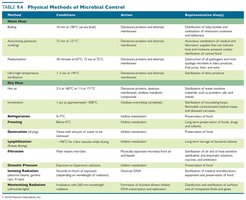
Summary Table: Physical Methods of Microbial Control
The following table summarizes various physical methods, their conditions, actions, and representative uses.
Chemical Methods of Microbial Control
Chemical agents are used to control microbial growth by affecting cell walls, membranes, proteins, or DNA. Their effectiveness varies with environmental conditions and microbial type.
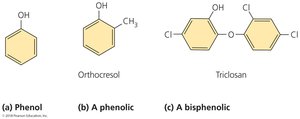
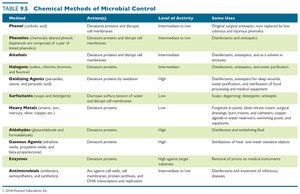
Phenol and Phenolics: Denature proteins and disrupt cell membranes. Effective in the presence of organic matter and remain active for prolonged periods. Commonly used in healthcare, laboratories, and homes, but have a disagreeable odor and possible side effects.
Alcohols: Intermediate-level disinfectants that denature proteins and disrupt cytoplasmic membranes. More effective than soap for hand hygiene and used for skin preparation before injections.
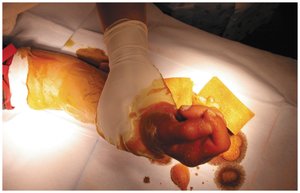
Halogens: Intermediate-level antimicrobial chemicals that damage enzymes by denaturation. Widely used in water treatment, disinfection, and antisepsis (e.g., iodine tablets, bleach, chloramines).
Oxidizing Agents: Includes peroxides, ozone, and peracetic acid. These agents kill microbes by oxidizing their enzymes. Hydrogen peroxide is used for surface disinfection, ozone for water treatment, and peracetic acid for sterilizing equipment.
Surfactants: Surface-active chemicals such as soaps and detergents. Soaps are good degerming agents but not antimicrobial, while detergents (quats) are low-level disinfectants that disrupt cellular membranes.
Heavy Metals: Heavy-metal ions denature proteins and act as low-level bacteriostatic and fungistatic agents. Examples include silver nitrate for preventing blindness, thimerosal for vaccine preservation, and copper for controlling algal growth.
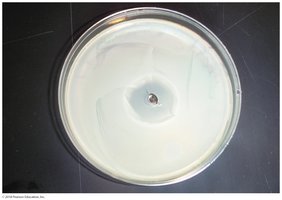
Aldehydes: Compounds with terminal —CHO groups that cross-link functional groups to denature proteins and inactivate nucleic acids. Glutaraldehyde and formalin are used for disinfection and sterilization.
Gaseous Agents: Microbicidal and sporicidal gases used in closed chambers to sterilize items. They denature proteins and DNA but can be hazardous, explosive, and carcinogenic.
Enzymes: Antimicrobial enzymes such as lysozyme digest peptidoglycan in bacterial cell walls. Used in food production and medical instrument cleaning.
Antimicrobial Drugs: Includes antibiotics and synthetic chemicals, primarily used for disease treatment but sometimes for environmental microbial control.
Summary Table: Chemical Methods of Microbial Control
The following table summarizes chemical methods, their actions, level of activity, and uses.
Methods for Evaluating Disinfectants and Antiseptics
Several methods are used to assess the efficacy of disinfectants and antiseptics:
Phenol Coefficient: Compares an agent’s effectiveness to phenol. A coefficient greater than 1.0 indicates higher efficacy.
Use-Dilution Test: Metal cylinders are contaminated with bacteria, immersed in disinfectant, then placed in growth medium. The most effective agents prevent growth at the highest dilution.
Kelsey-Sykes Capacity Test: Bacterial suspensions are exposed to the chemical, and samples are incubated to determine the minimum effective time.
In-Use Test: Swabs are taken before and after disinfectant application, inoculated into growth medium, and monitored for microbial growth.
Development of Resistant Microbes
Overuse of antiseptic and disinfectant products can promote the development of resistant microbes. There is little evidence that these products significantly improve human or animal health, emphasizing the importance of prudent use.
Tell Me Why: Protein Denaturation and Cell Death
Many chemical disinfectants and antiseptics act by denaturing proteins. Denaturation disrupts the three-dimensional structure of proteins, rendering them nonfunctional. Since proteins are essential for cellular processes, their loss of function leads to cell death.
