 뒤로
Fundamentals of Microbial Growth and Decontamination
스터디 가이드 - 스마트 노트
 자료에 맞춘 맞춤형 노트, 핵심 정의, 예시, 맥락을 확장해 제공합니다.
Fundamentals of Microbial Growth and Decontamination
Microbial Growth: Concepts and Mechanisms
Microbial growth refers to the increase in the number of cells in a population, primarily through cell division. Understanding microbial growth is essential for microbiology, as it underpins laboratory culture, infection progression, and microbial control strategies.
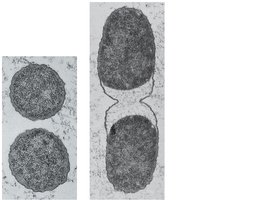
Cell Division: Most bacteria divide by binary fission, an asexual process resulting in two genetically identical daughter cells.
Other Division Methods: Some bacteria and fungi use budding or spore formation for reproduction.
Biofilms: In nature, microbes often exist in complex, surface-attached communities called biofilms, which are highly resistant to treatment and contribute to persistent infections.
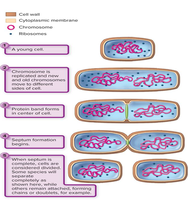
Generation Time and Exponential Growth
The generation time is the time required for a microbial cell to divide. This varies by species and environmental conditions, ranging from minutes to hours.
Exponential Growth: During binary fission, populations double at a constant rate, leading to exponential increases in cell numbers.
Calculation:
Examples: Escherichia coli has a generation time of about 20 minutes under optimal conditions, while Mycobacterium tuberculosis divides every 15–20 hours.
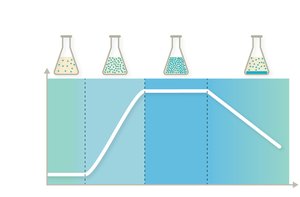
Growth Phases in Closed Batch Culture
When bacteria are cultured in a closed system, they exhibit four distinct growth phases:
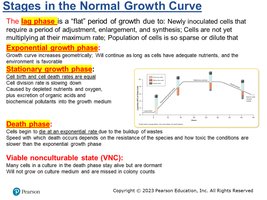
Lag Phase: Cells adapt to their environment; no immediate increase in cell number.
Log (Exponential) Phase: Rapid cell division and population growth.
Stationary Phase: Nutrient depletion and waste accumulation slow growth; cell division rate equals death rate.
Death Phase: Cells die at an exponential rate due to harsh conditions.
Environmental Factors Affecting Microbial Growth
Microbes adapt to a variety of environmental conditions, including temperature, pH, salinity, and oxygen availability.
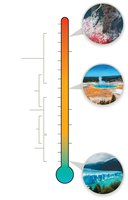
Temperature
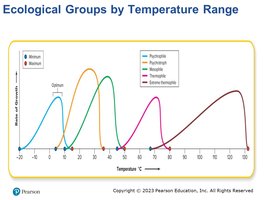
Minimum, Optimum, Maximum: Each microbe has a specific temperature range for growth.
Classification:
Psychrophiles: –20°C to 10°C
Psychrotrophs: 0°C to 30°C
Mesophiles: 10°C to 50°C (includes most pathogens)
Thermophiles: 40°C to 75°C
Extreme Thermophiles: 65°C to 120°C
pH
Acidophiles: Grow at pH 1–5
Neutralophiles: Grow at pH 5–8 (most microbes)
Alkaliphiles: Grow at pH 9–11
Salinity
Halophiles: Thrive in high-salt environments (up to 35%)
Facultative Halophiles: Tolerate higher salt but do not require it
Oxygen Requirements
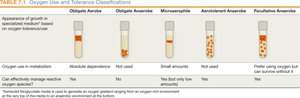
Microbes are classified by their oxygen requirements and tolerance:
Type | Oxygen Use | Growth Pattern |
|---|---|---|
Obligate Aerobe | Requires O2 | Top of tube |
Obligate Anaerobe | Cannot use O2 | Bottom of tube |
Facultative Anaerobe | With or without O2 | Throughout, more at top |
Microaerophile | Low O2 | Just below surface |
Aerotolerant Anaerobe | Does not use O2, tolerates it | Evenly throughout |
Nutritional Requirements and Energy Sources
Microbes require essential nutrients, growth factors, and energy sources for survival and growth.
Macronutrients: Needed in large amounts (e.g., carbon, nitrogen, oxygen, hydrogen)
Micronutrients: Needed in trace amounts (e.g., iron, zinc)
Growth Factors: Organic molecules a microbe cannot synthesize and must obtain from the environment (e.g., vitamins, amino acids)
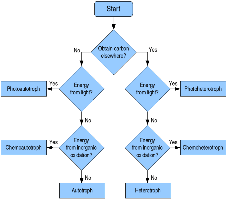
Microbes are classified by their carbon and energy sources:
Autotrophs: Use inorganic CO2 as a carbon source
Heterotrophs: Require organic carbon
Phototrophs: Use light for energy
Chemotrophs: Use chemical compounds for energy
Microbial Culture Media and Isolation Techniques
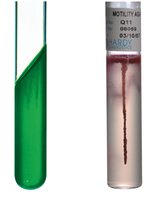
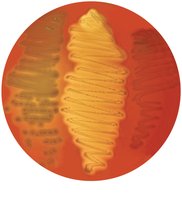
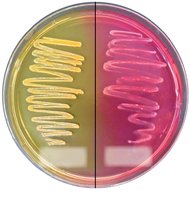
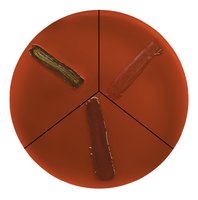
Microbes are grown in various types of media, classified by physical state, chemical composition, and function.
Physical State: Liquid (broth), solid (agar plates), semisolid (motility testing)
Chemical Composition: Defined (precisely known) or complex (not fully defined, e.g., blood agar)
Function: Selective (favors certain microbes), differential (distinguishes between microbes), or both
Enumeration of Microbial Populations
Microbial populations can be counted using direct or indirect methods:
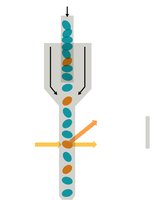
Direct Methods: Manual cell counts (hemocytometer), automated counters (Coulter counter, flow cytometer), viable plate counts
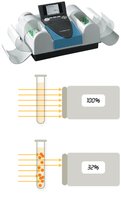
Indirect Methods: Turbidity (spectrophotometry), dry weight, metabolic activity
Control of Microbial Growth: Physical and Chemical Methods
Microbial control is essential in healthcare, industry, and daily life. Methods are classified as physical or chemical.
Physical Methods
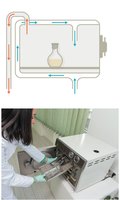
Temperature: Refrigeration, freezing, boiling, autoclaving, pasteurization, dry heat
Radiation: Ionizing (gamma rays, X-rays) and nonionizing (UV light)
Filtration: HEPA filters for air, membrane filters for liquids
Chemical Methods (Germicides)
Alcohols: Denature proteins, disrupt membranes (e.g., ethanol, isopropanol)
Aldehydes: React with proteins and nucleic acids (e.g., formaldehyde, glutaraldehyde)
Phenols: Disrupt cell walls and proteins (e.g., Lysol)
Halogens: Oxidize cell components (e.g., chlorine, iodine)
Peroxygens: Strong oxidizers (e.g., hydrogen peroxide)
Ethylene Oxide: Sterilant gas for heat-sensitive materials
Detergents: Disrupt membranes (anionic and cationic types)
Microbial Resistance to Control Agents
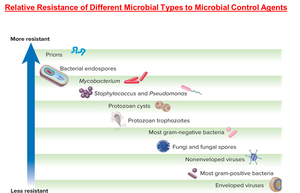
Different microbes exhibit varying resistance to control methods. Prions and bacterial endospores are among the most resistant, while enveloped viruses are the least resistant.
Key Definitions
Sterilization: Destruction of all living organisms and viruses
Disinfection: Elimination of most microorganisms (not endospores) from inanimate objects
Antiseptic: Agent safe for use on living tissue to kill or inhibit microbes
Sanitizer: Reduces microbial numbers to safe levels
Antibiotic: Metabolic product that inhibits or kills other microorganisms
Cidal: Kills microorganisms
Static: Inhibits growth of microorganisms
Summary Table: Microbial Growth and Control
Method | Purpose | Example |
|---|---|---|
Autoclaving | Sterilization | Lab media, surgical tools |
Boiling | Disinfection | Drinking water |
Alcohols | Disinfection/Antisepsis | Thermometers, skin prep |
HEPA Filtration | Air purification | Hospital rooms |
Additional info: This guide covers the core concepts of microbial growth, environmental adaptation, nutritional requirements, laboratory culture, enumeration, and decontamination strategies, as outlined in a typical college-level microbiology curriculum.
