뒤로
Host–Microbe Interactions and Pathogenesis: Microbiology Study Guide
스터디 가이드 - 스마트 노트
 자료에 맞춘 맞춤형 노트, 핵심 정의, 예시, 맥락을 확장해 제공합니다.
Host–Microbe Interactions and Pathogenesis
Overview of Host–Microbe Interactions
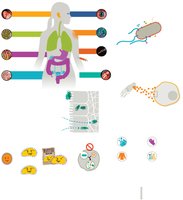
Host–microbe interactions are complex and not always harmful. The human body is colonized by normal microbiota, which inhabit the skin, digestive, genital, urinary, and respiratory systems. These interactions can be mutualistic, commensal, or pathogenic, depending on the context and host factors.
Normal microbiota provide benefits such as vitamin synthesis, competition with pathogens, and immune system maturation.
Mutualism describes a relationship where both host and microbe benefit.
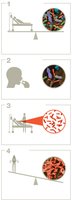
Dysbiosis is a disruption of the normal microbiota balance, often caused by antibiotics, leading to opportunistic infections (e.g., Clostridioides difficile).
Pathogens are microbes that cause disease and possess adaptations for interacting with host tissues.
Host factors (age, immune status, etc.) can turn harmless microbiota into pathogens (e.g., Group B Streptococci in newborns).
Tropism and Pathogenicity
Tropism refers to a pathogen's preference for specific hosts or tissues. Pathogenicity is the ability to cause disease, while virulence describes the degree of disease caused. Virulence factors are mechanisms that help pathogens overcome host defenses.
Tropism can change over time, especially in emerging pathogens.
Host factors influence whether infection leads to disease.
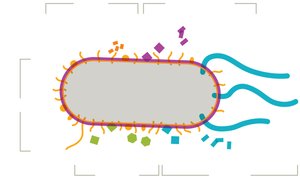
Virulence factors include adhesion molecules, toxins, and immune evasion strategies.
Dosage and Toxin Exposure
The outcome of infection depends on the infectious dose and toxin exposure. Two important measures are:
Infectious dose-50 (ID50): Number of cells or virions needed to infect 50% of exposed hosts.
Lethal dose-50 (LD50): Amount of toxin needed to kill 50% of affected hosts.
These values vary by species, immune fitness, and route of exposure.
Toxins: Endotoxins and Exotoxins
Toxins are major virulence factors. They are classified as endotoxins or exotoxins:
Endotoxins: Lipid A component of lipopolysaccharide (LPS) in Gram-negative bacteria. Released when bacteria die, causing fever, inflammation, and potentially septic shock.
Exotoxins: Soluble proteins produced by both Gram-positive and Gram-negative bacteria. Classified by their mode of action (membrane-acting, membrane-damaging, intracellular).
Five Steps to Infection
Pathogens must complete five steps to establish infection:
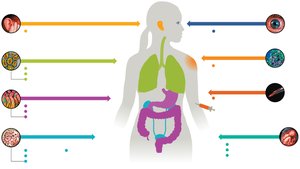
Entry: Pathogen enters the host via portals such as mucous membranes, skin, respiratory, GI, urogenital, or transplacental routes.
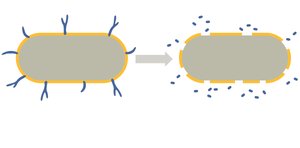
Adhesion: Pathogen adheres to host tissues using adhesins (cell wall components, capsules, fimbriae, pili).
Invasion: Pathogen invades tissues and obtains nutrients, often using invasins and motility.
Evasion: Pathogen evades host immune defenses through mechanisms like antigenic variation, latency, and immune suppression.
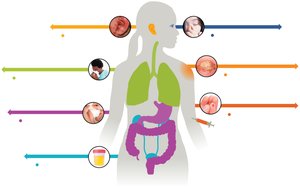
Transmission: Pathogen exits the host and is transmitted to new hosts via portals of exit (feces, urine, blood, saliva, etc.).
Adhesion and Biofilms
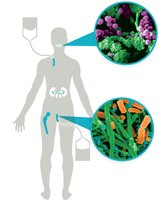
Adhesion is critical for infection. Pathogens use adhesins to stick to host cells. Biofilms are communities of microbes that adhere to surfaces and are resistant to immune responses and antibiotics.
Biofilms form on medical devices, kidney stones, and other surfaces.
Quorum sensing allows bacteria to coordinate activities within biofilms.
Invasion and Nutrient Acquisition
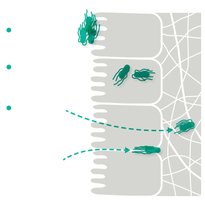
After adhesion, pathogens invade tissues and obtain nutrients. They may remain on the surface, invade deeper tissues, or reside intracellularly. Siderophores and extracellular enzymes help pathogens acquire iron and other nutrients.
Siderophores: Molecules that bind and transport iron.
Extracellular enzymes: Lipases, proteases, etc., break down host nutrients.
Cytopathic Effects
Pathogens cause cytopathic effects, which may be cytocidal (cell-killing) or noncytocidal (cell-damaging). The immune response can also cause tissue damage.
Bacterial cytopathic effects: invasion, toxin release, nutrient exploitation.
Viral cytopathic effects: disruption of cell function, cell lysis, transformation to cancer cells.
Immune Evasion Strategies
Pathogens use various strategies to evade the immune system:
Intracellular lifestyle: Pathogens hide inside host cells.
Latency: Pathogens remain dormant within the host.
Antigenic masking, mimicry, and variation: Pathogens alter or conceal their antigens to avoid detection.
Immune suppression: Pathogens interfere with immune cell function, antibody production, and signaling.

Transmission and Portals of Exit
Transmission is facilitated by symptoms such as sneezing, coughing, and diarrhea. Pathogens exit the host through specific portals, often the same as their entry points.
Portals of exit: feces, urine, blood, saliva, mucus, semen, wound drainage.
Reservoirs and Biosafety Levels
Pathogens are maintained in reservoirs, which may be environmental niches, organisms, or fomites. Biosafety levels (BSL) dictate safety practices in healthcare and laboratory settings.
BSL-1: Minimal risk, well-characterized agents.
BSL-2: Moderate risk, infectious agents not airborne.
BSL-3: High risk, serious or lethal diseases, often airborne.
BSL-4: Highest risk, dangerous and exotic pathogens with no treatments.
Infection Control Practices
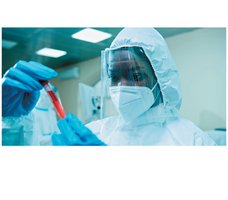
Infection control practices protect healthcare workers and patients. Standard precautions apply to all patients, while transmission precautions are used for specific infectious agents.
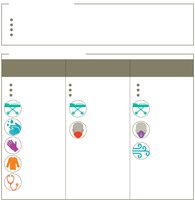
Standard precautions: Hand hygiene, gloves, barrier clothing, disinfection.
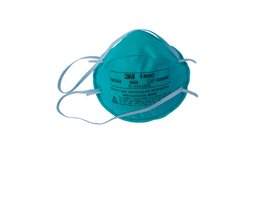
Transmission precautions: Contact, droplet, and airborne precautions.
Visual Summary
The five steps to infection, virulence factors, biosafety levels, and infection control practices are visually summarized for quick review.