뒤로

MBY161 Microbiology Study Guide: Core Concepts and Course Structure

학습 가이드 - 영상으로 배우기

업로드한 자료에 맞춘 엄선된 수업 – 모든 주제를 단계별로 배워보세요.

Introduction to Microbiology

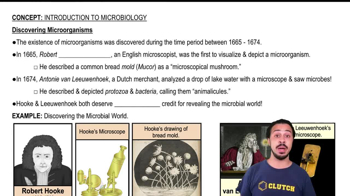
  • Discovering Microorganisms
    03:36
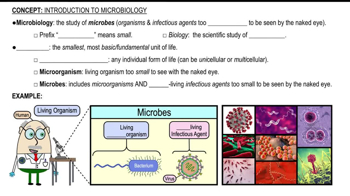
  • Introduction to Microbiology
    07:27
  • Introduction to Microbiology Channel
    1:29

Members of the Bacterial World

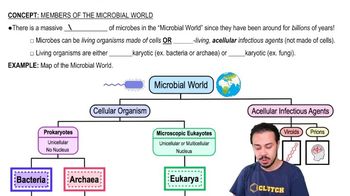
  • Members of the Bacterial World
    06:17

Scientific Naming of Organisms

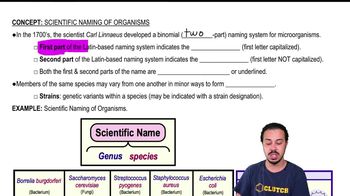
  • Scientific Naming of Organisms
    05:22

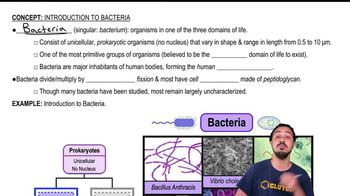
Introduction to Bacteria

  • Introduction to Bacteria
    06:18

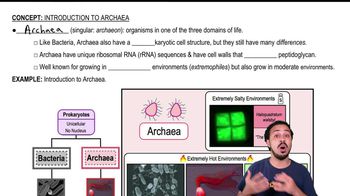
Introduction to Archaea

  • Introduction to Archaea
    04:39

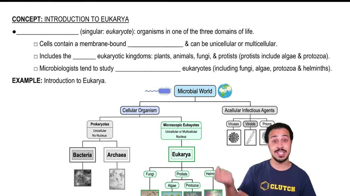
Introduction to Eukarya

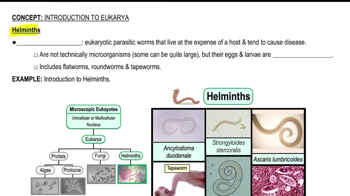
  • Helminths
    01:27
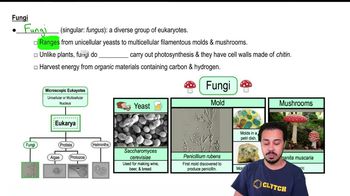
  • Fungi
    02:49
  • Introduction to Eukarya
    03:28

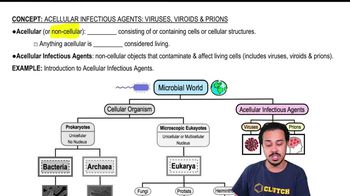
Acellular Infectious Agents: Viruses, Viroids & Prions

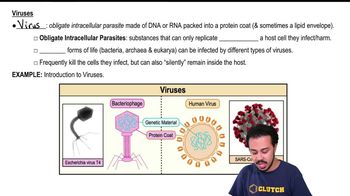
  • Viruses
    03:22
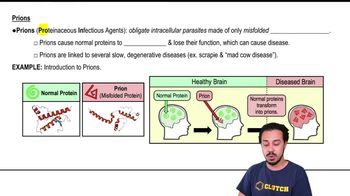
  • Prions
    02:48
  • Acellular Infectious Agents: Viruses, Viroids & Prions
    02:54

Introduction to Spontaneous Generation

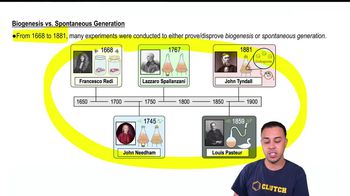
  • Biogenesis vs. Spontaneous Generation
    02:05
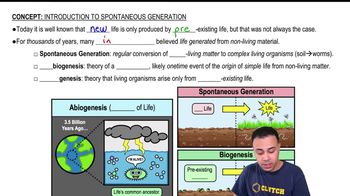
  • Introduction to Spontaneous Generation
    05:59

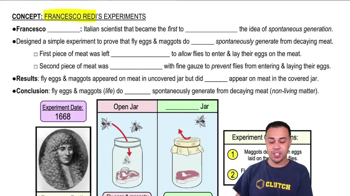
Francesco Redi's Experiments

  • Francesco Redi's Experiments
    05:16

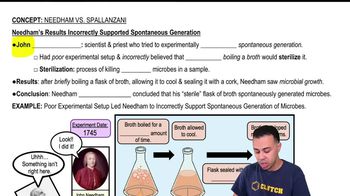
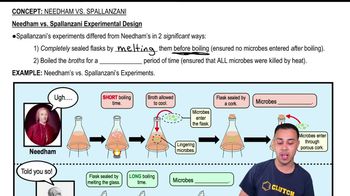
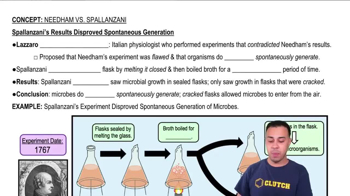
Needham vs. Spallanzani

  • Needham vs. Spallanzani
    05:56
  • Needham vs. Spallanzani Experimental Design
    05:34
  • Spallanzani’s Results Disproved Spontaneous Generation
    07:22

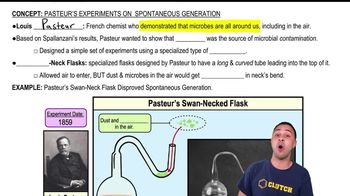
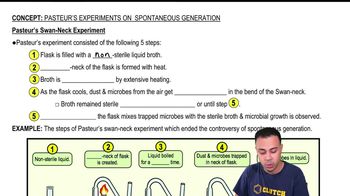
Pasteur's Experiments on Spontaneous Generation

  • Pasteur's Experiments on Spontaneous Generation
    03:50
  • Pasteur’s Swan-Neck Experiment
    05:58

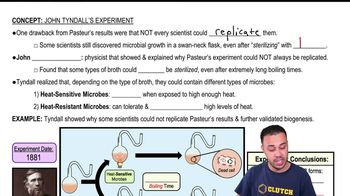
John Tyndall's Experiment

  • John Tyndall's Experiment
    05:48

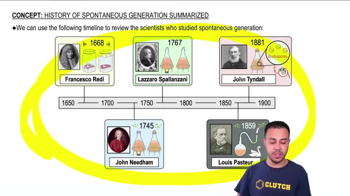
History of Spontaneous Generation Summarized

  • History of Spontaneous Generation Summarized
    03:56

Importance of Microorganisms

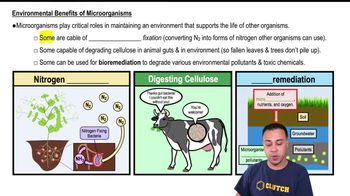
  • Environmental Benefits of Microorganisms
    04:27
  • Importance of Microorganisms
    01:25
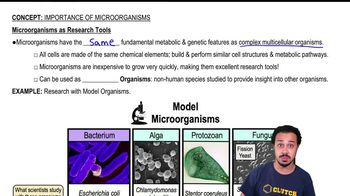
  • Microorganisms as Research Tools
    03:48

Introduction to Microscopes

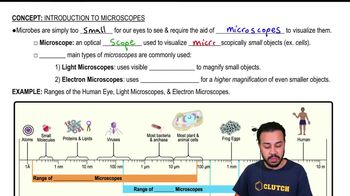
  • Introduction to Microscopes
    06:13

Magnification, Resolution, & Contrast

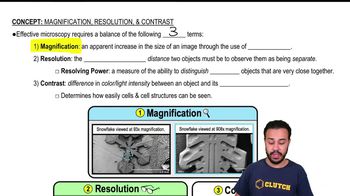
  • Magnification, Resolution, & Contrast
    07:29

Introduction to Light Microscopy

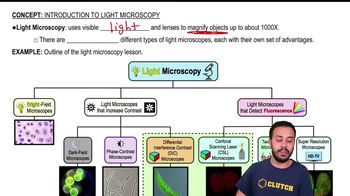
  • Introduction to Light Microscopy
    02:53

Light Microscopy: Bright-Field Microscopes

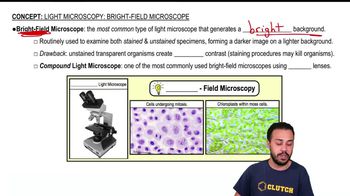
  • Light Microscopy: Bright-Field Microscopes
    03:46
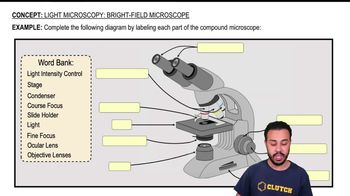
  • Light Microscopy: Bright-Field Microscopes Example 1
    03:41
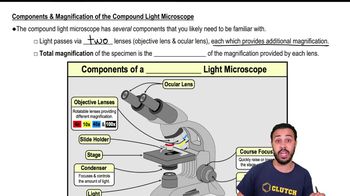
  • Components & Magnification of the Compound Light Microscope
    06:15

Light Microscopes that Increase Contrast

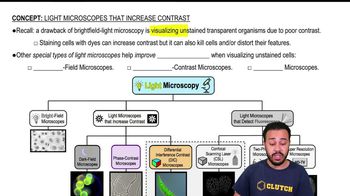
  • Light Microscopes that Increase Contrast
    02:39
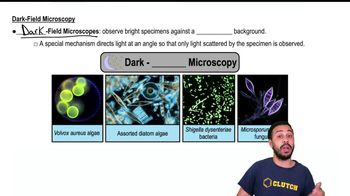
  • Dark-Field Microscopy
    01:52
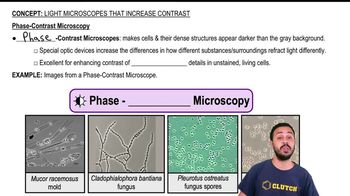
  • Phase-Contrast Microscopy
    03:27

Light Microscopes that Detect Fluorescence

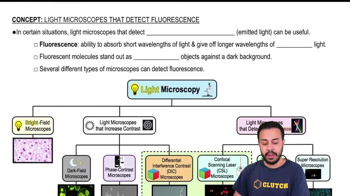
  • Light Microscopes that Detect Fluorescence
    01:46
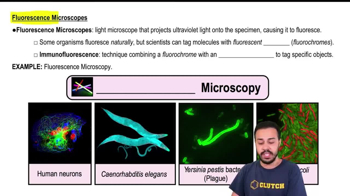
  • Fluorescence Microscopes
    02:54
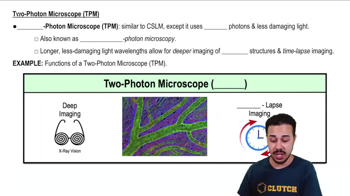
  • Two-Photon Microscope (TPM)
    02:01

Electron Microscopes

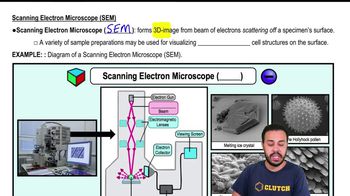
  • Scanning Electron Microscope (SEM)
    02:42
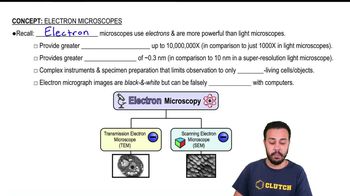
  • Electron Microscopes
    03:08
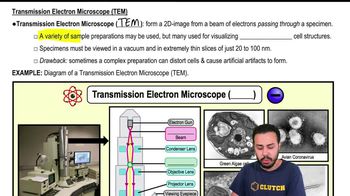
  • Transmission Electron Microscope (TEM)
    04:23

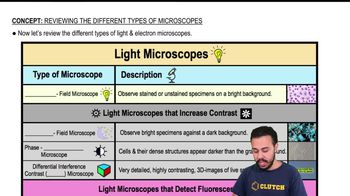
Reviewing the Different Types of Microscopes

  • Reviewing the Different Types of Microscopes
    05:32

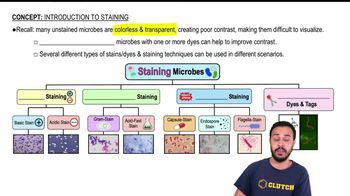
Introduction to Staining

  • Introduction to Staining
    02:10

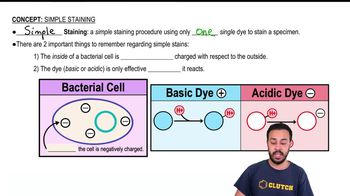
Simple Staining

  • Simple Staining
    03:23
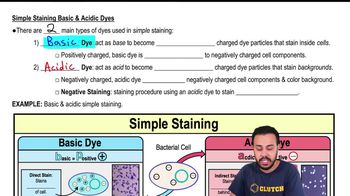
  • Simple Staining Basic & Acidic Dyes
    05:30

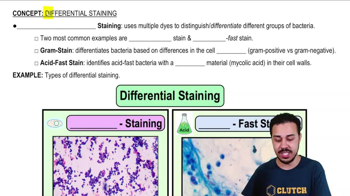
Differential Staining

  • Differential Staining
    04:07

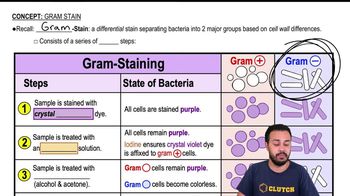
Gram Stain

  • Gram Stain
    04:57

Other Types of Staining

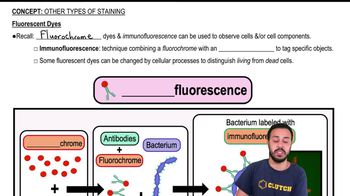
  • Fluorescent Dyes
    02:59
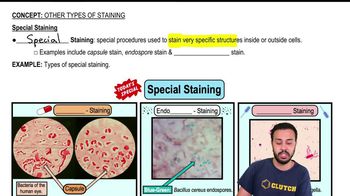
  • Special Staining
    02:56

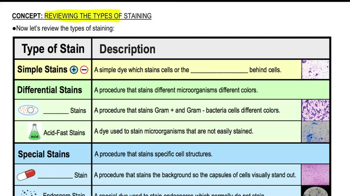
Reviewing the Types of Staining

  • Reviewing the Types of Staining
    04:11

Prokaryotic & Eukaryotic Cells

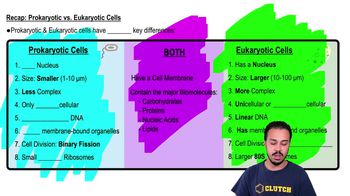
  • Recap:Prokaryotic vs. Eukaryotic Cells
    04:26
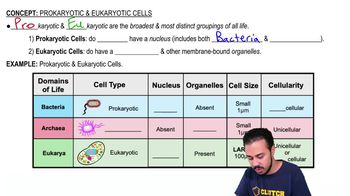
  • Prokaryotic & Eukaryotic Cells
    05:54
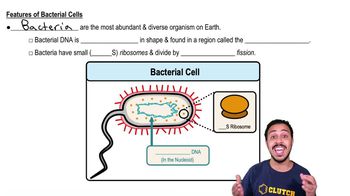
  • Features of Bacterial Cells
    03:54

Bacterial & Eukaryotic Cell Membranes

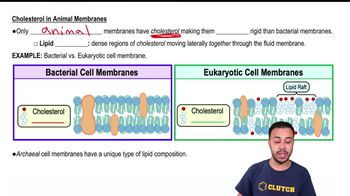
  • Cholesterol in Animal Membranes
    02:38
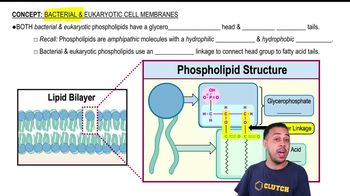
  • Bacterial & Eukaryotic Cell Membranes
    03:58

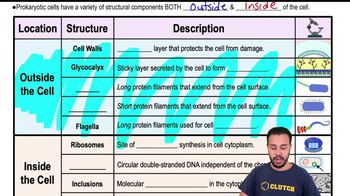
Overview of Prokaryotic Cell Structure

  • Overview of Prokaryotic Cell Structure
    05:59

Bacterial Cell Morphology & Arrangements

  • Types of Bacterial Cell Morphology
    02:44
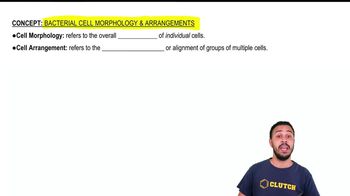
  • Bacterial Cell Morphology & Arrangements
    01:13
  • Bacilli Bacterial Cell Arrangements
    03:56

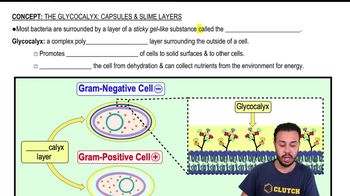
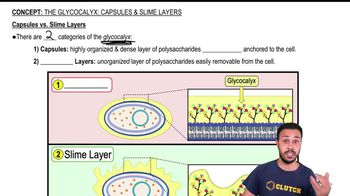
The Glycocalyx: Capsules & Slime Layers

  • The Glycocalyx: Capsules & Slime Layers
    02:26
  • Capsules vs. Slime Layers
    01:53

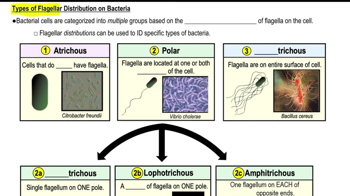
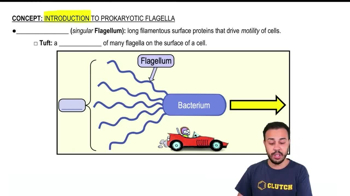
Introduction to Prokaryotic Flagella

  • Types of Flagellar Distribution on Bacteria
    05:22
  • Introduction to Prokaryotic Flagella
    02:07

Prokaryotic Flagellar Structure

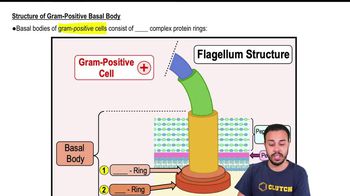
  • Structure of Gram-Positive Basal Body
    02:28
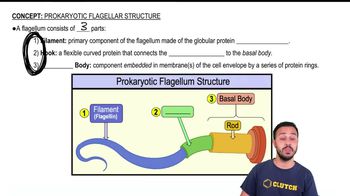
  • Prokaryotic Flagellar Structure
    02:53
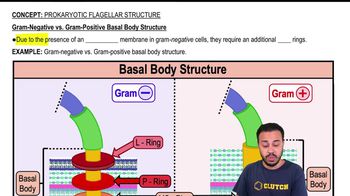
  • Gram-Negative vs. Gram-Positive Basal Body Structure
    01:59

Prokaryotic Flagellar Movement

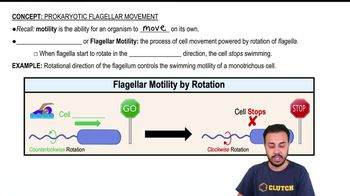
  • Prokaryotic Flagellar Movement
    02:43
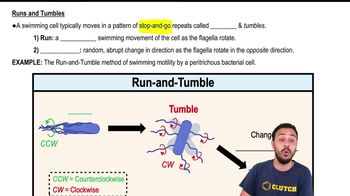
  • Runs and Tumbles
    03:17

Fimbriae & Hami

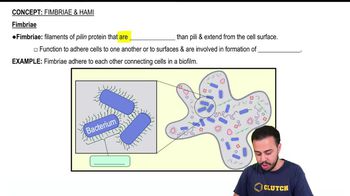
  • Fimbriae & Hami
    01:52
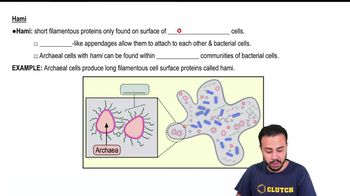
  • Hami
    01:51

Pili

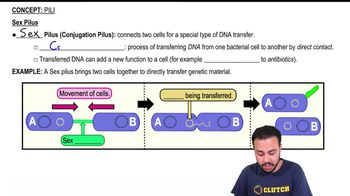
  • Sex Pilus
    03:29
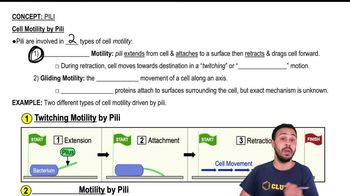
  • Cell Motility by Pili
    02:59
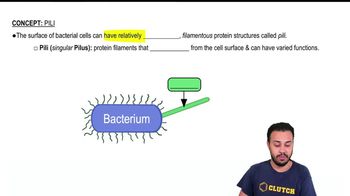
  • Pili
    01:02

Chemotaxis

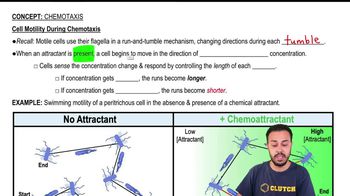
  • Cell Motility During Chemotaxis
    05:11
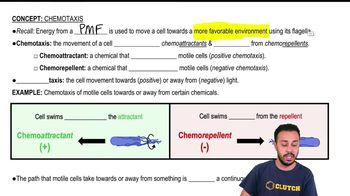
  • Chemotaxis
    03:21

Introduction to Bacterial Cell Walls

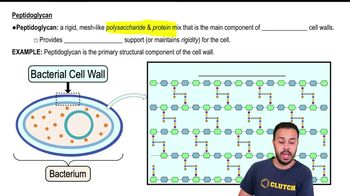
  • Peptidoglycan
    01:58
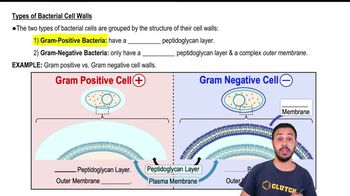
  • Types of Bacterial Cell Walls
    02:44
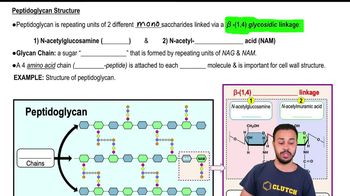
  • Peptidoglycan Structure
    04:44

Gram-Positive Cell Walls

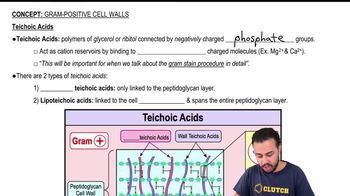
  • Teichoic Acids
    03:58
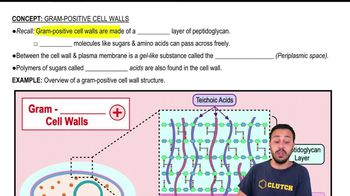
  • Gram-Positive Cell Walls
    02:59

Gram-Negative Cell Walls

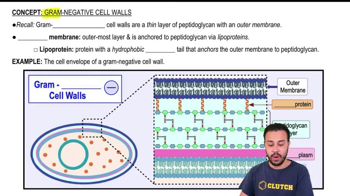
  • Gram-Negative Cell Walls
    3:04
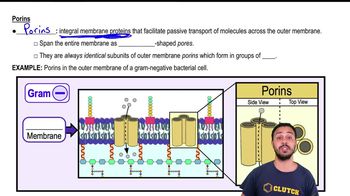
  • Porins
    02:18
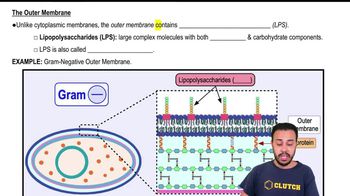
  • The Outer Membrane
    02:15

Gram-Positive vs. Gram-Negative Cell Walls

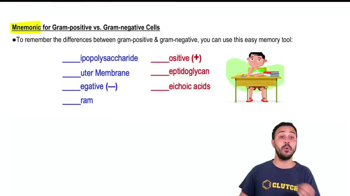
  • Mnemonic for Gram-Positive vs. Gram-Negative Cell Walls
    01:41
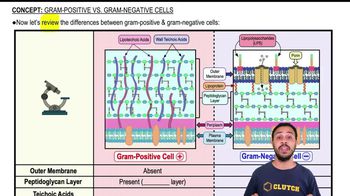
  • Gram-Positive vs. Gram-Negative Cell Walls
    04:46

Review of Prokaryotic Surface Structures

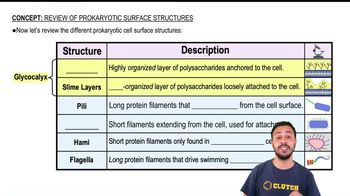
  • Review of Prokaryotic Surface Structures
    03:52
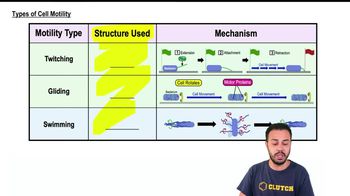
  • Types of Cell Motility
    02:13

Archaeal Cell Membranes

  • Archaeal Cell Membranes
    03:59
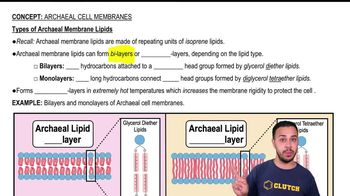
  • Types of Archaeal Membrane Lipids
    04:59

Introduction to Eukaryotic Organelles

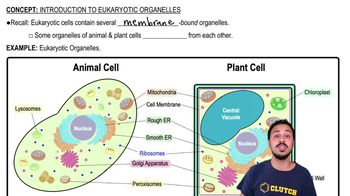
  • Introduction to Eukaryotic Organelles
    03:45
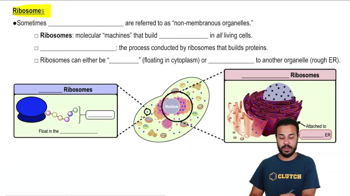
  • Eukaryotic Ribosomes
    05:51
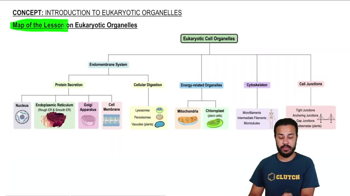
  • Map of the Lesson on Eukaryotic Organelles
    02:04

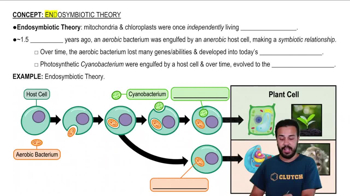
Endosymbiotic Theory

  • Endosymbiotic Theory
    07:29

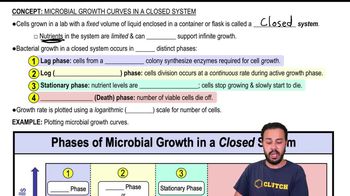
Microbial Growth Curves in a Closed System

  • Microbial Growth Curves in a Closed System
    08:59
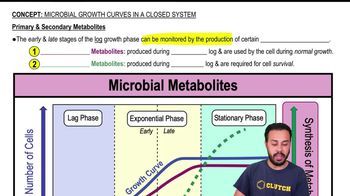
  • Primary & Secondary Metabolites
    02:33

Introduction to Cultivating Microbial Growth

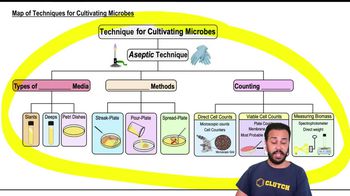
  • Map of Techniques for Cultivating Microbes
    02:05
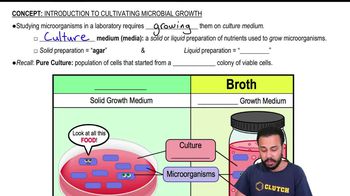
  • Introduction to Cultivating Microbial Growth
    03:49

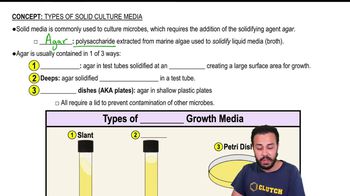
Types of Solid Culture Media

  • Types of Solid Culture Media
    03:16

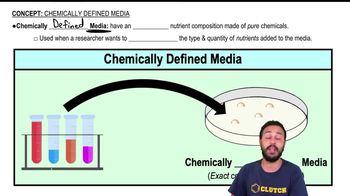
Chemically Defined Media

  • Chemically Defined Media
    01:53

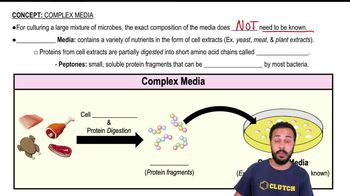
Complex Media

  • Complex Media
    02:59

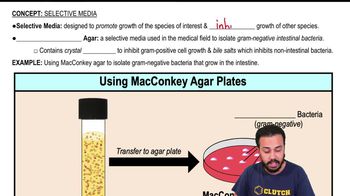
Selective Media

  • Selective Media
    03:27

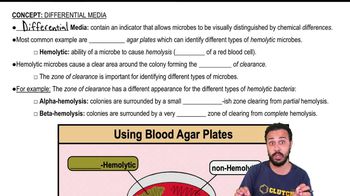
Differential Media

  • Differential Media
    04:34

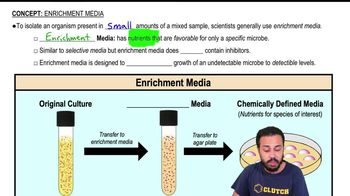
Enrichment Media

  • Enrichment Media
    04:20

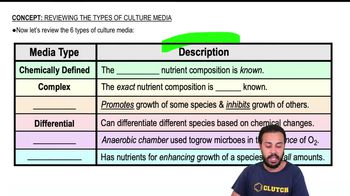
Reviewing the Types of Culture Media

  • Reviewing the Types of Culture Media
    02:55

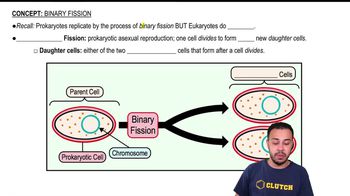
Binary Fission

  • Binary Fission
    02:16
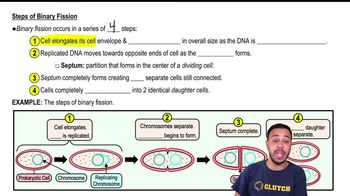
  • Steps of Binary Fission
    04:57

Introduction to Controlling Microbial Growth

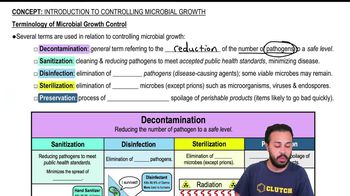
  • Terminology of Microbial Growth Control
    07:36
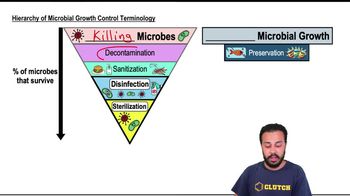
  • Hierarchy of Microbial Growth Control Terminology
    03:09
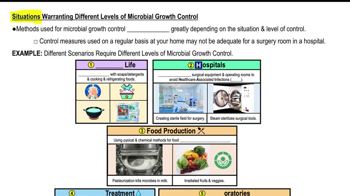
  • Situations Warranting Different Levels of Microbial Growth Control
    05:58

Physical Methods to Control Microbial Growth

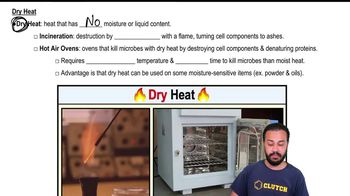
  • Dry Heat
    02:58
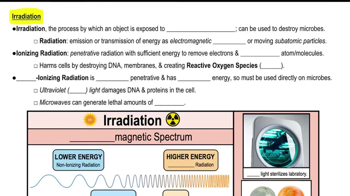
  • Irradiation
    06:18
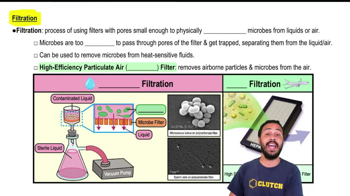
  • Filtration
    04:29

Chemical Methods to Control Microbial Growth

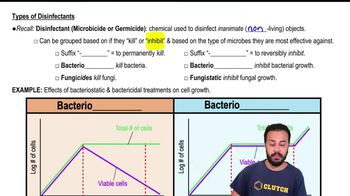
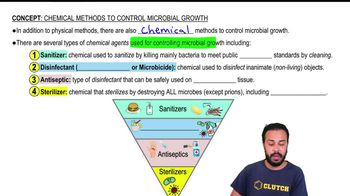
  • Types of Disinfectants
    05:21
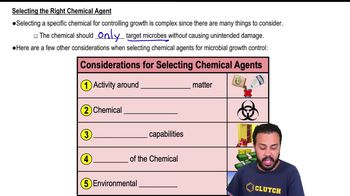
  • Selecting the Right Chemical Agent
    04:52
  • Chemical Methods to Control Microbial Growth
    03:58

Chemicals Used to Control Microbial Growth

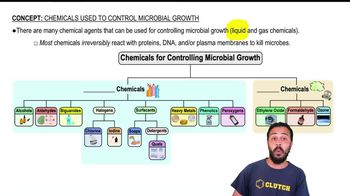
  • Chemicals Used to Control Microbial Growth
    02:29
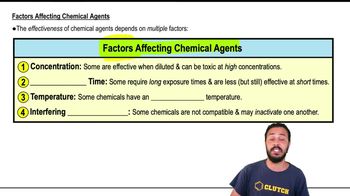
  • Factors Affecting Chemical Agents
    03:17

Liquid Chemicals: Alcohols, Aldehydes, & Biguanides

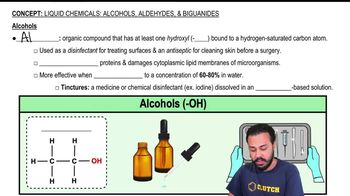
  • Alcohols
    03:39
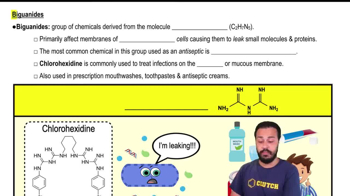
  • Biguanides
    02:41
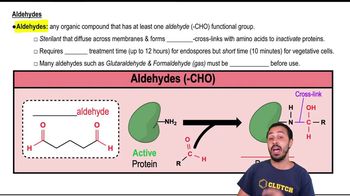
  • Aldehydes
    03:59

Liquid Chemicals: Halogens

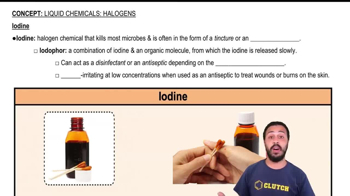
  • Iodine
    02:15
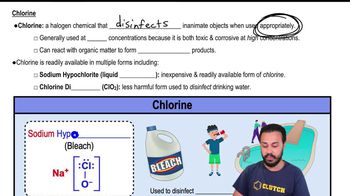
  • Chlorine
    03:16
  • Liquid Chemicals: Halogens
    00:56

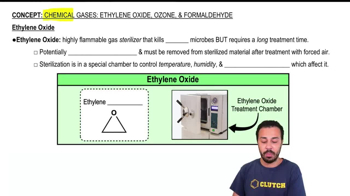
Chemical Gases: Ethylene Oxide, Ozone, & Formaldehyde

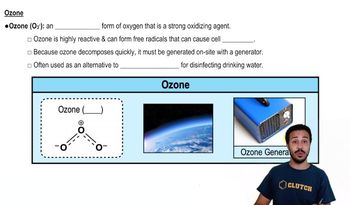
  • Ozone
    02:36
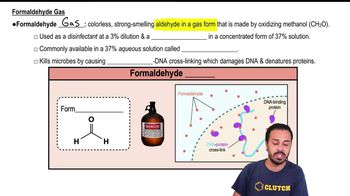
  • Formaldehyde Gas
    02:56
  • Chemical Gases: Ethylene Oxide
    03:22

Introduction to Antimicrobial Drugs

  • 가이드 코스
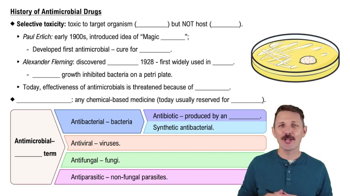
    History of Antimicrobial Drugs
    05:33

Broad vs Narrow Spectrum Drugs

  • 가이드 코스
    Broad vs Narrow Spectrum
    04:05

How Antimicrobial Drugs Work

  • 가이드 코스
    Selective Toxicity
    05:27
  • 가이드 코스
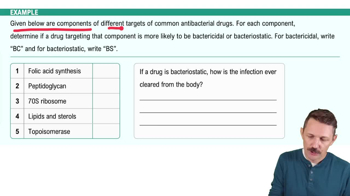
    How Antimicrobial Drugs Work Example 1
    03:28

Inhibitors of Cell Wall Synthesis: Beta-lactam & Penicillin

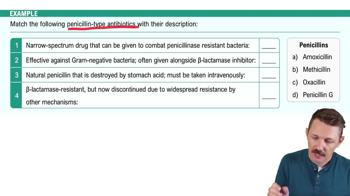
  • 가이드 코스
    Inhibitors of Cell Wall Synthesis: Beta-lactam & Penicillin Example 3
    04:02
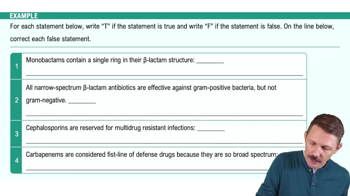
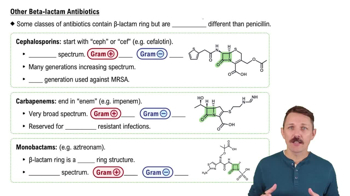
  • 가이드 코스
    Other Beta-lactam Antibiotics
    04:51
  • Inhibitors of Cell Wall Synthesis: Beta-lactam & Penicillin Example 2
    02:21

Inhibitors of Protein Synthesis

  • 가이드 코스
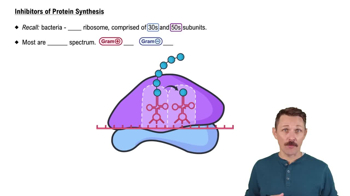
    Inhibitors of Protein Synthesis
    05:25
  • 가이드 코스
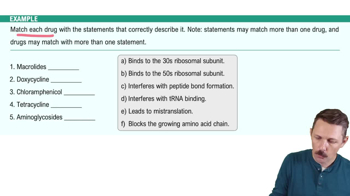
    Inhibitors of Protein Synthesis Example 1
    03:04

Antimicrobial Resistance

  • 가이드 코스
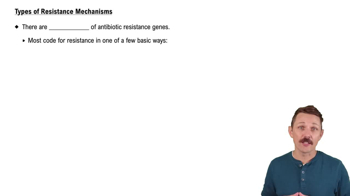
    Types of Resistance Mechanisms
    05:04
  • 가이드 코스
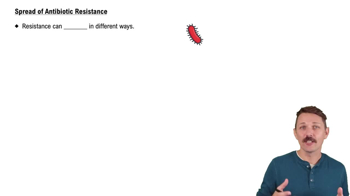
    Spread of Antibiotic Resistance
    04:45
  • 가이드 코스
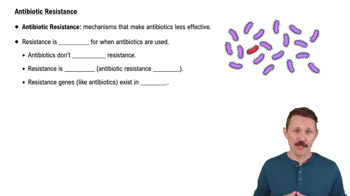
    Antibiotic Resistance
    03:45

Scientific Naming of Organisms

  • Scientific Naming of Organisms
    05:22

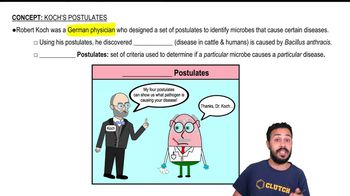
Koch's Postulates

  • Koch's Postulates
    01:36
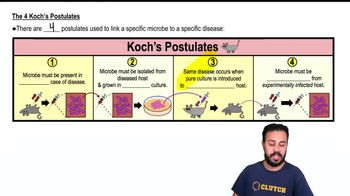
  • The 4 Koch's Postulates
    03:31
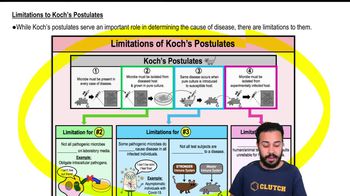
  • Limitations to Koch's Postulates
    02:58

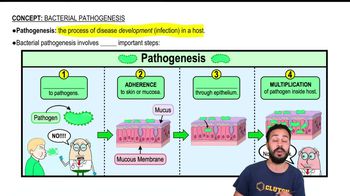
Bacterial Pathogenesis

  • Intro to Bacterial Pathogenesis
    02:35
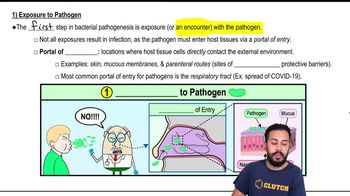
  • 1) Exposure to Pathogen
    03:27
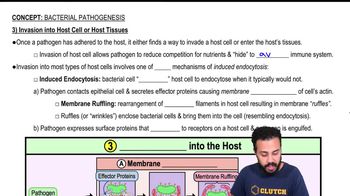
  • 3) Invasion into Host Tissues
    05:38

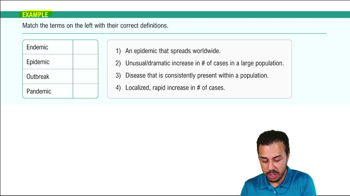
Introduction to Epidemiology

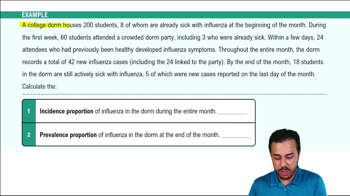
  • Introduction to Epidemiology Example 1
    01:48
  • Introduction to Epidemiology Example 2
    05:15
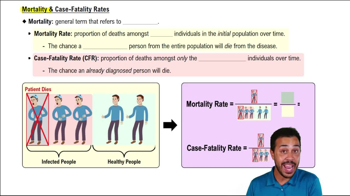
  • Mortality & Case-Fatality Rates
    02:28

Introduction to Viruses

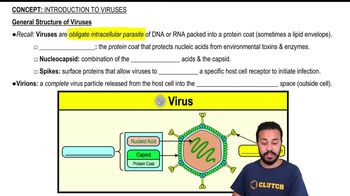
  • General Structure of Viruses
    04:47
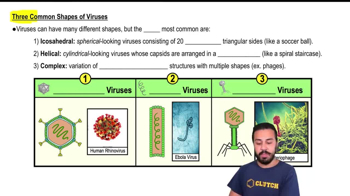
  • Three Common Shapes of Viruses
    03:19
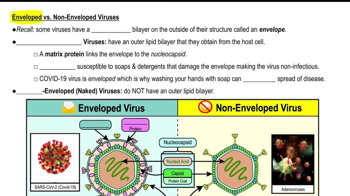
  • Enveloped vs. Non-Enveloped Viruses
    05:09

Introduction to Animal Virus Infections

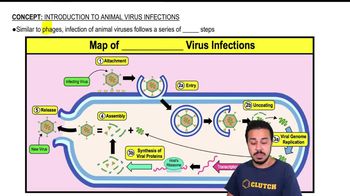
  • Introduction to Animal Virus Infections
    02:33
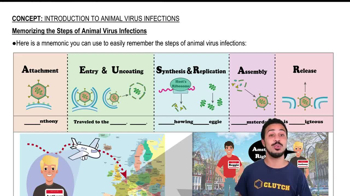
  • Memorizing the Steps of Animal Virus Infections
    01:40

Viroids

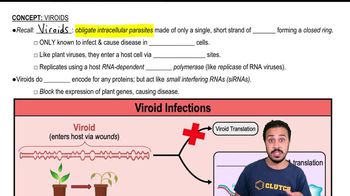
  • Viroids
    03:49

Prions

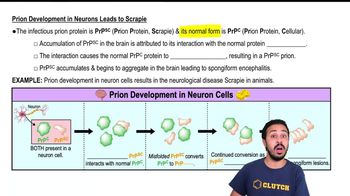
  • Prion Development in Neurons Leads to Scrapie
    04:00
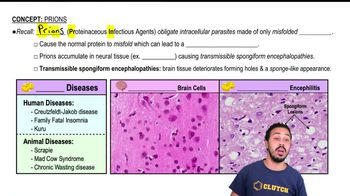
  • Prions
    03:05

Introduction to Eukaryotic Organelles

  • Introduction to Eukaryotic Organelles
    03:45
  • Eukaryotic Ribosomes
    05:51
  • Map of the Lesson on Eukaryotic Organelles
    02:04

Endosymbiotic Theory

  • Endosymbiotic Theory
    07:29

Introduction to Microbial Genetics

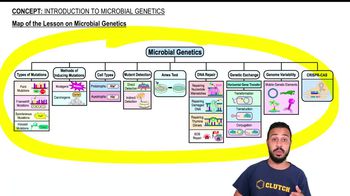
  • Map of the Lesson on Microbial Genetics
    02:04
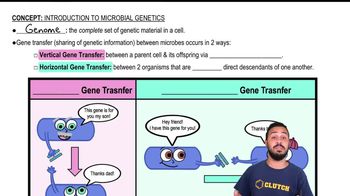
  • Introduction to Microbial Genetics
    04:20