 뒤로
Microbial Diseases of the Digestive System – Study Guide
스터디 가이드 - 스마트 노트
 자료에 맞춘 맞춤형 노트, 핵심 정의, 예시, 맥락을 확장해 제공합니다.
Microbial Diseases of the Digestive System
Introduction to Digestive System Microbiology
The digestive system is a major site for microbial colonization and infection. Diseases of the digestive tract are among the most common illnesses, often resulting from ingestion of contaminated food or water. The gut is also a critical component of the immune system, with gut-associated lymphoid tissue (GALT) playing a key role in immune defense.
Normal microbiota are present throughout the digestive tract, with the largest populations in the mouth and large intestine.
Transmission of pathogens often occurs via the fecal–oral route, which can be interrupted by proper sanitation and food handling.
About 70% of the immune system is located in the intestinal tract.
Normal Microbiota of the Digestive System
Mouth: Streptococcus salivarius (tongue), S. mitis (cheeks), S. sanguis (teeth), Bacteroides, Fusarium, and spirochetes (teeth/gums).
Stomach/Small Intestine: Few microbes due to acidity and rapid movement.
Large Intestine: Lactobacillus, Bacteroides, E. coli, Enterobacter, Klebsiella, Proteus.
Feces: Up to 100 billion bacteria per gram; 40% of fecal mass is microbial.
Dental Diseases
Dental diseases are common microbial infections of the oral cavity, often resulting from the activity of normal microbiota under certain conditions.
Dental caries (tooth decay): Initiated by the erosion of enamel and dentin, exposing the pulp to infection. Streptococcus mutans is a key pathogen, producing dextran (a sticky polysaccharide) and lactic acid from sucrose, leading to plaque formation and enamel destruction.
Periodontal disease: Involves bleeding gums and pus pockets, often caused by Porphyromonas spp.
Acute necrotizing ulcerative gingivitis: Characterized by pain with chewing and halitosis, caused by Prevotella intermedia.

Bacterial Diseases of the Lower Digestive System
Bacterial infections and intoxications of the digestive tract can cause a range of symptoms, from mild diarrhea to severe dysentery. The distinction between infection (growth of pathogen) and intoxication (ingestion of preformed toxin) is important for diagnosis and treatment.
Infection: Pathogen grows in the intestines; incubation 12 hours to 2 weeks; fever common.
Intoxication: Ingestion of preformed toxins; symptoms appear 1–48 hours after ingestion; fever uncommon.
Both can cause diarrhea, dysentery, or gastroenteritis; treatment is usually fluid and electrolyte replacement.
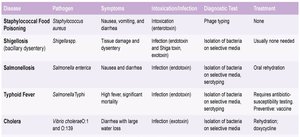
Common Bacterial Gastrointestinal Diseases
Staphylococcal food poisoning: Caused by Staphylococcus aureus enterotoxin; rapid onset of nausea, vomiting, and diarrhea; diagnosed by phage typing; no specific treatment.
Shigellosis (Bacillary dysentery): Caused by Shigella spp.; tissue damage, dysentery; treated with quinolones.
Salmonellosis: Caused by Salmonella enterica; nausea, diarrhea; oral rehydration therapy.
Typhoid fever: Caused by Salmonella Typhi; high fever, significant mortality; requires antibiotics.
Cholera: Caused by Vibrio cholerae; profuse watery diarrhea (“rice water stools”); treated with rehydration and doxycycline.
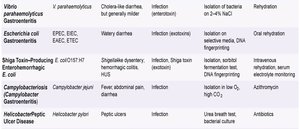
Other Bacterial Gastrointestinal Infections
Vibrio parahaemolyticus gastroenteritis: Cholera-like diarrhea, usually mild; treated with rehydration.
E. coli gastroenteritis: Watery diarrhea; diagnosed by DNA fingerprinting.
Shiga toxin-producing E. coli (STEC): Severe dysentery, hemolytic uremic syndrome; intravenous fluids and monitoring.
Campylobacteriosis: Fever, abdominal pain, diarrhea; treated with erythromycin.
Helicobacter pylori: Peptic ulcers; treated with antibiotics.
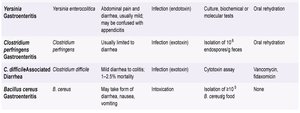
Other Notable Bacterial Infections
Yersinia gastroenteritis: Abdominal pain, diarrhea; may mimic appendicitis.
Clostridium perfringens gastroenteritis: Usually mild diarrhea; oral rehydration.
C. difficile-associated diarrhea: Mild to severe colitis; treated with vancomycin or fidaxomicin.
Bacillus cereus gastroenteritis: Nausea, vomiting; no specific treatment.
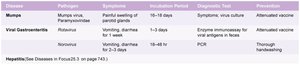
Viral Diseases of the Digestive System
Mumps: Caused by mumps virus; swelling of parotid glands; prevented by attenuated vaccine.
Viral gastroenteritis: Caused by rotavirus (1–3 day incubation) or norovirus (18–48 hour incubation); vomiting, diarrhea; prevented by vaccination (rotavirus) or hygiene (norovirus).
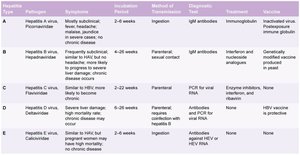
Hepatitis Viruses
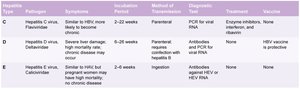
Hepatitis viruses cause inflammation of the liver and are transmitted by various routes. They differ in incubation period, symptoms, transmission, and prevention.
Type | Pathogen | Symptoms | Incubation | Transmission | Diagnosis | Treatment | Vaccine |
|---|---|---|---|---|---|---|---|
A | Hepatitis A virus | Mild, acute | 2–6 weeks | Ingestion | IgM antibodies | None | Yes |
B | Hepatitis B virus | Chronic possible | 4–26 weeks | Parenteral, sexual | IgM antibodies | Interferon | Yes |
C | Hepatitis C virus | Chronic possible | 2–22 weeks | Parenteral | PCR for RNA | Enzyme inhibitors | None |
D | Hepatitis D virus | Severe, high mortality | 4–26 weeks | Parenteral, with HBV | Antibodies, PCR | None | HBV vaccine |
E | Hepatitis E virus | Acute, no chronic | 2–6 weeks | Ingestion | Antibodies | None | None |
Diseases Transmitted by Poultry Products
Salmonellosis: Salmonella gastroenteritis; symptoms include nausea, abdominal pain, diarrhea; can lead to septicemia.
Campylobacter gastroenteritis: Symptoms include fever, cramping, abdominal pain, and diarrhea.
Protozoan Diseases of the Digestive System
Giardiasis: Caused by Giardia intestinalis; symptoms include malaise, nausea, flatulence, weakness, and abdominal cramps; diagnosed by stool sample or serology; treated with metronidazole or nitazoxanide.
Cryptosporidiosis: Caused by Cryptosporidium spp.; watery diarrhea, prolonged in immunosuppressed patients; transmitted in water; treated with nitazoxanide.
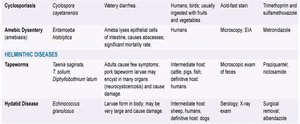
Cyclosporiasis: Caused by Cyclospora cayetanensis; watery diarrhea; transmitted in contaminated produce; treated with trimethoprim and sulfamethoxazole.
Amebic dysentery: Caused by Entamoeba histolytica; severe cases cause abscesses; diagnosed by microscopy or EIA; treated with metronidazole.
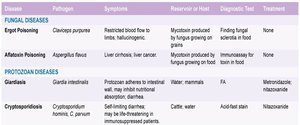
Fungal Diseases of the Digestive System
Ergot poisoning: Caused by Claviceps purpurea mycotoxin; restricts blood flow, hallucinogenic effects; found in cereal grains.
Aflatoxin poisoning: Caused by Aspergillus flavus mycotoxin; causes liver cirrhosis and cancer; found in peanuts.
Helminthic Diseases of the Digestive System
Tapeworms: Contracted by eating undercooked meat with encysted larvae; adults attach to intestinal mucosa; eggs shed in feces.
Hydatid disease: Caused by Echinococcus granulosus; hydatid cysts in organs; dogs are definitive hosts, sheep intermediate.
Nematodes:
Pinworms: Enterobius vermicularis; itching around anus; diagnosed by microscopic exam.
Hookworms: Necator americanus, Ancylostoma duodenale; anemia; larvae enter through skin.
Ascaris: Ascaris lumbricoides; intestinal blockage; eggs ingested.
Whipworm: Trichuris trichiura; diarrhea, malnutrition.
Trichinellosis: Trichinella spiralis; larvae encyst in muscle; transmitted by undercooked pork.
Treatment and Prevention
Bacterial and viral gastroenteritis: Primarily treated with fluid and electrolyte replacement.
Prevention: Proper sanitation, food handling, and vaccination (where available) are key to preventing digestive system infections.
