 뒤로
Microbial Genetics: Structure, Function, and Regulation
스터디 가이드 - 스마트 노트
 자료에 맞춘 맞춤형 노트, 핵심 정의, 예시, 맥락을 확장해 제공합니다.
Microbial Genetics: Structure, Function, and Regulation
Big Picture: Genetics
Genetics is the science of heredity, focusing on how genetic information is stored, expressed, and inherited in microorganisms. Alterations in bacterial genes and gene expression can cause disease, prevent disease treatment, or be manipulated for human benefit.
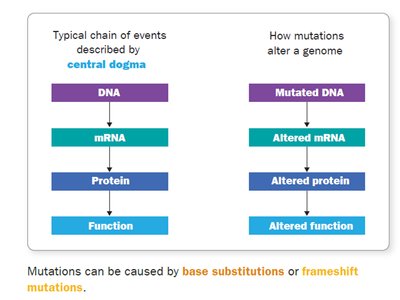
Central Dogma of Molecular Biology: Describes the flow of genetic information from DNA to RNA to protein.
Mutations: Permanent changes in DNA sequence that may be neutral, beneficial, or harmful.
Gene Expression: Controlled by operons, which regulate transcription in bacteria.
Structure and Function of the Genetic Material
The genetic material in microorganisms is primarily DNA, organized into chromosomes and plasmids. Understanding the structure and function of these elements is fundamental to microbiology.
Genetics: Study of genes, their information, expression, and replication.
Genome: All genetic information in a cell.
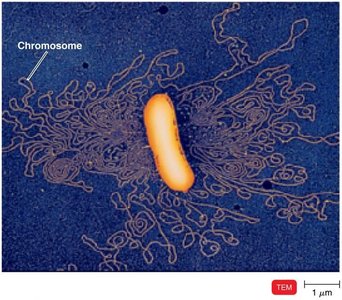
Chromosomes: Structures containing DNA that carry hereditary information.
Genes: Segments of DNA encoding functional products, usually proteins.
Genomics: Sequencing and characterization of genomes.
Plasmids: Extra-Chromosomal DNA
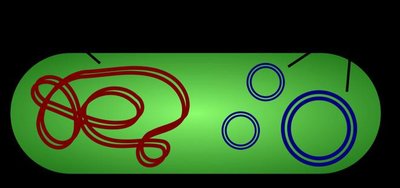
Plasmids are small, circular DNA molecules found in bacteria, separate from chromosomal DNA. They often carry genes that confer advantages, such as antibiotic resistance.
Self-replicating: Plasmids replicate independently of the chromosome.
Enhance pathogenicity: Often code for proteins that increase bacterial virulence.
Central Dogma and Genetic Code
The central dogma explains how genetic information flows from DNA to RNA to protein. The genetic code is nearly universal and determines how nucleotide sequences are translated into amino acid sequences.
DNA → RNA → Protein: Information is transcribed and then translated.
Genetic Code: Set of rules for converting nucleotide sequences to amino acids.

Genotype and Phenotype
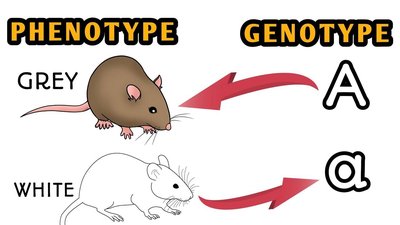
Genotype refers to the genetic makeup of an organism, while phenotype is the observable expression of those genes.
Genotype: The alleles present in an organism.
Phenotype: The traits that are expressed.
DNA Structure and Replication
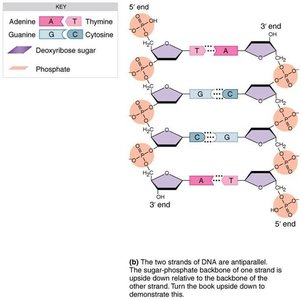
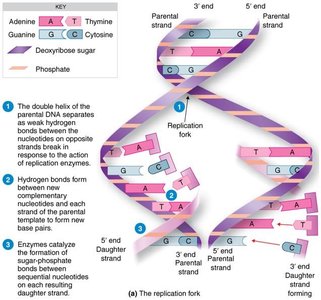
DNA is a double helix composed of two antiparallel strands held together by hydrogen bonds between complementary bases. Replication is the process by which DNA is copied before cell division.
Antiparallel Strands: The two strands run in opposite directions.
Base Pairing: Adenine pairs with Thymine, Cytosine with Guanine.
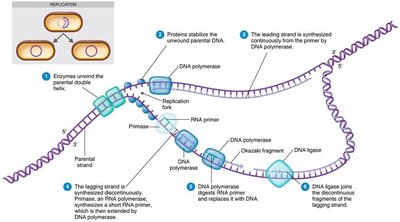
Replication Fork: The site where DNA is unwound and copied.
DNA Replication Mechanism
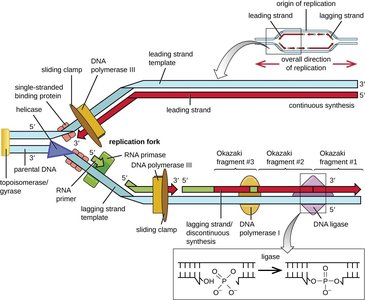
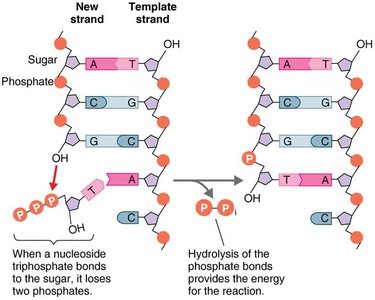
DNA replication is a highly coordinated process involving several enzymes. It requires energy and is bidirectional in most bacteria.
DNA Polymerase: Adds nucleotides in the 5' → 3' direction.
Helicase: Unwinds the DNA double helix.
Topoisomerase/Gyrase: Relaxes supercoiling ahead of the replication fork.
Ligase: Joins Okazaki fragments on the lagging strand.
Energy: Provided by hydrolysis of nucleoside triphosphates.
Gene Expression: Transcription and Translation
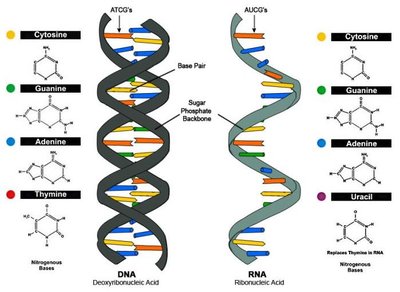
Gene expression involves transcription (DNA to RNA) and translation (RNA to protein). In prokaryotes, these processes can occur simultaneously.
Transcription: RNA polymerase synthesizes mRNA from DNA template.
Translation: Ribosomes synthesize proteins from mRNA.
mRNA, rRNA, tRNA: Types of RNA involved in protein synthesis.
Regulation of Bacterial Gene Expression
Bacterial gene expression is regulated at multiple levels, primarily through operons. Operons can be inducible or repressible, allowing bacteria to adapt to environmental changes.
Operon: A cluster of genes under control of a single promoter and operator.
Inducible Operon: Genes are off unless an inducer is present (e.g., lac operon).
Repressible Operon: Genes are on unless a corepressor activates the repressor (e.g., trp operon).
Catabolite Repression: Preferential use of glucose over other carbon sources.
Epigenetic and Post-Transcriptional Control
Epigenetic modifications and post-transcriptional mechanisms further regulate gene expression without altering the DNA sequence.
Methylation: Addition of methyl groups can turn genes off.
Riboswitches: mRNA structures that regulate translation.
miRNAs: Small RNAs that bind mRNA and prevent translation.
Mutations and Their Effects
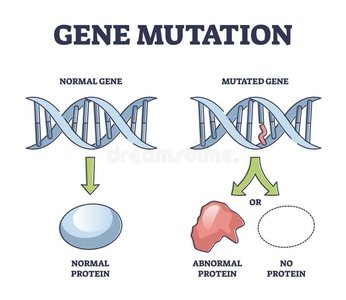
Mutations are permanent changes in DNA that can affect gene function and protein synthesis. They are classified by type and can be caused by mutagens.
Base Substitution: Change in one base (point mutation).
Missense Mutation: Results in a different amino acid.
Nonsense Mutation: Results in a stop codon.
Frameshift Mutation: Insertion or deletion shifts the reading frame.
Mutagens: Chemical or physical agents that increase mutation rate.
Genetic Transfer and Recombination
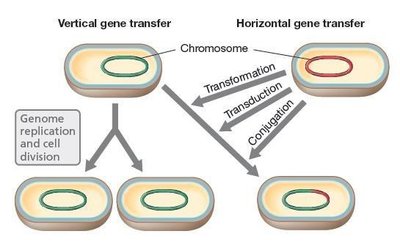
Genetic recombination increases diversity in bacteria. Genes can be transferred vertically (parent to offspring) or horizontally (between cells of the same generation).
Vertical Gene Transfer: From parent to offspring during cell division.
Horizontal Gene Transfer: Between cells via transformation, conjugation, or transduction.
Plasmids: Mobile genetic elements that can carry antibiotic resistance genes.
Transposons: "Jumping genes" that move within and between DNA molecules.
Summary Table: Types of Mutations
Type | Description | Effect |
|---|---|---|
Base Substitution | Change in one base | May cause missense or nonsense mutation |
Missense Mutation | Base substitution changes amino acid | Altered protein function |
Nonsense Mutation | Base substitution creates stop codon | Truncated protein |
Frameshift Mutation | Insertion/deletion shifts reading frame | Abnormal or nonfunctional protein |
Summary Table: Gene Transfer Mechanisms
Mechanism | Description | Example |
|---|---|---|
Vertical Transfer | Parent to offspring | Cell division |
Transformation | Uptake of naked DNA | Griffith's experiment |
Conjugation | Plasmid transfer via pili | F factor in E. coli |
Transduction | DNA transfer by bacteriophage | Generalized/specialized transduction |
Additional info: These notes expand on the original content by providing definitions, examples, and tables for clarity. All included images directly reinforce the adjacent explanations and are relevant to the topic.
