 뒤로
Microbial Genetics: Structure, Replication, and Expression
스터디 가이드 - 스마트 노트
 자료에 맞춘 맞춤형 노트, 핵심 정의, 예시, 맥락을 확장해 제공합니다.
Microbial Genetics
Introduction to Genetics and Genomes
Genetics is the study of inheritance and inheritable traits as expressed in an organism's genetic material. The genome is the entire genetic complement of an organism, including its genes and nucleotide sequences.
Genetics: Study of inheritance and expression of traits.
Genome: All genetic material in an organism.
Gene: Segment of DNA coding for a functional product.
Prokaryotic Chromosomes and Plasmids
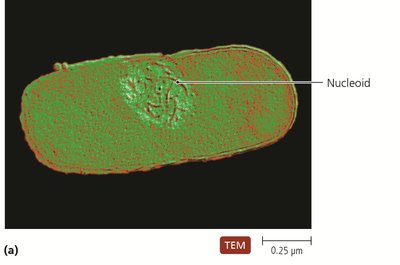
Prokaryotic chromosomes are typically circular, haploid, and located in the nucleoid. Plasmids are small, independently replicating DNA molecules that can confer survival advantages.
Haploid: Single chromosome copy per cell.
Plasmids: Non-essential DNA, often carrying genes for antibiotic resistance, virulence, or metabolic functions.
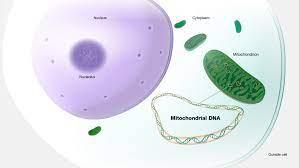
Eukaryotic Chromosomes and Extranuclear DNA
Eukaryotes typically have multiple, linear chromosomes sequestered in the nucleus. Extranuclear DNA is found in mitochondria and chloroplasts, resembling prokaryotic chromosomes.
Diploid: Two chromosome copies per cell.
Extranuclear DNA: Codes for a small fraction of cellular proteins.
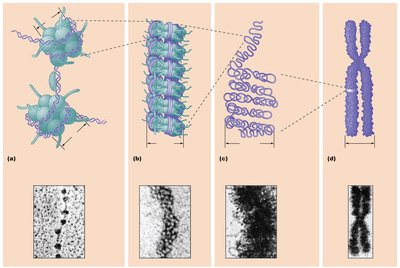
DNA Packaging in Eukaryotes
Eukaryotic DNA is tightly packed around histone proteins, forming nucleosomes and higher-order chromatin structures. This packaging regulates gene accessibility and expression.
Histones: Proteins that organize and compact DNA.
Nucleosome: DNA wrapped around histone octamer.
Euchromatin: Loosely packed, transcriptionally active.
Heterochromatin: Tightly packed, transcriptionally inactive.
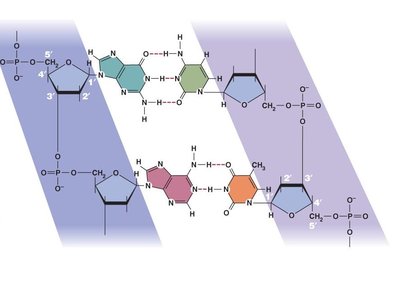
Structure of Nucleotides and DNA
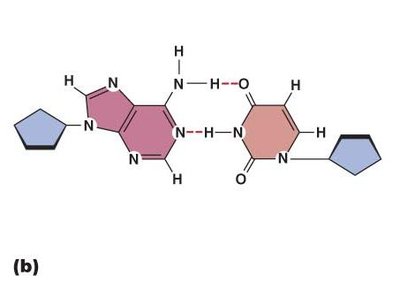
Nucleotides are the building blocks of DNA and RNA, composed of a phosphate group, pentose sugar, and nitrogenous base. DNA is a double-stranded helix with antiparallel strands.
Nucleoside: Sugar + base.
Nucleotide: Nucleoside + phosphate.
Base pairing: Adenine (A) pairs with Thymine (T), Guanine (G) pairs with Cytosine (C).
DNA Replication: Mechanism and Enzymes
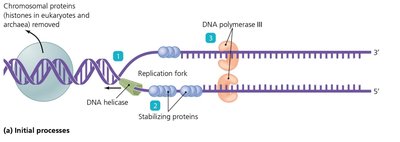
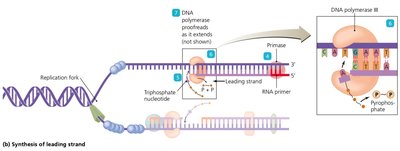
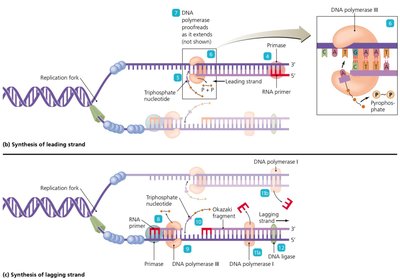
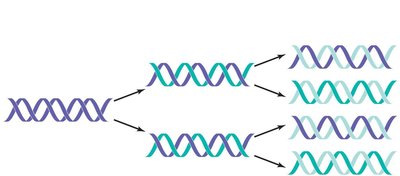
DNA replication is a semi-conservative process, producing two daughter DNA molecules each with one original and one new strand. Multiple enzymes coordinate the replication process.
DNA helicase: Unwinds DNA.
DNA primase: Synthesizes RNA primer.
DNA polymerase: Synthesizes new DNA, proofreads.
DNA ligase: Seals gaps in the backbone.
Leading strand: Synthesized continuously.
Lagging strand: Synthesized discontinuously as Okazaki fragments.
DNA Methylation in Bacteria
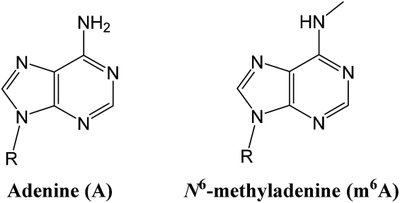
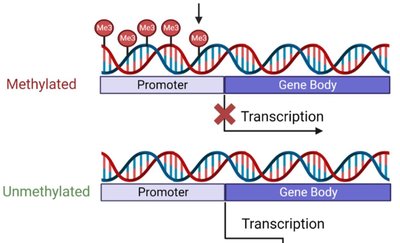
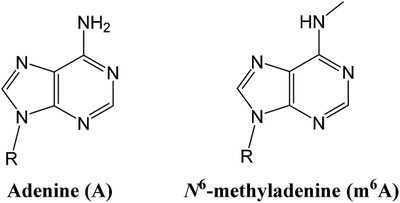
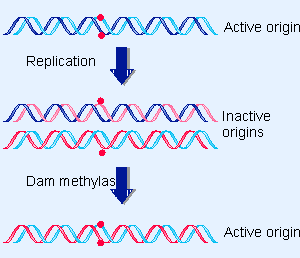
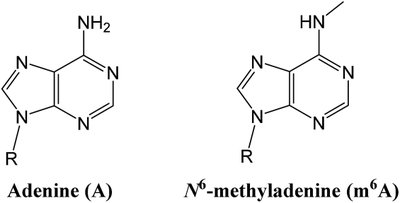
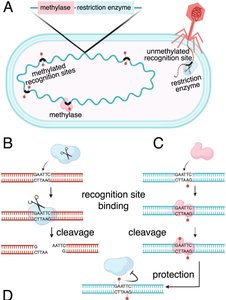
Bacterial DNA is often methylated at adenine bases, which regulates gene expression, initiates replication, protects against viral infection, and aids in DNA repair.
Methylation: Addition of methyl groups to DNA bases.
Restriction enzymes: Cut unmethylated foreign DNA.
Methylases: Protect bacterial DNA from restriction enzymes.
Genotype, Phenotype, and the Central Dogma
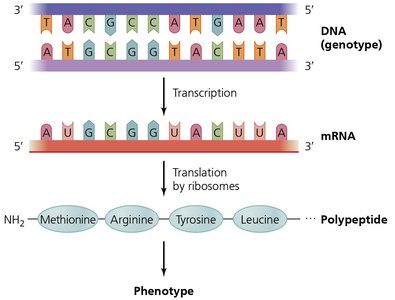
The relationship between genotype and phenotype is determined by the regulated transcription and translation of genes into proteins. The central dogma describes the flow of genetic information from DNA to RNA to protein.
Genotype: Set of genes in the genome.
Phenotype: Physical and functional traits.
Transcription: DNA to RNA.
Translation: RNA to protein.
Transcription: RNA Synthesis
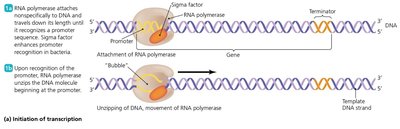
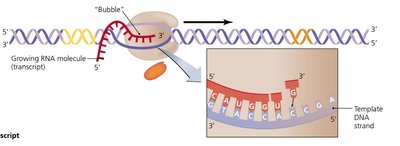
Transcription is the process of synthesizing RNA from a DNA template. In prokaryotes, it occurs in the nucleoid and involves initiation, elongation, and termination.
Initiation: RNA polymerase binds to promoter with sigma factor.
Elongation: RNA polymerase synthesizes RNA 5' to 3'.
Termination: RNA polymerase releases the transcript (Rho-dependent or Rho-independent).


Eukaryotic Transcription and mRNA Processing
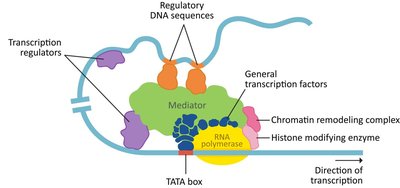
Eukaryotic transcription occurs in the nucleus and involves extensive mRNA processing before export. This includes capping, polyadenylation, and splicing to remove introns.
Capping: Modified guanine added to 5' end.
Polyadenylation: Addition of poly-A tail to 3' end.
Splicing: Removal of introns, joining exons.
Translation: Protein Synthesis
Translation is the process by which ribosomes synthesize proteins using instructions encoded in mRNA. The genetic code is read in triplet codons, each specifying an amino acid.
Codon: Three-nucleotide sequence in mRNA.
Start codon: AUG (Methionine).
Stop codons: UAA, UAG, UGA.
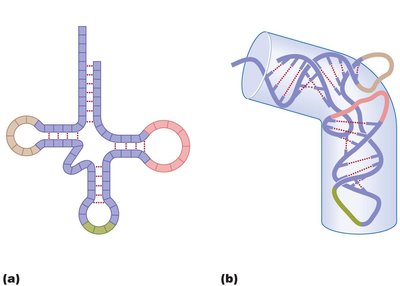
tRNA: Transfers correct amino acid to ribosome.
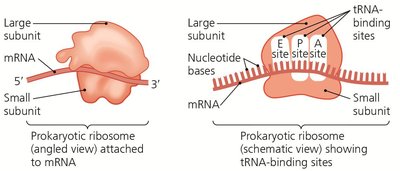
Ribosome: Catalyzes peptide bond formation.
Translation Mechanism and Differences
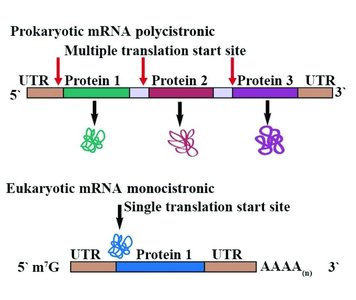
Translation involves initiation, elongation, and termination. Prokaryotic and eukaryotic translation differ in initiation mechanisms and ribosome structure.
Initiation: Ribosome binds mRNA, tRNA delivers first amino acid.
Elongation: Peptide bonds formed, ribosome moves along mRNA.
Termination: Release factors recognize stop codons, polypeptide released.
Prokaryotes: Polyribosomes, fMet as first amino acid.
Eukaryotes: Initiation at 5' cap, Met as first amino acid.
Comparison of Replication, Transcription, and Translation
These three processes are fundamental to gene expression and inheritance. Each uses specific enzymes, templates, and mechanisms for fidelity and termination.
Process | Enzyme | Template | Start Site | Termination | Location | Product |
|---|---|---|---|---|---|---|
Replication | DNA polymerase | Both DNA strands | Origin | Termination sequence | Cytosol/Nucleus | Two DNA strands |
Transcription | RNA polymerase | One DNA strand | Promoter | Terminator | Cytosol/Nucleus | RNA |
Translation | Ribosome | mRNA | AUG codon | Stop codon | Cytosol/ER | Polypeptide |
Regulation of Gene Expression
Gene expression is regulated to control protein production and activity. Most genes are expressed at all times, but others are regulated to conserve energy and resources.
Transcriptional regulation: Halts transcription.
Translational regulation: Directly stops translation.
Protein regulation: Allosteric or direct control of protein function.
