뒤로

Microbial Growth, Metabolism, Pathogenesis, and Antimicrobial Drugs: Study Guide

학습 가이드 - 영상으로 배우기

업로드한 자료에 맞춘 엄선된 수업 – 모든 주제를 단계별로 배워보세요.

Biofilms

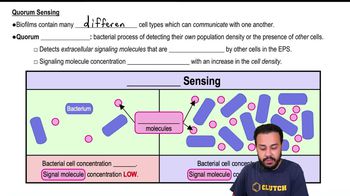
  • Quorum Sensing
    04:13
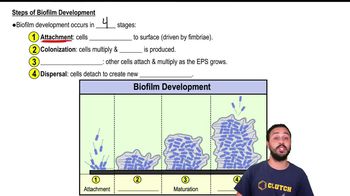
  • Steps of Biofilm Development
    04:32
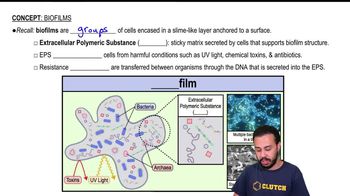
  • Biofilms
    03:14

Microbial Growth Curves in a Closed System

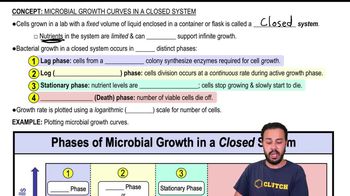
  • Microbial Growth Curves in a Closed System
    08:59
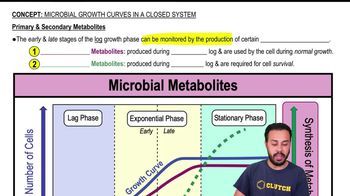
  • Primary & Secondary Metabolites
    02:33
Temperature Requirements for Microbial Growth

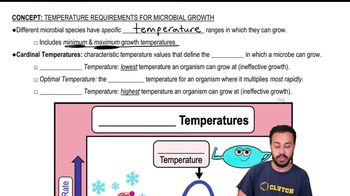
  • Temperature Requirements for Microbial Growth
    04:16
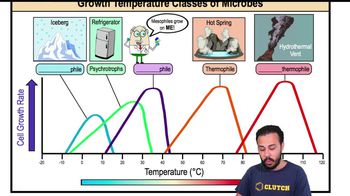
  • Classification of Microbes by Growth Temperature
    04:56
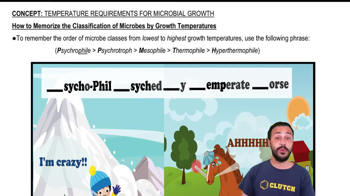
  • How to Memorize the Classification of Microbes by Growth Temperatures
    01:59

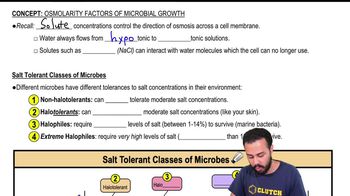
Osmolarity Factors for Microbial Growth

  • Osmolarity Factors for Microbial Growth
    06:30

Oxygen Requirements for Microbial Growth

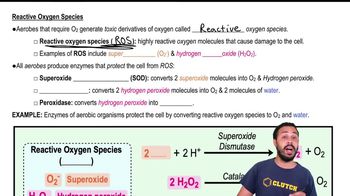
  • Reactive Oxygen Species
    04:43
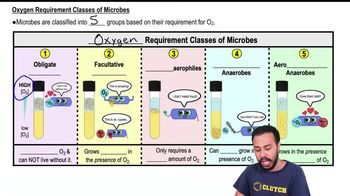
  • Oxygen Requirement Classes of Microbes
    07:27
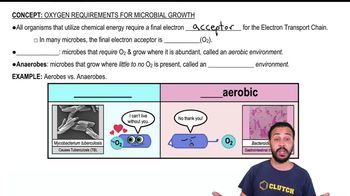
  • Oxygen Requirements for Microbial Growth
    03:52

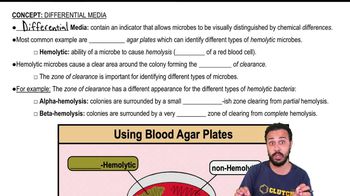
Differential Media

  • Differential Media
    04:34

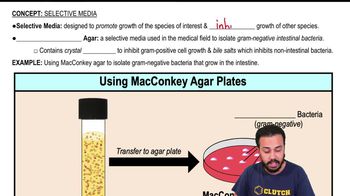
Selective Media

  • Selective Media
    03:27

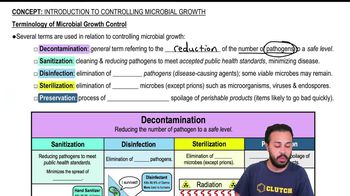
Introduction to Controlling Microbial Growth

  • Terminology of Microbial Growth Control
    07:36
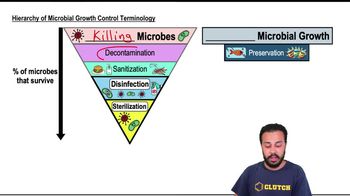
  • Hierarchy of Microbial Growth Control Terminology
    03:09
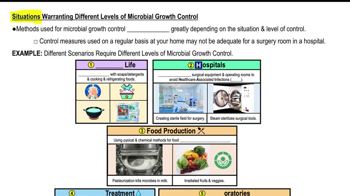
  • Situations Warranting Different Levels of Microbial Growth Control
    05:58

Physical Methods to Control Microbial Growth

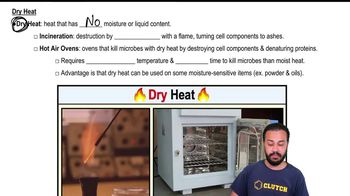
  • Dry Heat
    02:58
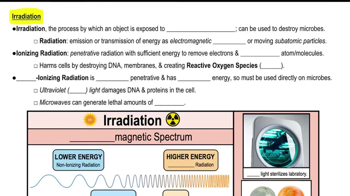
  • Irradiation
    06:18
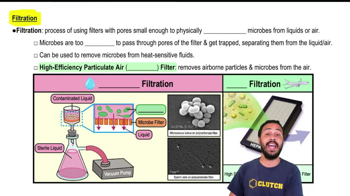
  • Filtration
    04:29

Chemicals Used to Control Microbial Growth

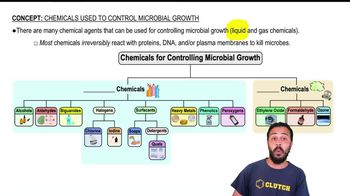
  • Chemicals Used to Control Microbial Growth
    02:29
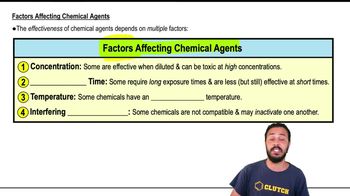
  • Factors Affecting Chemical Agents
    03:17

Liquid Chemicals: Alcohols, Aldehydes, & Biguanides

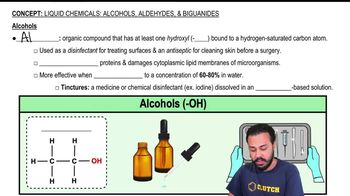
  • Alcohols
    03:39
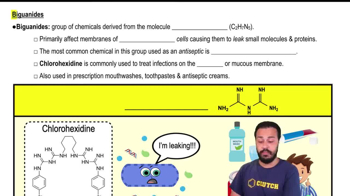
  • Biguanides
    02:41
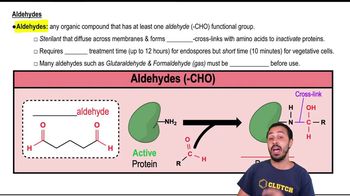
  • Aldehydes
    03:59

Liquid Chemicals: Halogens

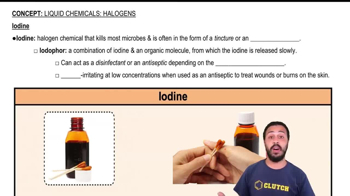
  • Iodine
    02:15
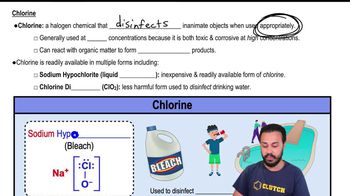
  • Chlorine
    03:16
  • Liquid Chemicals: Halogens
    00:56

Chemical Gases: Ethylene Oxide, Ozone, & Formaldehyde

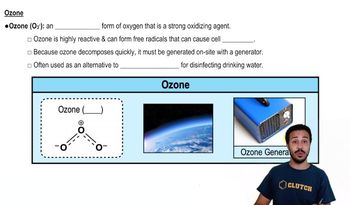
  • Ozone
    02:36
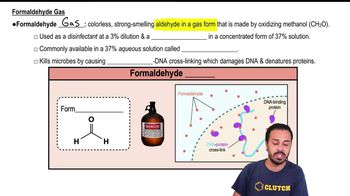
  • Formaldehyde Gas
    02:56
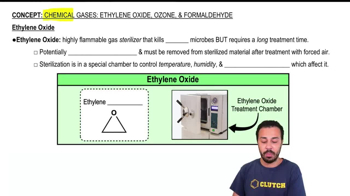
  • Chemical Gases: Ethylene Oxide
    03:22

Introduction to Metabolism

  • Introduction to Metabolism
    02:17
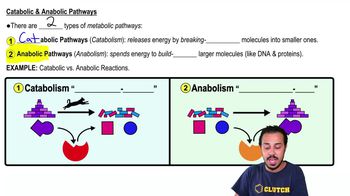
  • Catabolic & Anabolic Pathways
    03:25

Competitive Inhibitors of Metabolic Pathways

  • 가이드 코스
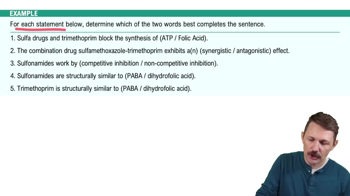
    Competitive Inhibitors of Metabolic Pathways Example 1
    02:36
  • 가이드 코스
    Sulfa Drugs & Folic Acid Synthesis
    05:22

Enzymes

  • Functions of Enzymes
    02:32
  • Enzymes Example 1
    02:25
  • Enzymes
    02:55

Glycolysis

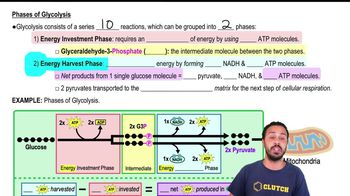
  • Phases of Glycolysis
    05:57
  • Glycolysis Example 1
    01:29
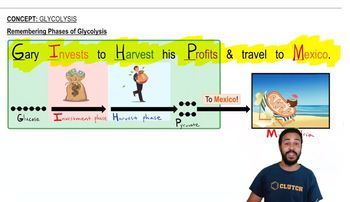
  • Remembering Phases of Glycolysis
    02:49

Krebs Cycle

  • Krebs Cycle Example 1
    01:20
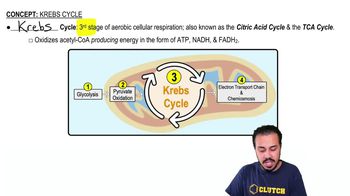
  • Krebs Cycle
    01:37
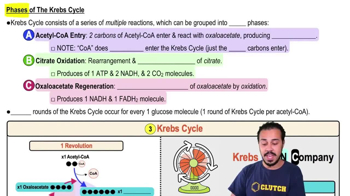
  • Phases of The Krebs Cycle
    09:54

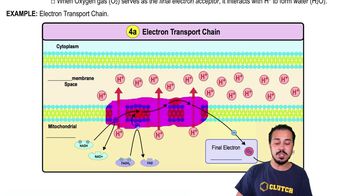
Electron Transport Chain

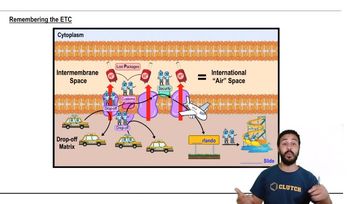
  • Remembering the ETC
    04:43
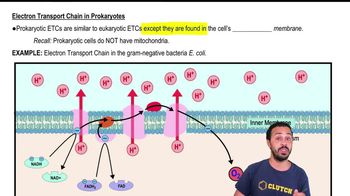
  • Electron Transport Chain in Prokaryotes
    02:49
  • Electron Transport Chain
    07:41

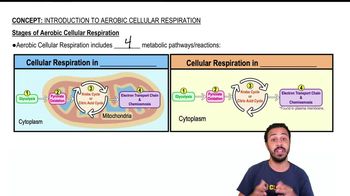
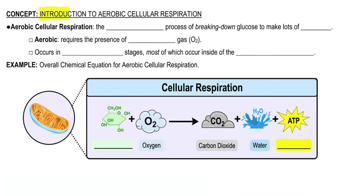
Introduction to Aerobic Cellular Respiration

  • Stages of Aerobic Cellular Respiration
    02:32
  • Introduction to Aerobic Cellular Respiration
    03:38
  • Introduction to Aerobic Cellular Respiration Example 2
    01:53

Characteristics of Infectious Disease

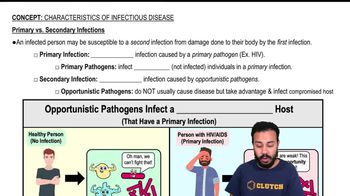
  • Primary vs. Secondary Infections
    04:16
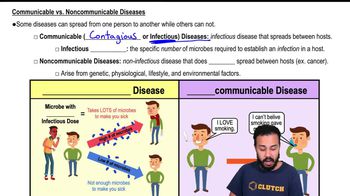
  • Communicable vs. Noncommunicable Diseases
    04:57
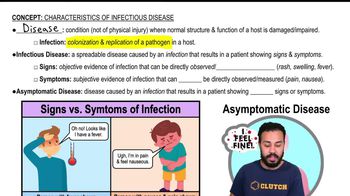
  • Intro to Characteristics of Infectious Disease
    05:09

Introduction to Epidemiology

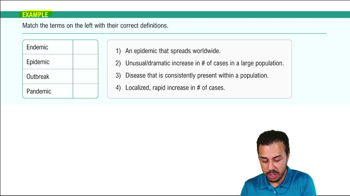
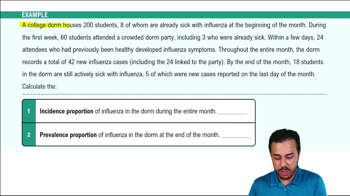
  • Introduction to Epidemiology Example 1
    01:48
  • Introduction to Epidemiology Example 2
    05:15
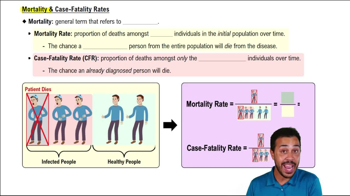
  • Mortality & Case-Fatality Rates
    02:28

Factors Influencing Epidemiology

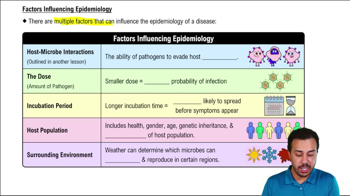
  • Factors Influencing Epidemiology
    03:26
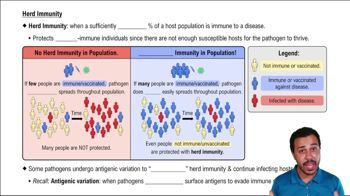
  • Herd Immunity
    04:05

Bacterial Pathogenesis

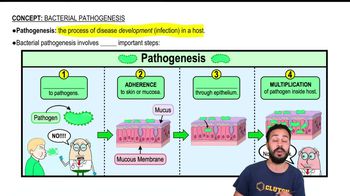
  • Intro to Bacterial Pathogenesis
    02:35
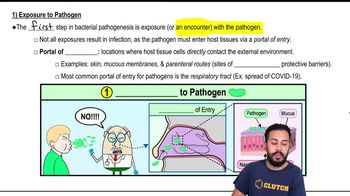
  • 1) Exposure to Pathogen
    03:27
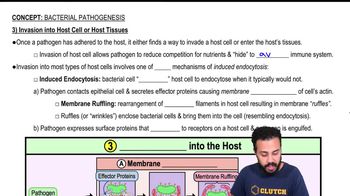
  • 3) Invasion into Host Tissues
    05:38

Introduction to Pathogenic Toxins

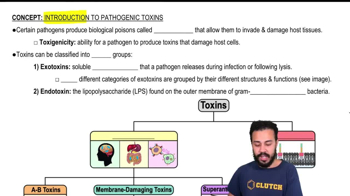
  • Introduction to Pathogenic Toxins
    03:40

Exotoxins Cause Damage to the Host

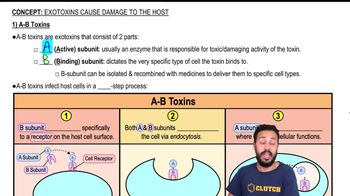
  • 1) A-B Toxins
    04:44
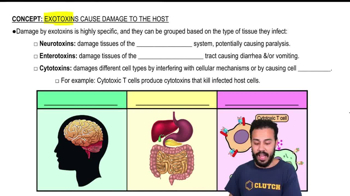
  • Types of Exotoxins
    03:30
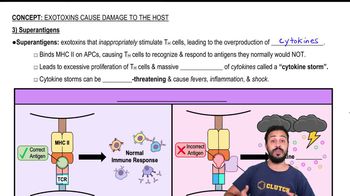
  • 3) Superantigens
    03:59

Endotoxin Causes Damage to the Host

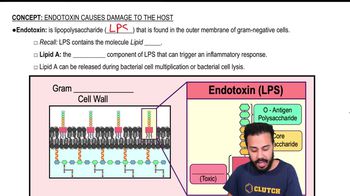
  • Endotoxin
    02:46
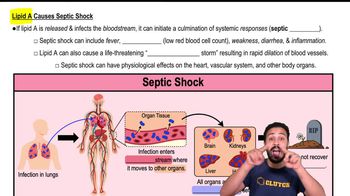
  • Lipid A Causes Septic Shock
    03:24

Introduction to Antimicrobial Drugs

  • 가이드 코스
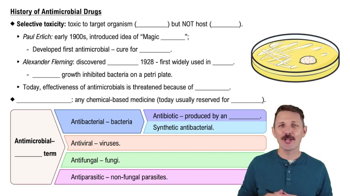
    History of Antimicrobial Drugs
    05:33

How Antimicrobial Drugs Work

  • 가이드 코스
    Selective Toxicity
    05:27
  • 가이드 코스
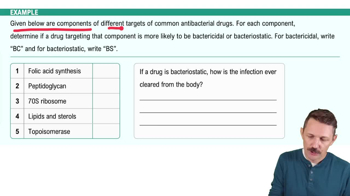
    How Antimicrobial Drugs Work Example 1
    03:28

Inhibitors of Cell Wall Synthesis: Beta-lactam & Penicillin

  • 가이드 코스
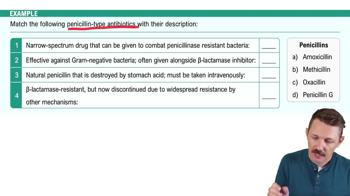
    Inhibitors of Cell Wall Synthesis: Beta-lactam & Penicillin Example 3
    04:02
  • 가이드 코스
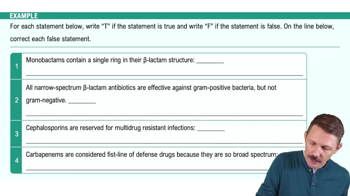
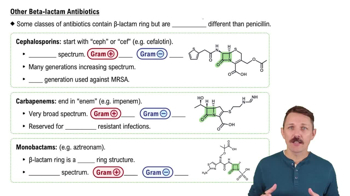
    Other Beta-lactam Antibiotics
    04:51
  • Inhibitors of Cell Wall Synthesis: Beta-lactam & Penicillin Example 2
    02:21

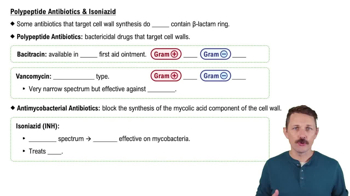
Inhibitors of Cell Wall Synthesis: Polypeptide Antibiotics & Isoniazid

  • 가이드 코스
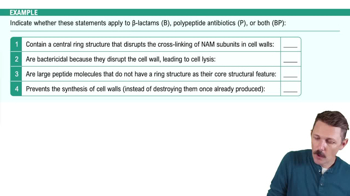
    Inhibitors of Cell Wall Synthesis: Polypeptide Antibiotics & Isoniazid Example 1
    02:14
  • 가이드 코스
    Polypeptide Antibiotics & Isoniazid
    03:43

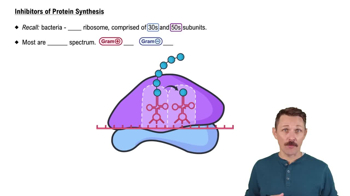
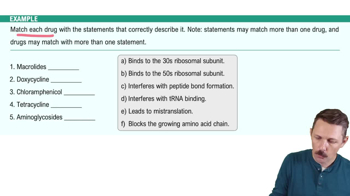
Inhibitors of Protein Synthesis

  • 가이드 코스
    Inhibitors of Protein Synthesis
    05:25
  • 가이드 코스
    Inhibitors of Protein Synthesis Example 1
    03:04

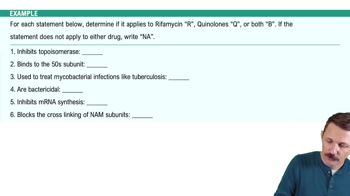
Inhibitors of Nucleic Acid Synthesis

  • 가이드 코스
    Inhibitors of Nucleic Acid Synthesis Example 1
    02:21
  • 가이드 코스
    Inhibitors of Nucleic Acid Synthesis
    05:01

Competitive Inhibitors of Metabolic Pathways

  • 가이드 코스
    Competitive Inhibitors of Metabolic Pathways Example 1
    02:36
  • 가이드 코스
    Sulfa Drugs & Folic Acid Synthesis
    05:22

Disruptors of Cell Membranes

  • 가이드 코스
    Disruptors of Cell Membranes
    04:03

Antifungal Drugs

  • 가이드 코스
    Antifungal Drugs
    06:43
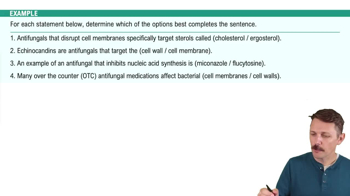
  • 가이드 코스
    Antifungal Drugs Example 1
    02:06

Antimicrobial Resistance

  • 가이드 코스
    Types of Resistance Mechanisms
    05:04
  • 가이드 코스
    Spread of Antibiotic Resistance
    04:45
  • 가이드 코스
    Antibiotic Resistance
    03:45