 뒤로
Microbial Growth: Physical and Chemical Requirements
스터디 가이드 - 스마트 노트
 자료에 맞춘 맞춤형 노트, 핵심 정의, 예시, 맥락을 확장해 제공합니다.
Microbial Growth: Physical and Chemical Requirements
Introduction
Microbial growth is influenced by a variety of physical and chemical factors, including temperature, pH, and salt concentration. Understanding these requirements is essential for controlling microbial growth in medical, industrial, and environmental settings.
Temperature and Microbial Growth
Temperature Ranges and Microbial Classification
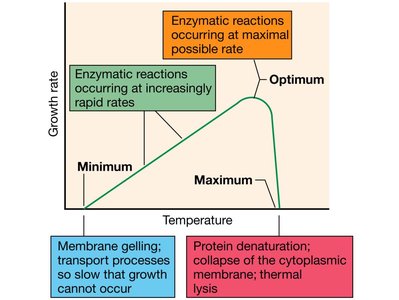
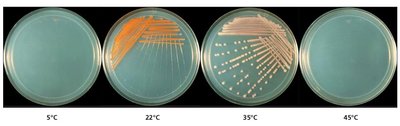
Microorganisms are classified into groups based on their preferred temperature ranges. Each group has a minimum, optimum, and maximum growth temperature, which reflects the range over which enzymatic and cellular processes can occur efficiently.
Minimum growth temperature: Lowest temperature at which growth occurs.
Optimum growth temperature: Temperature at which growth rate is highest.
Maximum growth temperature: Highest temperature at which growth is possible.
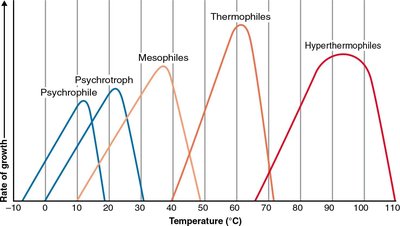
Classification of Microbes by Temperature Preference
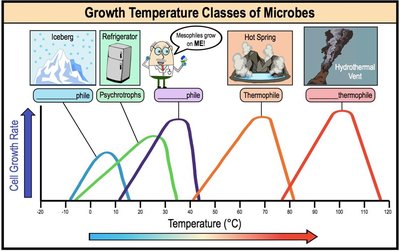
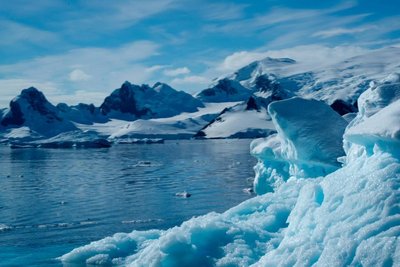
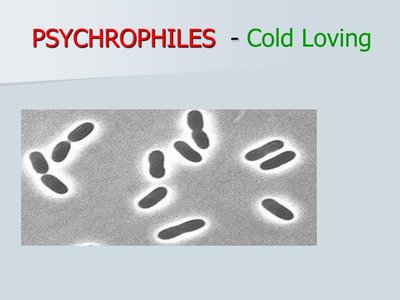
Psychrophiles: Cold-loving microbes; optimum ≤ 15°C, maximum < 20°C, minimum ≤ 0°C. Found in polar regions and deep oceans.
Psychrotrophs: Grow well at 0–30°C, cannot grow above 40°C. Responsible for food spoilage in refrigerated foods.
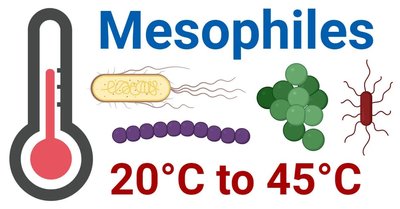
Mesophiles: Moderate-temperature-loving; optimum 25–40°C. Includes most human pathogens and spoilage organisms.
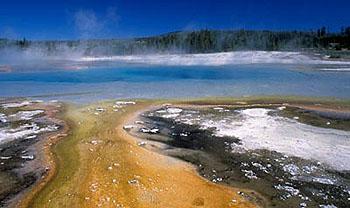
Thermophiles: Heat-loving; optimum 50–60°C. Found in hot springs and compost piles.
Hyperthermophiles: Optimum >80°C. Found in hydrothermal vents and extreme environments.
Psychrophiles and Psychrotrophs
Psychrophiles are adapted to cold environments, with enzymes and membranes that function optimally at low temperatures. Psychrotrophs are more common and are significant in food spoilage due to their ability to grow at refrigeration temperatures.
Medical Importance: Listeria monocytogenes
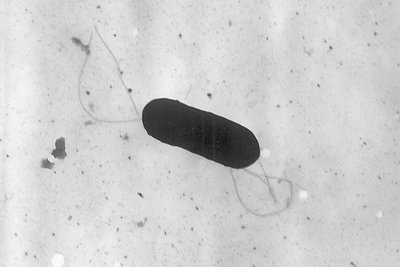
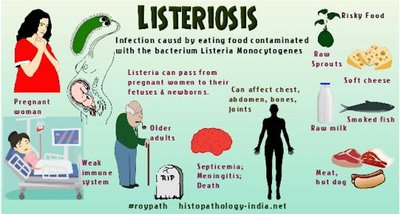
Listeria monocytogenes is a psychrotrophic, Gram-positive bacterium capable of growing at refrigeration temperatures. It is associated with foodborne illness (listeriosis), particularly in vulnerable populations such as pregnant women, newborns, and immunocompromised individuals.
Resists freezing, drying, and heat (non-spore-forming).
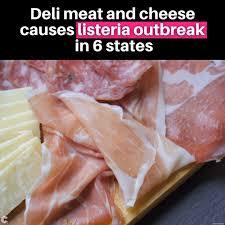
Found in a variety of foods: raw milk, cheeses, deli meats, vegetables, and smoked fish.
Causes septicemia, meningitis, encephalitis, and can lead to miscarriage or stillbirth in pregnant women.

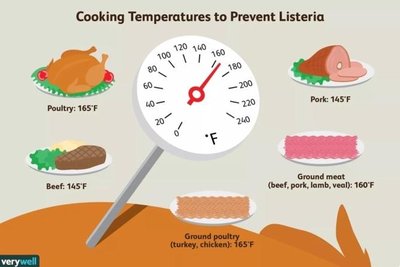
Food Preservation and Temperature
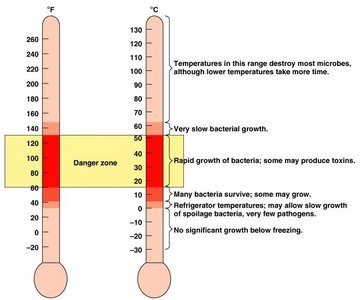
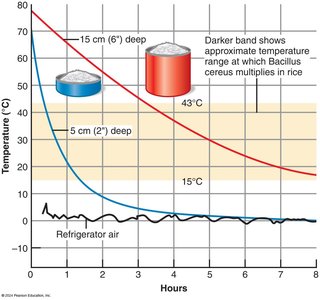
Temperature control is critical for preventing microbial growth in foods. The 'danger zone' (approximately 5°C to 60°C) is the range in which rapid bacterial growth and toxin production can occur.
Mesophiles, Thermophiles, and Hyperthermophiles
Mesophiles are the most common microbes, including most pathogens. Thermophiles and hyperthermophiles thrive at higher temperatures, with adaptations in their proteins and membranes to prevent denaturation and maintain function.
pH and Microbial Growth
pH Ranges and Microbial Classification
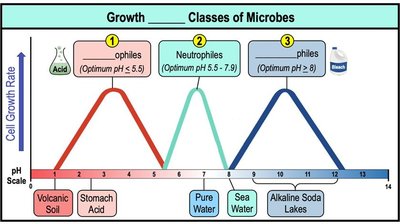
The pH of an environment affects microbial growth by influencing enzyme activity and membrane integrity. Microbes are classified based on their optimal pH range:
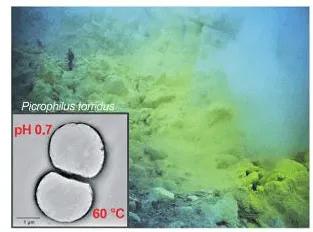
Acidophiles: Grow best at pH 0–5.5. Require acidic conditions for membrane stability (e.g., Picrophilus torridus).
Neutrophiles: Grow best at pH 5.5–8.5. Most bacteria, including human pathogens, are neutrophiles.
Alkaliphiles: Grow best at pH 8.5–11.5. Found in alkaline environments such as soda lakes.
Salt and Osmotic Pressure
Halophiles and Osmotic Adaptations
Microbes respond differently to salt concentrations and osmotic pressure:
Extreme or obligate halophiles: Require high salt concentrations for growth (e.g., organisms in salt lakes).
Facultative halophiles: Tolerate high salt but do not require it.
Hypertonic environments cause plasmolysis, inhibiting growth due to water loss from the cell.
Summary Table: Microbial Growth Preferences
Group | Temperature Range (°C) | pH Range | Salt Tolerance | Example |
|---|---|---|---|---|
Psychrophile | 0–20 | Varies | Low | Polaromonas vacuolata |
Psychrotroph | 0–30 | Varies | Low–Moderate | Listeria monocytogenes |
Mesophile | 20–45 | 5.5–8.5 | Low–Moderate | Escherichia coli |
Thermophile | 50–60 | Varies | Low–Moderate | Thermus aquaticus |
Hyperthermophile | >80 | Varies | Low–Moderate | Pyrolobus fumarii |
Acidophile | Varies | 0–5.5 | Varies | Picrophilus torridus |
Neutrophile | Varies | 5.5–8.5 | Varies | Staphylococcus aureus |
Alkaliphile | Varies | 8.5–11.5 | Varies | Bacillus alcalophilus |
Halophile | Varies | Varies | High | Halobacterium salinarum |
Additional info: The above table summarizes the main groups of microbes based on their physical and chemical growth requirements, with representative examples for each group.
