 뒤로
Microbial Metabolism: An Overview for Microbiology Students
스터디 가이드 - 스마트 노트
 자료에 맞춘 맞춤형 노트, 핵심 정의, 예시, 맥락을 확장해 제공합니다.
Microbial Metabolism
Introduction to Metabolism
Metabolism encompasses all the chemical reactions that occur within a cell, enabling the buildup and breakdown of nutrients. These reactions provide energy and generate substances essential for sustaining life. Metabolic pathways are determined by enzymes, which are encoded by genes.
Catabolic reactions break down complex molecules, releasing energy.
Anabolic reactions build complex molecules from simpler ones, consuming energy.
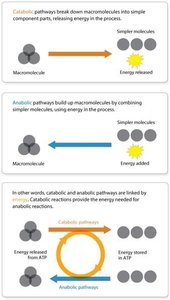
Catabolism vs. Anabolism
Catabolic and anabolic pathways are interconnected. Catabolic reactions provide the energy needed for anabolic reactions, often through the intermediate molecule ATP.
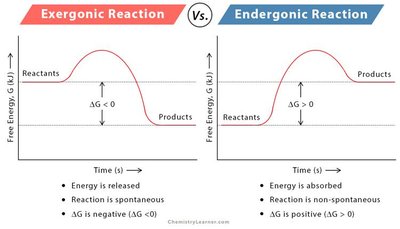
Catabolism: Exergonic (energy-releasing), breaks down macromolecules into simpler molecules.
Anabolism: Endergonic (energy-consuming), builds macromolecules from simpler molecules.
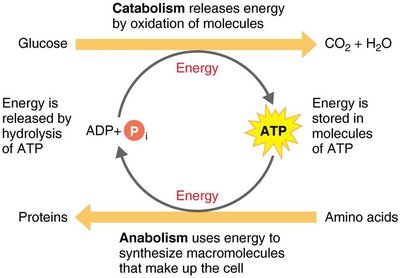
The Role of ATP in Metabolism
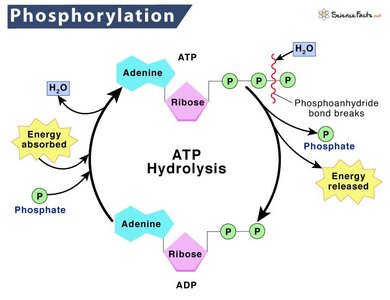
ATP (adenosine triphosphate) acts as the energy currency of the cell, coupling catabolic and anabolic reactions. Energy released from catabolic reactions is stored in ATP, which is then used to drive anabolic reactions.
ATP hydrolysis releases energy for cellular work (mechanical, transport, chemical).
Phosphorylation: ATP transfers a phosphate group to another molecule, making it a phosphorylated intermediate.

Metabolic Pathways and Enzymes
Metabolic Pathways
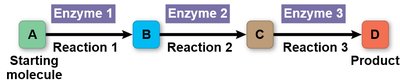
Metabolic pathways are sequences of enzymatically catalyzed reactions. Each step is facilitated by a specific enzyme, ensuring efficiency and regulation.
Enzymes act as biological catalysts, speeding up reactions without being consumed.
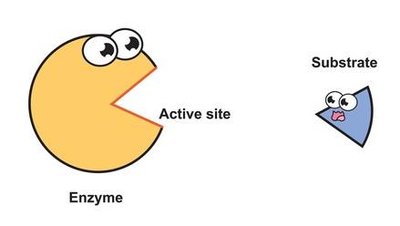
Enzyme specificity ensures that only particular substrates are transformed.
Enzyme Structure and Function
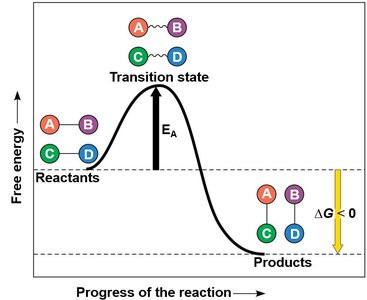
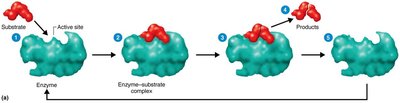
Enzymes lower the activation energy required for reactions, stabilizing the transition state and facilitating substrate conversion to products.
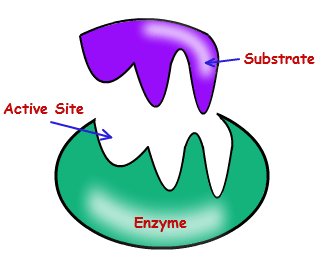
Active site: Region where substrate binds.
Enzyme-substrate complex: Temporary association during the reaction.
Turnover number: Number of substrate molecules converted per second (typically 1–10,000, up to 500,000).
Enzyme Components
Enzymes may require additional components for activity:
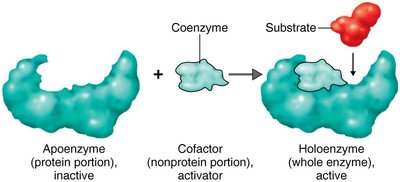
Apoenzyme: Protein portion, inactive alone.
Cofactor: Nonprotein component (e.g., metal ions, NAD, FAD).
Coenzyme: Organic cofactor (often vitamins).
Holoenzyme: Apoenzyme plus cofactor, fully active.
Factors Influencing Enzyme Activity
Enzyme activity is affected by several factors:
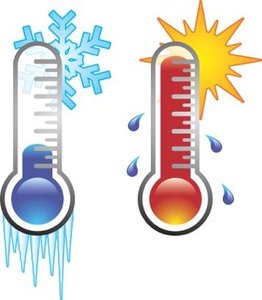
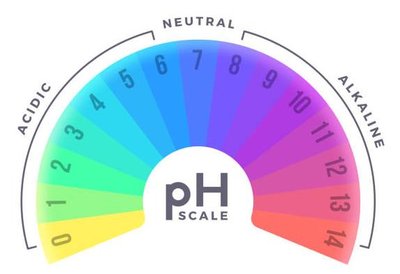
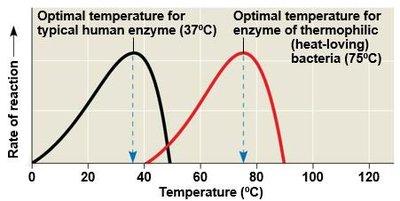
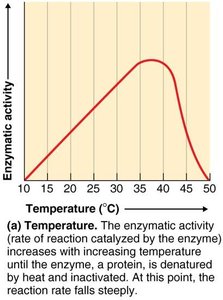
Temperature: High temperatures and extreme pH can denature proteins, reducing activity.
pH: Each enzyme has an optimal pH for activity.
Substrate concentration: High substrate concentration leads to maximum catalytic rate (saturation).
Inhibitors: Substances that decrease enzyme activity.
Enzyme Inhibition
Enzyme inhibitors regulate metabolic pathways:
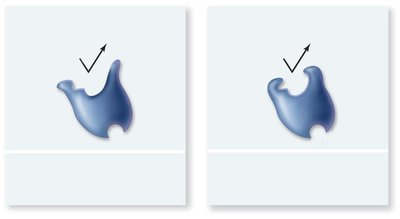
Competitive inhibitors: Compete with substrate for the active site.
Noncompetitive inhibitors: Bind elsewhere, causing a shape change that prevents substrate binding.
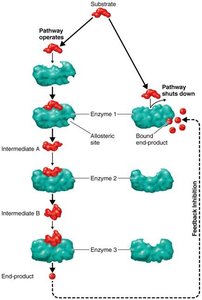
Feedback inhibition: End-product allosterically inhibits an earlier enzyme in the pathway.
Ribozymes
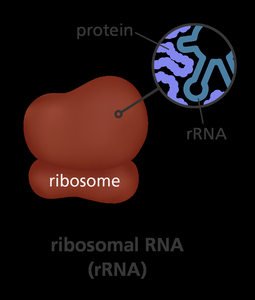
Ribozymes are RNA molecules that act as catalysts, particularly in the ribosome. They bind substrates and facilitate reactions such as RNA splicing and protein synthesis.
Energy Production and Redox Reactions
Oxidation-Reduction (Redox) Reactions
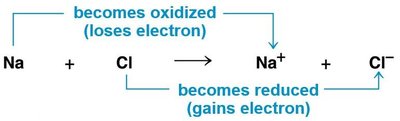
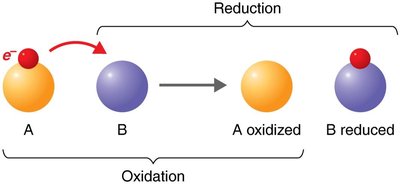
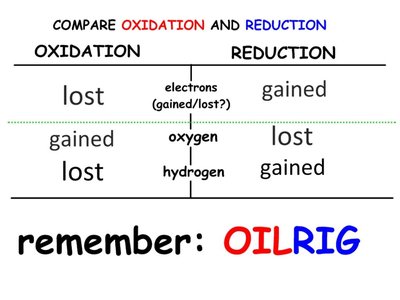
Redox reactions involve the transfer of electrons, releasing energy stored in organic molecules. This energy is used to synthesize ATP.
Oxidation: Loss of electrons (and often hydrogen).
Reduction: Gain of electrons (and often hydrogen).

ATP Generation: Phosphorylation Mechanisms
ATP is generated by three main types of phosphorylation:
Substrate-level phosphorylation: Direct transfer of a phosphate group to ADP from a substrate.
Oxidative phosphorylation: ATP generated via electron transport chain and chemiosmosis.
Photophosphorylation: ATP generated in photosynthetic cells using light energy.
Carbohydrate Catabolism
Overview of Carbohydrate Catabolism
Carbohydrate breakdown for energy occurs in four main stages:
Glycolysis
Oxidation of Pyruvate
Krebs Cycle (Citric Acid Cycle)
Electron Transport Chain
Glycolysis
Glycolysis is a series of enzyme-catalyzed reactions that break down glucose into pyruvate, producing ATP and NADH.
Preparatory phase requires enzymes at each step.
Net reaction:
Pentose Phosphate and Entner-Doudoroff Pathways
Alternative pathways to glycolysis:
Pentose phosphate pathway: Generates NADPH and pentoses for nucleotide and fatty acid synthesis.
Entner-Doudoroff pathway: Produces NADPH and ATP, independent of glycolysis; found in certain bacteria.
Krebs Cycle (Citric Acid Cycle)
The Krebs cycle completes the breakdown of pyruvate to CO2, generating ATP, NADH, and FADH2. Each turn produces:
1 ATP
3 NADH
1 FADH2
CO2 (waste product)
Electron Transport Chain and Chemiosmosis
Occurs in the plasma membrane of prokaryotes and inner mitochondrial membrane of eukaryotes. Electrons are passed through carrier molecules, releasing energy to pump H+ and generate ATP via ATP synthase.
Chemiosmosis: Use of H+ gradient to drive ATP synthesis.
Energy Yield of Cellular Respiration
Theoretical yield: 38 ATP per glucose for bacteria, 36 ATP for eukaryotes. Actual yield is lower due to membrane leakage and other uses of the proton gradient.
Aerobic vs. Anaerobic Respiration
Aerobic respiration: Uses O2 as final electron acceptor, yields more energy.
Anaerobic respiration: Uses other inorganic molecules (e.g., sulfur, nitrate), yields less energy.
Fermentation
Fermentation releases energy from organic molecules without oxygen, using an organic molecule as the final electron acceptor. Produces small amounts of ATP.
Lactic acid fermentation: Produces lactic acid; used in cheese, yogurt, and muscle cells.
Alcohol fermentation: Produces ethanol; used in brewing, winemaking, and baking.
Lipid and Protein Catabolism
Catabolism of Lipids and Proteins
Proteins, carbohydrates, and lipids are broken down via different pathways, ultimately feeding into the Krebs cycle.
Proteins: Broken into amino acids, converted to pyruvic acid, acetyl CoA, or Krebs cycle intermediates.
Carbohydrates: Broken into sugars, processed via glycolysis.
Lipids: Broken into glycerol and fatty acids; glycerol enters glycolysis, fatty acids enter as acetyl CoA.
Biochemical Tests and Bacterial Identification
Biochemical Tests
Biochemical tests identify bacteria by detecting specific enzymes involved in metabolic pathways.
Fermentation test: Detects acid and gas production from carbohydrate or protein catabolism.
Oxidase test: Detects cytochrome c oxidase, an enzyme in aerobic respiration.
Photosynthesis
Photosynthetic Pathways
Photosynthesis involves light-dependent and light-independent reactions:
Light-dependent reactions: Convert light energy to ATP and NADPH.
Light-independent reactions: Use ATP and NADPH to reduce CO2 to sugar (Calvin-Benson cycle).
Cyclic vs. Noncyclic Photophosphorylation
Cyclic: Only one photosystem, no O2 produced.
Noncyclic: Two photosystems, O2 produced.
Metabolic Diversity Among Organisms
Nutritional Patterns
Organisms are categorized by their energy and carbon sources:
Phototrophs: Use light energy.
Photoautotrophs: Use light and CO2 (e.g., algae, cyanobacteria).
Photoheterotrophs: Use light and organic compounds.
Chemoautotrophs: Use inorganic chemicals and CO2.
Chemoheterotrophs: Use organic chemicals for energy and carbon (e.g., fungi, humans).
Integration of Metabolism
Amphibolic Pathways
Amphibolic pathways function in both anabolism and catabolism. The Krebs cycle is a prime example, serving both degradative and biosynthetic processes.
Many pathways operate simultaneously, sharing common intermediates.
